
Introduction
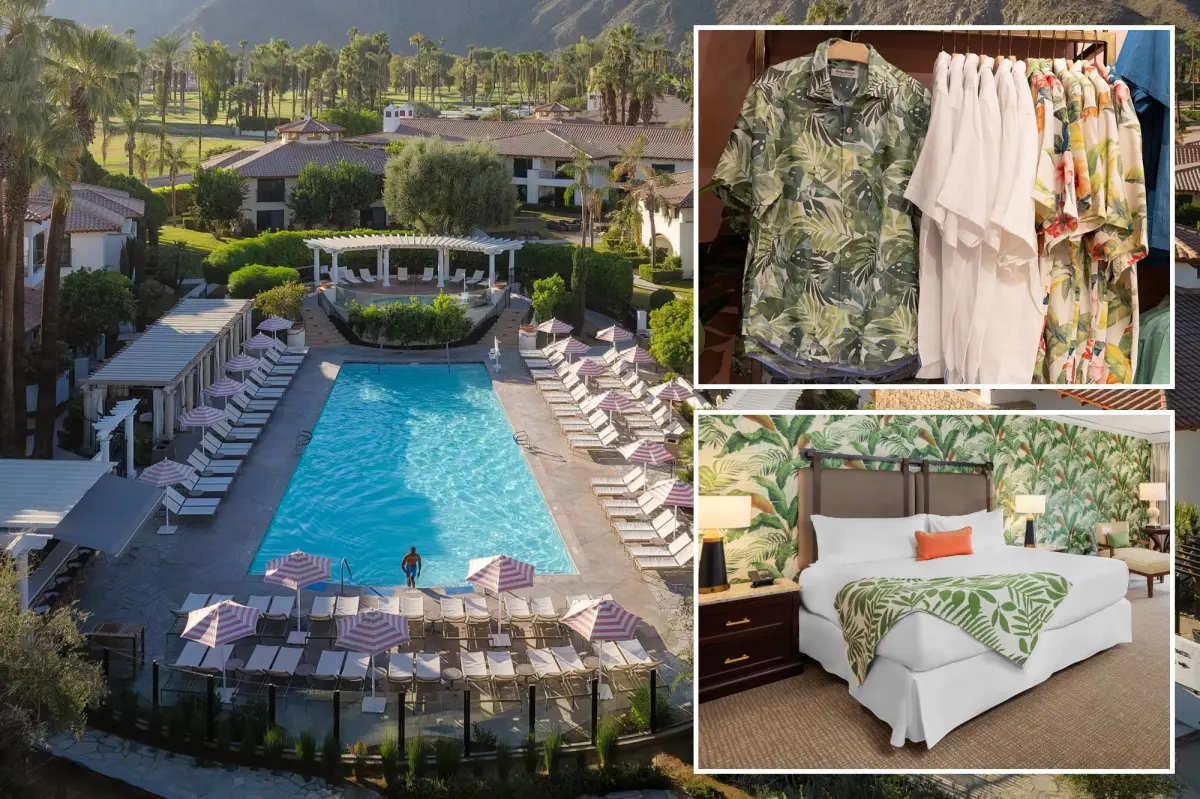
Tommy Bahama El Paseo, Palm Desert, CA, is a popular dining and shopping destination located in the heart of El Paseo, one of the Coachella Valley’s premier retail districts. Combining a full-service Restaurant with the Tommy Bahama retail experience, this location attracts shoppers, travelers, and residents looking for relaxed island-inspired dining, happy hour specials, live music, and convenient reservations. Whether you’re planning lunch, dinner, or a day exploring El Paseo, this destination offers a comfortable and scenic Palm Desert experience.
- Quick Facts About Tommy Bahama El Paseo
- What Tommy Bahama El Paseo Is
- Exact Location and Address
- Hours, Happy Hour, Live Music, Reservations, and Takeout
- Menu and Dining Experience
- Menu Highlights You Can Expect
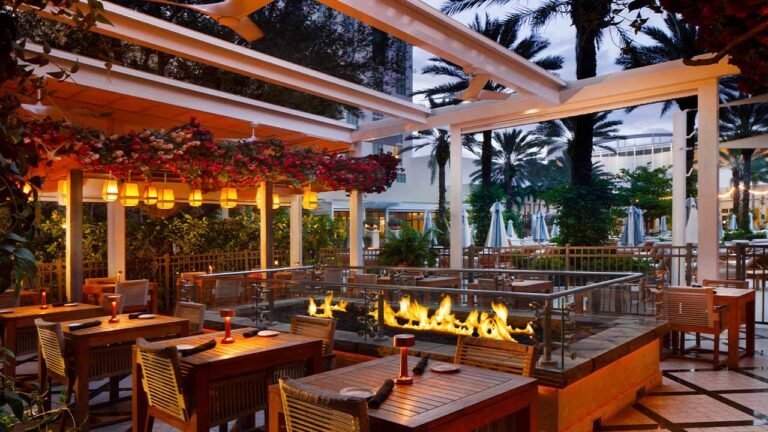
- What the Atmosphere Feels Like
- Why El Paseo Matters So Much
- Palm Desert, CA: Local Context
- Geography and Place Setting
- Climate and Weather Patterns in Palm Desert
- Landscape Features Around the Restaurant
- Flora: What Grows in the Desert Around Palm Desert
- Fauna: Wildlife in the Palm Desert Region
- Human History and Cultural Identity
- Nearby Attractions and Shopping Context
- Travel Tips for Visitors
- Best Times to Visit
- Practical Reasons This Location Stands Out
- Pros and Cons
- Pros
- Cons
- Example Visit Plans
- Shopping Lunch
- Happy Hour Meet-Up
- Evening Dinner and Music
- FAQs
- Conclusion
Quick Facts About Tommy Bahama El Paseo
| Item | Details |
| Business type | Tommy Bahama Retail & Restaurant |
| Address | 73-595 El Paseo Suite B1212, Palm Desert, CA 92260 |
| Restaurant phone | (760) 836-0188 |
| Retail phone | (760) 836-0288 |
| Hours | Mon–Fri: 11:00 AM–9:00 PM; Sat–Sun: 10:00 AM–9:00 PM |
| Happy hour | 3:00 PM–5:00 PM daily |
| Live music | Fri–Sat: 5:30 PM–8:30 PM; Sun: 12:00 PM–3:00 PM |
| Reservations | Accepted |
| Walk-ins | Welcome |
| Takeout | Online ordering available |
| Menu style | Seafood, Caribbean, American |
| Dining style | Casual dining |
| Price range | $30 and under |
The details above are the anchor facts that most visitors need before planning a trip. They also form the core factual cluster around the location and help define the entity clearly in search systems. The official location page confirms the address, hours, happy hour, live music, reservations, walk-ins, and takeout ordering. OpenTable adds the dining style, cuisine categories, price point, and mountain-view atmosphere that many diners care about before they choose a place.
What Tommy Bahama El Paseo Is
The Palm Desert location is listed as Tommy Bahama Retail & Restaurant, and that dual identity is one of its defining features. It is not only a dining venue. It is also a retail space, which means guests can browse, shop, and then sit down for food or drinks without leaving the property.
This matters in both practical and SEO terms. Many users searching for the name are not fully sure whether they are looking for the store, the restaurant, or the combined destination. By clearly identifying it as both, the article resolves ambiguity and strengthens relevance for a wider range of related queries. That is a classic case of search intent disambiguation.
The retail-and-restaurant model also changes how the location feels. A standard restaurant is usually judged mostly on its menu and service. A lifestyle brand location is judged on more than that. People also think about ambiance, continuity, brand experience, aesthetic consistency, and whether the setting matches the mood they want. Tommy Bahama performs well in that regard because the brand is associated with relaxed, island-inspired dining and a comfortable, polished retail identity.
OpenTable describes the restaurant as casual dining with Seafood, Caribbean, and American cuisine. It also emphasizes fresh island-inspired fare and handcrafted cocktails. Those descriptors give a strong signal about the experience: easygoing, polished, relaxed, and designed for a pleasant social visit rather than a rushed meal.
In practical terms, that means the location can support multiple use cases. Someone can arrive for a long lunch, a pre-dinner cocktail, a weekend brunch-style outing, a celebratory dinner, or a simple shopping break. That flexibility is part of what makes the place attractive to travelers and locals alike.
Exact Location and Address
The official address is 73-595 El Paseo Suite B1212, Palm Desert, CA 92260. The restaurant and retail phone numbers are also listed on the official page, and the site provides a directions option for people arriving by car.
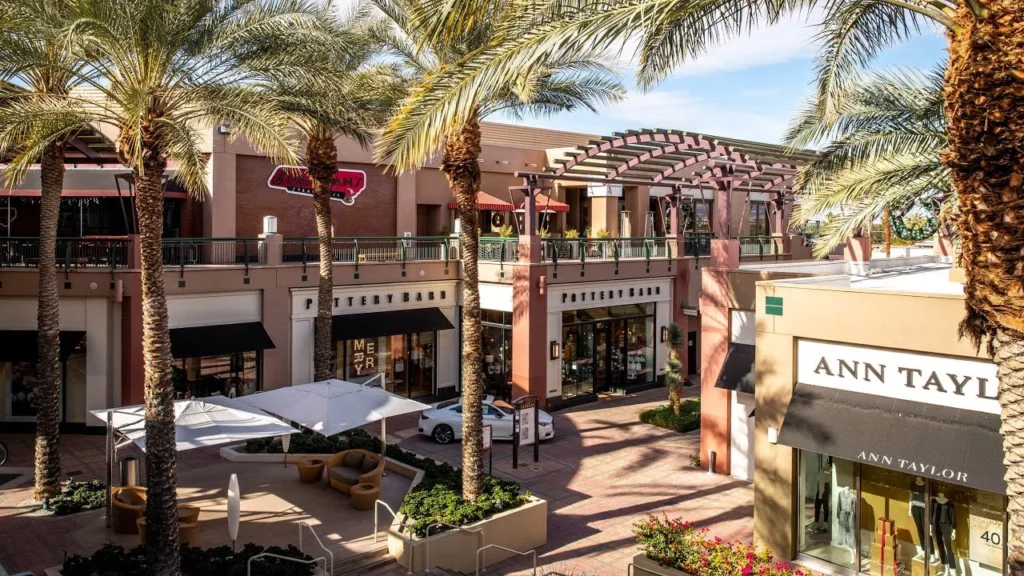
This address places the business inside The Gardens on El Paseo, which is part of the larger El Paseo retail and dining district. That district is one of the most important commercial areas in Palm Desert, and it gives the location immediate geographic value. When a restaurant sits inside a high-recognition district, its surrounding neighborhood becomes part of its identity.
That is why the address should never be treated as just a line of contact information. It is actually a key semantic entity. It tells the reader where the business is located, what kind of environment surrounds it, and how to imagine the trip. It also strengthens local relevance because “El Paseo,” “Palm Desert,” and “The Gardens on El Paseo” all co-occur in a way that mirrors real-world navigation.
For visitors, the address signals convenience. If you are already exploring the district, you can integrate a stop at Tommy Bahama into a larger shopping or dining route. If you are staying nearby, it becomes an easy Destination for lunch, drinks, or dinner. If you are coming from elsewhere in the Coachella Valley, the address sits inside one of the region’s most recognizable retail zones, which makes it easier to plan around.
Hours, Happy Hour, Live Music, Reservations, and Takeout
The location has a clear operating rhythm, and that rhythm matters for visitor planning.
The current official restaurant hours are:
- Monday to Friday: 11:00 AM–9:00 PM
- Saturday and Sunday: 10:00 AM–9:00 PM
- Happy Hour: 3:00 PM–5:00 PM daily
- Live Music: Friday and Saturday 5:30 PM–8:30 PM; Sunday 12:00 PM–3:00 PM
OpenTable aligns with the basic operating window and notes that happy hour is in the bar only. That distinction is important because it helps set expectations correctly. A happy hour that applies only to a specific seating area is different from a restaurant-wide promotion, and readers appreciate that clarity.
Reservations are accepted, which is a major plus for visitors who like to plan. At the same time, walk-ins are welcome, which makes the venue flexible for spontaneous outings or itinerary changes. The official page also confirms online takeout ordering, which adds another layer of convenience.
From a visitor experience standpoint, this is a strong combination. The restaurant supports planning, last-minute decisions, and off-site dining all at once. That means the location can adapt to different types of search intent and different types of day plans. Someone can book a table for dinner, arrive without a reservation for lunch, or order takeout to enjoy elsewhere.
The timing also helps define the atmosphere. Happy hour creates a social early-evening window. Live music introduces weekend energy. Weekend mornings open earlier, which makes brunch or leisurely daytime stops easier. These schedule cues are part of the place’s appeal, and they are worth including because they influence user decisions directly.
Menu and Dining Experience
The menu experience at Tommy Bahama El Paseo is casual, comfortable, and designed for a relaxed dining occasion. OpenTable categorizes it as casual dining and lists the cuisine as Seafood, Caribbean, and American, with a price range of $30 and under. That gives a useful frame for what visitors can expect.
The important point here is not simply the cuisine labels. It is the overall menu identity. The restaurant is positioned as island-inspired, which suggests a menu that blends familiar comfort food with vacation-style flavor cues. That matters because brand-driven dining often depends as much on mood as on a single signature dish.
The restaurant website links to lunch, dinner, and brunch menus, which indicates a multi-daypart operation. That is valuable for users because it shows the location is not limited to one dining occasion. A brunch stop, a midday lunch break, an early evening cocktail visit, and a full dinner all fit naturally within the structure.
In search-language terms, this is an example of broad topical relevance. A reader who searches this location might be interested in the menu, atmosphere, hours, reservation policy, or the kinds of meals offered at different times. A strong content piece should therefore talk about all of those dimensions without making unsupported claims.
Menu Highlights You Can Expect
The safest way to describe the menu is by use case and style rather than inventing specific dishes. Based on the available official and third-party information, the dining experience can be described as:
- brunch-style visits for slower mornings
- lunch for shoppers and daytime guests
- dinner for a relaxed evening meal
- happy hour drinks and bites in the bar area
- Takeout for guests who want the Tommy Bahama experience off-site
This type of wording is honest, flexible, and useful. It avoids overclaiming while still giving readers a meaningful preview of the experience. It also stays faithful to the available information rather than pretending to know every item on the menu.
For many visitors, the value of a place like Tommy Bahama is not just what is served, but how it fits into the day. A shopper may want a lunch break without leaving the district. A couple may want cocktails before dinner. A family may want a comfortable, polished meal after spending time in Palm Desert. The menu experience supports all of those scenarios.
What the Atmosphere Feels Like
Atmosphere is one of the strongest reasons people choose a restaurant, and Tommy Bahama El Paseo has a clearly defined sense of place. OpenTable highlights mountain views, and that visual context contributes heavily to the dining experience. The presence of the San Jacinto Mountains gives the setting a scenic backdrop that many visitors actively value.
That scenic framing does more than improve aesthetics. It also improves the mental model a user builds before arriving. A restaurant with a clear environmental identity feels more vivid, more trustworthy, and more worth visiting. In semantic terms, atmosphere acts as a quality signal that complements the practical data points like hours and reservations.
The wider El Paseo area also reinforces this impression. Visit Greater Palm Springs describes the district as a sophisticated, relaxed desert setting. That language is important because it places Tommy Bahama inside a premium lifestyle corridor rather than a generic commercial strip. The whole district adds context to the experience.
In simple terms, this is the kind of place where people can slow down. You can spend time browsing, take a meal break, enjoy the scenery, and continue your day at an easy pace. The setting is polished but not stiff, refined but not overly formal. That balance is part of the brand and part of the district’s appeal.
Why El Paseo Matters So Much
A strong local article has to do more than describe the business itself. It has to explain the neighborhood because place context shapes the visitor experience. El Paseo is one of the most important retail and dining destinations in Greater Palm Springs, and that makes it central to the story.
Visit Greater Palm Springs describes El Paseo as a mountain-backed district with more than 300 shops and more than a dozen restaurants. That alone tells you why the area draws visitors. It is not just one restaurant in isolation. It is a destination cluster where shopping and dining are expected parts of the experience.
The district also includes The Gardens on El Paseo, El Paseo Village, and The Shops on El Paseo, which gives the area a layered commercial identity. Visitors can move between stores, galleries, restaurants, and events, which means a trip to Tommy Bahama can easily become one part of a longer outing.
That matters for both user satisfaction and page relevance. If someone lands on a page about Tommy Bahama El Paseo and finds only a thin business listing, they may still have unanswered questions about what else is nearby or how the area works. A stronger guide solves that by explaining the neighborhood as part of the experience.
Palm Desert, CA: Local Context
Palm Desert is a major city in the Coachella Valley, and the city itself has a strong identity that supports tourism, retail, and lifestyle dining. The City of Palm Desert describes it as the cultural and retail center of the desert communities, which is exactly the kind of framing that helps explain why Tommy Bahama fits there so naturally.
The city also emphasizes recreation, education, shopping, housing, entertainment, arts, and culture. That combination matters because it shows Palm Desert is not only a residential area or a vacation stop. It is a multidimensional city with a broad visitor appeal. Businesses like Tommy Bahama benefit from that because they serve both residents and travelers.
Palm Desert’s identity strengthens the article’s topical authority. A local guide becomes more useful when it explains the place beyond the storefront. By including city context, the content reflects how people actually experience the area: as part of a larger desert lifestyle with shopping, dining, leisure, and visual appeal.
This also improves semantic coherence. Palm Desert, El Paseo, The Gardens, mountain views, retail culture, and desert relaxation all sit in the same conceptual field. That makes the article more useful to readers and more relevant to search systems that evaluate topic depth and entity relationships.
Geography and Place Setting
Palm Desert is shaped by desert geography, open skies, bright light, and mountain proximity. The city covers 26.96 square miles and sits at an elevation of 220 feet above sea level. That low-elevation desert setting contributes to the area’s heat, climate pattern, and landscape character.
OpenTable and tourism sources both point to the mountain backdrop, especially the San Jacinto Mountains. That is not just decorative language. It tells readers what kind of visual setting they can expect. A mountain-framed desert district feels distinct from a coastal dining strip or an urban shopping center. It has its own atmosphere, and that atmosphere is part of the appeal.
This kind of geography matters because it affects behavior. People often plan their visits differently in a hot desert setting than they would in a mild coastal climate. They think about the time of day, parking, shade, hydration, and whether they want to sit inside or outside. A good guide should therefore acknowledge the physical environment and not treat the restaurant as floating outside geography.
In effect, Tommy Bahama El Paseo benefits from a place-based identity that is strong enough to enhance the dining experience. The view, the district, the air, and the desert light all contribute to the feeling of being somewhere specific rather than somewhere generic.
Climate and Weather Patterns in Palm Desert
Palm Desert has a hot desert climate, which affects how visitors plan their outings. WeatherSpark describes the summers as arid and sweltering, the winters as cool, and the skies as mostly clear year-round. It also notes that the yearly temperature range typically runs from about 7°C to 42°C.
That climate pattern is important because it shapes the most comfortable times to visit. Midday heat can be intense, while evenings are often more pleasant. This is one reason happy hour and live music align so well with the local environment. They fit the natural rhythm of the desert day.
Broader desert definitions help explain the setting as well. National Geographic describes deserts as areas that receive no more than 25 centimeters, or 10 inches, of precipitation annually. NASA adds that deserts get about 250 millimeters of rain a year on average and may experience extreme daytime heat followed by sharp nighttime cooling.
These climate facts are not just background material. They help users make smarter decisions. If you know the weather pattern is dry and hot, you are more likely to choose a later visit, stay hydrated, use shade, and schedule your meal around the cooler parts of the day. That is practical value, and practical value strengthens content performance.
Landscape Features Around the Restaurant
The broader landscape around Palm Desert is shaped by desert conditions: dry air, limited rainfall, and strong sunlight. National Geographic explains that deserts are dry because evaporation often exceeds precipitation, while NASA notes that typical desert vegetation includes cacti, small bushes, and short grasses.
Around Tommy Bahama El Paseo, however, the immediate environment is landscaped and visitor-friendly. That contrast is part of the charm. You are in a desert city, but you are inside a polished shopping and dining district designed for comfort, browsing, and social time. The built environment softens the harsher edges of the climate and creates a more enjoyable pedestrian experience.
This contrast is worth emphasizing because it gives the location character. The district feels refined and accessible, yet it remains rooted in the desert. That duality is one of Palm Desert’s defining features. It is part resort, part retail hub, and part scenic destination.
For visitors, the landscape means a visit can feel both relaxed and stylish. It is a place where the environment is not hidden, but curated. You get the desert context without sacrificing ease or comfort.
Flora: What Grows in the Desert Around Palm Desert
Desert vegetation is built for survival. NASA’s desert biome page says typical desert plants include cacti, small bushes, and short grasses, while National Geographic notes that desert plants are adapted to low moisture and high evaporation.
That does not mean the immediate surroundings of Tommy Bahama look like raw desert scrub. In a shopping district like El Paseo, the visible landscape is usually landscaped for aesthetics, walkability, and shade. But the larger regional context still matters because it shapes planting choices, outdoor comfort, and the overall look of the area.
In a broader sense, the desert setting influences the visitor experience even when the street itself is highly developed. Planting, paving, shade structures, and outdoor design all reflect the need to adapt to the climate. That is why a district like El Paseo can feel beautiful and comfortable while still being clearly rooted in desert ecology.
For readers, this adds depth to the place description. Tommy Bahama is not just a restaurant in a shopping center. It is a restaurant in a desert city where design has to respond to heat, sun, and low rainfall. That makes the experience distinctive.
Fauna: Wildlife in the Palm Desert Region
Desert ecosystems support wildlife even when the environment seems harsh. National Geographic and NASA both explain that deserts can sustain life because plants and animals adapt to dry conditions, temperature swings, and limited water.
In the Palm Desert area, that typically means birds, small reptiles, insects, and other desert-adapted species may be present in the broader landscape. Visitors in the retail core may not notice them directly, but they still form part of the region’s ecological identity.
This matters because wildlife is part of what makes the desert feel alive rather than empty. The surrounding ecosystem contributes to the sense that Palm Desert is a real natural environment, not just a retail corridor. Even when people are focused on shopping and dining, the wider setting remains a desert habitat.
For a local guide, mentioning fauna adds another layer of place awareness. It shows the article is not simply about a restaurant in a void. It is about a restaurant embedded in a living region with its own environmental character.
Human History and Cultural Identity
Palm Desert’s identity has developed over time into a mix of leisure, shopping, culture, and desert lifestyle. The city says it was incorporated on November 26, 1973, and it now serves as a cultural and retail center in the Coachella Valley. That history helps explain why the city feels organized around lifestyle experiences rather than industrial or office-heavy development.
El Paseo reflects that identity well. The district is not merely commercial. It is part of a broader cultural pattern that includes art, fashion, entertainment, and seasonal events. Visit Greater Palm Springs highlights annual happenings such as Fashion Week El Paseo, the Palm Desert Food & Wine Festival, and the Palm Desert Golf Cart Parade.
Those events matter because they build search context and local relevance. They show that the area is not static. It is active, social, and event-oriented. A place like Tommy Bahama benefits from that because it fits into a district where people come not only to buy things, but to spend time.
In semantic terms, culture acts like a reinforcement layer. It links the restaurant to the city’s broader identity and helps the reader understand why the location matters. Tommy Bahama is part of a lifestyle ecosystem, not just a standalone storefront.
Nearby Attractions and Shopping Context
One of the strongest reasons to create a detailed article for this location is that the surrounding area has a lot to offer. El Paseo itself is the biggest attraction. Visit Greater Palm Springs describes it as a district packed with shops, restaurants, art, beauty and wellness businesses, and a boutique hotel presence.
That makes Tommy Bahama part of a broader itinerary rather than a single stop. A visitor might start with shopping, pause for lunch, return later for happy hour, and stay for live music or dinner. That type of layered visitation is exactly why local guides should explain the district instead of focusing only on the restaurant’s menu.
Here is the kind of real-world plan the area supports:
- Shop in the afternoon along El Paseo.
- Take a break for lunch at Tommy Bahama.
- Return later for happy hour in the bar area.
- Stay for dinner or live music in the evening.
This is useful because it reflects actual behavior. Visitors rarely treat destinations like Tommy Bahama as isolated nodes. They combine them with shopping, walking, scenic views, and time-based planning. A good article should match that behavior and make the decision easier.
Travel Tips for Visitors
Palm Desert is visually appealing, but it is also a desert city, which means planning matters. WeatherSpark describes the climate as hot and dry for much of the year, while NASA and National Geographic explain why desert areas receive so little rainfall and experience such strong evaporation.
That creates some simple but valuable travel advice for Tommy Bahama El Paseo:
- Go later in the day if you want a cooler and more relaxed experience.
- Bring water if you plan to walk the district.
- Use sunscreen if you will be outside for a while.
- Reserve ahead if you are planning a busy dinner or weekend visit.
- Use the walk-in option if your schedule changes unexpectedly.
These tips are practical because they connect climate to behavior. They also help make the article more helpful than a standard listing page. A good guide should not just tell people where a place is. It should help them enjoy the visit more comfortably.
The desert setting also influences timing. Visitors often feel better choosing breakfast, lunch, late afternoon, or evening rather than the hottest midday window. That is one reason restaurants with happy hour and live music can be especially attractive in Palm Desert.
Best Times to Visit
The schedule itself gives clues about the best times to go. Weekdays are often easier if you want a quieter lunch or early dinner. Weekend late afternoons and evenings are better if you want a more lively atmosphere. The official page shows happy hour every day from 3:00 PM to 5:00 PM and live music on Friday, Saturday, and Sunday.
OpenTable notes that happy hour is bar only, which is a useful detail for planning. If you specifically want the main dining room experience, you should not assume every area participates equally. That small distinction can save time and avoid disappointment.
A simple timing framework works well:
- For a calm, low-pressure visit, choose weekday lunch or early dinner.
- For a social or energetic visit, choose a happy hour or a live music venue.
- For a more leisurely experience, use the weekend morning opening hours.
This kind of recommendation is helpful because it aligns with the business schedule, the climate, and the visitor flow associated with a busy retail district.
Practical Reasons This Location Stands Out
There are many restaurant pages online, but not all of them offer real practical value. Tommy Bahama El Paseo stands out because it merges multiple visitor needs in one place:
- retail and dining in one location
- a well-known shopping district
- scenic mountain views
- daily operating hours
- happy hour
- live music
- reservations
- walk-ins
- takeout
That combination is unusually flexible. It means the location works for different moods, different budgets, and different time windows. It also means the venue can satisfy a range of search intents without forcing the reader to go elsewhere.
For content quality, that matters a lot. A page that handles practical questions and local context in one article is more likely to feel complete. It is also more likely to align with how users think when they search. They do not search in tidy categories. They search in clusters of needs and concerns. This article mirrors that behavior.
Pros and Cons
Pros
The location offers an all-in-one retail and restaurant experience, which is convenient for shoppers and diners.
The daily hours are easy to understand, and weekend opening begins earlier than weekdays.
Happy hour runs every day, which adds a consistent early-evening option.
Live music appears on Friday, Saturday, and Sunday, which improves the social atmosphere.
The mountain-view setting gives the dining experience extra visual appeal.
Reservations, walk-ins, and takeout all give visitors flexible options.
The El Paseo location places the restaurant inside a major destination district.
Cons
Happy hour is bar only, so it may not apply equally to every seating area.
The desert climate can make midday visits feel uncomfortable during hotter periods.
Popular time windows may be busier, especially around happy hour and live music hours.
The area can feel more active and crowded during peak retail periods, which may not suit visitors seeking complete quiet.
Those trade-offs are normal for a popular destination restaurant in a high-traffic shopping area. They do not undermine the experience, but they do help readers plan more realistically.
Example Visit Plans
Shopping Lunch
Spend the late morning shopping along El Paseo, then stop for lunch at Tommy Bahama before returning to the district. This works well because the restaurant opens at 11:00 AM on weekdays and 10:00 AM on weekends.
Happy Hour Meet-Up
Meet friends between 3:00 PM and 5:00 PM and enjoy the bar-only happy hour. This is ideal if you want a social, relaxed, and scenic stop that fits the desert afternoon-to-evening transition.
Evening Dinner and Music
Reserve a table, have dinner, and stay for live music on Friday, Saturday, or Sunday. That creates a fuller evening experience without needing to move to another venue.
These examples help the article feel useful and vivid. Readers can mentally simulate the visit, which improves both user experience and conversion intent.
FAQs
It is at 73-595 El Paseo Suite B1212, Palm Desert, CA 92260.
The restaurant is open Monday to Friday from 11:00 AM to 9:00 PM and Saturday and Sunday from 10:00 AM to 9:00 PM.
Yes. The official page says reservations are accepted, and it also says walk-ins are welcome if you cannot find a reservation.
Yes. The official page lists happy hour daily from 3:00 PM to 5:00 PM, and OpenTable says it is in the bar only.
Yes. The official page lists live music on Friday and Saturday from 5:30 PM to 8:30 PM and on Sunday from 12:00 PM to 3:00 PM.
Conclusion
Tommy Bahama El Paseo stands out as more than a restaurant. Its Combination of dining, shopping, happy hour, live music, and a prime location on El Paseo makes it a convenient stop for visitors and locals alike. With flexible dining options, a relaxed atmosphere, and easy access to Palm Desert’s top shopping district, it remains one of the area’s most popular lifestyle destinations.