
A wardrobe refresh doesn’t have to mean an expensive shopping spree. Often, the most effective updates come from working smarter with what you already own, making intentional additions, and shopping strategically rather than impulsively. Here’s how to feel like your closet has a new lease on life without straining your budget.
- Start With What You Already Own
- Do a Full Closet Audit
- Rediscover Forgotten Pieces
- Try New Combinations
- Make Strategic, Low-Cost Additions
- Invest in a Few Versatile Accessories
- Shop Secondhand and Thrift
- Prioritize Versatile Pieces Over Trend Items
- Revive What You Have
- Try Simple Tailoring
- Dye or Refresh Faded Items
- Repair Rather Than Replace
- Get Creative With Styling
- Layer Strategically
- Change Up Accessories by Season
- Host or Join a Clothing Swap
- Shop Smarter When You Do Buy
- Wait for Sales and Off-Season Discounts
- Make a List Before Shopping
- Final Thoughts
Start With What You Already Own
Do a Full Closet Audit
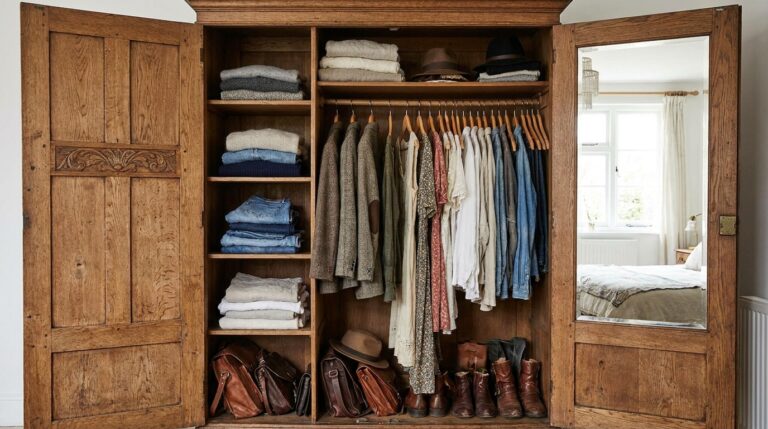
Before buying anything new, go through your entire wardrobe and separate items into categories: things you wear often, things you forgot you owned, and things that no longer fit or suit you. This process alone often reveals combinations you’d overlooked.
Rediscover Forgotten Pieces
Items pushed to the back of the closet are sometimes exactly what a new outfit needs. Pulling these pieces back into rotation, paired with something different than before, can feel like adding something new without spending a cent.
Try New Combinations
Challenge yourself to pair items you wouldn’t normally put together — a dressier top with casual bottoms, or unexpected color combinations. Small styling shifts can make familiar pieces feel fresh again.
Make Strategic, Low-Cost Additions
Invest in a Few Versatile Accessories
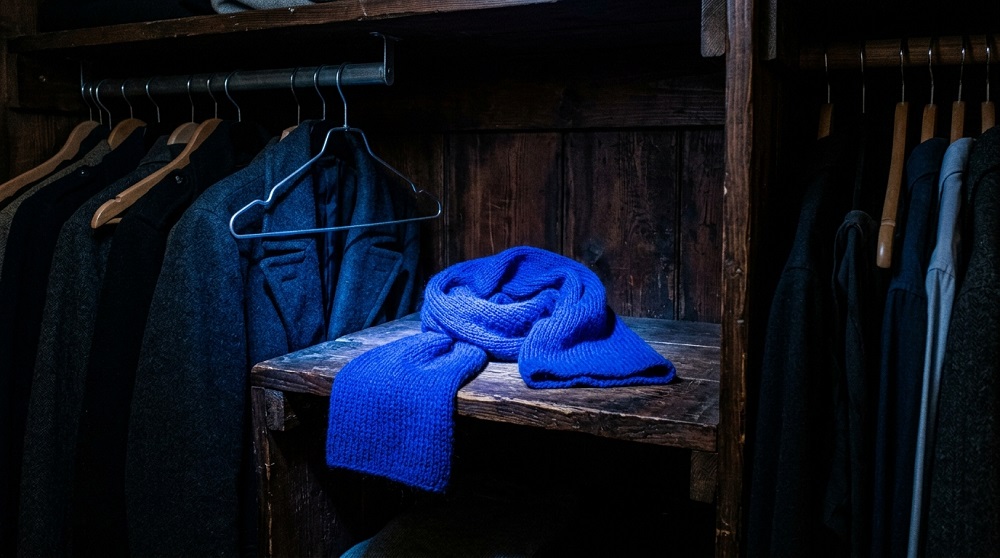
A new belt, scarf, or piece of jewelry can transform the look of existing outfits at a fraction of the cost of new clothing. Accessories are one of the most cost-effective ways to add variety to a wardrobe.
Shop Secondhand and Thrift
Consignment shops, thrift stores, and online resale platforms often carry quality pieces — sometimes designer items — at a fraction of retail price. Secondhand shopping also tends to surface more unique pieces than mainstream retail.
Prioritize Versatile Pieces Over Trend Items
When you do make a purchase, choosing something that pairs with multiple existing pieces gets more mileage than a trend-driven item that only works with one specific outfit.
Revive What You Have
Try Simple Tailoring
Taking in a loose waistband, hemming pants, or adjusting sleeve length can make old pieces fit and look significantly better — often for less than the cost of buying something new.
Dye or Refresh Faded Items
Fabric dye can breathe new life into faded black clothing or update a piece to a completely different color, giving it a second life without replacing it.
Repair Rather Than Replace
Small issues like loose buttons, minor tears, or worn soles are often easy and inexpensive to repair, extending the life of pieces you already like rather than replacing them prematurely.
Get Creative With Styling
Layer Strategically
Layering pieces you already own — a button-down under a sweater, a jacket over a dress — creates entirely new silhouettes and outfit options without any new purchases.
Change Up Accessories by Season
Swapping accessories seasonally (lighter scarves and jewelry for warmer months, cozier textures for colder ones) can make the same base wardrobe feel appropriately refreshed throughout the year.
Host or Join a Clothing Swap
Swapping items with friends or family who have similar sizes or styles is a no-cost way to add “new” pieces to your closet while clearing out items you no longer wear.
Shop Smarter When You Do Buy
Wait for Sales and Off-Season Discounts
Shopping end-of-season sales for pieces you’ll wear the following year can significantly reduce cost for the same quality items.
Make a List Before Shopping
Identifying specific gaps in your wardrobe before shopping helps avoid impulse purchases that don’t integrate well with what you already own.
Final Thoughts
Refreshing your wardrobe doesn’t require a big budget — it requires creativity, a willingness to rediscover what you already own, and strategic, versatile additions when you do shop. With a bit of intention, your existing closet can feel new again without unnecessary spending.