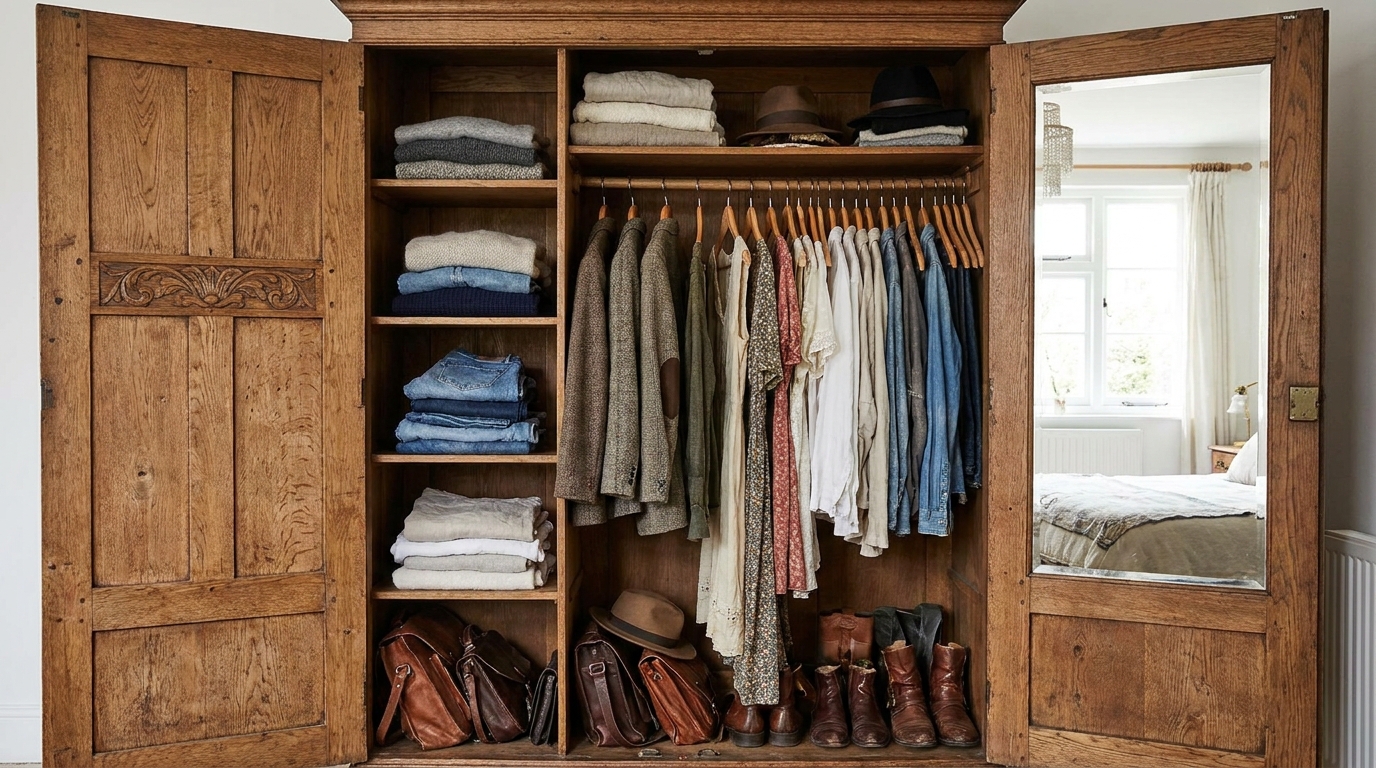
Fashion changes constantly, but building a stylish wardrobe does not require replacing clothes every season. A more practical approach is to understand personal preferences, choose versatile pieces, pay attention to fit, and use trends selectively. This can make dressing easier while helping people create a wardrobe that feels consistent and useful.
The goal of personal style is not to copy every look that becomes popular. It is to develop a collection of clothing that works for everyday life, important occasions, and changing seasons while still allowing room for creativity.
- Start With Clothes You Actually Wear
- Choose Dresses According to Fit and Occasion
- Build Around Versatile Basics
- Use Trends Selectively
- Pay Attention to Fit
- Choose Colors That Work Together
- Follow Fashion Trends Without Losing Personal Style
- Consider Fabric and Construction
- Use Accessories to Change an Outfit
- Avoid Impulse Purchases
- Create a Wardrobe That Reflects Your Lifestyle
Start With Clothes You Actually Wear
Before buying anything new, it can be useful to review the clothes already in the wardrobe. Items that are worn frequently often reveal which colors, cuts, fabrics, and styles are most practical for a person’s lifestyle.
This also makes it easier to identify gaps. Someone may discover that they own several statement pieces but lack simple basics, or that they have many casual outfits but few options for formal events.
Choose Dresses According to Fit and Occasion
Dresses can be versatile because they create a complete outfit with relatively little effort. However, choosing the right dress involves more than selecting a fashionable design. Length, fabric, silhouette, comfort, season, and occasion should all be considered.
People exploring different dress styles and outfit ideas can include resources such as Dresses Enter among the sources they review while comparing designs and finding inspiration for different occasions.
Build Around Versatile Basics
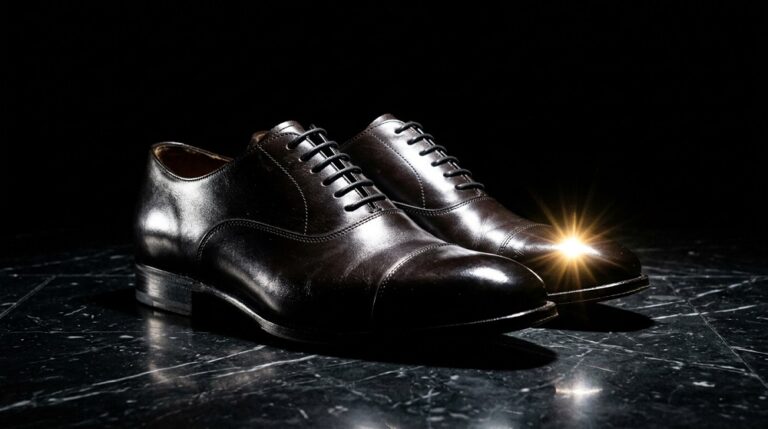
Simple wardrobe essentials make it easier to create multiple outfits from a smaller number of clothes. Depending on personal style, these might include plain shirts, well-fitting trousers, jeans, neutral outerwear, simple dresses, and practical footwear.
Versatility does not mean that every item must be plain. The purpose of basics is to provide a foundation that can be combined with more distinctive pieces, colors, patterns, and accessories.
Use Trends Selectively
Fashion trends can be a useful source of inspiration, but not every trend will suit every person. Some styles may be impractical for a particular climate, workplace, body type, or lifestyle.
Resources such as Fashion Sky can provide another perspective for people exploring fashion ideas and current styles. Rather than rebuilding an entire wardrobe around a trend, it can be easier to experiment with one or two elements and decide whether they fit naturally with existing clothes.
Pay Attention to Fit
Fit can have a greater effect on appearance than price or brand name. Clothing that fits properly generally looks more intentional and is often more comfortable to wear.
Sizes can vary significantly between brands, so the number on a label should be treated only as a starting point. Trying clothes on, checking measurements when shopping online, and making small alterations where appropriate can improve the overall result.
Choose Colors That Work Together
A wardrobe becomes easier to use when many of its colors can be combined. Neutral shades can provide a flexible foundation, while brighter colors can be introduced through selected clothing and accessories.
People do not need to follow strict color rules. The most useful approach is to notice which colors they enjoy wearing and which combinations make it easier to create outfits from items they already own.
Follow Fashion Trends Without Losing Personal Style
Seasonal trends can introduce new silhouettes, fabrics, colors, and styling ideas. Following them can be enjoyable, particularly for people who like experimenting with their appearance.
Those interested in keeping up with changing styles can explore Fashion Trends Latest alongside other fashion resources. Trends are generally most useful when treated as inspiration rather than instructions that must be followed.
Consider Fabric and Construction
How clothing is made can influence comfort, appearance, and durability. Different fabrics behave differently in warm weather, cold weather, formal settings, and everyday use.
Checking seams, closures, lining, fabric composition, and care instructions before buying can provide useful clues about whether an item will be practical. A fashionable piece that is difficult to care for may receive much less use than expected.
Use Accessories to Change an Outfit
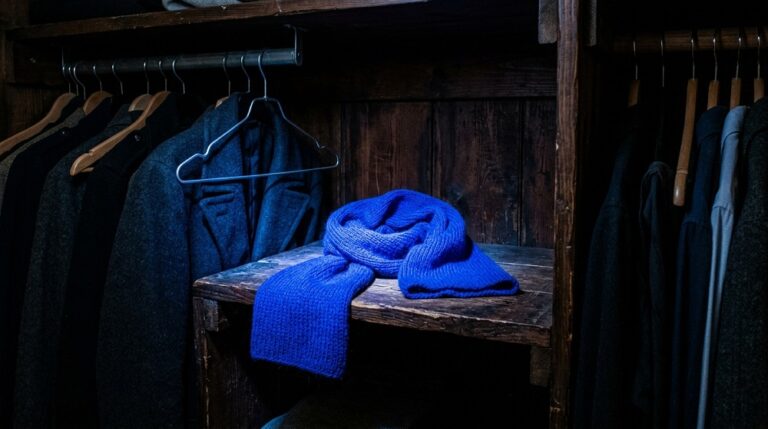
Accessories can create variety without requiring a completely new set of clothes. Bags, jewelry, belts, scarves, watches, and footwear can make a simple outfit appear more casual, professional, or formal.
A small collection of versatile accessories can therefore expand the number of combinations available from an existing wardrobe. As with clothing, choosing items that work with several outfits generally provides more value.
Avoid Impulse Purchases
Discounts and fast-moving trends can make unnecessary purchases tempting. Before buying an item, it can help to consider whether it works with clothes already owned, whether there is a realistic occasion to wear it, and whether it is comfortable enough for regular use.
This simple check can reduce the number of items that remain unused and make future wardrobe decisions more intentional.
Create a Wardrobe That Reflects Your Lifestyle
The most useful wardrobe is one designed around real daily needs. Someone working in a formal environment may require different clothing from a person who works remotely, travels frequently, or spends most of their time in casual settings.
By choosing versatile basics, paying attention to fit, researching styles, and using fashion trends selectively, people can develop a wardrobe that feels current without becoming dependent on constant shopping. Personal style becomes easier to maintain when fashion works with everyday life rather than competing with it.