
- Key Takeaways
- Why Preparation Matters
- Several Weeks Before Work Begins
- Review the Project Scope
- Clear the Property and Work Zone
- Protect the Attic and Interior
- Plan for Family, Pets, and Routines
- What to Expect on Installation Day
- Prepare for Weather Delays
- Complete the Final Walkthrough
- Questions to Ask Before Work Begins
- Final Thoughts
Key Takeaways
- Preparation should begin before materials or crews arrive.
- Clear access around the house, protect stored belongings, and plan for noise and activity.
- Review the written scope so materials, cleanup, permits, and possible repairs are understood.
- Keep children and pets away from the temporary construction zone.
- Finish with a ground-level walkthrough, cleanup review, and complete project paperwork.
Why Preparation Matters
A roof replacement affects far more than the roof surface. The crew may need room for ladders, material delivery, equipment, vehicles, and debris removal. Whether the project is a full replacement or a major roof repair, a little planning can reduce disruptions and help protect your home and belongings. Expect noise, vibration, foot traffic, and limited access near exterior walls while work is underway. A homeowner who moves vehicles, covers attic storage, and arranges pet care before the start date has fewer decisions to make once the property becomes an active job site.
Several Weeks Before Work Begins
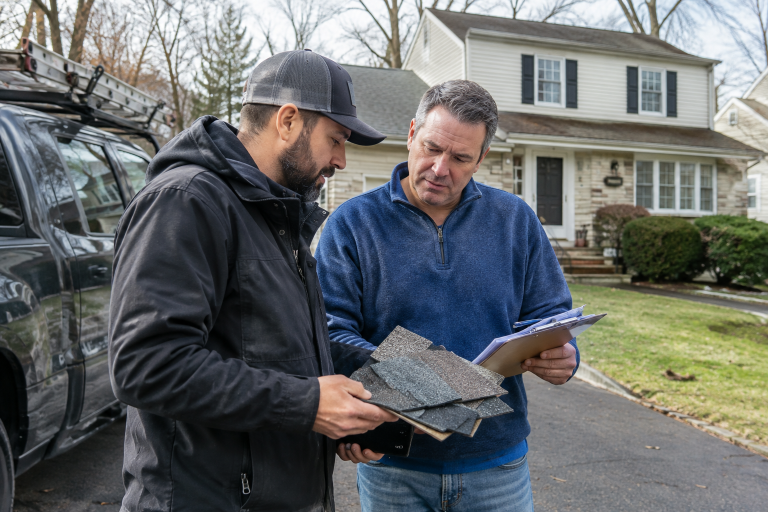
Confirm the anticipated start date, estimated duration, material delivery timing, and primary project contact. Roofing schedules can change because of weather or conditions discovered after the existing roof is removed, so ask how updates will be communicated.
- Save the project manager’s phone number.
- Ask where materials, equipment, and debris containers will be placed.
- Confirm whether gates, garages, sheds, or outdoor outlets must remain accessible.
- Plan for remote work, naps, appointments, or quiet activities.
Review the Project Scope
Read the written estimate before work begins and ask for clarification where needed. It should identify the roofing material, color, underlayment, flashing, ventilation components, cleanup expectations, payment terms, and warranty information. Also ask how the contractor handles hidden deck damage. The agreement should explain how additional work will be documented and approved if deteriorated wood or another unforeseen issue is found after tear-off.
Clear the Property and Work Zone
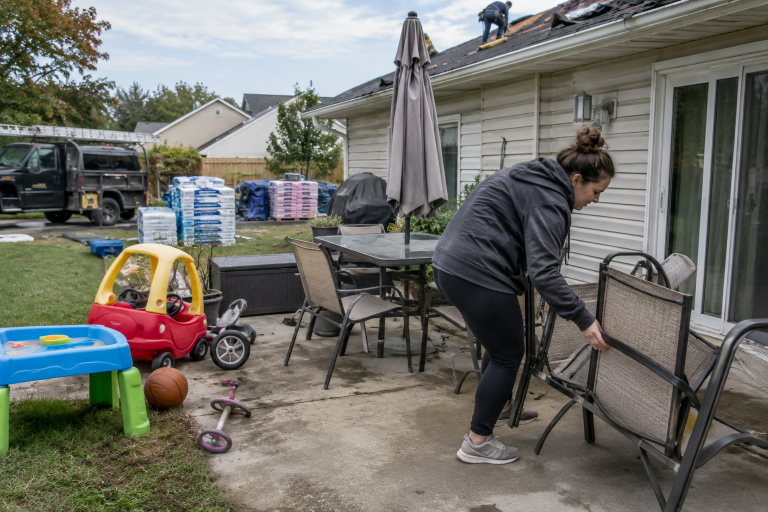
Make room around the home before the crew arrives. Move cars away from the house and out of the driveway if it is needed for deliveries or a dumpster. Keep garage doors closed during tear-off to limit dust and small debris entering the space.
- Relocate grills, patio furniture, toys, planters, and decorations.
- Clear walkways and unlock any gates the crew needs to use.
- Point out delicate landscaping, irrigation heads, or outdoor fixtures.
- Trim branches that block safe roof access, if appropriate.
- Ask which outdoor items the crew will move and which remain your responsibility.
Protect the Attic and Interior
Tear-off, hammering, and movement across the roof can cause vibration and dust in attic areas. Cover stored items with drop cloths or plastic sheeting, and move valuables or fragile possessions elsewhere when possible. Leave attic access clear if an inspection is needed. Inside rooms below the roof, remove loose wall art, glass décor, and delicate shelf items. Roof work is also a good time to ask how existing vents and roof penetrations will be handled. The Department of Energy’s guidance on installing roof vents underscores the importance of carefully placing exterior roof penetrations.
Plan for Family, Pets, and Routines
A roofing project creates a temporary work zone with ladders, tools, cords, loading activity, and falling-material hazards. Children should understand that they cannot play near the house or approach workers, even during a break.
- Arrange a quiet indoor room, daycare, or off-site care for pets.
- Keep dogs and cats away from open gates and driveway activity.
- Close windows if noise or dust becomes disruptive.
- Plan calls, schoolwork, and work-from-home tasks around the loudest parts of the day.
What to Expect on Installation Day
The sequence varies, but many projects begin with a review of access points and property protection. Crews then stage materials, remove existing roofing, inspect the deck, install new components, collect debris, and complete a cleanup review. Do not climb onto the roof to inspect progress. Roofing involves serious fall hazards, and fall-prevention guidance for roof work emphasizes planning, suitable equipment, and trained workers. Direct questions to the project lead from a safe location on the ground.
Prepare for Weather Delays
Rain, high winds, wet surfaces, and other unsafe conditions can change the schedule. Delaying work is preferable to rushing installation when conditions do not support safe, reliable work.
Before the project starts, ask how an open roof will be protected, which conditions will stop work, who will provide schedule updates, and what to do if you notice water entering the home.
Complete the Final Walkthrough
After completion, inspect the property from the ground with the project lead. Look for leftover materials, visible exterior damage, debris in landscaping, blocked vents, and items that were moved but not returned.
- Check driveways, walkways, gutters, and downspouts.
- Ask whether a magnetic nail sweep was completed.
- Confirm permit and inspection status, when applicable.
- Collect warranty documents, care instructions, and final invoices.
Questions to Ask Before Work Begins
- What does the written estimate include and exclude?
- Who handles permits and inspections?
- How are hidden repairs documented and approved?
- What is the weather-delay and temporary-protection plan?
- How will siding, plants, windows, and outdoor fixtures be protected?
- Who should be contacted if a concern appears after completion?
Final Thoughts
Preparing for a roof replacement does not need to be complicated, especially when homeowners take time to organize the property and understand what to expect before work begins. Start by clearing driveways, walkways, and other access points so the roofing crew can move equipment and materials safely. Move vehicles away from the work area, secure outdoor furniture, and protect plants, patio items, and other belongings that could be affected by falling debris. It is also important to establish a safe plan for pets and children, keeping them away from ladders, tools, loose materials, and active construction areas throughout the project. Before installation begins, carefully review the project scope, estimated timeline, payment schedule, material selections, and cleanup responsibilities with the contractor. Maintain open communication during the replacement so you can receive updates, ask questions, and address unexpected concerns before they become larger problems. Because roofing work can create considerable noise, dust, and debris, planning around daily routines and arranging alternative parking or temporary accommodations when necessary can make the experience more comfortable. After installation, wait until the contractor confirms that the work area is safe before returning outdoor belongings or allowing normal activities nearby. Finally, save the contract, invoices, warranties, inspection records, and any maintenance recommendations in an organized location for future reference. With thoughtful preparation, clear expectations, and consistent communication, homeowners can reduce unnecessary disruptions, protect their belongings, and help ensure that the roof replacement proceeds as smoothly and safely as possible.