

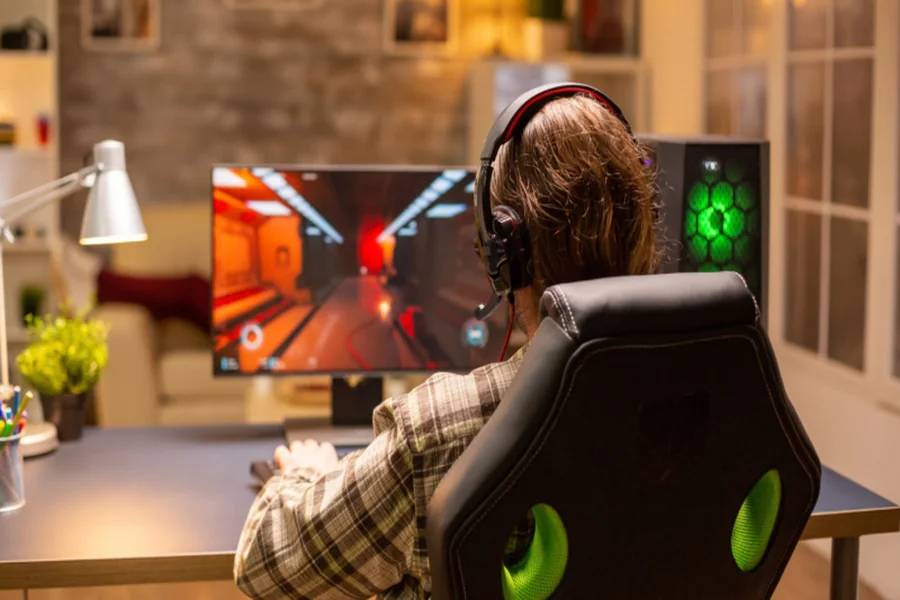
Online gaming has changed significantly over the past few years. Players now expect more than attractive graphics and exciting gameplay. They also want smooth performance and uninterrupted connections. Better internet connections are making this possible by reducing delays and improving communication between players and game servers. Whether someone enjoys competitive multiplayer games or casual mobile gaming, a reliable connection can make a noticeable difference.
The growing availability of high-speed broadband, fiber-optic networks, and advanced wireless technology is helping create better gaming experiences. Players can connect with friends across different countries and enjoy online matches with fewer interruptions. As internet technology continues to improve, online gaming is becoming faster, more accessible, and more enjoyable.
Faster Internet Speeds Are Creating Smoother Gameplay
Internet speed plays an important role in online gaming PG SLOT. Although many games do not require extremely high download speeds, a stable and fast connection helps players enjoy a more consistent experience. It allows game data to move between devices and servers without unnecessary delays.
Faster connections are particularly useful when downloading large games and installing updates. Modern video games often include high-resolution graphics, detailed environments, and additional downloadable content. These files can take considerable time to download with slower internet connections.
High-speed internet makes the process much quicker. Players can download new releases and updates without waiting for hours. It also helps households where several people use the same network. Someone can enjoy an online game while another family member streams videos or downloads files with fewer performance issues.
Lower Latency Improves Competitive Gaming
Speed is important, but latency is another major factor in online gaming. Latency refers to the time it takes for data to travel between a player’s device and the game server. It is usually measured in milliseconds and is commonly known as ping.
High latency can create noticeable delays during gameplay. For example, a player might press a button to shoot or move, but the action may appear on the screen later than expected. This can become frustrating in competitive games where every second matters.
Better internet connections help reduce these delays. Fiber-optic broadband and improved network infrastructure can provide lower and more consistent latency. As a result, players can react more quickly and enjoy smoother interactions.
This improvement is especially valuable in first-person shooters, racing games, fighting games, and other competitive genres. Even a small reduction in response time can make gameplay feel more responsive and give players a better opportunity to perform at their best.
Reliable Connections Reduce Lag and Disconnections
Few things are more frustrating than losing an important match because of an unstable internet connection. Unexpected disconnections and sudden lag can interrupt gameplay and affect the overall experience.
A reliable connection helps prevent these problems by maintaining consistent communication with game servers. It reduces the chances of sudden performance drops and makes multiplayer sessions more dependable.
Connection stability is particularly important for players who participate in tournaments or regularly compete with others online. A brief interruption can affect an entire match and create an unfair situation.
Modern routers and improved broadband services are helping address these challenges. Technologies such as Wi-Fi 6 and Wi-Fi 7 offer better wireless performance and improved network capacity when used with compatible devices. Players can also improve stability by using an Ethernet cable instead of relying entirely on wireless connectivity.
Choosing a suitable internet package and keeping network equipment updated can further improve the gaming experience.
Cloud Gaming Is Becoming More Practical
Cloud gaming is another area benefiting from better internet connections. Unlike traditional gaming, where most processing happens on a local computer or console, cloud gaming runs games on remote servers. The gameplay is streamed directly to the player’s device.
This technology allows people to enjoy demanding games without purchasing expensive gaming hardware. A compatible laptop, smartphone, tablet, or smart television may be enough to access certain cloud gaming services.
However, cloud gaming depends heavily on internet quality. The connection must transfer video and audio data continuously while sending player inputs back to the server. Slow speeds or high latency can cause blurry visuals, delayed controls, and interruptions.
Improved broadband infrastructure is making cloud gaming more practical for a wider audience. Faster networks allow services to deliver higher-quality streams with fewer interruptions. As internet coverage expands, more players may be able to enjoy advanced games without investing in powerful gaming systems.
Better Connectivity Makes Online Gaming More Social
Online gaming is no longer just about playing against computer-controlled opponents. It has become a social activity where people communicate, cooperate, and build friendships.
Reliable internet connections make it easier for players to participate in multiplayer matches with friends and other gaming communities. Voice chat and live communication can operate more smoothly when the network provides consistent performance.
This is particularly important for cooperative games that require teamwork. Players need to share information and coordinate their actions in real time. Connection problems can make communication difficult and affect the team’s performance.
Better connectivity also supports live streaming and gaming content creation. Players can broadcast their gameplay on platforms such as Twitch and YouTube while interacting with viewers. Faster upload speeds help maintain better streaming quality and reduce buffering.
As a result, online gaming is developing into a larger entertainment and community experience.
Final Thought
Better internet connections are transforming online gaming in several important ways. Faster speeds make downloads easier while lower latency improves responsiveness. Reliable networks reduce interruptions and create better multiplayer experiences. Improved connectivity is also helping cloud gaming and live streaming reach more people.
However, internet speed alone does not guarantee excellent performance. Players should also consider latency, upload speed, network stability, and suitable equipment. A balanced connection can make a significant difference.
As broadband infrastructure and wireless technology continue to advance, online gaming will become even more accessible and enjoyable. Players can expect smoother matches, better communication, and new ways to experience their favorite games.