
Introduction
The Thar – the Great Indian Desert is a vast living Environment of dunes, scrub, salt pans, and ancient towns, which covers western India into Pakistan. With briefs, seasonal tips, wildlife overviews (including the Great Indian Bustard), hassle-free travel arrangements, and 1-, 3-, and 7-day itineraries ready to go, itineraries can be analyzed to create an unforgettable, responsible visit.
- Quick facts
- Overview: What the Thar is like
- Geography & climate
- Where is the Thar?
- Why area numbers vary
- Climate: seasons at a glance
- Plants & animals — wildlife you can see
- Plants (flora) — key species and functional groups
- Animals (fauna) — notable species and observation likelihood
- Culture, towns, and history
- Key towns
- Culture & festivals
- Planning your trip — logistics & safety
- Getting there
- Local transport
- Money and safety
- Health & packing checklist
- Where to go: must-see places and activities
- Must-see places
- Activities
- Copy-paste Itineraries
- 1-day Thar Desert snapshot
- 3-day Thar Desert short break
- 7-day deep desert & culture loop
- Responsible travel: do’s & don’ts
- Do
- Don’t
- Conservation: helping the Great Indian Bustard and other wildlife
- Conservation mechanisms and local action
- How travelers can help
- FAQs
- Conclusion
Quick facts
- Name: Thar Desert (a.k.a. the Great Indian Desert)
- Boundary area: c. 200,000-264,000 km2 (estimates depend on the definition of the boundaries)
- Indian states: Majority: Rajasthan, with marginalities in Gujarat, Haryana, and Punjab.
- Large travel gateways: Jaipur, Jodhpur, Jaisalmer.
- Notable conserved space: Desert National Park (Rajasthan)
- Peak season: November-February (chilly during the day, fresh in the nighttime)
Overview: What the Thar is like
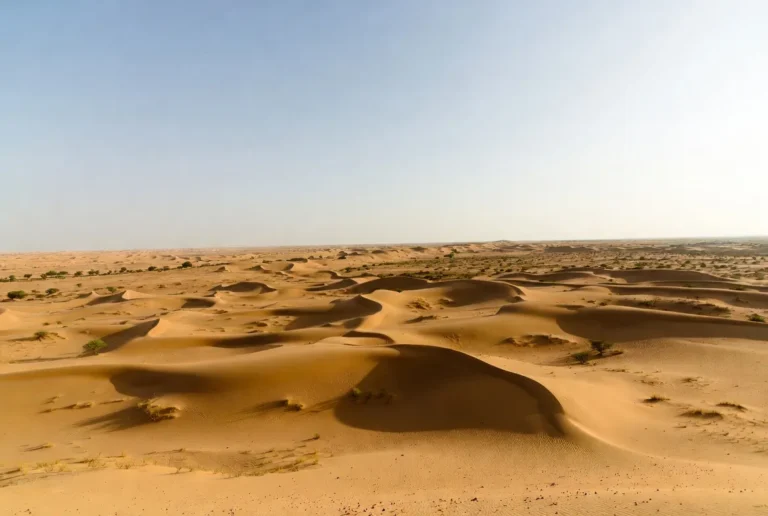
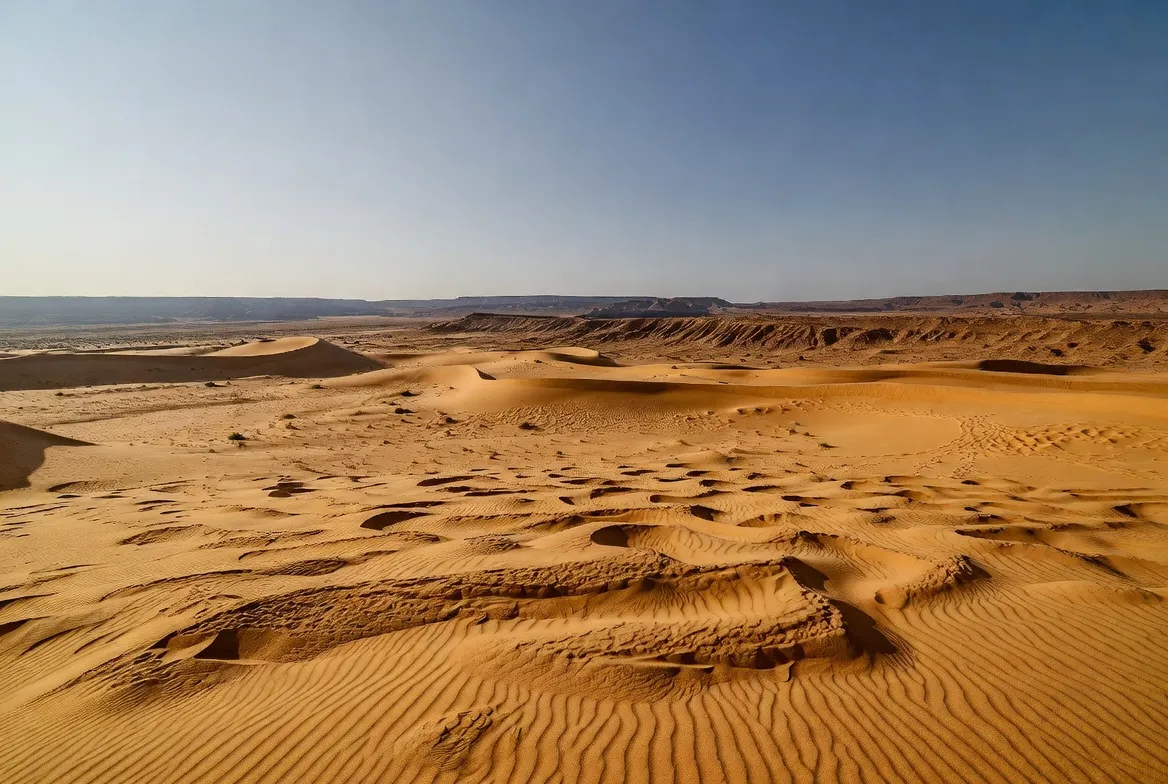
The Thar is not a homogeneous sand-sea, but a heterogeneous landscape. It is a mixture of aeolian ridges (dunes), interdunal plains with xeric grasses, saline pans, and stony outcrops. The geomorphology of the area enables a wide range of microhabitats: mobile dunes (erg), stabilized dunes with thorny scrub, short-grass steppe in interdunal depressions, and small areas with irrigated agriculture where the groundwater or seasonal runoff can support agricultural activity.
Human adaptation: They have traditionally relied on pastoralism, which is resilient to droughts, and have employed rainwater harvesting and the masonry of local stones and sandstones. The desert does not have a vacuum, but it has the culture lived in, music, craft, dress, and oral tradition. That people aspect is a significant search purpose of the culturally oriented travelers and ethnographers.
Geography & climate
Where is the Thar?
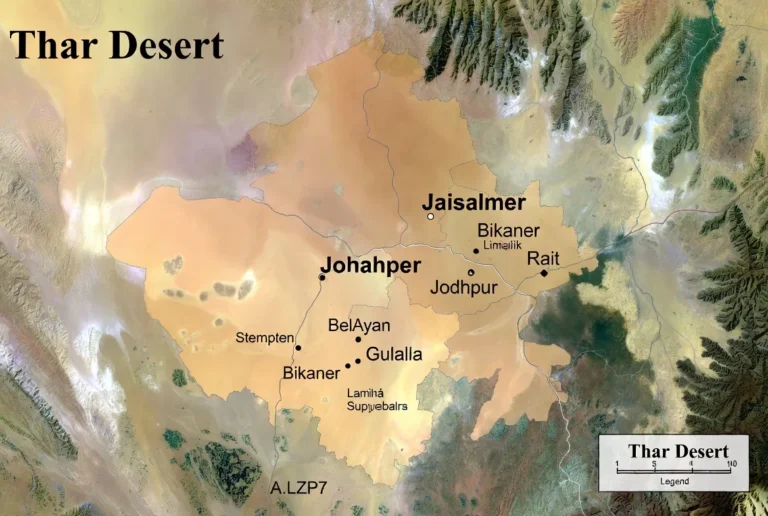
The Thar is geographically situated in northwest India and spills into eastern Pakistan. On the southeast is the Aravalli Range, and to the southwest is the Rann of Kutch that surrounds the desert. Variance in area figures due to administrative overlap and physiographic boundaries, some spatial data sets contain semi-arid scrublands and peri-desert areas, which give large area estimates.
Why area numbers vary
Boundary definitions depend on the dataset and classification criteria. Some counts are restricted to sandy erg systems; others include semi-arid steppe and anthropogenic zones — hence the range ~200,000–264,000 km². When preparing content for travel audiences, annotate both figures and provide the source provenance (e.g., geological survey, conservation maps) when possible.
Climate: seasons at a glance
- Cool season (Nov–Feb): Optimal visitation window. Days are comfortable, nights can be chilly; ideal for camping and stargazing.
- Shoulder months (Oct & Mar): Mild temperatures, lower visitor density. Good for photography and sightseeing.
- Hot season (Apr–Jun): High thermal stress; daytime maxima often 40–45°C or higher. Not recommended for extensive daytime fieldwork.
- Monsoon (Jul–Sep): Periodic rainfall that can green the landscape but may also make tracks slippery and rural roads less accessible.
Practical tip: Use a layered clothing strategy: light, breathable fabrics for daytime and insulating layers for night. For automated itinerary generation, tag activities by season — e.g., “stargazing: Nov–Feb”, “monsoon birding: Jul–Sep”.
Plants & animals — wildlife you can see
Despite aridity, the Thar supports a surprisingly robust set of biota. Species here are adapted for thermal extremes, fluctuating water availability, and patchy forage.
Plants (flora) — key species and functional groups
- Khejri (Prosopis cineraria): Keystone, nitrogen-fixing tree crucial for livestock and local livelihoods.
- Babul (Acacia spp.): Multipurpose thorn tree used for fodder and fuel.
- Halophytes: Salt-tolerant plants near saline pans (e.g., around Sambhar).
- Drought-adapted grasses and shrubs: Stabilize dunes and provide forage in interdune areas.
Plant community types functionally structure animal Availability and microclimate. For NLP labeling, mention taxonomy and ecosystem services — e.g., “Khejri — keystone provider, fodder, shade”.
Animals (fauna) — notable species and observation likelihood
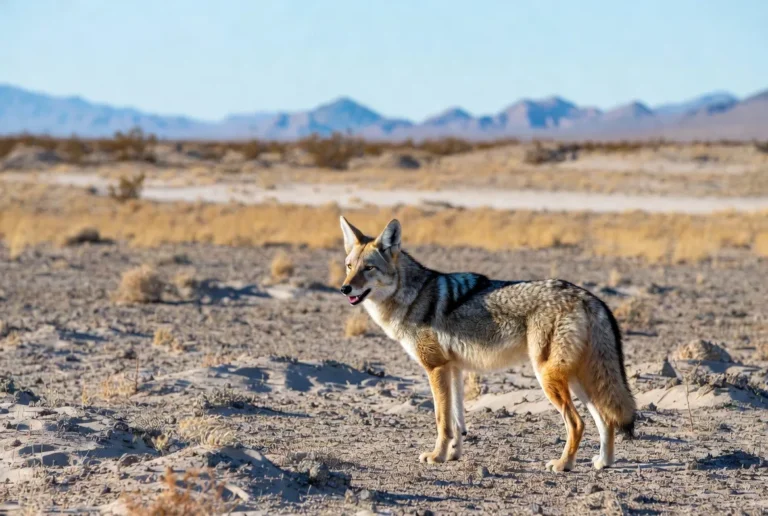
- Mammals: Chinkara (Indian gazelle), desert fox species, and occasional blackbuck in protected patches.
- Birds: Sandgrouse, pipits, larks, raptors, and the high-profile Great Indian Bustard (GIB) — a flagship species for steppe conservation.
- Reptiles & invertebrates: Varied lizards, small snakes, scorpions, and specialized beetles adapted to shifting sands.
Observation notes: Many species are crepuscular or nocturnal to avoid daytime heat; early mornings and late afternoons are best for wildlife observation. The GIB is highly range-sensitive, and sightings are rare; respectful, low-disturbance protocols are mandatory in protected zones.
Culture, towns, and history
The Thar’s human geography is a tapestry of medieval forts, caravan towns, agrarian villages, and pastoral settlements. Towns acted historically as nodes on trade corridors; forts overlooked routes and protected caravans and salt traders.
Key towns
- Jaisalmer: The “Golden City” — known for its sandstone fort (a living fort with people inside), ornate havelis (merchant houses), and proximity to the Sam and Khuri dunes.
- Jodhpur: A major transit and cultural hub; Mehrangarh Fort and bustling bazaars make it a common itinerary anchor.
- Bikaner: Renowned for Junagarh Fort and a historic camel research and breeding legacy.
- Barmer, Phalodi: Smaller but culturally rich towns known for crafts, textiles, and folk music.
Culture & festivals
Desert music, puppetry (Kathputli), folk dances, and seasonal fairs (camel melas and cattle fairs) create significant cultural experiences. For semantic mapping, tag festivals by month/season when publishing (e.g., “Camel Fair — January (approx.)” depending on current schedules).
Travel tip: Always request permission before photographing individuals; local customs favor modest attire, especially in rural and conservative pockets.
Planning your trip — logistics & safety
This section translates into practical operational metadata for travelers: transport nodes, local mobility, health and packing checklists, and risk-reduction measures.
Getting there
- By air: Jaipur and Jodhpur are the primary airports with frequent connections. Jaisalmer has a regional airport with fewer flights — check schedules.
- By train: Strong rail connectivity exists to Jodhpur, Bikaner, and Jaisalmer from major urban centers. Book in advance for festive periods.
- By road: Long-distance coaches and private car hires are common. Inter-city highways are generally in good condition; rural tracks may be rough.
Local transport
- Taxis/Private cars: Most convenient for inter-city travel. Contract drivers who understand desert tracks.
- Jeep safaris: Standard for dune and remote-area access. Use experienced local operators.
- Camel rides: Offered at Sam, Khur, i and other dune sites; choose welfare-minded providers (look for reasonable working hours and rested animals).
Money and safety
- Carry a mix of cash and digital payments — remote villages may be cash-oriented.
- Share your route with contacts when driving long inter-dune stretches.
- Avoid remote driving at night; visibility and navigational risks increase.
- Bring a basic first-aid kit and any prescription medications.
Health & packing checklist
Essential items: broad-brim hat, UV sunglasses, high-SPF sunscreen, reusable water bottle, insulating layer for nights, sturdy closed shoes, headlamp or torch, portable power bank, electrolyte packets. For hot-season travel, prioritize hydration schedules and avoid strenuous midday activity.
Where to go: must-see places and activities
Below is a taxonomy of points of interest (POIs) and associated experience types.
Must-see places
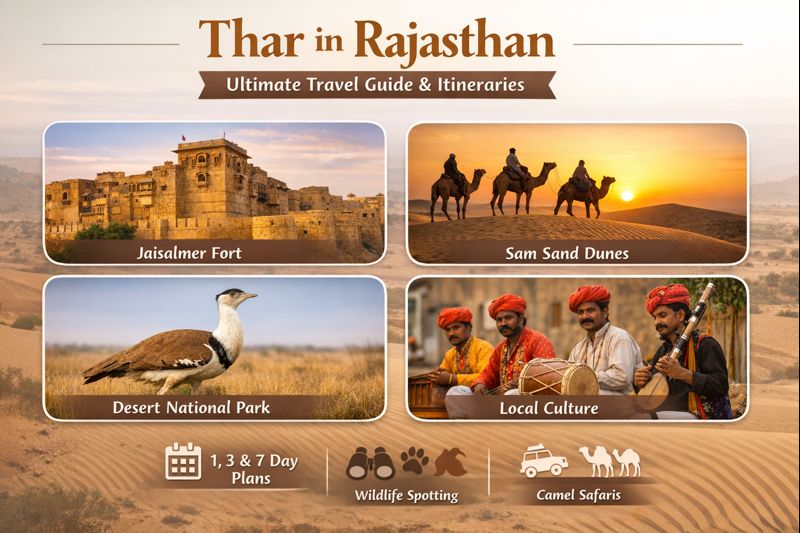
- Jaisalmer Fort & Old City: Architectural and photographic highlight; rooftop vistas for sunset panoramas.
- Sam & Khuri Dunes: Classic dune scapes offering camel treks, jeep routes, and camp stays.
- Desert National Park: Priority conservation area for steppe fauna; significant for GIB habitat and steppe birding.
- Bikaner & Junagarh Fort: Historical architecture and desert frontier culture.
- Sambhar Salt Lake: Large inland saline lake — important for migratory waterbirds and unique landscapes.
Activities
- Camel safaris: Typically 1–2 hours to multi-day treks; evaluate welfare and conditions.
- Jeep safaris: Cover more terrain — good for sunrise/sunset dune photography and remote hamlet visits.
- Birdwatching: Pre-dawn surveys in protected grasslands increase observation likelihood.
- Cultural evenings: Folk music and dance at camps provide living-culture immersion.
- Sandboarding & photography: Best in permitted, non-sensitive dunes; prioritize safety and avoid protected habitats.
Environmental note: Stay on marked tracks within protected areas and avoid off-trail activities that could cause habitat damage.
Copy-paste Itineraries
These itineraries are modular and can be embedded directly into a content management system. Each segment includes travel time expectations and simple tips. The language is written to be machine-friendly (clear verbs, time markers) and human-friendly.
1-day Thar Desert snapshot
Morning: Arrive in Jaisalmer. Take a walking tour inside Jaisalmer Fort and visit a haveli museum. Rooftop cafés provide panoramic photo angles.
Afternoon: Drive out to Sam Dunes (approx. 40–50 km; 1–1.5 hours depending on route). Opt for a short camel ride or a light jeep loop to nearby sand views and sunset vantage points.
Sunset: Capture the light on dunes; photographers often schedule a golden-hour session.
Evening: Overnight at a certified desert camp with live folk music and locally sourced dinner.
Notes: Ideal for layover travelers or those with limited time. Confirm camp sustainability credentials when booking.
3-day Thar Desert short break
Day 1 — Jaisalmer: Arrive; tour Jaisalmer Fort, Gadisar Lake, dinner with Rajasthani specialities.
Day 2 — Sam & Khuri: Transfer to Sam/Khuri. Dune activities include camel or jeep safari, a village visit (optional Kuldhara ruins), and an overnight camp beneath stars.
Day 3 — Desert National Park (optional): Early morning wildlife drive into Desert National Park if permits and guides are available; late afternoon return to Jaisalmer or onward transfer to Jodhpur.
Notes: Reserve Desert National Park permits and an experienced naturalist ahead of travel for the best wildlife outcomes.
7-day deep desert & culture loop
1–2 — Jodhpur: Arrive in Jodhpur; visit Mehrangarh Fort, Jaswant Thada, and local spice bazaars.
3–4 — Jaisalmer: Travel to Jaisalmer; explore the fort, ornaments, and havelis; head to Sam dunes for an overnight desert experience.
5 — Bikaner: Visit Junagarh Fort and the Camel Research & Breeding Centre.
6 — Barmer/Phalodi: Immerse in handicraft villages, consider a homestay, attend folk music or local workshops.
7 — Return: Make the return leg to Jaipur or Jodhpur for railway/flight connections.
Notes: Spread driving across daylight hours and plan buffer time for road conditions. Night driving in rural sandy tracks is discouraged.
Responsible travel: do’s & don’ts
Responsible travel preserves both biodiversity and culture. The following lists are concise, actionable, and suitable for checklist UI implementation.
Do
- Hire local guides and pay fair wages.
- Stay on designated tracks in protected areas; do not create new trails.
- Use refillable water bottles and avoid single-use plastics.
- Choose camps and operators that adhere to animal welfare and environmental standards.
Don’t
- Support operators who mistreat working animals or overwork them.
- Litter or abandon non-biodegradable waste; carry out what you bring in.
- Camp in undesignated areas that could harm habitat or nesting sites.
Decision heuristic: If an activity or operator looks unusually cheap due to cost-cutting on welfare or the environment, choose an alternative.
Conservation: helping the Great Indian Bustard and other wildlife
The Great Indian Bustard (GIB) is a flagship species for steppe conservation. It requires large, undisturbed plains with low human disturbance and minimal vertical infrastructure (e.g., uninsulated powerlines), and its decline is primarily driven by habitat loss, collision mortality with energy infrastructure, and disturbance.
Conservation mechanisms and local action
- Protected areas: Desert National Park and peripheral grasslands act as critical refuges.
- Captive breeding and release: Ex-situ programs complement in-situ habitat protection.
- Community involvement: Incentives and participatory conservation help shift grazing and land-use behaviors that benefit steppe habitats.
How travelers can help
- Directly support NGOs and community groups working on steppe restoration.
- Choose tours that allocate a share of revenue to conservation.
- Maintain distance from potential nesting areas; follow guide instructions to minimize disturbance.
Small choices matter: Responsible visitors reduce cumulative stressors on sensitive species.
FAQs
A: The Thar Desert, also called the Great Indian Desert.
A: November–February — cool days and cold nights.
A: Yes. Camel safaris are common around Sam and Khuri. Pick operators that treat camels well.
A: Yes, with normal precautions: stay hydrated, avoid midday heat in summer, and do not drive remote tracks at night.
A: The Desert National Park and nearby grasslands are important spots for GIB habitat, though sightings are rare and unpredictable.
Conclusion
From Jaisalmer’s sandstone fortresses to the steppe habitats of the Desert National Park, the Thar offers both dramatic scenery and rich cultural encounters. Travel thoughtfully — pick ethical operators, protect fragile habitats, and support local conservation so the desert’s wildlife and communities can thrive for Generations.