
Introduction
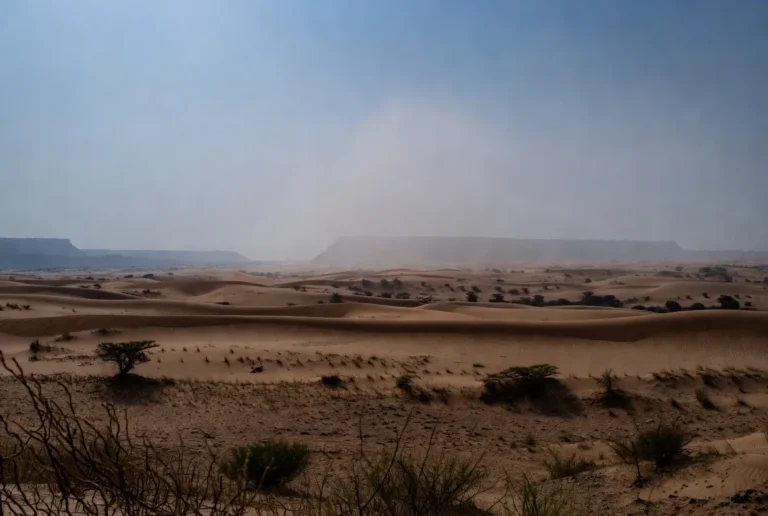
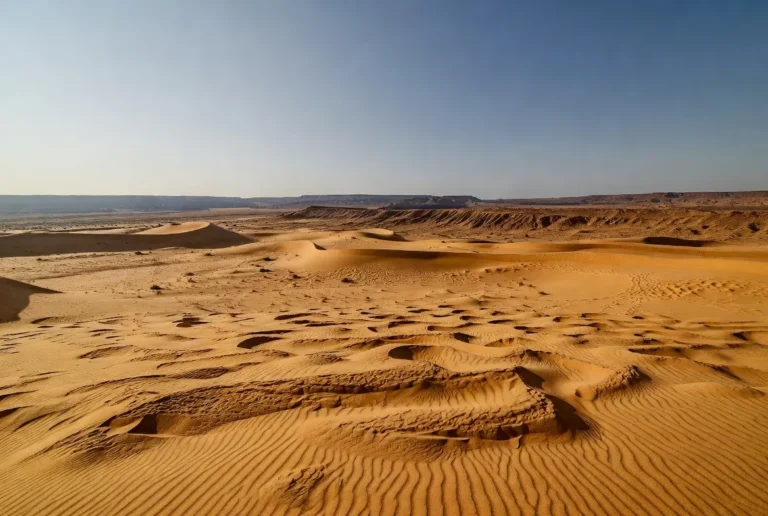
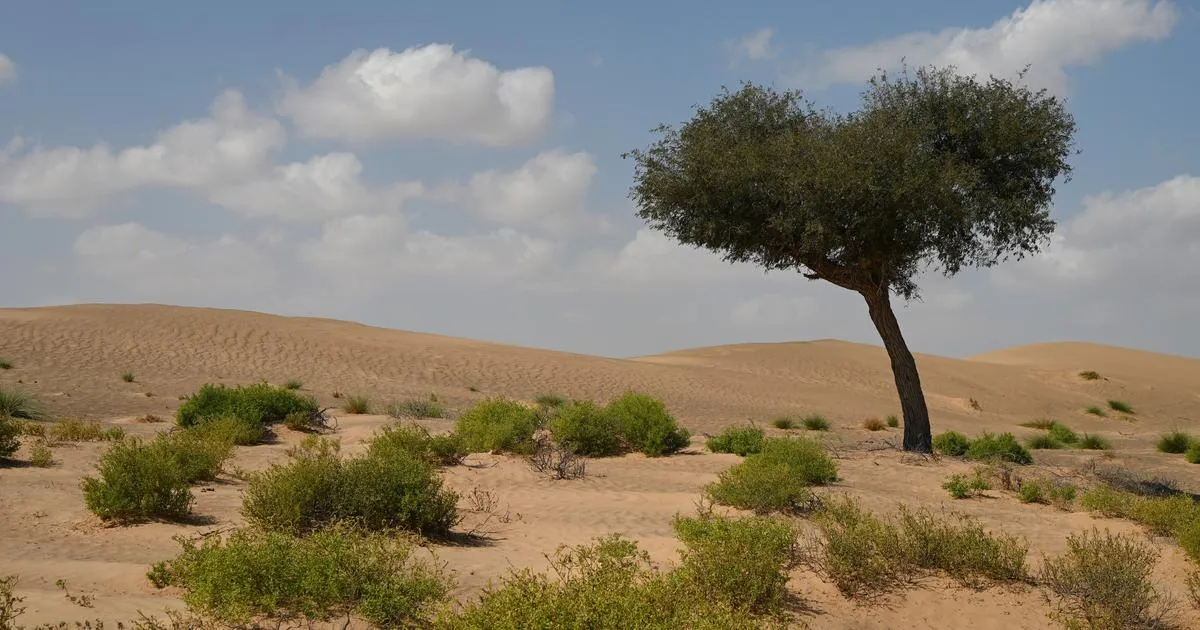
The Thar or the Great Indian Desert is a mosaic of carved dunes, vegetated dunes and rocky plains wherein the deep-rooted local cultures collide with thriving desert life. This is a brief guide that assists you in selecting the proper dune to visit (Sam, Khuri, Osian, Khimsar, or Desert National Park), what you might anticipate on the ground and useful tips on how to travel with less impact on the ground (that is, in a safer manner). Travel responsibly: pick operators responsibly, support the local people and leave the scenery as you discovered it.
- Location & geography
- Sam Sand Dunes
- Khuri Sand Dunes
- Osian
- Khimsar
- Desert National Park
- Climate & weather patterns
- Landscape features — dunes, rocks, flats
- Dune morphologies
- Other geomorphic features
- Flora
- Fauna
- Human history & local cultures
- Survival tips & common challenges
- Tourism: activities, how to choose & booking tips
- Top activities
- How to choose an operator
- Head-to-head: Sam vs Khuri vs Osian vs Khimsar
- Sample itineraries
- 1-day (from Jaisalmer) — quick sunset experience
- 2-day photographic — Khuri focus
- 4-day immersive — culture + ecology
- Pricing & practical table
- Responsible travel & environmental issues
- Key threats
- How travellers can help
- Survival & printable packing checklist
- Photography & star tips
- Editorial ideas & content upgrades to beat competitors
- Pros & Cons
- Pros
- Cons
- FAQs
- Conclusion
Location & geography
Most of the dunes that travellers visit sit inside or near Jaisalmer and Jodhpur districts, though dune-like habitats continue beyond these tourism hubs.
Sam Sand Dunes
Located about 40–45 km from Jaisalmer city, Sam is the best-known visitor dune system. It’s the principal hub for festivals, luxury and budget camp clusters, and easy transfers. Expect an infrastructure geared to tourists: shared pickups, photo setups, and staged cultural nights. Sam’s accessibility is its strength — and its crowding at peak season is its trade-off.
Khuri Sand Dunes
Khuri sits approximately 40-50 km away (depending on the route) and is a more peaceful alternative. The ridges are usually longer and smoother, and are conducive to the long camel rides and solitary pictures of the sunrise/sunset. Khuri is appealing to photographers and couples who enjoy low-light pollution and low levels of staged experiences.
Osian
Osian is even nearer to Jodhpur and is a mixture of desert landscapes and a set of ancient ruins and temples. It is a perfect decision to make when the traveller wants to combine both cultural visits (temple frescoes and ruins) and walks across the dunes nearby with camel rides.
Khimsar
Khimsar is a middle ground: dune experiences paired with historic fort-stays and quieter countryside. Fort-camp combinations (stay in a heritage property, then sleep in a tent) make it attractive for travellers seeking a mix of history and sand.
Desert National Park
DNP covers large swathes of dunes, interspersed with plains and rocky patches across thousands of square kilometres. It’s a Designated wildlife area that shelters species adapted to arid conditions. DNP is the right place to go for guided wildlife drives, seasonal birding, and a better chance of observing species such as chinkara, foxes, and the declining Great Indian Bustard (GIB) in historical ranges — though GIB sightings are now rare and require up-to-date guidance from conservation authorities.
Climate & weather patterns
- Best window: October to March — mild to pleasant days; nights can be cold (layers required).
- Hot season: April to June — extreme daytime heat; avoid strenuous mid-day activities.
- Monsoon: July to September — low rainfall overall, but when it comes, it can make tracks muddy and remote roads tricky.
- Photographer’s timing: sunrise and sunset — soft, oblique light that sculpts sand ridges; allow 30–45 minutes before golden hour to find composition.
Practical note: deserts have large diurnal temperature swings. Battery performance drops in cold nights; carry spares and insulating pouches for electronics.
Landscape features — dunes, rocks, flats
Dune morphologies
- Crescent (barchan): common and dramatic, crescent-shaped with gently sloping backs and steep slip faces.
- Star dunes: multi-armed and potentially tall; formed by variable wind directions.Stabilized dunes: colonized by vegetation (shrubs and grasses) that anchors them and reduces mobility.
Other geomorphic features
- Pediments and rocky plains: harder surfaces near dune edges provide contrast in photography.
- Salt flats & playas: occasionally, you’ll find light-coloured flats resembling mini-ranns that offer open, graphic compositions.
Photographer tip: look for ridgelines that catch side light; use leading lines (camel tracks, dune crests) and arrive early to scout.
Flora
Desert flora is specialized and resilient.
- Tecomella undulata (Rohida): small to medium trees valued locally.
- Prosopis juliflora: a hardy, invasive species; widespread and controversial because it crowds out native plants.
- Local grasses and shrubs: these form crusts that stabilize dunes and create microhabitats.
Why vegetation matters: plants trap and stabilize sand, reduce wind erosion, provide forage and shade, and form the backbone of desert ecosystems. Conserving native vegetation helps maintain dune shape and biodiversity.
Fauna
The Thar hides a surprising biodiversity despite harsh conditions.
- Mammals: chinkara (Indian gazelle), desert fox, desert hare, desert jird (a small rodent), and occasional wolves or jackals on fringes.
- Birds: numerous lark species, sandgrouse, raptors (kites and eagles), and historically the Great Indian Bustard — now critically endangered with very restricted distribution; DNP plays an important role in remaining habitats.
- Reptiles: spiny-tailed lizards (ugly but fascinating), monitor lizards, and various snakes adapted to sand.
- Invertebrates: scorpions, beetles, and nocturnal arthropods that animate the desert at night.
Wildlife tip: sightings are more reliable when accompanied by an experienced naturalist or park guide, especially within DNP.
Human history & local cultures
Communities such as the Bishnois and Rabaris preserve centuries-old traditions: sustainable pastoralism, distinctive textile crafts, and seasonal mobility. Villages are often social and artistic hubs — music, puppetry, and textiles figure heavily in local life. Responsible travel means asking permission before photography, purchasing crafts directly from makers, and choosing camps that fairly remunerate performers and employees.
Survival tips & common challenges
- Water: carry 2–3 litres for short outings; more for full-day treks. Dehydration is a real risk.
- Sun protection: SPF 50+ sunscreen, lip balm, a wide-brim hat, sunglasses, and lightweight long-sleeve clothes.
- Footwear: closed, sturdy shoes for dune walking; sand can get sharp and blistering.
- Nights: pack warm layers; desert nights are cold and often windy.
- Navigation: dunes shift over time; never rely solely on visual landmarks for remote travel — use local guides and GPS.
- Wildlife & animals: never feed or harass wildlife. Check camel welfare: look for well-kept saddles, signs of overwork, and handlers who prioritize animal health.
- Safety: Avoid solitary night walks; nocturnal animals and uneven terrain create hazards.
Tourism: activities, how to choose & booking tips
Top activities
- Camel safaris: slow-paced, classic desert experience — best for multi-day treks and low-impact travel if camels are managed well.
- Jeep safaris/dune bashing: thrilling, but choose licensed drivers who avoid fragile areas and have insurance. Avoid reckless off-trail driving.
- Overnight camps: range from shared-budget tents to high-end “glamping” Swiss tents. Verify sanitation and waste practices.
- Cultural nights: local music, dance, and food. Prefer camps that pay performers and artisans fairly.
- Photography tours: designed around golden hour and stars; often combined with vehicle support for gear.
- Desert National Park tours: guided drives focused on wildlife and plant communities.
How to choose an operator
- Check recent reviews and recent traveller photos (not only marketing imagery).
- Ask about water-use, waste management, and whether the camp employs locals.
- Confirm animal welfare practices (camels should be rested, fed, and have correct tack).
- For peak season (Oct–Mar), book in advance — camps fill early for festival weeks and holiday weekends.
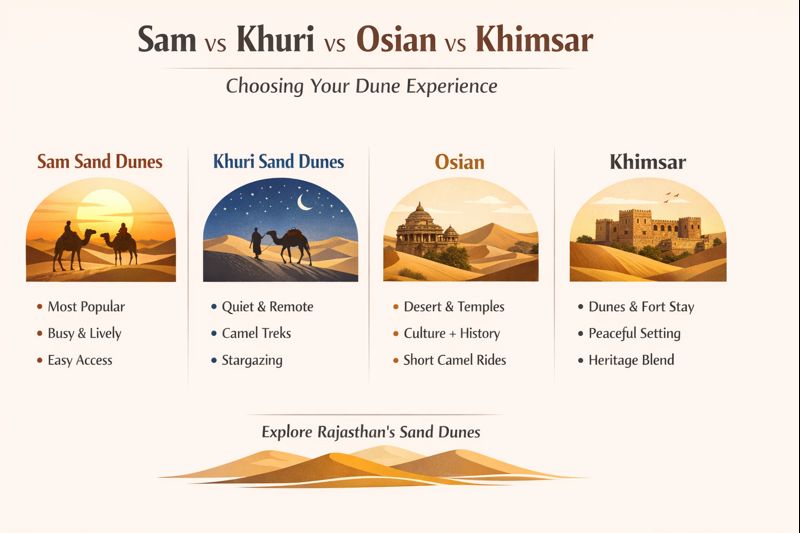
Head-to-head: Sam vs Khuri vs Osian vs Khimsar
| Feature / Use-case | Sam Sand Dunes | Khuri Sand Dunes | Osian | Khimsar |
| Distance from Jaisalmer/Jodhpur | ~40–45 km (best connected) | ~40–50 km; quieter | ~65 km from Jodhpur; temples + dunes | Dunes + fort stays; quieter than Sam |
| Best for | Infrastructure, camps, transfers | Solitude, multi-day camel treks | Temple + dune combo | Fort-camp experiences |
| Crowds | High (peak season) | Low–moderate | Low | Moderate |
| Wildlife & ecology | Limited immediate DNP overlap | Low | Good combined nature/culture | Mixed |
| Photography | Classic silhouettes & camp scenes | Solitary frames & deep dunes | Temple + dunes | Golden-hour fort/dune frames |
| Ideal traveler | First-timers, families | Photographers, couples, trekkers | Cultural travelers | Couples, history buffs |
Sample itineraries
1-day (from Jaisalmer) — quick sunset experience
- Morning/Afternoon: explore Jaisalmer Fort and the intricately carved havelis (Patwon Ki Haveli).
- Late afternoon: pickup to Sam; short dune walk and golden-hour photos.
- Evening: cultural show and dinner at a camp; return to Jaisalmer or stay overnight in a tent.
2-day photographic — Khuri focus
- Day 1: transfer to Khuri → sunset dunes → overnight eco-camp.
- Day 2: sunrise shoot → village portraits and local craft shops → return late afternoon.
4-day immersive — culture + ecology
- Day 1: Jaisalmer city and markets; photography at the fort at dusk.
- Day 2: guided Desert National Park drive for wildlife and birds with an expert naturalist.
- Day 3: Khuri overnight camel trek and camp (quiet dune night, stargazing).
- Day 4: Sam’s luxury camp experience and a relaxed departure.
Pricing & practical table
| Item | Budget (INR) | Mid (INR) | Luxury (INR) |
| One-way transfer Jaisalmer–Sam (shared) | 300–700 | 800–1500 | 1500+ |
| Overnight budget camp (pp) | 600–1200 | — | — |
| Comfort/Swiss tent (pp) | — | 1500–3500 | — |
| Luxury camp (pp) | — | — | 5000+ |
| Overnight camel trek | 1500–3500 | 3500–7000 | 7000+ |
Prices vary strongly by season, operator services, included meals and cultural performances.
Responsible travel & environmental issues
Key threats
- Illegal sand mining (“sand mafia”): uncontrolled extraction disrupts dune continuity, affects groundwater recharge zones, and damages ecosystems and riverbeds. Local media and civic actions have periodically highlighted these conflicts.
- Tourism pressure: camps without robust waste management create plastic and gray-water problems; water-intensive luxury practices strain local supplies.
- Habitat loss & infrastructure: new roads, poorly-sited powerlines, and unregulated vehicle tracks can fragment habitats for species like the GIB.
How travellers can help
- Choose camps that document water-saving strategies and recycling.
- Avoid off-trail driving and dune-impacting activities.
- Support verified conservation NGOs and local community initiatives.
- Prefer tours that hire and pay local guides and artisans.
- Check animal welfare for camel treks and decline operators that rely on poor animal treatment.
Policy context note: State policies such as promoting manufactured sand (M-sand) are steps to reduce pressure on natural sand sources. These policies change; consult official Rajasthan government releases for the current status before making formal claims.
Survival & printable packing checklist
Documents — ID, print or digital bookings, permits if visiting protected areas.
Clothing — breathable daytime layers, warm jacket and thermals for night, scarf/dupattā for wind and sand, wide-brim hat.
Footwear — closed walking shoes (supportive), plus sandals for camp.
Health & safety — SPF 50+, lip balm, first-aid kit, ORS/rehydration salts.
Electronics — camera, extra batteries, power bank (keep warm at night), headlamp with red-light option for star preservation.
Money — small-denomination cash for tips; card machines may not work in remote camps.
Extras — binoculars, reusable water bottle, insect repellent, lightweight dry-bag for camera gear.
Photography & star tips
- Golden hour: arrive 30–45 minutes early; scout for ridgelines and interesting foreground elements (shrubs, camel prints, people).
- Composition: leading lines — dune crests or footprints — guide the eye. Use negative space for minimalist compositions.
- Gear: bring spare batteries and a compact tripod for low-light work. Cold nights and long exposures reduce battery life.
- Stars: pick a dark spot away from camp lighting. Use a wide aperture (low f-number), long exposure, and high ISO — or stack multiple exposures for star trails. A headlamp with a red filter keeps your and others’ night vision intact.
Editorial ideas & content upgrades to beat competitors
- Local micro-stories: short 200–300-word spotlights of a Khuri potter, a DNP ranger, or a camp owner who uses solar power. These humanize and localize your guide.
- Interactive map: a dune-by-dune selector that recommends “best for” based on traveller goals (photography, solitude, wildlife, family).
- Downloadable assets: printable itinerary & packing checklist PDF (useful for email capture).
- FAQ JSON-LD for SEO: include a tested FAQ schema block so search engines can return rich results.
- Live conservation feed: small widget linking to DNP notices or local sand-mining updates when available.
Pros & Cons
Pros
- Dramatic, photogenic landscapes and unique cultural experiences.
- Wide range of experiences: camel treks, jeep safaris, cultural nights, stargazing.
- Reasonably straightforward logistics from Jaisalmer with many provider choices.
Cons
- Peak-season crowding at Sam reduces solitude.
- Environmental threats: illegal sand mining and habitat pressure.
- Cold nights and dangerously hot mid-days in shoulder months.
FAQs
A: Yes — Sam is reachable by road from Jaisalmer. Many camps offer pickups and shared transfers.
A: Khuri is usually quieter than Sam. It is a better option for overnight camel treks and low-crowd photography.
A: Not all dunes are inside protected areas. Desert National Park contains large dune tracts that are protected. Many tourist dunes are outside formal park boundaries. Always follow park rules in protected areas.
A: Yes — dunes and nearby scrublands support animals like chinkara and desert fox. DNP is the best place to see wildlife with a guide.
A: October–March. Days are pleasant and nights are cold—bring layers.
Conclusion
The dunes of Rajasthan provide everything: the bustling, well-stocked camping stations or silent photo-perfect ridges and the wildlife reserve. All it takes is the decision to choose between comfort, seclusion and nature. Act wisely, respect ethical landmarks and conservation, and your visit to the desert can be a memorable and advantageous Experience for the communities and ecosystems upon which the Thar depends.