
- Key Takeaways
- Table Of Contents
- 1. Start With Real Life, Not A Fixed Clothing List
- 2. Complete A Simple Wardrobe Audit
- 3. Choose Core Pieces That Work Together
- 4. Use Fit And Fabric As Buying Filters
- 5. Build Easy Outfit Formulas
- 6. Plan For Weather And Seasonal Changes
- 7. Protect The Value Of Each Garment
- 8. Avoid Common Capsule Wardrobe Mistakes
- 9. Use A Final Seven-Day Test
- Conclusion
Key Takeaways
- A practical capsule wardrobe should reflect your schedule, climate, comfort preferences, and regular dress codes.
- Versatile fit, dependable fabrics, and repeatable outfit combinations matter more than a strict item count.
- Start by assessing what you already wear before buying anything new.
- Use neutral foundations, then add a few colors or textures that make the wardrobe feel personal.
- Care, repairs, and thoughtful seasonal rotation help useful clothes stay in service longer.
Table Of Contents
- Start With Real Life, Not A Fixed Clothing List
- Complete A Simple Wardrobe Audit
- Choose Core Pieces That Work Together
- Use Fit And Fabric As Buying Filters
- Build Easy Outfit Formulas
- Plan For Weather And Seasonal Changes
- Protect The Value Of Each Garment
- Avoid Common Capsule Wardrobe Mistakes
- Use A Final Seven-Day Test
- Conclusion
1. Start With Real Life, Not A Fixed Clothing List
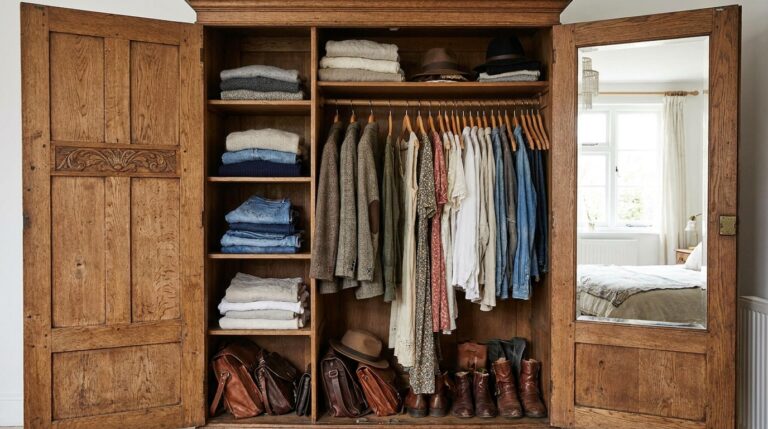
A capsule wardrobe is not a contest to own the fewest possible clothes. It is a smaller, coordinated group of garments that makes getting dressed easier for the life you actually live. A remote worker may need comfortable layers for video calls, while a commuter may need office-ready clothing, weather protection, and shoes suitable for walking. Parents, travelers, and people who work outdoors will have different priorities, too.
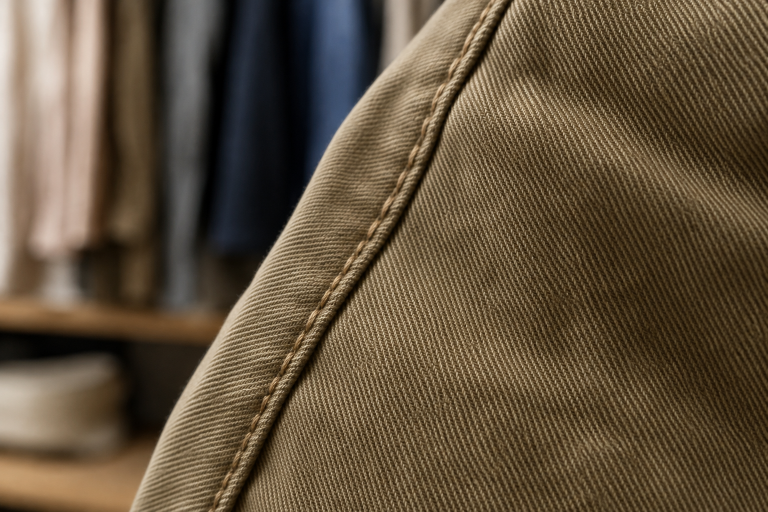
Begin with the situations that fill most of your week: work, errands, social plans, travel, exercise, and downtime. For a trouser foundation that can support several of those settings, relaxed fit khakis from Bills Khakis offer a relevant example. Bills Khakis is an American-made casual menswear brand, and its M1 collection focuses on relaxed-fit twill trousers, including plain-front and pleated options, for customers building durable everyday wardrobes across the United States.
The basic idea behind a capsule wardrobe is coordination, not uniformity. The most useful pieces can be worn more than one way, with different shirts, shoes, and layers. That flexibility gives each garment a clearer role and reduces the chance that an item sits unused because it only works for one occasion.
2. Complete A Simple Wardrobe Audit
Before shopping, take stock of what is already in your closet. Pull out clothing by category, then sort it into three simple groups: items you wear often, items you are unsure about, and items that need tailoring, repair, donation, or resale. Be honest about fit and comfort. Clothing that pinches, pulls, requires constant adjustment, or no longer suits your routine does not need to stay in the active rotation.
- Notice the colors, cuts, and fabrics you reach for most.
- Set aside duplicate items that serve exactly the same purpose.
- Identify real gaps, such as a rain-ready layer or a smarter pair of shoes.
- Write the gaps down before browsing so purchases solve a specific need.
3. Choose Core Pieces That Work Together
There is no universal shopping list, but most practical wardrobes benefit from a few dependable categories. Aim for pieces that can be combined without much effort rather than buying several highly specific outfits.
- Bottoms: Include a casual option, a more polished option, and a seasonal alternative.
- Tops: Use T-shirts, button-downs, polos, and lightweight knits that work with more than one bottom.
- Layers: Consider an overshirt, cardigan, chore coat, blazer, or light jacket.
- Shoes: Keep a clean casual pair, a smarter pair, and footwear appropriate for wet or cold conditions.
- Accessories: Add a belt, bag, watch, scarf, or hat only when it supports regular outfits.
Bottoms deserve extra attention because they anchor the outfit. One pair of trousers can feel casual with a T-shirt and sneakers, then look sharper with an Oxford shirt, leather shoes, and a structured layer.
4. Use Fit And Fabric As Buying Filters
Good fit does not have to mean a close fit. Check the shoulders on shirts and jackets, the sleeve length, and whether the body pulls across the chest or back. For trousers, consider the rise, seat, thigh room, leg shape, and length. Sit down, walk, bend, and reach before deciding. A garment should allow normal movement while still looking intentional.
Fabric also determines how often an item will be useful. Cotton and linen are common warm-weather choices, while wool, denim, and corduroy can add warmth and texture in cooler conditions. Blends may offer easier care or stretch, but the best choice depends on how you plan to wear and maintain the garment. Match fabric weight to your climate rather than relying on appearance alone.
5. Build Easy Outfit Formulas
Outfit formulas reduce decision fatigue without forcing you into a daily uniform. Think of them as reliable starting points that can change with color, texture, and weather.
- Casual day: T-shirt, relaxed trousers, and clean sneakers.
- Smart-casual office: Oxford shirt, versatile trousers, loafers, and an unstructured jacket.
- Weekend dinner: Knit polo, neutral trousers, leather shoes, and a light overshirt.
- Travel day: Breathable shirt, comfortable pants, walking shoes, and a layer for changing temperatures.
Small changes can shift the tone of the same base outfit. Swap sneakers for loafers, add a belt that coordinates with the shoes, tuck in a shirt, or choose a more structured jacket. These details give a compact wardrobe more range without requiring more clothing.
6. Plan For Weather And Seasonal Changes
A year-round capsule does not require replacing everything when the season changes. Keep the foundation steady, then rotate a limited number of weather-specific pieces. Lighter cotton and linen can handle warmer months. Overshirts and lightweight knits help during transitional weather. Wool, corduroy, denim, and warmer outerwear become more useful when temperatures fall.
Store only true off-season items so the active closet stays easy to see. Buying less, maintaining what you own, and repairing wearable clothing can also reduce unnecessary replacement. The practice of repairing worn items before disposal is a sensible reminder that a loose button or small hem issue does not automatically make a garment unusable.
7. Protect The Value Of Each Garment
Care affects how long clothing remains presentable and comfortable. Read the care label, sort laundry thoughtfully, and address stains or small repairs early. Wash dark or richly colored pieces with similar colors, turn garments inside out when appropriate to reduce surface wear, and avoid using more dryer heat than the label recommends. Fold heavy knits to help them keep their shape, and hang jackets and trousers where they can air out between wears.
8. Avoid Common Capsule Wardrobe Mistakes
- Copying another person’s list without considering your own work, weather, or preferences.
- Buying only neutrals and leaving out the colors or textures that make outfits feel like yours.
- Choosing attractive clothes that are uncomfortable after an hour of wear.
- Forgetting shoes, outerwear, and accessories when planning outfits.
- Attempting to buy an entire wardrobe in one weekend.
- Keeping garments that need constant adjustment or specialized care you will not realistically provide.
9. Use A Final Seven-Day Test
Test your capsule in real conditions for one week. Choose seven realistic outfits and wear them through normal workdays, errands, dinners, and weather changes. Make a quick note about comfort, fit, temperature, and whether each item paired easily with the rest. Remove pieces that repeatedly create problems, then add only what solves a clear gap.
Conclusion
A strong capsule wardrobe is personal, flexible, and built over time. The goal is not a perfect number of garments. It is a closet that makes daily dressing simpler because the clothing fits well, works together, suits the season, and earns regular wear.