

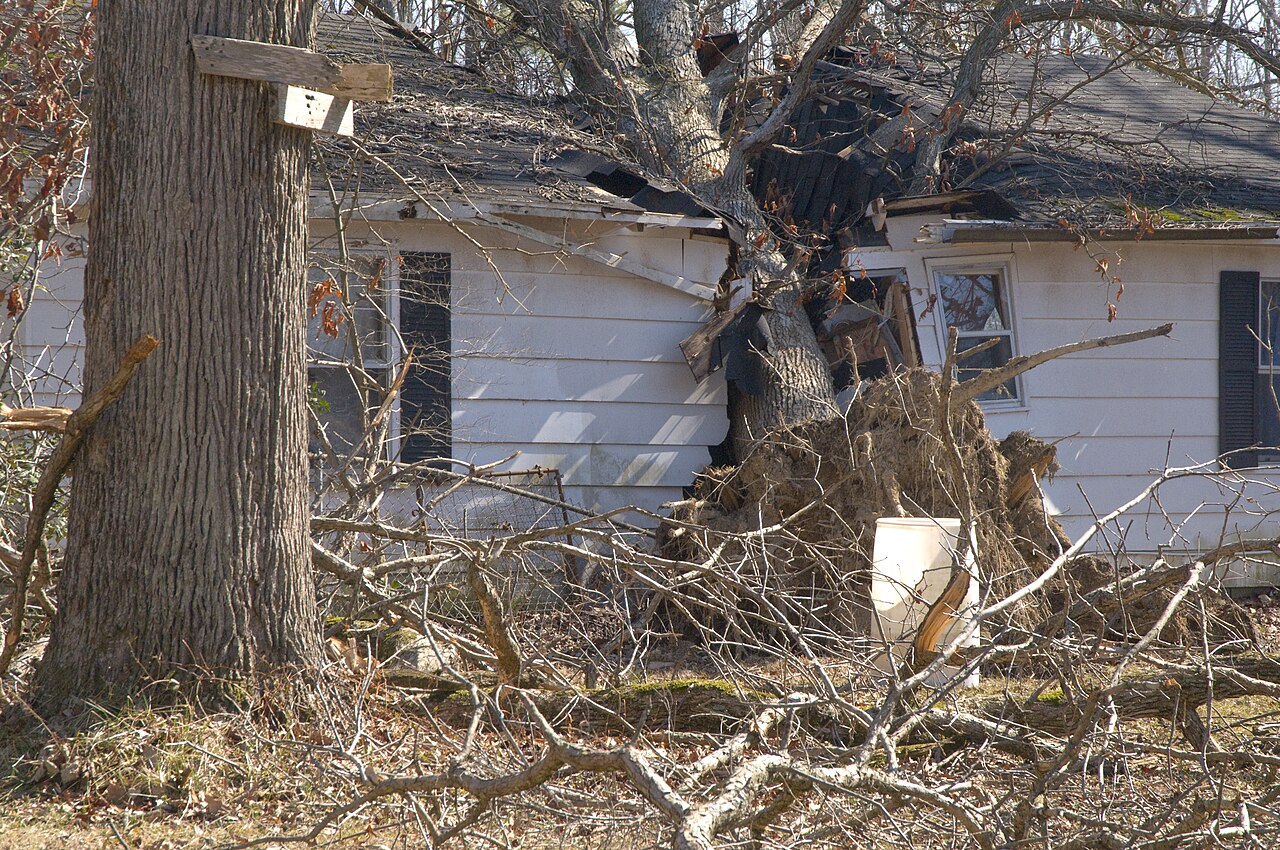
November brings cooler temperatures, shorter days, and changing weather conditions to Northern Virginia. While fall can be beautiful, it also brings challenges for homeowners. Strong winds, heavy rain, falling leaves, and early cold snaps can put pressure on residential properties. Without proper preparation, these seasonal conditions may lead to damaged trees, clogged gutters, roof problems, and disorganized indoor spaces.
Preparing your home before winter arrives doesn’t have to mean major renovations. A few practical improvements can help reduce potential storm damage, improve everyday functionality, and make your property more comfortable throughout the colder months.
From maintaining outdoor trees to creating additional indoor storage, here are several ways Northern Virginia homeowners can prepare their properties for November storms and the winter ahead.
- Inspect Trees and Identify Potential Hazards
- Schedule Tree Trimming Before Severe Weather
- Clear Gutters and Check Roof Drainage
- Secure Outdoor Areas Before Strong Winds Arrive
- Prepare Your Home’s Interior for Winter
- Add Custom Built-Ins for Better Organization
- Check Heating Systems and Seal Air Leaks
- Create a Seasonal Home Maintenance Checklist
- Get Your Northern Virginia Home Ready Before Winter
Inspect Trees and Identify Potential Hazards
Trees add beauty, shade, and value to residential properties, but they can also become a concern during severe weather. Strong winds and saturated soil can weaken tree structures, while dead or damaged branches may break and fall during storms.
Before November, when weather becomes more unpredictable, walk around your property and inspect the trees near your home. Pay particular attention to branches hanging over roofs, driveways, garages, walkways, and outdoor living areas.
Look for warning signs such as:
-
Dead or hanging branches that could fall during strong winds.
-
Cracks or splits in major limbs and tree trunks.
-
Trees leaning noticeably in a new direction.
-
Visible decay, hollow areas, or fungal growth near the trunk.
-
Branches rubbing against roofs, siding, or power lines.
-
Exposed or damaged roots that may affect tree stability.
Schedule Tree Trimming Before Severe Weather
Regular tree maintenance is an important part of preparing a property for late fall storms. Removing weak, dead, or poorly positioned branches can reduce the possibility of limbs falling during periods of heavy wind and rain.
Homeowners should consider scheduling trimming before winter weather makes outdoor maintenance more difficult. A qualified tree care provider can assess the condition of individual trees, identify problematic growth, and recommend appropriate maintenance.
For properties with overgrown trees or potentially hazardous limbs, working with a Leesburg tree removal and trimming company can help homeowners determine which branches need attention and whether any trees require removal.
Avoid excessive pruning. Removing too many healthy branches can stress a tree and negatively affect its natural structure. Proper trimming should address specific concerns while maintaining the tree’s long-term health.
Clear Gutters and Check Roof Drainage
Falling leaves are one of the most common challenges homeowners face during November. While they may look attractive in yards and gardens, accumulated leaves can create problems when they collect in gutters and downspouts.
Blocked gutters prevent rainwater from draining properly. During heavy rainfall, water may overflow near the foundation, damage exterior surfaces, or contribute to moisture problems around the home.
Before the next major storm, inspect your drainage system and remove accumulated debris.
Consider these maintenance steps:
-
Remove leaves, twigs, and other debris from gutters.
-
Check downspouts for blockages.
-
Make sure water flows away from the foundation.
-
Look for loose gutter sections or damaged connections.
-
Inspect roof edges for visible damage or missing shingles.
Homeowners should also check whether nearby tree branches are dropping excessive debris onto the roof. Addressing these issues early can make seasonal maintenance easier and help prevent avoidable drainage problems.
Secure Outdoor Areas Before Strong Winds Arrive
Storm preparation should extend beyond trees and roofing. Outdoor furniture, decorations, garden equipment, and loose materials can become hazardous in strong winds.
Walk around your property and identify anything that could move, tip over, or become airborne during severe weather.
Before a storm:
-
Bring lightweight patio furniture indoors or secure it properly.
-
Store gardening tools, toys, and outdoor equipment.
-
Secure trash bins and recycling containers.
-
Check fences and gates for loose sections.
-
Move potted plants into sheltered locations when possible.
-
Inspect sheds and other outdoor structures for loose components.
Also keep walkways and driveways clear of branches, leaves, and other debris. These simple steps can make outdoor areas safer and easier to maintain throughout the season.
Prepare Your Home’s Interior for Winter
Outdoor maintenance is only one part of seasonal preparation. As temperatures drop, homeowners naturally spend more time indoors. This makes November a practical time to review how interior spaces are being used.
Storage often becomes a challenge when seasonal clothing, winter accessories, holiday decorations, and household supplies take up more space. Items that were previously stored in garages or closets may need to be brought inside for easier access.
Rather than letting belongings accumulate throughout the home, consider improvements that provide dedicated storage and better organization.
Custom cabinetry and built-in storage can help homeowners use available space more efficiently without relying entirely on freestanding furniture.
Add Custom Built-Ins for Better Organization
A well-organized home can make the transition into winter much easier. Built-in shelving, cabinets, and storage units provide practical places for everyday belongings while helping rooms maintain a clean and coordinated appearance.
For homeowners considering interior improvements, custom built-ins in Northern Virginia can provide tailored storage solutions that suit the dimensions, layout, and functionality of different living spaces.
For example, a mudroom built-in near the main entrance can provide dedicated areas for coats, shoes, boots, umbrellas, and winter accessories. This helps prevent wet outdoor items from spreading throughout the house.
Other useful built-in projects include:
Living Room Shelving: Built-in bookcases and cabinets can organize books, electronics, decorative items, and entertainment equipment while making better use of available wall space.
Bedroom Storage: Custom wardrobes and closet cabinetry can create dedicated spaces for seasonal clothing, extra bedding, and personal belongings.
Home Office Cabinets: Built-in desks, shelving, and storage cabinets can help keep paperwork, office supplies, and equipment organized.
Laundry Room Storage: Cabinets above appliances and built-in shelving can provide convenient spaces for cleaning supplies, towels, and household essentials.
The most effective design depends on how each room is used. Before starting a project, consider what needs to be stored, how frequently those items are accessed, and which areas currently lack sufficient storage.
Check Heating Systems and Seal Air Leaks
November is also a good time to prepare your home’s heating system before consistently colder temperatures arrive.
A heating system that has not been inspected or maintained may struggle when temperatures drop. Scheduling routine maintenance can help identify potential issues before the system becomes essential for daily comfort.
Homeowners can take several practical steps:
-
Replace or clean HVAC filters according to manufacturer recommendations.
-
Test thermostats and heating controls.
-
Check windows and exterior doors for noticeable drafts.
-
Inspect weatherstripping around frequently used entrances.
-
Look for gaps around pipes and other exterior openings.
-
Make sure furniture or stored items aren’t blocking heating vents.
Sealing air leaks around windows and doors can help reduce unwanted drafts. These improvements may also support more consistent indoor temperatures during colder weather.
If your heating system makes unusual sounds, smells, or produces inconsistent temperatures, consider having a qualified HVAC technician evaluate it.
Create a Seasonal Home Maintenance Checklist
One of the easiest ways to prepare for November storms is to divide maintenance tasks into manageable steps. Trying to complete everything at once can make seasonal preparation feel overwhelming.
A simple checklist can help homeowners prioritize important tasks before winter begins.
Outdoor Maintenance
-
Inspect trees for damaged or hanging branches.
-
Schedule necessary tree trimming.
-
Evaluate trees with visible structural concerns.
-
Clean gutters and downspouts.
-
Check roof drainage and exterior surfaces.
-
Secure outdoor furniture and equipment.
Indoor Maintenance
-
Test heating equipment.
-
Replace HVAC filters.
-
Check doors and windows for air leaks.
-
Organize seasonal clothing and accessories.
-
Review storage needs in frequently used rooms.
-
Identify opportunities for built-in cabinetry.
Completing these tasks gradually can help homeowners stay ahead of seasonal maintenance instead of waiting until problems become more noticeable.
Get Your Northern Virginia Home Ready Before Winter
November weather can be unpredictable, making early preparation especially important for Northern Virginia homeowners. Damaged branches, clogged gutters, loose outdoor items, and neglected heating systems can all create unnecessary challenges when storms arrive.
Taking time to inspect your property’s exterior, address tree-related concerns, and improve indoor organization can make your home better prepared for the colder months.
Whether you are arranging necessary tree maintenance or planning practical storage improvements, focusing on these areas now can help create a more functional and well-maintained living environment throughout winter. A little preparation before the first major storm can make seasonal homeownership easier and help you enter the colder months with greater confidence.