
- Key Takeaways
- What Shapewear Does
- Start With the Outfit
- Choose a Compression Level
- Light Smoothing
- Medium Support
- Firm Shaping
- Compare Shapewear Styles
- Find a Comfortable Fit
- Match Shapewear to Common Outfits
- Use a Comfort and Movement Check
- Avoid Common Shapewear Mistakes
- Care Tips and Frequently Asked Questions
- Should shapewear feel tight?
- Can shapewear be worn every day?
- What works best under a dress?
- How can rolling be reduced?
- Does shapewear permanently change the body?
- Conclusion
Key Takeaways
-
Choose shapewear for the outfit’s cut, fabric, and activity level.
-
Prioritize comfort, breathability, and easy movement alongside smoothing.
-
Use body measurements and brand size charts instead of automatically sizing down.
-
Test the complete outfit before wearing it to work, travel, or a special event.
-
Shapewear is optional and should support personal style rather than appearance pressure.
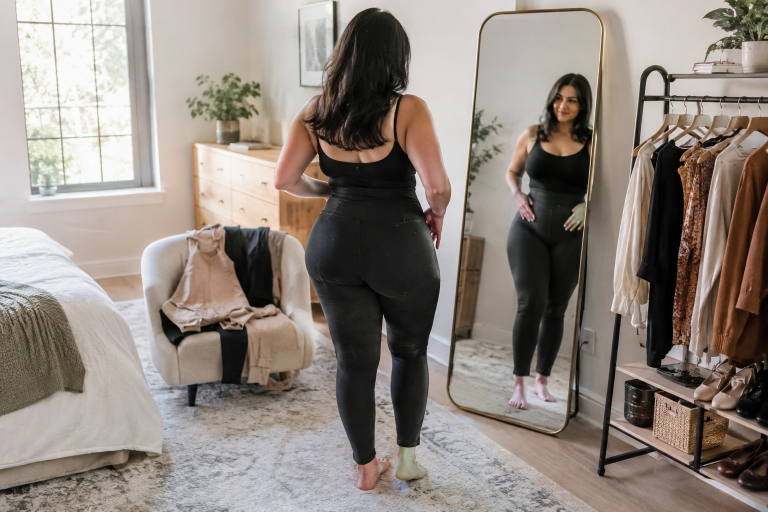
Shapewear is a personal styling choice that can create a smoother foundation beneath clothing, add light support, or help reduce fabric friction. The best option is not necessarily the tightest one. It is the piece that works with the outfit, stays comfortable through normal movement, and fits your preferences. Options such as shapewear for curvy women can make it easier to compare coverage, rise, and support for different wardrobes.
Think of shapewear as an underlayer, much like hosiery, a slip, or a supportive camisole. It can temporarily change how fabric lies over the body while you wear it, but it does not permanently change your shape. If it feels painful, makes breathing difficult, or keeps you from enjoying an event, it is not the right choice for that moment.
What Shapewear Does
Shapewear may smooth visible underwear lines, provide coverage at the waist or thighs, and help some garments drape more evenly. Everyday shapewear is different from highly restrictive waist trainers. Medical guidance on the risks of prolonged waist-trainer use notes that intense compression can interfere with comfort and breathing, so a garment should never feel painfully restrictive.
Start With the Outfit
Look at the outer garment before shopping. A thin knit dress may call for smooth, flat edges, while jeans or structured trousers can leave more room for a brief or thong. Consider whether the outfit is fitted, sheer, lightweight, backless, short, or slit, then think about what you will be doing while wearing it. Sitting through dinner, commuting, dancing, and using the restroom all affect the most practical choice.
Choose a Compression Level
Light Smoothing
Light styles work well for casual outfits, office clothes, and long days. They offer a subtle layer without a strongly structured feel.
Medium Support
Medium-support briefs, shorts, and bodysuits can suit fitted dresses, skirts, and tailored clothing. You should still be able to sit, bend, and breathe normally.
Firm Shaping
Firm styles may be useful for occasional formalwear, but tighter is not automatically better. Test these pieces well before a long event, especially if the outfit includes a close-fitting dress or a long period of sitting.
Compare Shapewear Styles
-
Shaping briefs: Provide waist and lower-torso coverage without fabric on the thighs. Check the rise and leg openings for visible lines.
-
Shaping thongs: Can be useful under close-fitting pants, skirts, and dresses when a traditional brief edge may show.
-
Shaping shorts: Add upper-thigh coverage and can create a fabric barrier between the thighs. Choose an inseam that stays hidden beneath the hem.
-
Bodysuits: Create a continuous layer through the torso. Consider straps, bust design, torso length, and restroom access.
-
Shaping slips: Offer one smooth layer under dresses and may be convenient when separate pieces would overlap.
Find a Comfortable Fit
Use your current waist, hip, bust, and torso measurements with the brand’s size chart whenever possible. Sizing down can cause rolling, pinching, uneven lines, or excessive pressure rather than better support. A well-fitting piece should stay in place while standing and sitting, lie flat at the legs, and allow easy breathing.
Check that the fabric does not bunch behind the knees or under the seat. Bodysuits should not pull down on the shoulders, and high-rise styles should not fold or roll at the waist when you bend.
Match Shapewear to Common Outfits
The following comparison can help narrow down a starting point, but the final decision depends on the exact cut and fabric of your clothing.
|
Outfit Type |
Possible Choice |
What to Check |
|---|---|---|
|
Jeans and pants |
Light brief or thong |
Waistband height and lines |
|
Fitted dress |
Shorts, bodysuit, or slip |
Seams, neckline, and hems |
|
Satin or lightweight dress |
Seamless smoothing layer |
Edges under bright light |
|
Jumpsuit |
Brief or easy-access bodysuit |
Torso length and restroom access |
Use a Comfort and Movement Check
Try the full outfit at home before relying on it for an important occasion. Put on the shapewear, add the clothing and shoes, then walk, sit, bend, reach overhead, and take several deep breaths. Check for rolling, bunching, visible edges, or pressure points. Remove the garment if it causes pain, numbness, skin discoloration, strong irritation, or trouble breathing.
Avoid Common Shapewear Mistakes
-
Buying a smaller size to get stronger compression.
-
Choosing firm control for every outfit or every day.
-
Ignoring torso length, rise, neckline, and dress hem.
-
Wearing a new piece for the first time at a wedding or major event.
-
Assuming seamless fabric will disappear beneath every material.
-
Keeping a garment that feels uncomfortable for the sake of a certain look.
Care Tips and Frequently Asked Questions
Follow the care label, avoid unnecessary high heat, and handle mesh, lace, straps, and bonded edges gently. Replace pieces when they lose recovery, roll consistently, or no longer provide the comfort and support you want.
Should shapewear feel tight?
It should feel secure, not painful or restrictive. You should be able to move and breathe naturally.
Can shapewear be worn every day?
Light, comfortable styles may work for regular wear if they feel good throughout the day. Let comfort guide how often and how long you wear any piece.
What works best under a dress?
Briefs, shorts, bodysuits, and slips can all work under dresses. Match the choice to the dress fabric, length, neckline, and desired coverage.
How can rolling be reduced?
Choose the correct size, position the garment carefully, and select a rise and torso length that suit your proportions.
Does shapewear permanently change the body?
No. It creates a temporary effect beneath clothing while it is worn.
Conclusion
The right shapewear should help you feel comfortable in your outfit, not distracted by it. Start with the clothing, choose only the support you need, and make movement the final test. When a piece fits well and suits your plans, it can be a useful wardrobe layer. When it does not, choosing no shapewear is always a valid option.