
- Key Takeaways
- Why Travis Heights Stands Apart
- Home Styles To Expect
- How To Evaluate Condition Beyond Surface Charm
- Areas Worth Close Review
- Historic Review And Renovation Planning
- Questions To Ask Before Making an Offer
- Location And Daily-Life Considerations
- The Real Cost Of an Older Home
- A Practical Buyer Checklist
Key Takeaways
- Travis Heights includes historic homes, mid-century properties, renovated residences, and newer construction.
- Condition, permits, drainage, lot layout, and repair history deserve as much attention as architectural character.
- Historic designation and local review requirements can affect exterior changes, additions, demolition, and new construction.
- Walkability, street activity, hills, trees, and parking can vary significantly from one block to another.
- A realistic purchase decision accounts for repair reserves and ownership costs, not just the contract price.
Travis Heights pairs South Austin character with an unusually broad range of housing, from early cottages and bungalows to mid-century residences and recent infill. Buyers reviewing homes for sale in Travis Heights can use The Mike Seder Group’s neighborhood search page to explore available properties while considering the details that matter in an older Austin home. The Mike Seder Group provides Austin-area real estate guidance and property search support, making its Travis Heights resource useful for buyers comparing location, home condition, and long-term ownership needs in central Austin.
Age alone does not determine whether a property is a strong purchase. Two homes built in the same decade can have very different foundations, drainage patterns, renovation histories, utility systems, and ongoing maintenance demands. A careful evaluation looks past original woodwork, mature trees, and curb appeal to understand how the house functions today.
Why Travis Heights Stands Apart
Travis Heights and Fairview Park developed over many decades, which helps explain the neighborhood’s varied streetscapes and housing stock. The Travis Heights-Fairview Park Historic District was listed in the National Register of Historic Places in 2021. The National Register of Historic Places recognizes places with historic significance. Still, a national listing is different from local historic zoning and should not be treated as a substitute for property-specific research.
The neighborhood’s landscape is part of the decision. Winding streets, slopes, established canopy, creek-adjacent areas, and irregular lots create visual appeal, but they can also affect driveway access, drainage, exterior maintenance, and usable yard space. Visit a property at different times of day to assess traffic, shade, parking, and noise rather than relying only on a daytime showing.
Home Styles To Expect
Buyers may encounter several architectural periods in Travis Heights. Recognizing the style can help set expectations for layout and maintenance, but it should never replace an inspection.
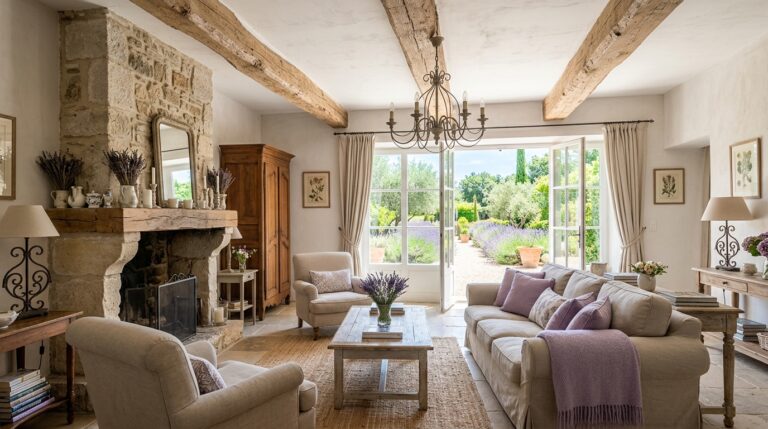
- Craftsman bungalows may feature porches, built-ins, wood trim, and compact room arrangements.
- Victorian-era cottages can include decorative exterior details, varied rooflines, and older framing methods.
- Tudor and Colonial Revival homes often have more formal facades, masonry elements, or distinct roof forms.
- Mid-century homes may offer simpler lines, broad windows, and a more open relationship to the lot.
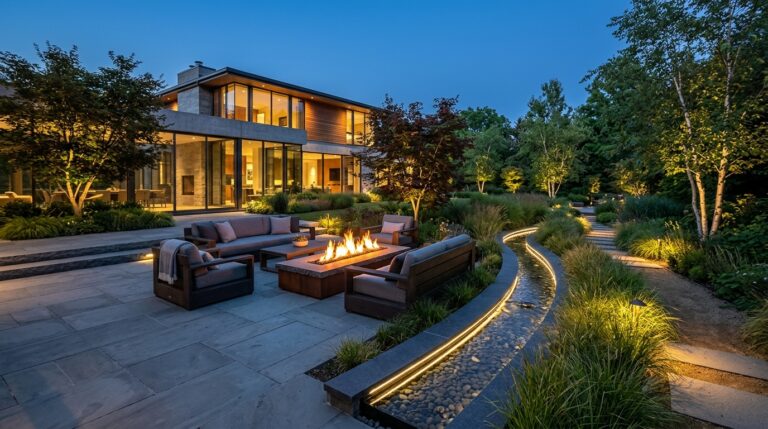
- Contemporary infill homes may provide newer systems and modern layouts on traditionally sized neighborhood parcels.
How To Evaluate Condition Beyond Surface Charm
Fresh paint and updated fixtures can improve first impressions, but major systems usually determine the true near-term cost of ownership. Request disclosures, available invoices, permits, and service records early. Then use the inspection period to clarify unanswered questions.
Areas Worth Close Review
- Foundation and crawl space: Look for signs of movement, moisture, drainage issues, and prior repair work.
- Roof and attic: Review roof age, flashing, ventilation, insulation, staining, and evidence of water entry.
- Electrical and plumbing: Confirm panel capacity, wiring condition, outlet placement, supply lines, drain lines, and sewer connections.
- HVAC and windows: Consider equipment age, duct condition, comfort between rooms, and air leakage around windows and doors.
- Additions and conversions: Check whether enclosed porches, garages, accessory spaces, and additions were properly permitted.
A general inspector can identify visible concerns, but a specialist may be appropriate when a report flags structural movement, roof damage, sewer issues, or electrical deficiencies. Written scopes from qualified professionals are more useful than broad verbal estimates when negotiating repairs or planning a renovation budget.
Historic Review And Renovation Planning
Before planning a major exterior change, verify the individual address, its designation status, and any applicable district rules. The City of Austin’s Historic Property Viewer helps owners and buyers check designated properties and historic districts. Local historic districts may require review and approval for certain exterior work, and requirements may differ between contributing and noncontributing structures.
Questions To Ask Before Making an Offer
- Is the property within a local or National Register historic district?
- Is the home identified as contributing or noncontributing?
- Do planned additions, demolitions, windows, or exterior changes require review?
- Do permit records match the home’s current layout and improvements?
- Will a project require design services, additional approvals, or a longer timeline?
Location And Daily-Life Considerations
Travis Heights is close to South Congress, Stacy Park, Lady Bird Lake, and downtown routes, but convenience varies by block. A smaller home near restaurants and trails may suit a buyer who values easy access to walking trails. Another buyer may prefer a quieter interior street with easier parking, more privacy, and a larger outdoor area.
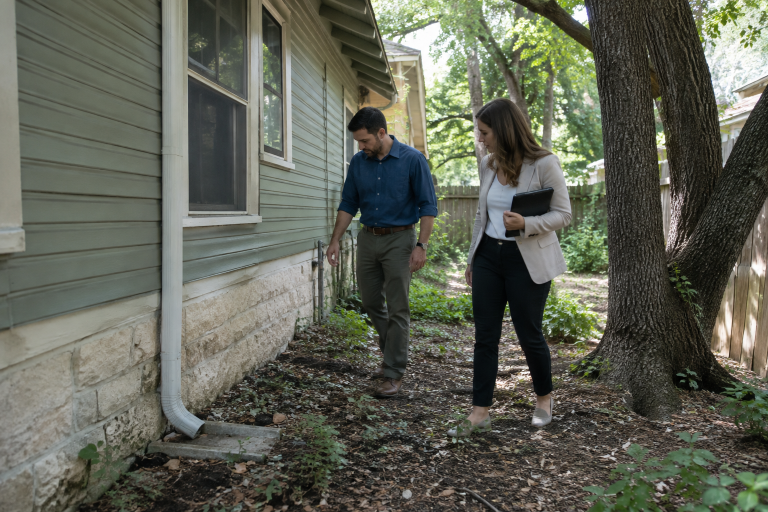
Compare sidewalk conditions, street crossings, hill grade, alley access, tree coverage, event traffic, and proximity to busy corridors. During heavy rain, drainage can be especially important. Observe where water moves across the lot, whether gutters discharge appropriately, and whether low areas collect runoff.
The Real Cost Of an Older Home
Purchase price is the starting point, not the entire budget. Older homes may need targeted upgrades, custom materials, wood-rot repair, tree work, insulation improvements, or code-related updates during renovation. Insurance availability and cost can also depend on the home’s condition, roof, systems, and replacement value.
Create a reserve for planned work and unexpected repairs. A buyer considering a fixer-upper should total contractor bids, permits, design costs, temporary housing needs, and a contingency amount before deciding whether the project fits the budget.
A Practical Buyer Checklist
- Set a total budget that includes closing costs, repairs, furnishings, and reserves.
- Prioritize lifestyle needs, such as walkability, parking, quiet, yard space, or architectural character.
- Review available permits, disclosures, maintenance records, and renovation history.
- Complete a thorough inspection and add specialist evaluations where warranted.
- Confirm historic review requirements before assuming a future project is possible.
- Price repair work using written estimates rather than online averages.
- Compare nearby homes with similar age, lot characteristics, condition, and renovation quality.
The right historic home in Travis Heights is not necessarily the newest or most polished one. It is the home whose location, condition, future maintenance, and renovation potential align with the buyer’s budget and plans.