
Travel can be exciting, refreshing, and memorable, but poor planning can turn even a promising trip into a stressful experience. Flights, accommodation, local transportation, luggage, schedules, food, weather, tickets, and unfamiliar locations all require some level of preparation.
The best travel plans are not necessarily the most detailed. They provide enough structure to prevent avoidable problems while leaving room for flexibility. By choosing destinations carefully, organizing transport, controlling expenses, and understanding local conditions before departure, travelers can spend less time solving logistical problems and more time enjoying the journey itself.
- Start With the Purpose of the Trip
- Choose a Destination That Matches the Available Time
- Research the Destination Before Booking
- Check the Season
- Consider Shoulder Season
- Check Local Holidays
- Create a Realistic Travel Budget
- Use a Daily Spending Estimate
- Keep an Emergency Reserve
- Compare Transportation Carefully
- Check Baggage Rules
- Keep Important Items in Carry-On Luggage
- Avoid Overpacking
- Make a Packing List
- Check the Weather Before Final Packing
- Keep Travel Documents Organized
- Check Passport Requirements Early
- Verify Visa and Entry Requirements
- Review Health Requirements
- Consider Travel Insurance
- Book Accommodation Based on Location
- Check Transportation Around the Accommodation
- Read Recent Accommodation Reviews
- Check Room Details Carefully
- Confirm Check-In and Check-Out Times
- Build the Itinerary Around Priorities
- Do Not Schedule Every Hour
- Group Attractions by Area
- Leave Space for Wandering
- Plan Around Energy Levels
- Understand Local Transportation
- Learn Whether Tickets Need Validation
- Check Last Service Times
- Consider Intercity Travel Carefully
- Allow Transfer Time
- Be Careful With Separate Airline Tickets
- Download Offline Maps
- Save Important Addresses
- Learn a Few Local Words
- Understand Local Customs
- Respect Religious and Cultural Sites
- Be Careful When Photographing People
- Keep Digital Travel Information Organized
- Save Booking Confirmations Offline
- Use Calendar Entries for Fixed Bookings
- Plan Mobile Data Before Departure
- Protect Accounts While Traveling
- Be Careful With Public Wi-Fi
- Carry a Suitable Power Adapter
- Bring a Power Bank
- Check Transport Options for Longer Routes
- Arrive at Stations Early Enough
- Confirm the Exact Departure Point
- Watch Your Belongings at Transport Hubs
- Use Hotel Safes Thoughtfully
- Split Payment Methods
- Inform Banks About Travel if Necessary
- Understand Currency Conversion
- Be Careful With Dynamic Currency Conversion
- Keep Some Local Currency
- Plan Food Without Overplanning It
- Research Local Dishes
- Keep Food Safety in Mind
- Carry Basic Snacks During Long Travel Days
- Stay Hydrated
- Schedule Rest
- Plan for Jet Lag
- Do Not Drive Immediately if Exhausted
- Research Rental-Car Rules
- Inspect Rental Cars Before Departure
- Understand Parking
- Consider Whether a Car Is Necessary
- Prepare for Outdoor Activities
- Check Local Conditions on the Day
- Know Your Physical Limits
- Book Reputable Activity Providers
- Understand Cancellation Rules
- Keep Flexible Days Around Weather-Sensitive Activities
- Do Not Chase Every Famous Attraction
- Explore Neighborhoods
- Support Local Businesses
- Travel More Sustainably Where Practical
- Reduce Single-Use Items
- Respect Natural Areas
- Do Not Feed Wildlife
- Prepare for Delays
- Keep Essential Medication Accessible
- Know What to Do if Luggage Is Lost
- Photograph Important Luggage
- Have a Backup Plan for Accommodation Problems
- Do Not Panic When Plans Change
- Keep Emergency Numbers Available
- Share the Itinerary With Someone Trusted
- Check In During Solo Travel
- Trust Practical Warning Signs
- Be Cautious With Unofficial Taxis
- Agree on Prices When Necessary
- Protect Your Passport
- Keep a Copy of Identification
- Keep Contact Information for Accommodation
- Review the Next Day Each Evening
- Prepare Tickets Before Leaving the Hotel
- Charge Devices Overnight
- Back Up Travel Photos
- Do Not Spend the Entire Trip Behind a Camera
- Write Short Travel Notes
- Review Expenses During the Trip
- Keep Receipts When Necessary
- Leave Space in the Luggage
- Check Customs Rules for Purchases
- Avoid Buying Restricted Souvenirs
- Keep Departure Day Simple
- Confirm Departure Times Again
- Allow Enough Time for the Airport
- Check Which Terminal You Need
- Keep Travel Plans Flexible but Organized
Start With the Purpose of the Trip
Before choosing hotels or attractions, decide what you want the trip to provide.
A relaxing beach holiday requires a different itinerary from a fast-moving city break, family visit, business trip, road journey, or outdoor adventure. Knowing the purpose makes later decisions easier.
Choose a Destination That Matches the Available Time
A destination may look impressive online but still be unsuitable for a short trip if reaching it requires multiple long connections.
Consider total travel time as part of the holiday rather than looking only at the number of nights booked.
Research the Destination Before Booking
Basic destination research can reveal weather patterns, transportation options, local customs, seasonal closures, busy periods, and practical challenges.
Travelers looking for destination inspiration and personal travel perspectives may encounter resources such as Explore My Soul. Travel blogs can provide useful ideas and experiences, but important information such as visa requirements, entry rules, transport schedules, and official restrictions should still be verified through current authoritative sources.
Check the Season
Weather can dramatically affect a destination.
A place that looks perfect in photographs may experience heavy rain, extreme heat, winter closures, or overcrowding during particular months.
Consider Shoulder Season
Traveling shortly before or after peak season can sometimes provide lower prices and fewer crowds.
However, travelers should still confirm whether attractions, transportation, and seasonal businesses will be operating normally.
Check Local Holidays
Public holidays and festivals can make a trip more interesting, but they may also affect opening hours, transportation, accommodation prices, and crowd levels.
Knowing important local dates in advance can prevent unexpected closures.
Create a Realistic Travel Budget
The cost of a trip includes much more than transportation and accommodation.
Meals, local transport, attraction tickets, luggage fees, insurance, mobile data, shopping, tips, taxes, and unexpected expenses can add substantially to the final total.
Use a Daily Spending Estimate
Estimate how much you are comfortable spending each day on food, transport, activities, and smaller purchases.
This can make it easier to enjoy the trip without constantly recalculating finances.
Keep an Emergency Reserve
Delayed transportation, unexpected accommodation changes, medical needs, or other disruptions can create costs that were not part of the original plan.
A financial buffer can make these problems easier to handle.
Compare Transportation Carefully
The cheapest ticket is not always the cheapest journey once baggage, airport transfers, overnight connections, and additional travel time are included.
Compare the complete trip rather than only the advertised fare.
Check Baggage Rules
Airlines, buses, trains, and other transport providers may have different restrictions on size, weight, number of bags, and special items.
Review the rules before packing rather than discovering additional fees at departure.
Keep Important Items in Carry-On Luggage
When permitted, keep essential documents, medication, chargers, valuables, and a few necessary personal items with you rather than placing everything in checked baggage.
This provides some protection if a checked bag is delayed.
Avoid Overpacking
Travelers often pack for every imaginable situation and then use only part of what they carried.
Choose clothing that can be combined easily and check whether laundry facilities are available during longer trips.
Make a Packing List
A simple list can prevent forgotten essentials and reduce last-minute packing stress.
Separate items into documents, clothing, electronics, health needs, toiletries, and destination-specific equipment.
Check the Weather Before Final Packing
Seasonal averages are useful during early planning, but actual forecasts become more important close to departure.
Adjust clothing and equipment accordingly.
Keep Travel Documents Organized
Passports, visas, insurance information, tickets, accommodation details, and other documents should be easy to access.
Keep digital and appropriate backup copies where practical.
Check Passport Requirements Early
Some destinations require passports to remain valid for a specific period beyond the travel dates.
Do not wait until the final week to discover that renewal is necessary.
Verify Visa and Entry Requirements
Entry requirements vary by nationality, destination, trip purpose, and length of stay.
Use current official government or consular information rather than relying only on old forum posts or social-media advice.
Review Health Requirements
Some destinations may require or recommend particular vaccinations, documentation, or health preparations.
Consult appropriate official and professional health guidance well before departure when relevant.
Consider Travel Insurance
Travel insurance can cover different combinations of medical emergencies, cancellations, delays, baggage problems, and other risks depending on the policy.
Read the actual exclusions and limits rather than assuming every policy provides identical protection.
Book Accommodation Based on Location
A cheaper hotel far from the areas you plan to visit can increase both travel time and transport costs.
Map your likely daily activities before deciding whether the savings are worthwhile.
Check Transportation Around the Accommodation
Nearby metro stations, bus stops, taxi availability, parking, and walking routes can all affect convenience.
A central location is valuable only if it connects well with the places you actually want to reach.
Read Recent Accommodation Reviews
Recent reviews can reveal current information about cleanliness, noise, renovations, service, Wi-Fi, or construction nearby.
Look for repeated patterns rather than relying entirely on one unusually positive or negative review.
Check Room Details Carefully
Room photographs can make spaces look larger or brighter than they are.
Review bed configuration, bathroom arrangements, air conditioning, heating, accessibility, breakfast, and other features important to the trip.
Confirm Check-In and Check-Out Times
A flight arriving early in the morning can create an awkward gap before afternoon hotel check-in.
Plan for luggage storage or early access if needed.
Build the Itinerary Around Priorities
Trying to see everything usually creates rushed days.
Choose a small number of high-priority experiences and allow the rest of the schedule to remain flexible.
Do Not Schedule Every Hour
Travel involves queues, traffic, weather changes, meals, fatigue, and unexpected discoveries.
A schedule without open time becomes fragile when anything runs late.
Group Attractions by Area
Visiting nearby places on the same day can reduce unnecessary transportation and make the trip feel more relaxed.
Mapping attractions before departure can reveal efficient combinations.
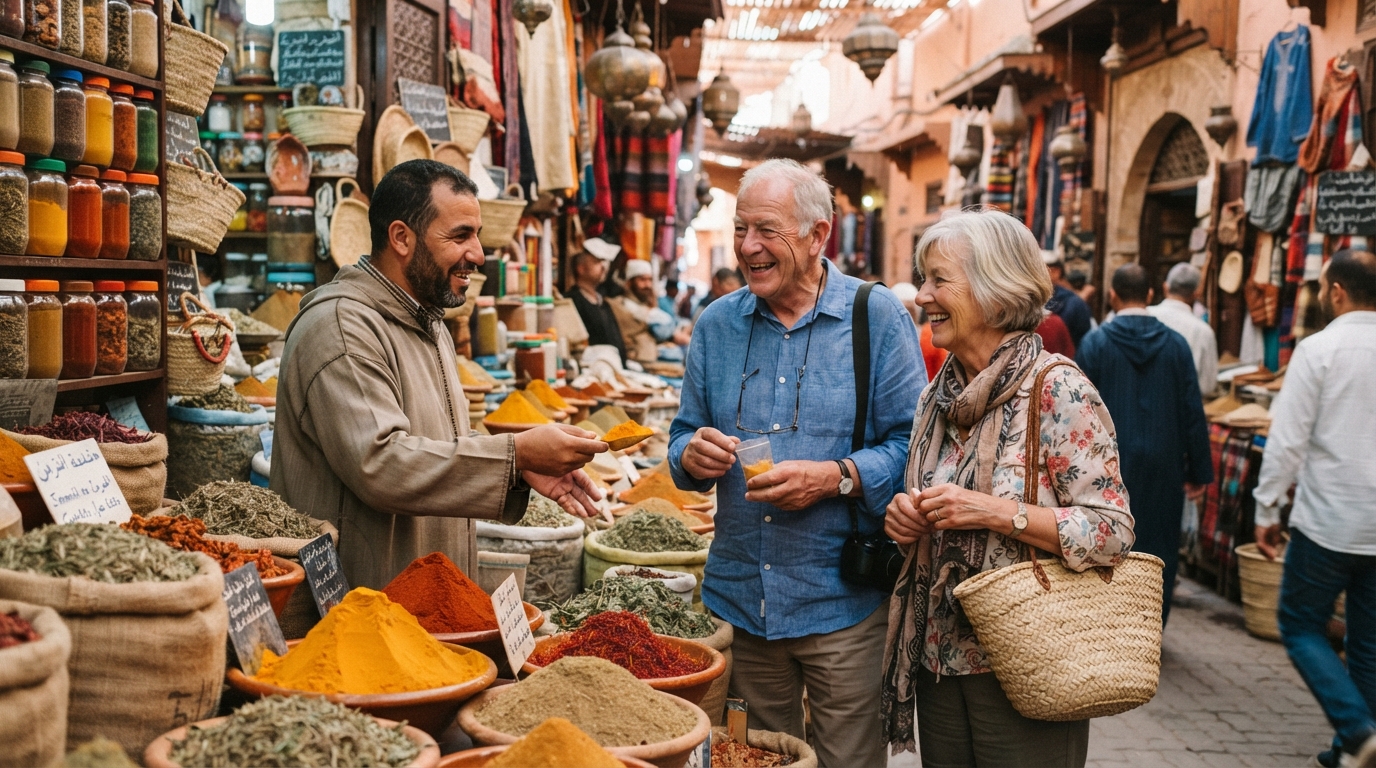
Leave Space for Wandering
Some of the most memorable travel experiences happen outside planned attractions.
A free afternoon can provide time for markets, cafés, local neighborhoods, parks, or places discovered during the trip.
Plan Around Energy Levels
Long travel days followed immediately by packed sightseeing can lead to exhaustion.
Schedule lighter activities after difficult journeys and avoid treating every day as a maximum-efficiency challenge.
Understand Local Transportation
Public transport can be one of the easiest ways to explore a destination when travelers understand routes, payment systems, operating hours, and ticket rules.
Research these basics before arrival.
Learn Whether Tickets Need Validation
Some transport systems require passengers to validate tickets before or after boarding.
Failure to follow local procedures can result in fines even when a ticket was purchased.
Check Last Service Times
Public transport may stop earlier than expected at night.
Know the last realistic option back to the accommodation, especially after evening events.
Consider Intercity Travel Carefully
Buses, trains, ferries, rental cars, and domestic flights can all be useful depending on geography and schedule.
People interested in travel and transport-oriented content may encounter resources such as Morskoi Boy. Travel resources can help introduce routes and destination ideas, but current schedules, ticket conditions, and border requirements should always be checked directly before travel.
Allow Transfer Time
Connections that look possible on paper may become stressful when terminals are far apart or delays occur.
Leave reasonable time between separate tickets or transport providers.
Be Careful With Separate Airline Tickets
When two flights are purchased separately, one airline may have no responsibility for a missed onward flight caused by delay.
Understand the risk before choosing a very tight connection.
Download Offline Maps
Mobile data can fail, roaming may be expensive, and coverage can be poor in unfamiliar areas.
Offline maps provide useful backup for navigation.
Save Important Addresses
Keep the accommodation address, transport stations, emergency contacts, and other essential locations available without internet access.
This can be especially useful immediately after arrival.
Learn a Few Local Words
Basic greetings, thanks, numbers, and simple travel phrases can make everyday interactions easier.
Even when many people speak your language, attempting a few local words can be helpful and respectful.
Understand Local Customs
Dress expectations, tipping, greetings, photography rules, dining habits, and social behavior can differ significantly.
A small amount of cultural research can prevent awkward situations.
Respect Religious and Cultural Sites
Some locations require particular clothing, quiet behavior, photography restrictions, or separate access rules.
Follow posted guidance and local expectations.
Be Careful When Photographing People
Photography customs vary, and not everyone wants to be included in a travel photo.
Ask permission where appropriate and respect locations where photography is restricted.
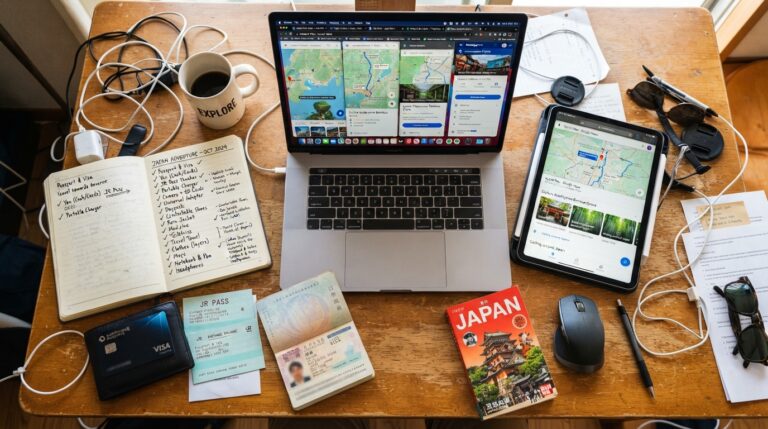
Keep Digital Travel Information Organized
Bookings can become scattered across email, applications, screenshots, and messaging services.
Create one folder or travel note containing the essential details.
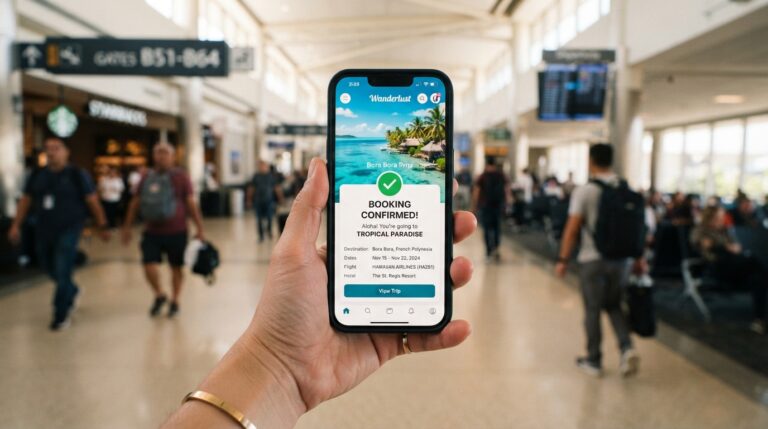
Save Booking Confirmations Offline
Hotel reservations, tickets, transfers, and activity confirmations should remain accessible when internet service is unavailable.
PDFs or screenshots can provide practical backup.
Use Calendar Entries for Fixed Bookings
Flights, trains, tours, and restaurant reservations can be added to the calendar with addresses and confirmation details.
This reduces the need to search through email repeatedly.
Plan Mobile Data Before Departure
Roaming charges can become expensive when travelers do not understand their mobile plan.
Compare roaming packages, local SIM options, or other connectivity methods before arrival.
Protect Accounts While Traveling
Phones and laptops used during travel may contain email, financial accounts, cloud storage, photographs, and booking information.
Use strong device locks and multi-factor authentication where appropriate.
Be Careful With Public Wi-Fi
Hotel, airport, café, and station Wi-Fi can be convenient, but unfamiliar networks should not automatically be treated as secure.
Exercise extra caution with sensitive accounts and financial activity.
Carry a Suitable Power Adapter
Electrical outlets and voltage standards vary between countries.
Check what is used at the destination before packing chargers and appliances.
Bring a Power Bank
Navigation, photography, translation, tickets, and communication can drain a phone faster than normal travel days.
A suitable portable battery can provide useful backup when outlets are unavailable.
Check Transport Options for Longer Routes
Bus travel can be a practical way to move between cities or reach destinations not served conveniently by rail.
Travelers researching bus-oriented transportation may encounter resources such as Sinorama Bus. Bus information can help travelers consider overland options, but departure points, schedules, luggage policies, and current ticket conditions should be verified before relying on a particular journey.
Arrive at Stations Early Enough
Bus and train terminals can be confusing in unfamiliar cities.
Arriving with enough time to locate the platform or gate can prevent avoidable stress.
Confirm the Exact Departure Point
Some bus companies operate from street stops, private terminals, airports, or multiple stations within the same city.
Check the precise location rather than assuming the main station is correct.
Watch Your Belongings at Transport Hubs
Busy stations and tourist areas can create opportunities for theft.
Keep passports, phones, money, and other important items secure and avoid leaving luggage unattended.
Use Hotel Safes Thoughtfully
When available and suitable, hotel storage can reduce the need to carry every valuable item during sightseeing.
Keep essential identification and access information organized according to the day’s needs.
Split Payment Methods
Keeping every card and all cash in one wallet creates a single point of failure.
Where practical, store backup payment methods separately.
Inform Banks About Travel if Necessary
Some financial providers may flag unusual foreign transactions.
Check whether travel notification is required and verify international transaction fees before departure.
Understand Currency Conversion
Exchange rates and fees can affect the real cost of purchases.
Know the approximate value of the local currency so prices can be evaluated quickly.
Be Careful With Dynamic Currency Conversion
Some payment terminals offer to charge a foreign card in the traveler’s home currency.
Understand the exchange rate and fees before accepting convenience-based conversion options.
Keep Some Local Currency
Cards are widely accepted in many destinations, but small shops, transport, markets, or emergencies may still require cash.
The appropriate amount depends on local payment habits.
Plan Food Without Overplanning It
Meals are an important part of travel, but booking every restaurant can make the schedule rigid.
Reserve only the places that genuinely require advance booking and leave room for spontaneous discoveries.
Research Local Dishes
Knowing a few regional foods in advance can make menus easier to understand and help travelers identify specialties worth trying.
Dietary restrictions should be communicated clearly where relevant.
Keep Food Safety in Mind
Travelers may encounter unfamiliar food-handling conditions.
Use appropriate health guidance for the destination and pay attention to personal medical or dietary needs.
Carry Basic Snacks During Long Travel Days
Delays or remote routes can make food unavailable when expected.
A small supply of suitable snacks can be useful without taking up much luggage space.
Stay Hydrated
Flights, walking, heat, and busy sightseeing schedules can make travelers forget to drink enough water.
Carry an appropriate reusable bottle where local conditions and security rules allow.
Schedule Rest
A holiday can become exhausting when every morning starts early and every evening ends late.
Rest periods can improve enjoyment and reduce the feeling of simply completing a checklist.
Plan for Jet Lag
Long-distance travel across several time zones can affect sleep, appetite, and concentration.
Keep the first day relatively flexible when the time difference is significant.
Do Not Drive Immediately if Exhausted
Long flights and overnight travel can create serious fatigue.
Arrange alternative transportation or rest before driving when concentration is impaired.
Research Rental-Car Rules
Driving-license requirements, insurance, toll systems, parking regulations, and road rules vary by destination.
Check the details before reserving a vehicle.
Inspect Rental Cars Before Departure
Document existing damage according to the rental company’s process.
Also confirm fuel policy, return conditions, and emergency contact procedures.
Understand Parking
City parking can be expensive or heavily restricted.
A rental car may provide freedom outside urban centers while becoming a burden inside them.
Consider Whether a Car Is Necessary
Public transport may be easier in destinations with dense city centers and limited parking.
Rent a vehicle because it improves the itinerary, not simply because driving feels familiar.
Prepare for Outdoor Activities
Hiking, beaches, boating, skiing, or other outdoor activities can require specific equipment and weather awareness.
Research conditions and safety requirements before departure.
Check Local Conditions on the Day
Mountain weather, sea conditions, heat, storms, and other outdoor factors can change rapidly.
Current local information is more important than assumptions based on earlier plans.
Know Your Physical Limits
A holiday is not the ideal time to attempt an extreme activity without preparation.
Choose routes and activities appropriate to experience, health, and current conditions.
Book Reputable Activity Providers
Tours involving transport, water, heights, animals, or technical equipment deserve careful provider selection.
Review qualifications, safety practices, and current independent feedback where relevant.
Understand Cancellation Rules
Weather-dependent activities may be cancelled unexpectedly.
Know whether bookings are refundable, rescheduled, or converted into credit.
Keep Flexible Days Around Weather-Sensitive Activities
If one experience is the main reason for the trip, avoid scheduling it only on the final available day.
Extra flexibility can provide another opportunity if conditions are unsuitable.
Do Not Chase Every Famous Attraction
Popular attractions can be worthwhile, but a trip built entirely around them may involve long queues and constant movement.
Combine major sights with quieter local experiences.
Explore Neighborhoods
Residential streets, local cafés, markets, parks, and smaller cultural venues can provide a different understanding of a destination.
Respect local communities rather than treating residential areas as amusement parks.
Support Local Businesses
Locally owned restaurants, guides, shops, and services can contribute directly to the communities travelers visit.
Quality and suitability should still be evaluated normally rather than chosen only because something is labeled local.
Travel More Sustainably Where Practical
Walking, public transport, longer stays, reduced unnecessary flights, and reusable items can lower some environmental impacts.
Travel decisions always involve tradeoffs, so focus on practical improvements rather than perfection.
Reduce Single-Use Items
A reusable bottle, shopping bag, or suitable toiletries can reduce waste during longer trips.
Follow local water-safety and transport restrictions when deciding what to carry.
Respect Natural Areas
Stay on designated routes where required, dispose of waste properly, and avoid disturbing wildlife or removing natural objects.
Local rules exist to protect both visitors and the environment.
Do Not Feed Wildlife
Feeding animals can change their natural behavior and create risks for both wildlife and people.
Observe from an appropriate distance instead.
Prepare for Delays
Transport delays are part of travel.
Carry enough essential medication, charging power, food where appropriate, and important information to handle a longer-than-expected journey.
Keep Essential Medication Accessible
Necessary medication should not be packed exclusively in luggage that could be delayed or lost.
Follow transport rules and carry relevant documentation where required.
Know What to Do if Luggage Is Lost
Keep baggage receipts and report missing checked luggage through the appropriate provider immediately.
Travel insurance or carrier rules may include specific documentation requirements.
Photograph Important Luggage
A recent image can make it easier to describe a missing suitcase accurately.
Keep identifying information secure rather than displaying unnecessary personal details publicly.
Have a Backup Plan for Accommodation Problems
Reservations can occasionally be cancelled or incorrectly recorded.
Keep booking details accessible and know which alternative accommodation platforms or nearby areas could be used if necessary.
Do Not Panic When Plans Change
A delayed train or closed attraction can feel serious in the moment but may simply require rearranging the day.
Flexible itineraries are easier to repair than schedules built with no spare time.
Keep Emergency Numbers Available
Know how to contact local emergency services and your country’s relevant consular support where appropriate.
Store important numbers somewhere accessible without internet service.
Share the Itinerary With Someone Trusted
For longer or more remote travel, sharing accommodation and transport details with a trusted person can provide useful backup.
This is particularly helpful for solo travelers.
Check In During Solo Travel
A simple communication routine with family or friends can improve practical safety without making the trip restrictive.
Choose a schedule appropriate to the destination and activities.
Trust Practical Warning Signs
If a transport offer, accommodation arrangement, payment request, or situation feels unusually pressured or inconsistent, verify it before proceeding.
Travelers do not need to continue an arrangement simply because plans were made earlier.
Be Cautious With Unofficial Taxis
Transport scams can occur around airports and major tourist areas.
Use official taxi systems, recognized applications, or trusted local transportation guidance where available.
Agree on Prices When Necessary
In places where transport prices are negotiated rather than metered, understand the expected price before beginning the journey.
Local guidance can help establish reasonable ranges.
Protect Your Passport
A lost passport can significantly complicate international travel.
Carry it only when necessary and store it securely according to local identification requirements.
Keep a Copy of Identification
A secure copy can help with reporting and replacement if an original document is lost.
It does not replace the actual travel document where the original is required.
Keep Contact Information for Accommodation
If you become lost or your phone battery is low, having the hotel or host’s address and phone number available separately can be useful.
Consider carrying a small written copy.
Review the Next Day Each Evening
A five-minute review can identify departure times, reservations, weather concerns, clothing needs, and travel routes.
This reduces morning confusion without turning the trip into a rigid schedule.
Prepare Tickets Before Leaving the Hotel
Download or open QR codes, transport passes, and reservation information before reaching crowded stations or attractions.
This is particularly helpful when mobile coverage is unreliable.
Charge Devices Overnight
Phones, cameras, power banks, headphones, and other travel electronics can become difficult to manage when everything needs power at the same time.
Create a simple charging routine at the accommodation.
Back Up Travel Photos
Travel photographs can be difficult to replace if a phone or camera is lost.
Back them up periodically during longer trips rather than waiting until returning home.
Do Not Spend the Entire Trip Behind a Camera
Photographs preserve memories, but constant recording can reduce attention to the experience itself.
Capture important moments and allow time to enjoy places without documenting everything.
Write Short Travel Notes
Small details are easily forgotten after several days.
A quick note about meals, places, conversations, or favorite experiences can make photographs more meaningful later.
Review Expenses During the Trip
Checking spending occasionally can reveal whether the budget is still realistic.
This is easier than discovering at the end that several small daily purchases created a much larger total.
Keep Receipts When Necessary
Business travelers, insurance claims, tax requirements, or warranty purchases may require documentation.
Store important receipts separately from disposable ones.
Leave Space in the Luggage
Travelers often return with souvenirs, gifts, or additional clothing.
Packing a suitcase completely full at departure leaves little flexibility.
Check Customs Rules for Purchases
Food, plants, animal products, alcohol, medicines, and other goods may be restricted when crossing borders.
Verify customs rules before buying items that could create problems on return.
Avoid Buying Restricted Souvenirs
Wildlife products, protected cultural items, or other restricted goods can create legal and ethical problems.
Buy from reputable sellers and understand import rules where necessary.
Keep Departure Day Simple
Do not schedule an important distant activity immediately before a flight or train departure.
Traffic, weather, and other delays can create unnecessary risk.
Confirm Departure Times Again
Transport schedules and terminals can change.
Check the current status before leaving for the airport or station.
Allow Enough Time for the Airport
Security, check-in, immigration, baggage drop, and terminal transfers can require significant time.
Follow current airline and airport guidance rather than relying on one universal arrival rule.
Check Which Terminal You Need
Large airports may have terminals far apart.
Verify the departure terminal before arranging transportation.
Keep Travel Plans Flexible but Organized
Good travel planning is not about predicting every moment. It is about removing avoidable uncertainty while preserving the freedom to enjoy unexpected opportunities.
By researching destinations, controlling expenses, confirming transport, keeping documents organized, packing thoughtfully, and leaving space in the itinerary, travelers can create journeys that feel more relaxed and rewarding. The strongest travel plan provides enough structure to keep the important parts running smoothly without turning the trip itself into another task that must be completed perfectly.