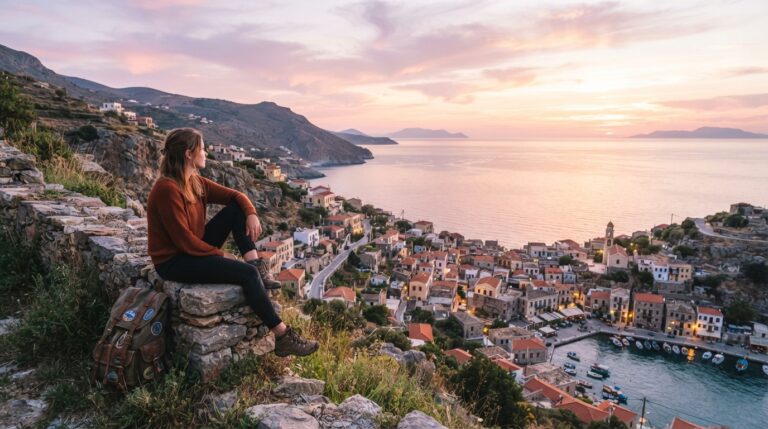

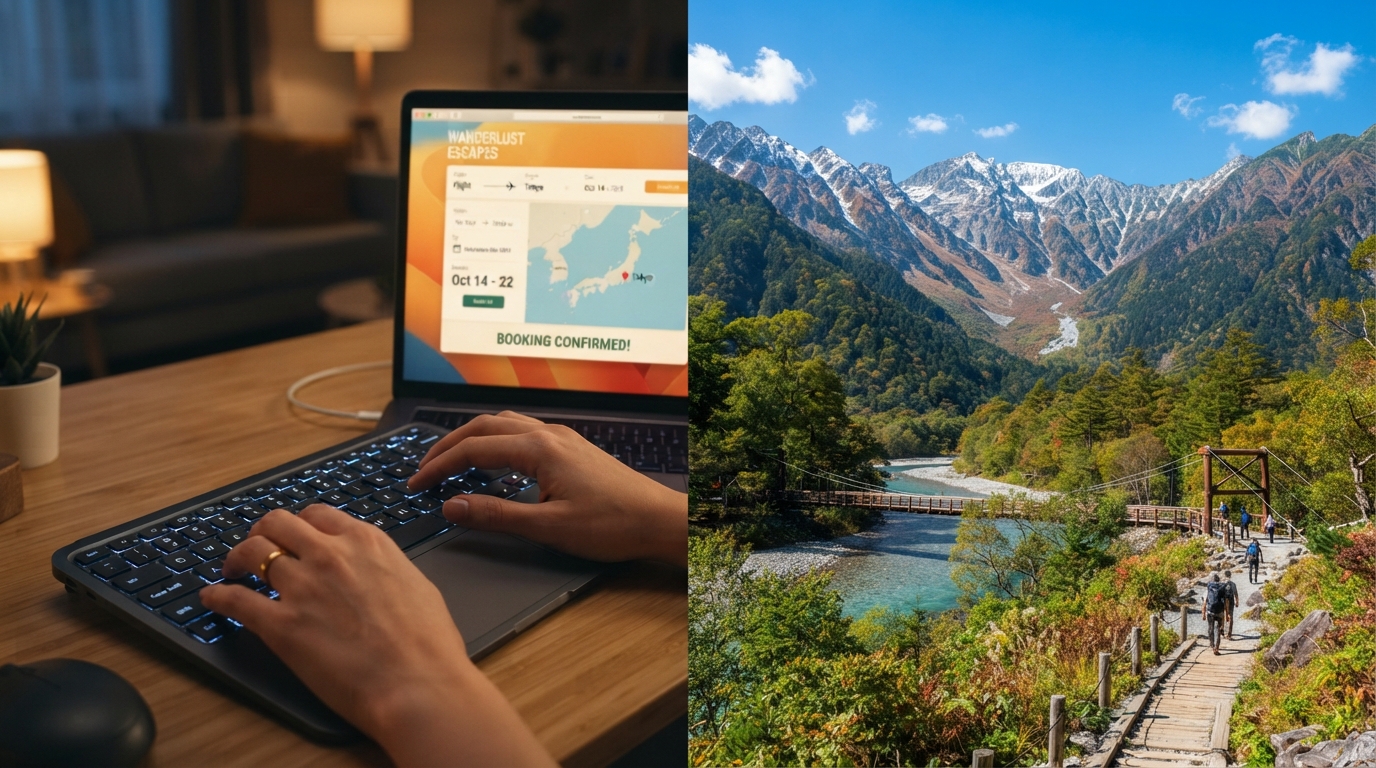
Travel itineraries are often built around speed. Visitors try to see as many landmarks, neighborhoods, museums, restaurants, and viewpoints as possible before returning home. Although this approach can create an impressive checklist, it can also leave travelers exhausted and with surprisingly little time to appreciate the places they visited.
Slow travel offers another approach. It does not require spending months in one destination or avoiding famous attractions. Instead, it means choosing experiences more carefully, reducing unnecessary movement, and creating enough space to understand a destination beyond a series of photographs and reservations.
- Decide What You Truly Do Not Want to Miss
- Research Beyond Standard Attraction Lists
- Stay Longer in Fewer Places
- Choose Accommodation in a Walkable Area
- Explore One Neighborhood at a Time
- Pay Attention to Current Interests and Trends
- Walk When It Makes Sense
- Give Major Attractions Enough Time
- Spend Time in Markets and Everyday Spaces
- Use Broad Reading as Inspiration, Not a Fixed Itinerary
- Schedule Fewer Activities Per Day
- Take Longer Meal Breaks
- Use Public Transportation Strategically
- Leave an Afternoon Without Reservations
- Repeat Places You Enjoy
- Reduce Daily Transportation
- Keep Weather-Dependent Plans Flexible
- Check Important Details Close to the Visit
- Do Not Measure the Trip by the Number of Attractions
- Keep a Flexible List Instead of a Packed Schedule
- Allow Yourself to Do Nothing for a While
- Find the Balance Between Highlights and Slow Exploration
Decide What You Truly Do Not Want to Miss
Slow travel begins with priorities. Identify the attractions or experiences that genuinely matter to you rather than automatically adding everything described as essential.
A short priority list creates room for both major landmarks and less structured exploration.
Research Beyond Standard Attraction Lists
Traditional travel guides provide useful introductions, but travelers can also find inspiration through broader online reading. General-interest content may introduce cultural themes, communities, lifestyles, or regional subjects that encourage deeper research.
During wider online exploration, readers may encounter resources such as Rubitsky. General content can provide ideas for further investigation, while practical information involving reservations, transportation, opening hours, or official requirements should be verified through appropriate current sources.
Stay Longer in Fewer Places
Changing destinations frequently creates hidden costs in both time and energy. Packing, checking out, reaching transportation terminals, traveling, and checking into another accommodation can consume much of a day.
Spending additional nights in fewer destinations can provide more actual exploration time even when the itinerary contains fewer cities.
Choose Accommodation in a Walkable Area
Location becomes particularly important for slower travel. Staying near restaurants, public transportation, markets, or areas you expect to explore frequently can simplify everyday movement.
Check a map before booking rather than evaluating accommodation entirely by price or photographs.
Explore One Neighborhood at a Time
Instead of crossing a city repeatedly, organize sightseeing geographically. Spend a morning or afternoon exploring several places within the same district.
This creates opportunities to notice streets, architecture, cafés, shops, and public spaces between planned attractions.
Pay Attention to Current Interests and Trends
Destinations continually evolve. New cultural spaces, changing neighborhoods, temporary exhibitions, food trends, and seasonal activities can influence what travelers decide to explore.
During broad online research, readers may come across general resources such as Trendfar. Such material can introduce subjects worth investigating, but travelers should independently confirm destination-specific information before making important decisions or reservations.
Walk When It Makes Sense
Walking can turn transportation time into part of the travel experience. Travelers may notice architectural details, local businesses, public spaces, and everyday activity that would be difficult to observe from a vehicle.
However, walking should remain practical. Distance, weather, accessibility, and local conditions should always influence the decision.
Give Major Attractions Enough Time
Slow travel does not mean avoiding famous landmarks. Instead, it allows travelers to experience selected attractions without immediately rushing toward the next item.
If a museum deserves three hours, give it three hours. If a historic district is enjoyable, stay longer rather than leaving simply because another attraction was scheduled.
Spend Time in Markets and Everyday Spaces
Markets, parks, cafés, squares, waterfronts, and pedestrian streets can provide a different perspective from formal sightseeing attractions.
They also give travelers opportunities to observe the rhythm of a destination while resting between more structured activities.
Use Broad Reading as Inspiration, Not a Fixed Itinerary
The internet provides almost unlimited recommendations, and trying to follow all of them can quickly make an itinerary overwhelming. General websites can still be useful for discovering ideas and perspectives that travelers might not encounter in conventional guides.
Readers exploring broader online content may encounter resources such as Internet Chicks Worth. When general content inspires a travel-related idea, further destination-specific research and verification can help determine whether it belongs in the actual itinerary.
Schedule Fewer Activities Per Day
A slow itinerary does not need an attraction assigned to every hour. Choose one or two important experiences and surround them with flexible time.
This makes delays easier to manage and allows travelers to respond to unexpected discoveries.
Take Longer Meal Breaks
Meals can become part of the travel experience rather than something squeezed between attractions. A relaxed lunch or café break provides both cultural experience and physical rest.
Save several dining options around the neighborhoods you plan to explore instead of traveling long distances for every meal.
Use Public Transportation Strategically
Slow travel does not mean walking everywhere. Public transportation can reduce unnecessary fatigue and provide efficient access to distant neighborhoods.
Understanding basic routes and ticketing systems before arrival can make spontaneous exploration easier.
Leave an Afternoon Without Reservations
An open afternoon gives travelers the freedom to follow recommendations, return to a favorite area, explore an unexpected neighborhood, or simply rest.
Some of the most enjoyable travel experiences occur because there was enough time available for them to happen.
Repeat Places You Enjoy
Travelers sometimes feel that returning to the same café, park, neighborhood, or restaurant wastes time that could be spent somewhere new.
There is no such requirement. Returning to a place you enjoyed can create familiarity and become one of the memorable parts of a longer stay.
Reduce Daily Transportation
Long transportation periods can make even a lightly scheduled day tiring. When possible, group attractions geographically and avoid unnecessary journeys across the destination.
The time saved can be used for slower exploration instead.
Keep Weather-Dependent Plans Flexible
Outdoor attractions are easier to enjoy when the itinerary can adapt to weather conditions. Parks, beaches, viewpoints, walking tours, and hikes can often be moved between days.
Keep several indoor alternatives available rather than forcing an outdoor activity into unsuitable conditions.
Check Important Details Close to the Visit
Slower travel still requires accurate practical information. Opening hours, transportation schedules, ticketing procedures, and temporary closures can change.
Verify important details through relevant current sources shortly before they become necessary.
Do Not Measure the Trip by the Number of Attractions
A traveler who visits fifteen places has not automatically experienced a destination more deeply than someone who visits eight.
The quality of a trip depends on what you noticed, learned, enjoyed, and remembered rather than the number of completed items on a checklist.
Keep a Flexible List Instead of a Packed Schedule
Save additional attractions, restaurants, neighborhoods, and activities without assigning all of them to specific times.
When free time appears, choose from this list according to location, weather, energy, and current interests.
Allow Yourself to Do Nothing for a While
Sitting beside a waterfront, spending an hour in a café, relaxing in a park, or simply returning to the accommodation early can be part of a successful vacation.
Rest does not reduce the value of travel. It can provide the energy needed to enjoy the rest of the journey more fully.
Find the Balance Between Highlights and Slow Exploration
Slow travel works best when it is treated as a balance rather than a strict philosophy. Travelers do not need to ignore famous attractions, abandon itineraries, or spend weeks in every destination.
By selecting meaningful highlights, staying longer in fewer places, organizing activities geographically, leaving open periods, and giving interesting experiences enough time, travelers can see the places that matter without making the entire journey feel rushed. A memorable vacation is not always the one where you saw the most. Often, it is the one where you had enough time to actually enjoy what you saw.