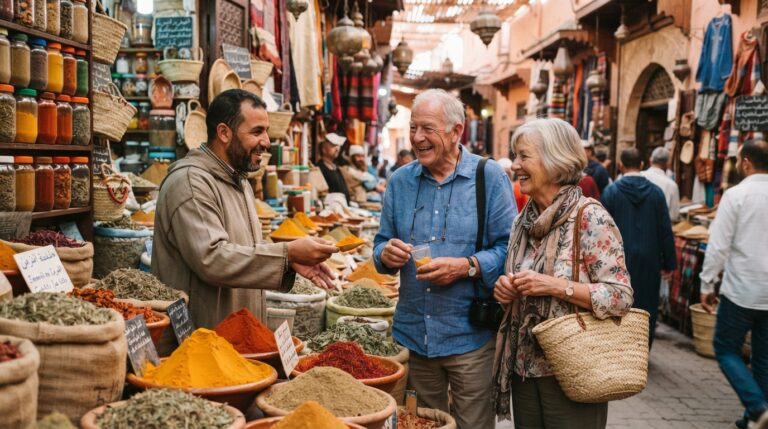

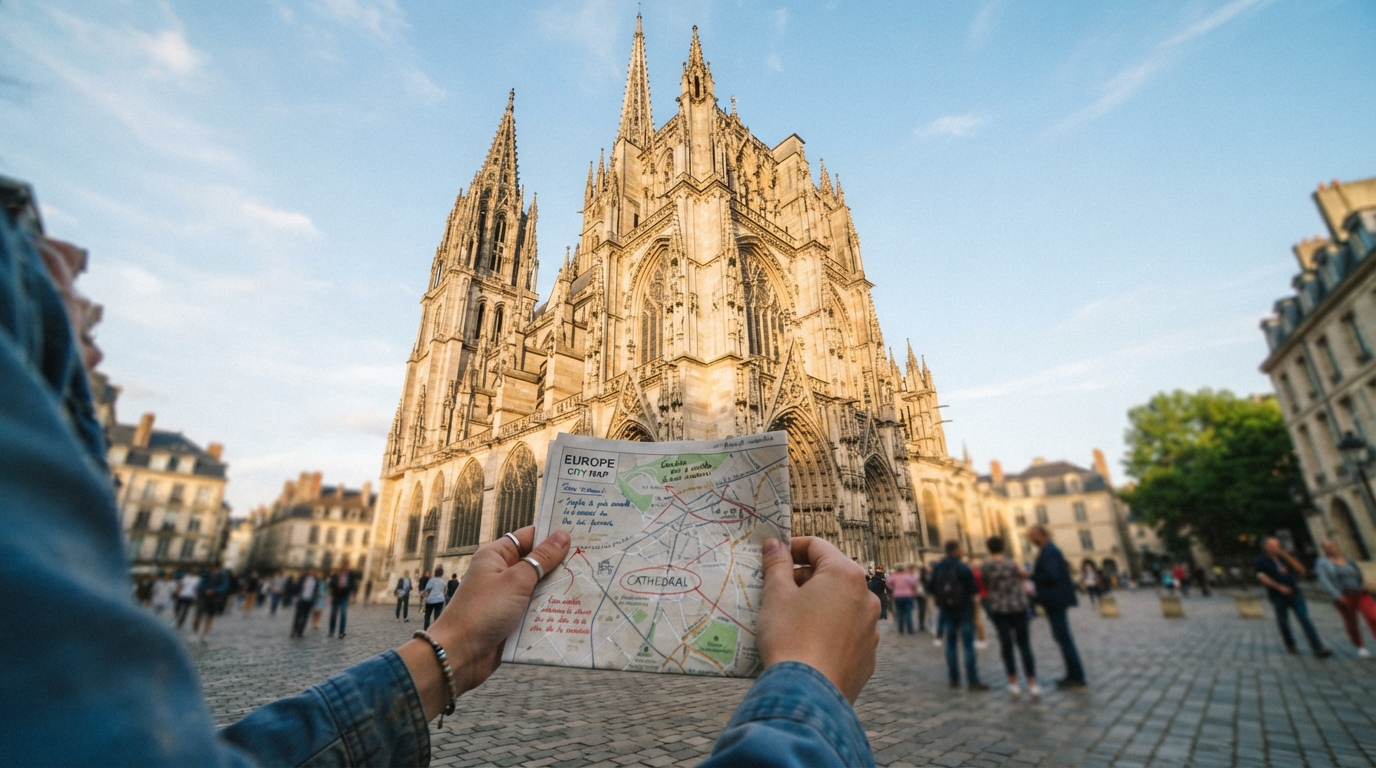
Popular travel itineraries can be useful starting points, but they are rarely perfect for every traveler. One visitor may happily spend an entire afternoon in a museum, while another would rather explore local food markets, walk through interesting neighborhoods, or spend the day outdoors. A successful trip should reflect these personal preferences instead of simply reproducing someone else’s list of attractions.
Planning around your interests can also make travel research easier. Instead of trying to evaluate everything a destination offers, you can focus on experiences that genuinely appeal to you, organize them efficiently, and leave enough free time for discoveries after arrival.
- Define What Makes a Trip Enjoyable for You
- Search Broadly for Inspiration
- Choose a Destination That Matches Your Interests
- Research Neighborhoods as Carefully as Attractions
- Create an Interest-Based Shortlist
- Explore Different Perspectives Before Deciding
- Use a Map to Organize Your Interests
- Prioritize Quality Over Quantity
- Include Experiences Beyond Famous Landmarks
- Use General Information to Add Context
- Build Each Day Around One Main Priority
- Leave Room for Spontaneous Interests
- Research Food According to Your Preferences
- Consider Your Preferred Travel Pace
- Keep Weather-Dependent Interests Flexible
- Check Which Experiences Need Advance Booking
- Organize Essential Travel Information
- Verify Practical Details Before Departure
- Do Not Follow Recommendations Just Because They Are Popular
- Review the Next Day Without Rebuilding the Entire Plan
- Allow Yourself to Change Your Mind
- Create a Trip That Feels Like Your Own
Define What Makes a Trip Enjoyable for You
Before researching attractions, identify the experiences you value most. Consider whether you prefer history, architecture, food, nature, photography, shopping, nightlife, beaches, museums, sports, or slower exploration.
There is no requirement for a vacation to include every category. Knowing what you actually enjoy creates a useful foundation for every later decision.
Search Broadly for Inspiration
Travel ideas can emerge from sources that are not exclusively focused on tourism. General-interest websites may introduce topics involving communities, culture, lifestyle, entertainment, or other developments that encourage readers to investigate unfamiliar places.
During broader online research, readers may encounter resources such as Venture Cake. General content can serve as inspiration for further exploration, while practical details affecting actual travel arrangements should be checked through appropriate and current sources.
Choose a Destination That Matches Your Interests
A destination should offer more than a famous landmark. Consider whether it provides enough experiences connected to the activities you enjoy.
Someone interested in food may prioritize markets and regional cuisine, while an outdoor traveler might compare hiking opportunities, climate, and transportation to natural areas.
Research Neighborhoods as Carefully as Attractions
Neighborhoods can influence a trip just as much as major sights. Different areas may offer completely different experiences, including nightlife, historic streets, cafés, markets, galleries, parks, or residential character.
Researching these areas also helps travelers choose accommodation in a location that suits their preferred travel style.
Create an Interest-Based Shortlist
Instead of immediately creating a daily schedule, make a shortlist of attractions and activities that genuinely interest you.
Once the list is complete, rank the options according to importance. This makes it easier to decide what deserves a fixed place in the itinerary and what can remain optional.
Explore Different Perspectives Before Deciding
Different types of online content can reveal different sides of a destination. Travel guides may emphasize landmarks, while broader publications and discussions may introduce cultural topics, events, or everyday perspectives.
During wider browsing, travelers may come across general resources such as Bajiroo. Such material can introduce subjects worth researching further, but travelers should independently verify important details before making reservations or changing significant plans.
Use a Map to Organize Your Interests
Once you have identified interesting places, save them on a map. This can reveal which attractions are naturally located near one another.
Geographic organization reduces transportation time and makes it easier to explore several relevant places without creating a tightly controlled schedule.
Prioritize Quality Over Quantity
Visiting ten attractions in one day does not necessarily create a better travel experience than spending meaningful time at three or four.
A shorter list allows travelers to explore without constantly checking the time or rushing toward the next reservation.
Include Experiences Beyond Famous Landmarks
Major attractions can absolutely deserve a place in the itinerary, but they do not need to dominate every day. Markets, neighborhoods, local restaurants, parks, smaller museums, and public spaces can provide valuable contrast.
Combining famous sights with everyday experiences often creates a more varied understanding of the destination.
Use General Information to Add Context
Learning about a destination’s broader cultural environment can make sightseeing more meaningful. General online content may introduce ideas, conversations, or regional topics that encourage additional research.
Readers exploring wider web content may encounter resources such as HotKlix. General information can provide context or inspiration, while time-sensitive facts involving transportation, schedules, official requirements, or safety should be confirmed through the relevant responsible sources.
Build Each Day Around One Main Priority
A useful way to prevent overplanning is to give each sightseeing day one major focus. This could be an important museum, a neighborhood, a day trip, an outdoor activity, or another experience you particularly value.
Additional activities can then be selected according to location, available time, and energy.
Leave Room for Spontaneous Interests
Personal interests can evolve after arrival. A traveler may unexpectedly become fascinated by local architecture, discover a food they want to explore further, or hear about an event that was not available during advance research.
Keeping some open time allows the itinerary to respond to these discoveries.
Research Food According to Your Preferences
Instead of searching only for the most famous restaurants, consider the type of dining experience you enjoy. Some travelers prefer street food and markets, while others value traditional restaurants, cafés, or contemporary dining.
Save several options in different neighborhoods rather than scheduling every meal before departure.
Consider Your Preferred Travel Pace
Two travelers with identical interests may still require completely different itineraries. One may enjoy early mornings and full sightseeing days, while another prefers slower mornings and longer breaks.
Build the schedule around a realistic pace rather than an idealized version of how much you think you should accomplish.
Keep Weather-Dependent Interests Flexible
If outdoor activities are a major part of the trip, avoid locking every one of them to a specific day too far in advance.
Keep indoor alternatives available so that museums, markets, galleries, or other activities can replace outdoor plans when conditions are unfavorable.
Check Which Experiences Need Advance Booking
Some personal priorities may require reservations. Popular restaurants, guided tours, performances, museums, and special activities can sell out.
Reserve the experiences that would genuinely disappoint you to miss while leaving less important activities flexible.
Organize Essential Travel Information
Flexible sightseeing works best when important logistics are already under control. Keep transportation details, accommodation information, reservations, tickets, and useful addresses organized.
Saving essential information offline can also prevent problems when internet connectivity becomes unreliable.
Verify Practical Details Before Departure
Travel information can change between the initial research stage and the actual journey. Opening hours, transportation schedules, prices, and reservation procedures may be different by the time you arrive.
Shortly before departure, confirm the details connected to your highest-priority activities.
Do Not Follow Recommendations Just Because They Are Popular
Popularity can indicate that an attraction is worthwhile, but it does not guarantee that every traveler will enjoy it. A place with thousands of positive reviews may still be irrelevant to your interests.
Use recommendations as information rather than instructions. Your limited travel time should primarily be spent on experiences that appeal to you.
Review the Next Day Without Rebuilding the Entire Plan
Each evening, briefly check the following day’s important reservations, transportation, and expected weather.
If circumstances have changed, move optional activities around rather than treating the original itinerary as permanent.
Allow Yourself to Change Your Mind
Planning decisions made at home do not have to remain unchanged after arrival. You may discover that you enjoy one neighborhood more than expected or that an attraction no longer seems worth the journey.
Changing an optional plan is not a planning failure. It is one of the advantages of maintaining flexibility.
Create a Trip That Feels Like Your Own
Travel becomes more rewarding when an itinerary reflects genuine curiosity instead of a generic list of things visitors are expected to do. Famous attractions, local neighborhoods, food, culture, outdoor activities, and spontaneous discoveries can all play different roles depending on the traveler.
By identifying your interests, researching from multiple perspectives, prioritizing meaningful experiences, organizing activities geographically, and keeping enough flexibility to adapt after arrival, you can create a trip that feels personal rather than standardized. The goal is not to see everything a destination offers. It is to experience the parts that matter most to you.