
Home cooking can be one of the most practical ways to gain greater control over what you eat. It allows you to choose ingredients, adjust portions, experiment with flavors, and prepare meals according to personal preferences. Yet for many people, cooking every day can also feel time-consuming and difficult to organize.
The solution does not necessarily involve preparing complicated recipes. A well-organized kitchen, a collection of reliable meals, flexible ingredients, and a little advance planning can make everyday cooking considerably easier. The goal is to create a routine that provides enjoyable food without turning every meal into a major project.
- Start With Simple Meal Planning
- Build Meals Around Familiar Ingredients
- Keep a Collection of Reliable Recipes
- Make Healthy Food Enjoyable
- Explore Food Ideas Without Chasing Every Trend
- Prepare Ingredients in Advance
- Learn Basic Cooking Techniques
- Learn From Professional Cooking
- Use Leftovers Creatively
- Shop With a Purpose
- Balance Nutrition Across the Day
- Make Cooking Fit Your Schedule
- Focus on Consistency Rather Than Perfection
Start With Simple Meal Planning
Meal planning can reduce one of the most common daily problems: deciding what to cook when everyone is already hungry. Before shopping, consider several meals that can be prepared during the coming days and identify which ingredients they share.
The plan does not need to specify every meal precisely. Leaving some flexibility makes it easier to respond to schedule changes, leftovers, or changing preferences while still having enough ingredients available at home.
Build Meals Around Familiar Ingredients
Keeping a selection of versatile ingredients can make cooking faster. Rice, pasta, grains, beans, vegetables, eggs, herbs, sauces, and suitable protein sources can often be combined in several different ways.
People looking for food ideas and inspiration may encounter resources such as Farmhouse Foods Co while researching meals and food-related topics. Whatever recipes or ideas you discover, adapting them to ingredients already available can help reduce unnecessary purchases.
Keep a Collection of Reliable Recipes
Trying something new can make cooking interesting, but every meal does not need to be an experiment. Having several dependable recipes makes busy evenings much easier.
A useful collection might include a quick pasta dish, a soup, a rice-based meal, a simple protein with vegetables, and a few meals that can use leftovers. Once these basic recipes become familiar, ingredients and seasonings can be changed to create variety.
Make Healthy Food Enjoyable
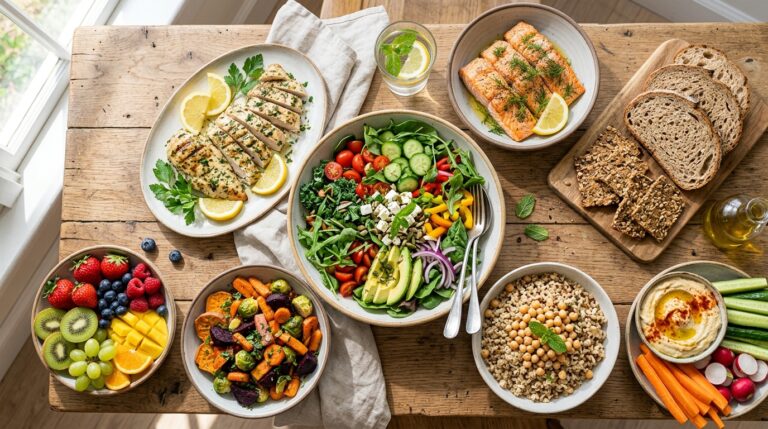
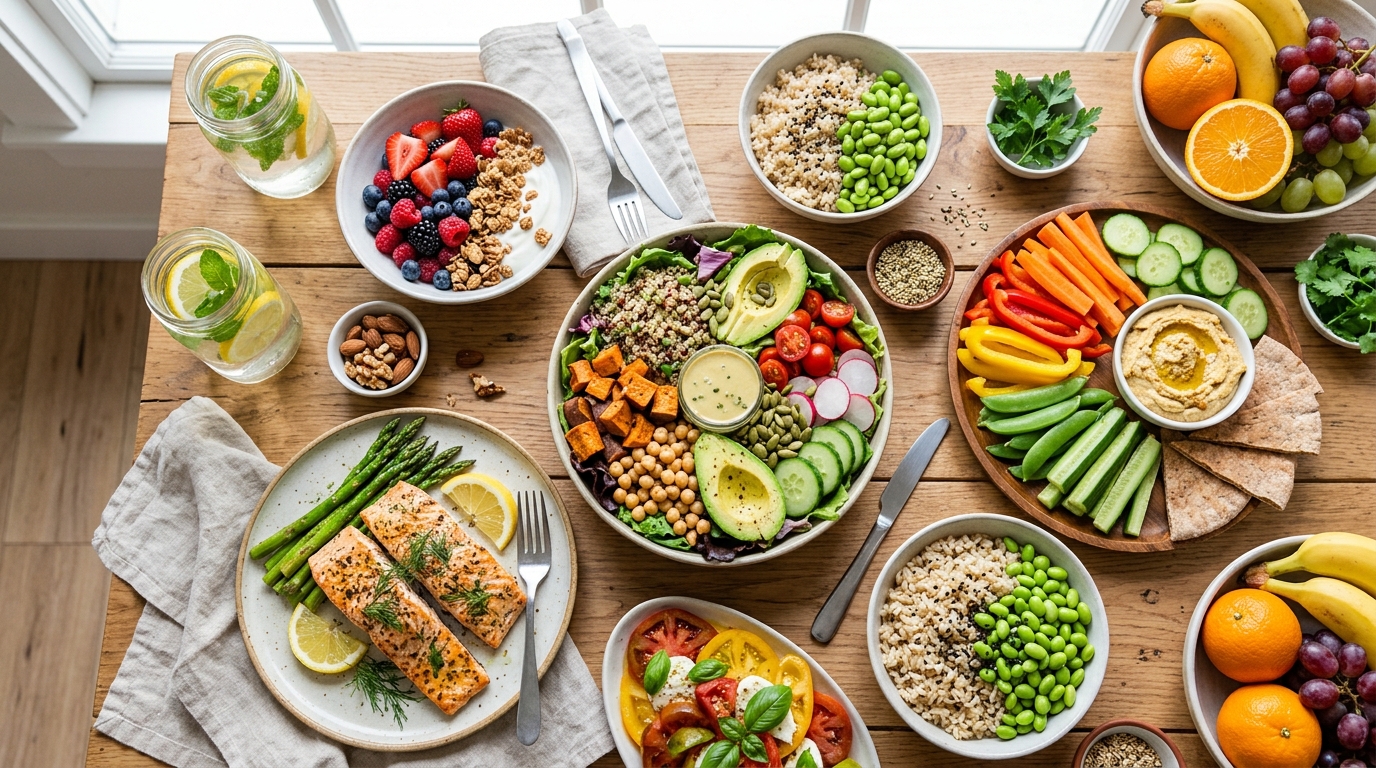
Nutritious meals do not need to be bland. Herbs, spices, citrus, garlic, onions, sauces, and different cooking techniques can add substantial flavor without making a recipe unnecessarily complicated.
Roasting vegetables, for example, creates a different flavor and texture from boiling them. Grilling, steaming, sautéing, and baking can also provide variety even when many of the same ingredients are used.
Explore Food Ideas Without Chasing Every Trend
Food websites and social platforms provide an enormous supply of recipes and cooking inspiration. They can introduce new ingredients and techniques, but constantly attempting complicated trending recipes can also make everyday cooking more expensive and demanding.
For general food exploration, readers may come across sites such as Foody Goody. A practical approach is to take inspiration from different sources while choosing recipes that match your available time, budget, equipment, and cooking ability.
Prepare Ingredients in Advance
A small amount of preparation can save considerable time later. Vegetables can sometimes be washed or chopped ahead of use, grains can be cooked in larger quantities, and sauces or dressings may be prepared in advance when they can be stored safely.
Batch preparation is particularly useful for ingredients that can appear in several meals. A prepared ingredient does not have to become the same dish every day; it can serve as a component in different recipes.
Learn Basic Cooking Techniques
Recipes are useful, but understanding basic techniques provides greater flexibility. Learning how to sauté vegetables, roast ingredients, prepare grains, make a simple sauce, and safely cook common proteins can make it easier to prepare meals without following detailed instructions every time.
Technique also helps when substitutions are necessary. If an ingredient is unavailable, a cook who understands the purpose it serves in a recipe can often choose a reasonable alternative.
Learn From Professional Cooking
Professional chefs often work very differently from inexperienced home cooks. Organization, preparation, timing, ingredient management, and consistency are important because several components may need to be completed together.
Those interested in culinary ideas and chef-related perspectives may include Entre Chefs among the food resources they explore. Home cooks do not need professional equipment or restaurant techniques, but principles such as preparing ingredients before cooking can make the process smoother.
Use Leftovers Creatively
Leftovers do not always need to be served exactly as they appeared in the original meal. Cooked vegetables might become part of a soup, rice can be incorporated into another dish, and roasted meat or other proteins may be used in sandwiches, wraps, salads, or bowls.
Planning for leftovers can also reduce food waste and save time. However, cooked foods should always be cooled, stored, and reheated according to appropriate food-safety practices.
Shop With a Purpose
Shopping without a plan can lead to purchasing ingredients that never become part of a meal. A shopping list based on several planned dishes can help keep purchases focused.
Before leaving for the store, checking the refrigerator, freezer, and pantry can prevent unnecessary duplicates. It can also reveal ingredients that should be used soon and can therefore influence the week’s meal choices.
Balance Nutrition Across the Day
Every individual meal does not need to contain every possible nutrient. It is more useful to consider the overall pattern of eating across the day and week.
A varied diet can include vegetables and fruits, protein sources, grains or other carbohydrate-rich foods, and appropriate sources of fats. Individual nutritional requirements differ, so people with medical conditions or specific dietary needs may benefit from professional nutritional guidance.
Make Cooking Fit Your Schedule
A sustainable cooking routine should reflect the amount of time actually available. Elaborate meals may be enjoyable on quieter days, while busy evenings may call for dishes that can be prepared quickly.
Keeping several fast options available reduces the pressure to cook everything from scratch. Frozen vegetables, canned beans, prepared ingredients, and previously cooked portions can all have a place in a practical kitchen.
Focus on Consistency Rather Than Perfection
Becoming more comfortable in the kitchen happens gradually. Some recipes will work better than others, and occasional convenience meals or restaurant food do not erase the benefits of cooking regularly.
By planning meals, keeping versatile ingredients available, learning basic techniques, using leftovers intelligently, and choosing recipes that fit everyday life, home cooks can make food preparation simpler and more enjoyable. Over time, these habits can support a kitchen routine that balances convenience, nutrition, budget, and good food.