
Choosing the right motorcycle is an exciting decision, but it requires more than selecting a bike based on appearance or engine size. Every rider has different needs, whether the goal is daily commuting, long-distance touring, weekend adventures, or high-performance riding. Understanding the key factors behind motorcycle selection can help you find a machine that provides the right balance of performance, comfort, reliability, and safety.
Understand Your Riding Purpose
The first step is to determine how you plan to use the motorcycle. A commuter may benefit from a lightweight and fuel-efficient bike that is easy to handle in traffic. Touring riders often need comfortable seating, a larger fuel tank, luggage capacity, and strong highway performance. Adventure riders may prefer motorcycles with versatile suspension and durable construction for different road conditions.
Performance-focused riders should also consider acceleration, top speed, braking capability, and handling. Exploring resources such as Fastest Motorcycle can help enthusiasts understand the performance characteristics associated with high-speed motorcycles and modern engineering.
Consider Engine Size and Performance
Engine displacement is another important consideration. Smaller engines are generally easier for new riders to manage and can be practical for urban transportation. Mid-sized motorcycles often provide a good balance between power, fuel economy, and versatility. Larger engines can deliver impressive acceleration and highway performance but may require greater riding experience and confidence.
Rather than choosing the biggest engine available, riders should select a motorcycle that matches their experience level and intended use. Smooth power delivery and predictable handling are often more valuable than maximum horsepower for everyday riding.
Pay Attention to Comfort and Ergonomics
A motorcycle can have excellent performance but still be uncomfortable if its ergonomics do not suit the rider. Seat height, handlebar position, footpeg placement, and overall riding posture can significantly affect comfort, particularly during longer journeys.
Riders should ideally sit on several motorcycles before making a purchase. A properly positioned riding posture can reduce fatigue and provide better control. For people interested in different bike styles and designs, Martin Bike can serve as another point of reference when exploring motorcycle and cycling-related options.
Evaluate Handling and Safety Features
Handling is just as important as engine performance. A motorcycle that responds predictably to steering inputs can make everyday riding more enjoyable and controlled. Suspension quality, tire selection, braking systems, and chassis design all contribute to handling characteristics.
Modern motorcycles may also include useful safety technologies such as anti-lock braking systems, traction control, riding modes, and electronic stability features. These technologies can provide additional support, although riders should never rely on electronics instead of responsible riding techniques.
Think About Maintenance and Ownership Costs
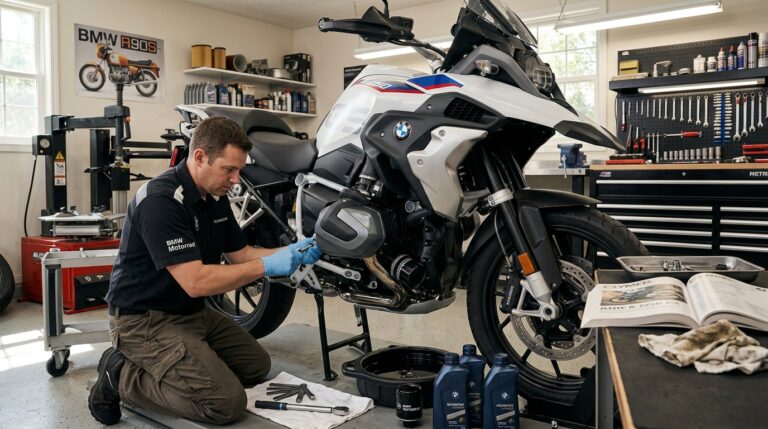
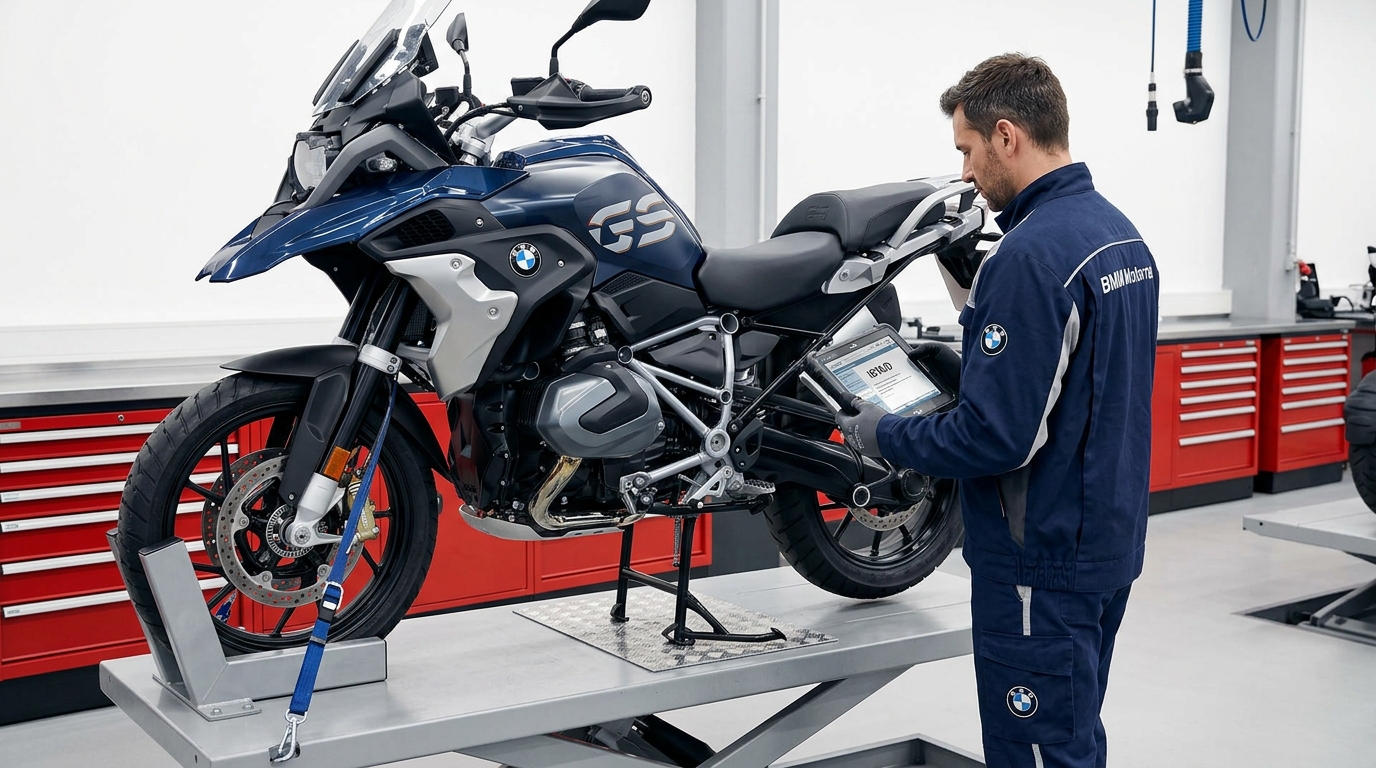
Buying a motorcycle is only the beginning of ownership. Riders should consider insurance, fuel consumption, scheduled servicing, replacement tires, brake components, chain maintenance, and other running costs. A motorcycle that is affordable to purchase may become expensive if replacement parts or regular maintenance are costly.
It is also useful to research the availability of service centers and spare parts before committing to a particular model. Enthusiasts looking for motorcycle-related inspiration and information can explore Moto Champ as part of their broader research.
Choose With Long-Term Use in Mind
The best motorcycle is not necessarily the fastest or most expensive model. It is the one that fits the rider’s experience, lifestyle, budget, and expectations. Taking time to compare motorcycles, test different riding positions, evaluate ownership costs, and understand safety features can lead to a much more satisfying purchase.
Ultimately, choosing a motorcycle should be about finding the right combination of performance, comfort, practicality, and enjoyment. With careful research and realistic expectations, riders can select a motorcycle that remains useful and enjoyable for years to come.