

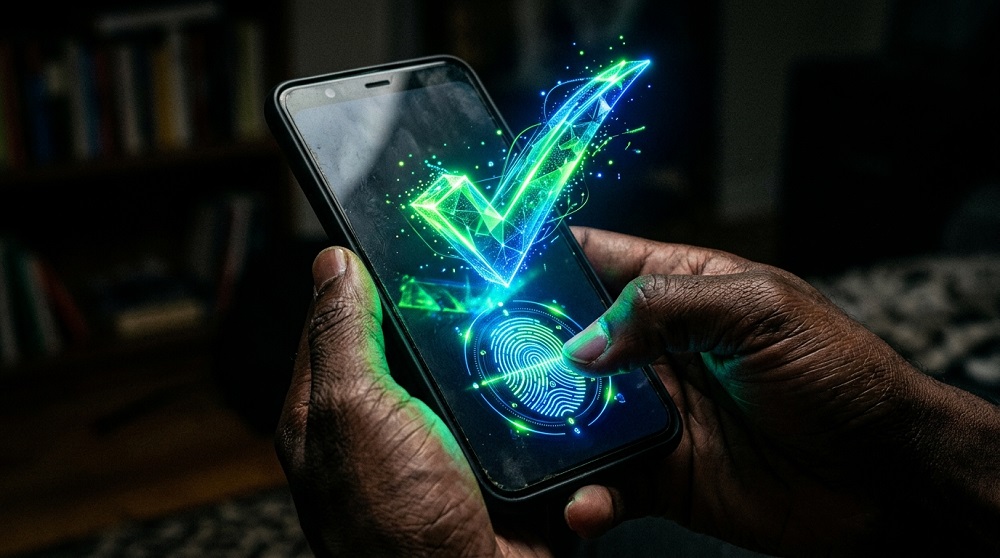
Cybersecurity often sounds like a topic reserved for IT professionals, but the truth is most breaches happen because of small, avoidable habits rather than sophisticated hacking. Building a few consistent practices into your daily routine can dramatically reduce your risk of falling victim to scams, data theft, or account breaches.
- Strengthen Your Passwords
- Use Unique Passwords for Every Account
- Rely on a Password Manager
- Turn On Two-Factor Authentication
- Recognize and Avoid Scams
- Be Skeptical of Unexpected Messages
- Check Links Before Clicking
- Verify Requests for Money or Personal Information
- Keep Your Devices Updated
- Install Software Updates Promptly
- Use Antivirus and Firewall Protection
- Practice Safe Browsing and Networking
- Avoid Public Wi-Fi for Sensitive Transactions
- Back Up Important Data Regularly
- Building the Habit
- Make Security Checks Routine
- Final Thoughts
Strengthen Your Passwords
Use Unique Passwords for Every Account
Reusing the same password across multiple sites means one breach can compromise everything. If a single leaked password gives attackers access to your email, banking, and social accounts, the damage multiplies quickly. Unique passwords for each account limit that risk.
Rely on a Password Manager
Remembering dozens of complex, unique passwords isn’t realistic without help. A password manager generates and stores strong passwords securely, so you only need to remember one master password instead of juggling them all yourself.
Turn On Two-Factor Authentication
Two-factor authentication (2FA) adds a second layer of verification — usually a code sent to your phone or generated by an app — beyond just your password. Even if a password is stolen, 2FA makes it significantly harder for someone to access your account.
Recognize and Avoid Scams
Be Skeptical of Unexpected Messages
Phishing emails and texts often create a false sense of urgency — a locked account, an unpaid invoice, a security alert — to pressure you into clicking a link without thinking. If a message feels rushed or unusual, take a moment to verify it through official channels before responding.
Check Links Before Clicking
Hovering over a link (or long-pressing on mobile) often reveals the actual destination URL. Mismatched or unfamiliar domains are a common red flag, especially in messages claiming to be from your bank or a familiar company.
Verify Requests for Money or Personal Information
Legitimate organizations rarely ask for sensitive information like passwords or full account numbers over email or text. When in doubt, contact the company directly using a phone number or website you already know is legitimate — not one provided in the suspicious message.
Keep Your Devices Updated
Install Software Updates Promptly
Updates often include patches for security vulnerabilities that have already been identified and, in some cases, actively exploited. Delaying updates leaves known gaps open longer than necessary.
Use Antivirus and Firewall Protection
Basic antivirus software and a properly configured firewall add a baseline layer of protection against malware, especially on devices used for banking or sensitive work.
Practice Safe Browsing and Networking
Avoid Public Wi-Fi for Sensitive Transactions
Public networks are easier to intercept than private ones. Avoid logging into banking apps or entering payment information while connected to open Wi-Fi, or use a VPN if you need to access sensitive accounts on the go.
Back Up Important Data Regularly
Regular backups — whether to an external drive or a secure cloud service — protect you from data loss due to ransomware, hardware failure, or accidental deletion. It’s a simple habit that pays off significantly when something goes wrong.
Building the Habit
Make Security Checks Routine
Set a recurring reminder to review account activity, update passwords for sensitive accounts, and check for unfamiliar devices logged into your accounts. Treating this as a periodic habit, rather than a one-time setup, keeps your defenses current.
Final Thoughts
Strong cybersecurity doesn’t require advanced technical knowledge — it requires consistency. Unique passwords, two-factor authentication, cautious clicking, and regular updates form a solid foundation that protects against the vast majority of everyday threats.