
Artificial intelligence has quietly moved from research labs into the products we use every day. It’s no longer a futuristic concept reserved for science fiction — it’s embedded in the phone in your pocket, the car you drive, and the apps you open dozens of times a day. Understanding how AI shapes everyday technology helps explain why so many devices feel smarter than they did just a few years ago.
- AI in the Devices You Already Own
- Smartphones Are Getting Smarter
- Smart Home Devices Learn Your Habits
- Voice Assistants Keep Improving
- AI Behind the Scenes
- Recommendation Systems Shape What You See
- Fraud Detection and Security
- Customer Service Chatbots
- AI in Transportation
- Driver-Assist Features
- Smarter Navigation
- What This Means Going Forward
- More Personalization, More Questions
- AI as an Invisible Layer
- Final Thoughts
AI in the Devices You Already Own
Smartphones Are Getting Smarter
Modern smartphones use AI for far more than voice assistants. Camera systems rely on machine learning to adjust exposure, detect faces, and enhance low-light photos in real time. Predictive text, battery optimization, and even how your phone prioritizes notifications are all shaped by AI models running quietly in the background.
Smart Home Devices Learn Your Habits
Thermostats, lighting systems, and security cameras increasingly use AI to adapt to routines rather than relying on fixed schedules. A smart thermostat that learns when you’re usually home, or a camera that can distinguish between a person and a passing car, relies on pattern recognition refined through machine learning.
Voice Assistants Keep Improving
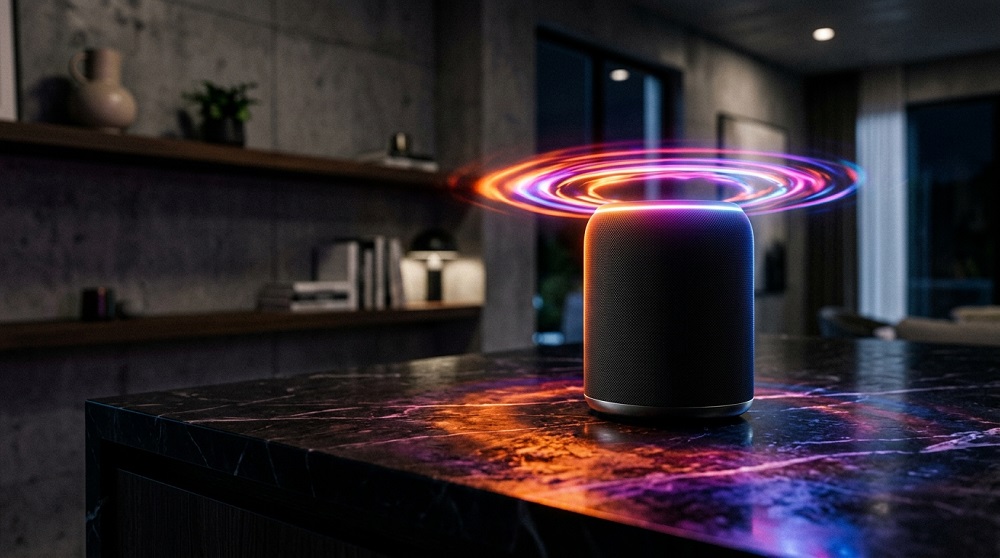
Voice assistants like those built into speakers and phones use natural language processing to interpret increasingly complex requests. Improvements in this space mean fewer misunderstood commands and more natural, conversational interactions over time.
AI Behind the Scenes
Recommendation Systems Shape What You See
Streaming platforms, shopping sites, and social media feeds all rely on AI-driven recommendation engines. These systems analyze behavior patterns to predict what you’re likely to want next, which is why two people can open the same app and see completely different content.
Fraud Detection and Security
Banks and payment platforms use AI to flag unusual transaction patterns in real time, often catching fraudulent activity faster than manual review ever could. This same pattern-recognition approach helps email providers filter spam and phishing attempts before they reach your inbox.
Customer Service Chatbots
Many companies now use AI-powered chat systems to handle common customer questions instantly, reserving human support for more complex issues. When designed well, this can mean faster resolutions rather than longer hold times.
AI in Transportation
Driver-Assist Features
Even outside fully autonomous vehicles, AI now powers features like adaptive cruise control, lane-keeping assistance, and automatic emergency braking — technology that’s become standard in many new cars rather than a luxury add-on.
Smarter Navigation
Traffic prediction and route optimization in mapping apps rely on AI models analyzing real-time data from millions of users, helping you avoid congestion before it even shows up on a traditional map.
What This Means Going Forward
More Personalization, More Questions
As AI becomes more capable of learning individual preferences, the technology around us will keep feeling more tailored — but this also raises ongoing questions about data privacy and how much personal information these systems should have access to.
AI as an Invisible Layer
Perhaps the most notable shift is that AI is becoming less visible, not more. Rather than standing out as a distinct “feature,” it’s increasingly woven into the basic functionality of everyday technology, working in the background to make devices feel more intuitive.
Final Thoughts
Artificial intelligence has already reshaped everyday technology in ways many people don’t consciously notice — from smarter cameras to safer driving features to more relevant recommendations. As the technology continues to mature, it’s likely to become even more deeply integrated into daily life, making the tools we rely on faster, more adaptive, and increasingly personalized.