
- Key Takeaways
- Table of Contents
- Watch for Early Warning Signs
- Locate Key Shut-Off Valves
- Build a Seasonal Maintenance Routine
- Spring
- Summer
- Fall
- Winter
- Reduce Leak Risks
- Protect Drains and Sewer Lines
- Prepare Heating Equipment
- Prepare for Storms and Power Loss
- Respond Safely During an Emergency
- Know When to Call a Professional
- Final Checklist
Key Takeaways
-
Small leaks, recurring clogs, water stains, and unusual noises deserve attention.
-
Every household should know the location of the main water shut-off valve and electrical panel.
-
Seasonal checks can reduce the risk of frozen pipes, water damage, backups, and heating trouble.
-
Gas odors, sewage, electrical hazards, and major leaks require professional assistance.
Table of Contents
-
Watch for Early Warning Signs
-
Locate Key Shut-Off Valves
-
Build a Seasonal Routine
-
Reduce Leak Risks
-
Protect Drains and Sewer Lines
-
Prepare Heating Equipment
-
Prepare for Storms and Power Loss
-
Respond Safely During an Emergency
-
Know When to Call a Professional
-
Final Checklist
Plumbing, sewer, and heating problems often start with small changes that are easy to dismiss. A damp cabinet, a slow drain, or a room that no longer heats evenly can be an early opportunity to investigate before the issue disrupts the home.
A practical maintenance routine helps homeowners respond with less stress when something goes wrong. For service involving plumbing, heating, cooling, drains, or sewer concerns, Pasquesi Plumbing, Heating, Cooling & Sewer can help homeowners address urgent problems and plan preventive repairs.
Watch for Early Warning Signs
Check beneath sinks, around toilets, near appliances, and along ceilings for moisture, peeling paint, musty odors, stains, or warped flooring. Listen for banging pipes, hissing near fixtures, gurgling drains, or a heating system that repeatedly starts and stops. A single slow drain may be local, but several slow fixtures, a gurgling toilet, or water appearing in a floor drain can point to a larger drain or sewer issue.
A small ceiling stain can become a major repair if a roof, pipe, or fixture leak continues unnoticed. Photograph changes, note when they appear, and arrange an inspection if the affected area grows or becomes wet.
Locate Key Shut-Off Valves
Find the main water shut-off valve before an emergency. It may be near the water meter, where the service line enters the home, or in a utility area. Also identify fixture-level shut-offs beneath sinks and behind toilets. Label valves, keep access clear, and test them gently during calm conditions. Do not force an old, corroded, or stuck valve, because it may break or begin leaking.
Build a Seasonal Maintenance Routine
Spring
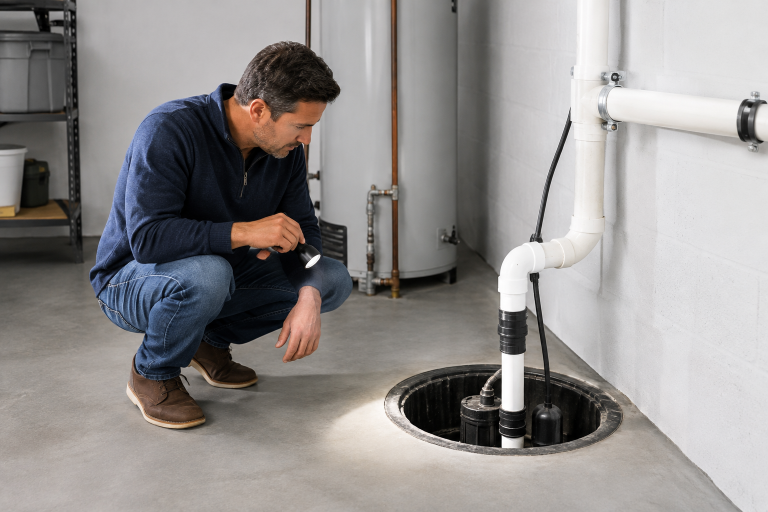
Test the sump pump according to its manufacturer’s instructions, inspect the discharge area, clear gutters, and check outdoor faucets for winter damage. Look for dampness around basement drains and exposed piping.
Summer
Inspect washing machine hoses, toilet connections, irrigation components, and visible water heater fittings. Compare water bills from similar periods when possible, since an unexplained increase can justify a leak check.
Fall
Disconnect garden hoses, drain or protect outdoor plumbing as appropriate for the climate, and insulate accessible pipes in unheated areas such as garages and crawl spaces.
Winter
Keep indoor temperatures consistent during freezing weather. Open cabinet doors near exterior plumbing when needed so warm air can circulate, and make sure carbon monoxide alarms are operating.
Reduce Leak Risks
Inspect appliance hoses for cracking, bulging, corrosion, or loose connections. Check faucet bases, toilet supply lines, and the area around the water heater for drips or rust. The EPA’s home maintenance guidance recommends checking water-using fixtures regularly and using a water meter during a period of no water use to help identify a possible hidden leak.
A toilet dye test is another simple check. Add a small amount of food coloring to the tank, wait without flushing, and look for color in the bowl. If color appears, the toilet is leaking internally.
Protect Drains and Sewer Lines
Keep grease, wipes, paper towels, hair, food scraps, and nonapproved products out of drains. Use drain screens and empty them often. Repeated backups should not be treated only with temporary clearing, particularly when several fixtures are affected. Tree roots, aging lines, shifting soil, and heavy rain can contribute to sewer problems that need a proper diagnosis.
Prepare Heating Equipment
Schedule routine heating service before sustained cold weather when possible. Replace filters as recommended for the equipment, keep supply and return vents open, and remove flammable storage from around furnaces, boilers, and water heaters. If you smell gas, hear a carbon monoxide alarm, or suspect combustion trouble, leave the building, avoid operating switches or appliances, and contact emergency services or the gas utility from a safe location.
Prepare for Storms and Power Loss
Clear leaves from gutters, downspouts, and drainage paths before heavy rain. Keep a backup plan for a sump pump if a power outage would create a basement flooding risk. Federal flood safety guidance advises people to avoid floodwater and stay away from wet electrical equipment. Never handle electrical devices while standing in water.
Respond Safely During an Emergency
-
Identify the source of the problem without entering unsafe areas.
-
Shut off water if a safe, accessible valve is available.
-
Turn off electricity only if the electrical panel can be reached without walking through water.
-
Move valuables away from the affected area when it is safe to do so.
-
Take photos, note when the issue began, and document visible damage.
-
Contact the appropriate plumbing, sewer, heating, gas, or electrical professional.
Know When to Call a Professional
Do not treat gas leaks, sewage exposure, burst pipes inside walls, major water loss, electrical hazards, or recurring sewer backups as do-it-yourself projects. Ask for a clear diagnosis, available repair options, safety recommendations, and maintenance steps. Keep records of equipment ages, warranties, inspections, and completed repairs for future reference.
Final Checklist
-
Find and label the main water shut-off valve.
-
Inspect visible pipes, hoses, fixtures, and water heater connections.
-
Test smoke and carbon monoxide alarms.
-
Clean gutters, drains, and sump pump discharge areas.
-
Prepare for freezing weather, storms, and power outages.
-
Keep emergency contact information easy to access.
Prevention does not require complicated equipment. Regular checks, seasonal preparation, and a clear response plan can help homeowners spot trouble earlier, limit damage, and make safer decisions when an essential system fails.