
Moving into a new home is both a logistical challenge and an opportunity to improve the way everyday spaces are organized. Packing, cleaning, transporting furniture, arranging utilities, and deciding what belongs in each room can quickly become overwhelming when everything is handled at the last minute.
A smoother move begins with preparation. By reducing unnecessary belongings, planning furniture layouts in advance, labeling boxes clearly, protecting important items, and setting up the new home in a logical order, households can reduce stress and avoid bringing old organization problems into the new property.
- Start Planning Earlier Than You Think Necessary
- Declutter Before Packing
- Separate Items Into Clear Categories
- Use Moving Resources to Build a Practical Plan
- Measure Large Furniture Before Moving Day
- Create a Basic Floor Plan
- Buy Packing Materials According to the Items
- Avoid Overloading Large Boxes
- Label Boxes by Room and Contents
- Create a First-Night Box
- Keep Important Documents With You
- Photograph Electronics Before Disconnecting Them
- Back Up Important Digital Information
- Use the Move as an Opportunity to Redesign Your Home
- Prioritize Function Before Decoration
- Set Up the Bedroom Early
- Make the Kitchen Functional Quickly
- Clean Before Filling Cabinets
- Unpack According to Priority
- Avoid Recreating Old Clutter
- Create Storage Systems Based on Everyday Routines
- Give Each Room a Clear Purpose
- Build a Home That Feels Comfortable, Not Just Finished
- Wait Before Buying Too Much New Furniture
- Check Lighting at Different Times of Day
- Organize the Entryway Early
- Plan Cable Management
- Update Addresses and Services
- Confirm Utilities Before Arrival
- Inspect the Home After Moving In
- Prioritize Repairs Over Decoration
- Introduce Decoration Gradually
- Keep Some Empty Space
- Reuse Existing Furniture Creatively
- Review Moving Boxes After Several Months
- Document Important Property Information
- Make the Move the Beginning of Better Home Organization
Start Planning Earlier Than You Think Necessary
Moving usually involves more small tasks than people initially expect. Address changes, utility arrangements, packing supplies, furniture measurements, cleaning, and transportation all require attention.
Creating a simple timeline several weeks before the move can prevent important tasks from being concentrated into the final few days.
Declutter Before Packing
There is little value in carefully packing possessions that will be donated, sold, recycled, or discarded after reaching the new home.
Move through each room and decide which items still serve a practical or personal purpose. Reducing belongings before packing can lower moving volume and make unpacking much easier.
Separate Items Into Clear Categories
Instead of creating one large pile of unwanted belongings, sort items into categories such as keep, donate, sell, recycle, and dispose.
This prevents things from being moved repeatedly around the house and makes it easier to complete each category efficiently.
Use Moving Resources to Build a Practical Plan
Moving involves packing, transportation, protection, scheduling, and organization, so learning from broader relocation resources can help households identify tasks they may otherwise overlook.
People researching moving and home-transition ideas may encounter resources such as Homes Moving. General moving guidance can provide useful planning ideas, while actual transportation arrangements, insurance, contracts, and property-specific requirements should be confirmed with the relevant service providers.
Measure Large Furniture Before Moving Day
A sofa, wardrobe, dining table, or bed may fit comfortably in the current property but create problems in a new one.
Measure large furniture as well as doors, staircases, hallways, and important room dimensions in the new home before deciding which pieces should make the move.
Create a Basic Floor Plan
Knowing where major furniture will go can save significant time after arrival. Even a simple sketch showing room dimensions and key pieces can help movers place heavy furniture more accurately.
This reduces the need to move large items several times after the household is already tired.
Buy Packing Materials According to the Items
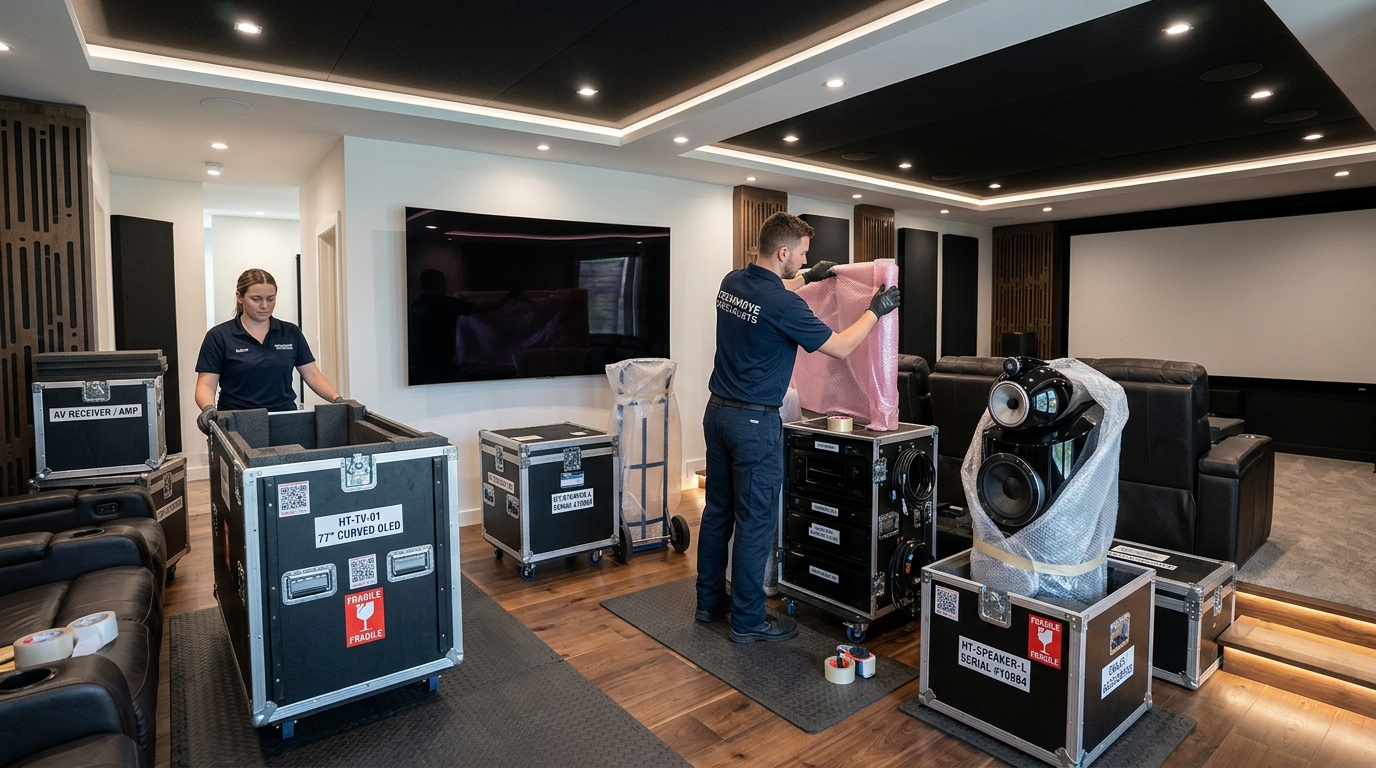
Different belongings require different forms of protection. Books, clothing, glassware, electronics, artwork, and fragile decorative items should not necessarily be packed in the same way.
Use appropriately sized boxes and enough protective material to reduce movement inside containers.
Avoid Overloading Large Boxes
Large boxes can become extremely heavy when filled with books or other dense objects.
Use smaller containers for heavy belongings and reserve larger boxes for lighter items such as bedding, cushions, or clothing.
Label Boxes by Room and Contents
A label such as “Kitchen” is useful, but adding a short description such as “Everyday dishes” or “Cooking tools” makes unpacking even easier.
Clear labels also help movers place boxes directly into the correct rooms.
Create a First-Night Box
After a long moving day, opening twenty boxes to find basic necessities is frustrating.
Keep essentials such as basic toiletries, chargers, medications, bedding, clothing, simple kitchen items, and other immediate necessities somewhere easily accessible.
Keep Important Documents With You
Identification, contracts, essential financial documents, keys, and other important records should not disappear into the general moving load.
Keep critical documents organized and under personal control during the move.
Photograph Electronics Before Disconnecting Them
Televisions, routers, computers, entertainment systems, and other electronics may have several cables that become difficult to identify later.
A quick photograph of connections before disassembly can make setup considerably easier in the new home.
Back Up Important Digital Information
Computers and storage devices can be damaged or lost during transportation.
Creating a current backup before moving provides an additional layer of protection for important files.
Use the Move as an Opportunity to Redesign Your Home
A new property does not need to reproduce the exact layout of the old one. Moving can provide an opportunity to reconsider furniture, storage, colors, and how rooms are used.
Homeowners looking for broader interior inspiration may encounter resources such as I Dream Homez. Design ideas can be useful when planning a new space, but furniture and decorative decisions should ultimately respond to the property’s actual dimensions, lighting, architecture, and household needs.
Prioritize Function Before Decoration
It is tempting to begin decorating immediately after moving in, but basic function should come first.
Set up beds, essential seating, kitchen storage, lighting, and everyday organization before spending significant time arranging decorative accessories.
Set Up the Bedroom Early
Having a usable bedroom after a demanding moving day can make the first night significantly more comfortable.
Assemble the bed, locate bedding, and organize enough clothing for the first few days before focusing on less urgent rooms.
Make the Kitchen Functional Quickly
The kitchen often contains a large number of boxes, but not everything needs to be unpacked immediately.
Start with everyday plates, glasses, basic cookware, utensils, food storage, and the appliances used most frequently.
Clean Before Filling Cabinets
Empty cabinets, wardrobes, and shelves are easier to clean before belongings are placed inside them.
Where necessary, wipe and inspect storage areas before unpacking so items do not need to be removed again later.
Unpack According to Priority
Trying to empty every box immediately can create more disorder than progress.
Focus first on rooms and belongings needed for ordinary daily life. Decorative items, seasonal possessions, and less frequently used objects can wait.
Avoid Recreating Old Clutter
A new home can become cluttered quickly when every possession is unpacked simply because it was packed.
As each item comes out of a box, consider whether it has a logical storage location. If it does not, reconsider whether it needs to remain in the home.
Create Storage Systems Based on Everyday Routines
Storage works best when frequently used objects are close to the places where they are needed.
Store cooking tools near preparation areas, everyday shoes near the entrance, and regularly used cleaning products in practical locations rather than organizing solely according to appearance.
Give Each Room a Clear Purpose
Rooms often become cluttered when they are expected to serve too many unrelated functions without a plan.
Decide whether a space is primarily for sleeping, working, dining, relaxing, storage, or another purpose and organize furniture around that role.
Build a Home That Feels Comfortable, Not Just Finished
There is no need to complete every decorating decision during the first week. Living in the property for a while can reveal how sunlight changes, where clutter naturally collects, and which rooms need additional furniture or storage.
People exploring home-living ideas may encounter resources such as Shiawase Home. Inspiration can help shape a comfortable interior, but allowing the home to evolve gradually often leads to better decisions than purchasing everything immediately.
Wait Before Buying Too Much New Furniture
Empty rooms can create pressure to shop quickly. However, furniture purchased before understanding the space may later feel too large, too small, or unnecessary.
Begin with essential pieces and add new furniture after learning how each room is actually used.
Check Lighting at Different Times of Day
A room that appears bright during a daytime viewing may require additional lighting in the evening.
Live with the existing lighting briefly before deciding where floor lamps, table lamps, task lighting, or other fixtures are needed.
Organize the Entryway Early
Entryways can become cluttered immediately with shoes, keys, coats, bags, and incoming mail.
A simple system involving hooks, trays, shoe storage, or a small cabinet can prevent this clutter from spreading through the home.
Plan Cable Management
Routers, televisions, computers, chargers, and entertainment systems can create visual clutter quickly.
Organize cables during initial setup rather than waiting until several devices have become tangled behind furniture.
Update Addresses and Services
A move affects more than the physical household. Banks, insurers, employers, subscriptions, government records, and other services may require an updated address depending on circumstances.
Keep a checklist so important updates are not forgotten.
Confirm Utilities Before Arrival
Electricity, water, internet, heating, cooling, and other essential services should be arranged according to the property’s requirements.
Confirm activation dates rather than assuming every service will transfer automatically.
Inspect the Home After Moving In
Once rooms are less empty, homeowners may notice maintenance issues that were easy to overlook earlier.
Create a list of repairs, improvements, and cosmetic changes rather than trying to address everything immediately.
Prioritize Repairs Over Decoration
A leaking fixture, electrical concern, damaged lock, or moisture problem deserves attention before decorative updates.
Resolving practical issues first protects later improvement work and makes the home safer and easier to maintain.
Introduce Decoration Gradually
Artwork, rugs, curtains, plants, and decorative objects can help a new property feel personal.
Adding them slowly gives homeowners time to understand the scale and character of each room.
Keep Some Empty Space
A new home does not need every wall, shelf, and corner filled immediately.
Leaving some open space makes rooms feel calmer and provides flexibility for future purchases or changing needs.
Reuse Existing Furniture Creatively
A piece used in one way at the old property may serve a different purpose in the new home.
A small dresser might become hallway storage, a shelf may work in an office, or an unused dining chair may become bedroom seating.
Review Moving Boxes After Several Months
If certain nonessential boxes remain unopened long after the move, their contents may not be as necessary as originally assumed.
Review these items before automatically finding permanent storage space for them.
Document Important Property Information
Homeowners may benefit from keeping records of appliance models, paint colors, warranties, repair information, and important property documents.
Creating this record early can make future maintenance easier.
Make the Move the Beginning of Better Home Organization
Moving is demanding, but it also creates a rare opportunity to reconsider almost every possession and storage habit at once.
By decluttering before packing, measuring furniture, labeling boxes carefully, setting up essential rooms first, and allowing the new home’s layout to develop gradually, households can avoid many common moving frustrations. The objective is not simply to transport everything from one address to another. It is to create a new home that feels more organized, comfortable, and practical than the one you left behind.