
Creating a more sustainable home does not necessarily require building a new house, replacing every appliance, or investing in expensive technology. Many meaningful improvements come from reducing unnecessary energy use, choosing durable materials, conserving water, improving insulation, and making everyday household routines more efficient.
The strongest green-home strategies also consider comfort and practicality. A sustainable home should still be pleasant to live in, easy to maintain, and suitable for the people who use it. By making improvements gradually and prioritizing changes that reduce waste over the long term, homeowners and renters can create more environmentally responsible living spaces without turning daily life into a complicated project.
- Start by Understanding Where Resources Are Used
- Improve the Building Before Adding Technology
- Think About Sustainable Construction as a Whole System
- Prioritize Insulation Where It Makes Sense
- Address Drafts and Air Leakage
- Use Heating and Cooling More Efficiently
- Take Advantage of Passive Comfort
- Choose Energy-Efficient Lighting
- Use Natural Light Thoughtfully
- Make Sustainable Design Part of Everyday Living
- Choose Durable Materials
- Reuse Before Replacing
- Buy Secondhand When Appropriate
- Reduce Construction Waste
- Consider Repairability Before Buying
- Reduce Water Waste
- Consider Efficient Fixtures When Replacing Old Ones
- Use Landscaping Strategically
- Compost Where Practical
- Reduce Single-Use Household Products
- Choose Cleaning Products Thoughtfully
- Maintain Appliances Properly
- Think About Appliance Size
- Reduce Standby and Unnecessary Energy Use
- Use Smart Technology Only When It Solves a Real Problem
- Renters Can Make Sustainable Changes Too
- Focus on Reversible Improvements in Rental Homes
- Learn From Green-Renting Resources
- Communicate Maintenance Problems Early
- Use Shared Resources Where Practical
- Reduce Clutter and Unnecessary Buying
- Organize Recycling Properly
- Consider Indoor Comfort Alongside Efficiency
- Avoid Greenwashing
- Make Improvements When Replacement Is Already Necessary
- Improve the Home Gradually
- Create a Home That Uses Resources More Thoughtfully
Start by Understanding Where Resources Are Used
Before buying products or beginning renovations, look at how the home currently uses energy, water, materials, and space.
Heating and cooling, lighting, appliances, hot water, and everyday household habits can all contribute to resource consumption. Understanding where the greatest opportunities exist makes it easier to prioritize improvements that may have the most practical impact.
Improve the Building Before Adding Technology
Homeowners sometimes begin sustainability projects by looking at sophisticated equipment while ignoring basic building performance.
Reducing uncontrolled air leakage, improving insulation where appropriate, addressing moisture problems, and maintaining windows and doors can sometimes improve comfort before more complicated systems are considered.
Think About Sustainable Construction as a Whole System
Green building involves more than adding one environmentally friendly product to an otherwise inefficient design. Site conditions, materials, energy performance, water use, durability, indoor comfort, and long-term maintenance can all interact.
Homeowners researching sustainable building concepts may encounter organizations such as Build Green Atlantic. Broader green-building information can help people understand different strategies, but individual projects should still account for local building requirements, climate, property conditions, and professional guidance where structural or technical work is involved.
Prioritize Insulation Where It Makes Sense
Insulation can influence how easily a home maintains comfortable indoor temperatures. However, the right approach depends on climate, building type, existing construction, and moisture conditions.
Before adding insulation to an existing structure, it can be useful to understand how heat, air, and moisture currently move through the building so that improvements do not unintentionally create other problems.
Address Drafts and Air Leakage
Uncontrolled gaps around doors, windows, service penetrations, and other parts of the building can affect comfort and energy performance.
Appropriate air-sealing measures may reduce unnecessary heat loss or gain, but ventilation requirements should also be considered so that improving airtightness does not compromise indoor-air needs.
Use Heating and Cooling More Efficiently
Heating and cooling can represent a significant part of household energy use. Maintenance, appropriate temperature settings, zoning where available, and reducing unnecessary operation can improve efficiency without major changes to the building.
When replacing equipment, consider both upfront cost and long-term performance rather than focusing only on purchase price.
Take Advantage of Passive Comfort
Homes can sometimes be made more comfortable through simple design and behavioral choices. Shading, ventilation, curtains, blinds, and thoughtful use of windows may reduce reliance on mechanical heating or cooling under suitable conditions.
The effectiveness of these strategies depends on climate, season, orientation, and local weather.
Choose Energy-Efficient Lighting
Lighting is one of the simpler areas to improve gradually. Efficient bulbs can reduce electricity use while providing suitable illumination for everyday activities.
Good lighting design also matters. A home with effective task lighting may need less unnecessary whole-room illumination than one relying only on a few poorly positioned fixtures.
Use Natural Light Thoughtfully
Daylight can reduce the need for artificial lighting during parts of the day and make interiors feel more pleasant.
Furniture arrangements, window treatments, and interior colors can influence how effectively natural light reaches the room. At the same time, excessive direct sunlight may create heat or glare, so balance is important.
Make Sustainable Design Part of Everyday Living
A green home does not need to look dramatically different from a conventional home. Sustainable design can be integrated into ordinary choices involving materials, storage, lighting, ventilation, and furniture.
People researching eco-conscious homes may encounter resources such as Green House Shion. Design inspiration can help homeowners explore greener possibilities, but practical decisions should consider durability, maintenance, climate, and whether an improvement will genuinely reduce waste or resource use over its lifetime.
Choose Durable Materials
A material that lasts for many years can sometimes be more sustainable than one that needs frequent replacement.
When comparing flooring, cabinetry, furniture, finishes, or exterior materials, consider expected lifespan, repairability, maintenance, and how easily the product can be reused or recycled when it eventually reaches the end of its useful life.
Reuse Before Replacing
Home improvement does not always require removing everything that already exists. Cabinets may be refinished, furniture can sometimes be repaired, and existing materials may be repurposed.
Reusing suitable items reduces waste and can also lower the cost of a project.
Buy Secondhand When Appropriate
Furniture, storage pieces, architectural elements, and certain household items may be available secondhand in excellent condition.
Used purchases can reduce demand for new materials while adding character to the home. Buyers should still inspect condition, safety, cleanliness, and suitability before bringing items inside.
Reduce Construction Waste
Renovation projects can generate large amounts of packaging, offcuts, old fixtures, flooring, and demolition materials.
Planning measurements carefully, ordering sensible quantities, separating reusable materials, and using appropriate recycling or disposal options can reduce unnecessary waste.
Consider Repairability Before Buying
Products that can be repaired or have replaceable parts may remain useful longer than items designed to be discarded after one component fails.
When buying appliances, fixtures, furniture, or other long-term household products, investigate parts availability and maintenance requirements where practical.
Reduce Water Waste
Water conservation can begin with simple household maintenance. Leaking taps, toilets, or pipes can waste water over time and may also damage the property.
Repairing leaks promptly and using water thoughtfully can improve efficiency without significantly changing everyday comfort.
Consider Efficient Fixtures When Replacing Old Ones
When a tap, showerhead, toilet, or appliance already needs replacement, the project can become an opportunity to consider more efficient alternatives.
Compare performance as well as efficiency so that the new fixture remains practical for normal household use.
Use Landscaping Strategically
Outdoor areas can influence both water use and building comfort. Plant selection, shade, drainage, and irrigation methods can all affect how much maintenance and water a landscape requires.
Plants suited to local conditions may require less intervention than landscaping that depends on constant watering or intensive maintenance.
Compost Where Practical
Some households may be able to divert suitable organic waste from general rubbish through composting.
The appropriate method depends on available outdoor space, local programs, housing rules, and the type of waste generated.
Reduce Single-Use Household Products
Reusable cleaning materials, refillable containers, durable storage, and other repeat-use products can sometimes reduce everyday waste.
The most sustainable option is not always the product with the strongest environmental marketing. Consider how often something will actually be reused and how long it is likely to last.
Choose Cleaning Products Thoughtfully
Cleaning products vary in concentration, packaging, ingredients, and intended use.
Using the correct amount and choosing products appropriate for the surface can reduce waste. More product does not necessarily mean better cleaning.
Maintain Appliances Properly
Routine maintenance can help appliances operate as intended and may extend their useful life.
Cleaning filters, addressing unusual performance, and following manufacturer instructions can sometimes prevent premature replacement.
Think About Appliance Size
A larger appliance is not automatically better. Oversized refrigerators, washing machines, or other equipment may use more space and resources than a household actually needs.
Choose capacity according to realistic use rather than purchasing the largest available option.
Reduce Standby and Unnecessary Energy Use
Some household devices continue consuming electricity when they are not actively being used.
Understanding which devices can reasonably be switched off or managed more efficiently can help reduce unnecessary consumption without affecting convenience.
Use Smart Technology Only When It Solves a Real Problem
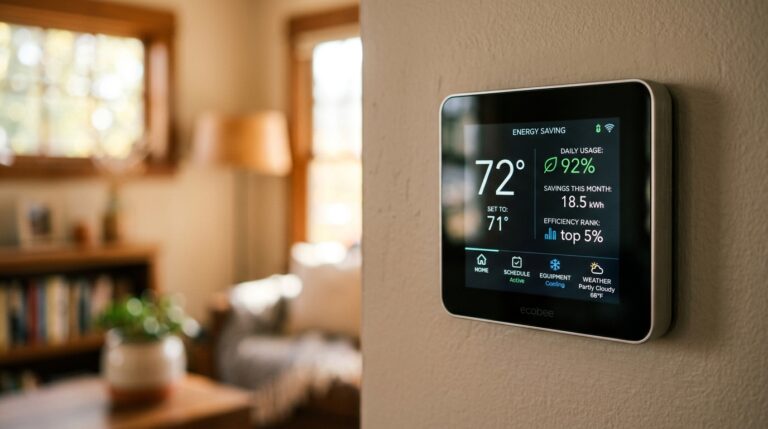
Smart thermostats, sensors, plugs, and other connected devices can help manage resource use, but technology itself is not automatically sustainable.
A device is most useful when it reduces waste or makes an existing system easier to control rather than simply adding another electronic product to the home.
Renters Can Make Sustainable Changes Too
People who rent often have less control over insulation, heating systems, windows, or permanent fixtures, but that does not mean sustainable living is impossible.
Renters can still influence energy habits, water use, furniture choices, waste reduction, lighting, and many other everyday household decisions.
Focus on Reversible Improvements in Rental Homes
Temporary window coverings, efficient bulbs, draft-management products where appropriate, reusable storage, and movable furniture can improve comfort without permanently altering the property.
Renters should check lease conditions and seek permission before making changes that affect fixtures or the building itself.
Learn From Green-Renting Resources
Sustainable living advice often focuses heavily on homeowners, even though renters make up a large share of many communities.
People looking for renter-specific environmental ideas may encounter resources such as Green Renters. Rental-focused guidance can help residents identify changes within their control while recognizing that larger building improvements may require cooperation from landlords or property managers.
Communicate Maintenance Problems Early
Renters can support sustainability by reporting leaks, heating problems, damaged seals, or other maintenance concerns promptly.
Ignoring these problems can waste resources and may lead to more significant property damage later.
Use Shared Resources Where Practical
Not every household needs to own every tool or piece of occasional-use equipment. Borrowing, renting, or sharing certain items can reduce storage needs and unnecessary purchases.
This approach is particularly useful for tools required only for rare maintenance or DIY tasks.
Reduce Clutter and Unnecessary Buying
Sustainable living includes thinking about what enters the home as well as what leaves it.
Before buying another decorative object, storage container, appliance, or piece of furniture, consider whether it solves a real problem and whether something already owned could serve the same purpose.
Organize Recycling Properly
Recycling rules vary by location, and placing unsuitable items in collection systems can create problems.
Follow local guidance about accepted materials and prepare items according to the requirements of the relevant recycling service.
Consider Indoor Comfort Alongside Efficiency
A home should not become uncomfortable simply in pursuit of lower energy use. Temperature, ventilation, moisture, and indoor air quality all affect everyday living.
The strongest efficiency improvements reduce waste while maintaining or improving the home’s usability.
Avoid Greenwashing
Products are frequently marketed with words such as eco, green, natural, or sustainable without explaining exactly what those terms mean.
Look beyond branding and consider materials, durability, packaging, energy use, repairability, and the complete lifecycle of the product.
Make Improvements When Replacement Is Already Necessary
Replacing functional products solely to obtain a newer efficient version may not always provide the strongest environmental benefit.
When an appliance, fixture, or material already needs replacement, however, that moment provides a practical opportunity to choose a more efficient or durable alternative.
Improve the Home Gradually
A sustainable home does not need to be created in one expensive renovation. Incremental improvements can be easier to manage and allow households to learn which changes provide genuine benefits.
Start with maintenance, waste reduction, and low-cost efficiency measures before considering larger investments.
Create a Home That Uses Resources More Thoughtfully
Sustainable home improvement is not about achieving environmental perfection. Every building, budget, household, and rental situation has different limitations.
By improving efficiency where practical, maintaining existing products, choosing durable materials, reducing waste, conserving water, and making purchasing decisions more carefully, households can gradually reduce their environmental impact without sacrificing comfort. The most sustainable home is often not the one containing the most green products—it is the one where resources, materials, and existing spaces are used thoughtfully for as long as possible.