
A travel itinerary can include all the famous landmarks in a destination and still feel surprisingly generic. Many travelers follow the same attraction lists, visit the same neighborhoods, and eat at the same highly promoted restaurants without considering whether those choices actually reflect their personal interests.
A more enjoyable itinerary is built around individual preferences. Travelers can still visit major attractions, but they can also include food, culture, neighborhoods, creative spaces, local routines, and spontaneous discoveries that make the trip feel more personal. The goal is not to avoid popular experiences, but to combine them with activities that genuinely matter to you.
- Start With Your Own Interests
- Use General Online Content for Unexpected Inspiration
- Choose Attractions That Actually Interest You
- Create a Personal Priority List
- Explore Neighborhoods That Match Your Style
- Look for Creative Perspectives on Places
- Use Maps to Connect Your Interests
- Build Days Around Themes
- Make Food Part of the Experience
- Search for Places That Simply Feel Right for You
- Leave Time for Slow Exploration
- Do Not Overbook Restaurants and Activities
- Consider Your Natural Travel Pace
- Plan Around Energy, Not Just Time
- Use Public Spaces to Understand the Destination
- Talk to People When Appropriate
- Allow Interests to Change During the Trip
- Keep Practical Information Organized
- Verify Time-Sensitive Details
- Review Each Day Without Overcorrecting
- Stop Comparing Your Trip With Other People’s Trips
- Create a Trip That Reflects You
Start With Your Own Interests
Before searching for the best things to do, think about what you naturally enjoy. Some travelers are interested in architecture and history, while others prefer food, photography, music, nature, shopping, nightlife, or slow neighborhood exploration.
These interests should guide the itinerary instead of being added only after the major attractions have already filled the schedule.
Use General Online Content for Unexpected Inspiration
Travel ideas can come from many different types of websites. General-interest content may introduce food, culture, communities, lifestyle topics, or regional traditions that encourage travelers to explore a destination from a different perspective.
During broad online research, readers may encounter resources such as Resep Nastar. General content can provide inspiration for further exploration, while practical information involving reservations, opening hours, transportation, or official requirements should be verified through current and appropriate sources.
Choose Attractions That Actually Interest You
A famous attraction does not automatically deserve a place in every itinerary. If a major museum, monument, or viewpoint genuinely interests you, include it. If it does not, your limited travel time may be better spent elsewhere.
Travel becomes more rewarding when decisions are based on curiosity rather than obligation.
Create a Personal Priority List
Divide potential activities into a short list of priorities and a longer list of optional ideas. Priorities should contain experiences that would genuinely disappoint you to miss.
Optional activities can remain available for free periods, weather changes, or unexpected gaps in the schedule.
Explore Neighborhoods That Match Your Style
Different neighborhoods can offer completely different experiences within the same city. One area may be known for historic architecture, while another may attract visitors interested in restaurants, art, nightlife, markets, or independent shops.
Researching neighborhoods according to your interests can make everyday exploration more enjoyable.
Look for Creative Perspectives on Places
Photography, design, art, film, and other creative subjects can change how travelers observe a destination. A street may become interesting because of its architecture, visual details, local businesses, or everyday activity rather than because it contains a major landmark.
During broader web research, readers may encounter resources such as I Am Thomas Jullien. Creative and general-interest content can encourage travelers to notice destinations differently, while any practical travel information should still be checked independently before it affects actual plans.
Use Maps to Connect Your Interests
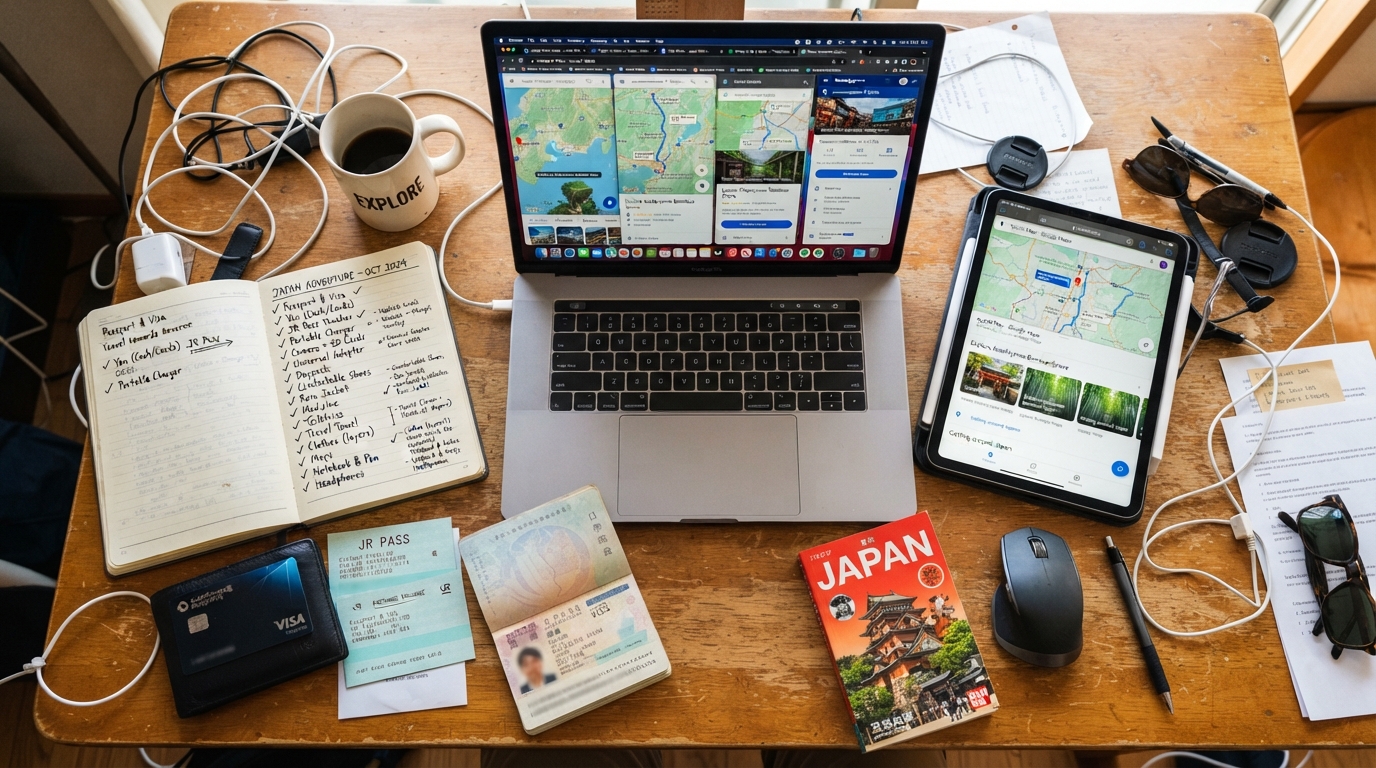
Save interesting attractions, restaurants, neighborhoods, parks, markets, and cultural spaces on a digital map. Once several locations are visible together, useful geographic patterns often appear.
Places close to one another can be combined naturally without creating a strict hour-by-hour schedule.
Build Days Around Themes
Instead of creating days based entirely on individual attractions, consider organizing some days around a broader theme. One day might focus on historic areas, another on food and markets, and another on parks or creative spaces.
This can make each day feel more coherent while still allowing flexibility.
Make Food Part of the Experience
Food can provide an important connection to a destination’s culture and everyday life. Research local dishes, markets, cafés, bakeries, and regional specialties rather than focusing only on famous restaurants.
Knowing what you want to try provides flexibility because travelers can look for the dish in whatever neighborhood they happen to be exploring.
Search for Places That Simply Feel Right for You
Not every travel choice needs to be justified by rankings or popularity. A quiet café, beautiful garden, small bookstore, scenic street, or peaceful neighborhood may contribute more to your enjoyment than another famous attraction.
While browsing general lifestyle content, readers may come across resources such as Oh It’s Just Perfect. Broader inspiration can help travelers think about atmosphere, comfort, aesthetics, and personal preferences when deciding which experiences are worth adding to a trip.
Leave Time for Slow Exploration
An itinerary becomes more personal when travelers have time to notice what interests them after arrival. A tightly packed schedule makes it difficult to follow a side street, visit an unexpected shop, or spend longer in a neighborhood.
Leave some periods intentionally open so that curiosity can influence the journey.
Do Not Overbook Restaurants and Activities
Advance reservations are useful for experiences with limited availability, but too many fixed commitments can make a trip feel restrictive.
Book the activities that genuinely matter and keep the rest flexible whenever possible.
Consider Your Natural Travel Pace
Some people enjoy early starts and full sightseeing days. Others prefer relaxed mornings, longer meals, and fewer activities.
An itinerary should match the pace you can realistically enjoy rather than the maximum number of things that could theoretically fit into one day.
Plan Around Energy, Not Just Time
Two activities may fit into a schedule but still be too demanding when combined. Long walking tours, hiking, museums, and nightlife can require different levels of energy.
Balance more demanding activities with slower experiences to avoid unnecessary fatigue.
Use Public Spaces to Understand the Destination
Parks, squares, promenades, waterfronts, and pedestrian streets can provide a different perspective on local life than formal attractions.
They also create useful opportunities to rest while still experiencing the atmosphere of the destination.
Talk to People When Appropriate
Hotel staff, guides, restaurant employees, shopkeepers, and other travelers may recommend places that match your interests better than generic online lists.
Simple questions about nearby food, neighborhoods, markets, or activities can lead to useful discoveries.
Allow Interests to Change During the Trip
Travelers sometimes discover new interests after arrival. You may become more interested in local food, architecture, public transportation, markets, or a particular neighborhood than you expected.
A flexible itinerary allows these new interests to influence later days.
Keep Practical Information Organized
Personalized travel still depends on good logistics. Keep transportation details, accommodation information, important reservations, addresses, and tickets organized and easily accessible.
Saving essential information offline can also help when internet connectivity is unreliable.
Verify Time-Sensitive Details
General blogs and older articles can remain useful sources of inspiration, but practical information may become outdated.
Before making a special journey to an attraction, restaurant, event, or neighborhood venue, check current opening hours, reservation requirements, and transportation details.
Review Each Day Without Overcorrecting
A short evening review can help travelers prepare for the next day. Check weather, fixed reservations, and transportation while leaving optional activities flexible.
There is no need to rebuild the entire itinerary whenever one small detail changes.
Stop Comparing Your Trip With Other People’s Trips
Travel content can create pressure to visit specific places simply because everyone else appears to be going there. However, another traveler’s perfect itinerary may not match your interests at all.
Use recommendations as inspiration rather than a standard your own journey needs to follow.
Create a Trip That Reflects You
A memorable itinerary does not need to include the highest possible number of attractions. It should provide enough structure to handle important logistics while leaving room for experiences that feel personally meaningful.
By choosing activities according to your interests, exploring neighborhoods, using broad inspiration carefully, organizing locations efficiently, and keeping enough open time for spontaneous discoveries, travelers can create a journey that feels less like a standard checklist and more like their own experience of a destination.