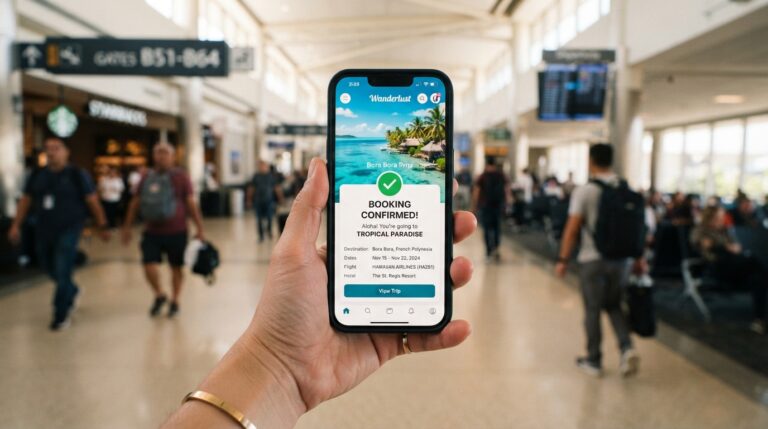


Travel becomes much easier when visitors understand that destinations are constantly changing. A city that looked one way during the planning stage may feel different several months later because of transportation changes, public events, seasonal conditions, new attractions, construction, or temporary closures.
Travelers do not need to monitor every local development, but staying aware of information that could affect the journey can prevent avoidable problems. A practical combination of advance research, flexible planning, and occasional updates can help travelers adjust without allowing constant information checking to dominate the trip.
- Research the Destination Before Finalizing Plans
- Use General News for Broader Awareness
- Check Whether Developments Actually Affect Your Location
- Keep the Itinerary Flexible
- Check Transportation Before Important Journeys
- Pay Attention to Current Local Information
- Build Extra Time Into the Schedule
- Keep Alternative Activities Ready
- Review Weather Alongside the Itinerary
- Look for Local Announcements
- Use Regional Reporting as a Starting Point
- Organize Important Information in One Place
- Save Essential Details Offline
- Understand Cancellation Policies
- Keep Some Money Available for Changes
- Avoid Constantly Following Updates
- Verify Information Before Changing Major Plans
- Review Tomorrow’s Plans Each Evening
- Do Not Let Minor Changes Control the Journey
- Use Information to Support Flexible Travel
Research the Destination Before Finalizing Plans
Before booking every part of a journey, develop a basic understanding of the destination. Learn about major neighborhoods, transportation options, seasonal conditions, and the locations of attractions that matter most to you.
This background makes later information easier to understand because travelers already know how different areas and services fit together.
Use General News for Broader Awareness
Travel guides usually focus on attractions and accommodation, while general news sources can provide broader context about developments taking place around a destination or region.
During general online research, travelers may encounter resources such as Top SM News. Broad coverage can introduce subjects worth investigating further, but information affecting transportation, safety, entry requirements, or official restrictions should be confirmed through current authoritative sources.
Check Whether Developments Actually Affect Your Location
A story about a city, region, or country does not automatically affect every traveler visiting that area. Large destinations may contain neighborhoods separated by significant distances, and local events can sometimes have very limited geographic impact.
Before changing plans, determine exactly where a development is occurring and whether it overlaps with your accommodation, transportation routes, or planned activities.
Keep the Itinerary Flexible
A rigid schedule becomes difficult to manage when circumstances change. Instead of reserving every hour, create a structure around a few important activities and keep the rest adaptable.
Flexible periods can absorb delays, provide time for rest, and make it easier to change neighborhoods or activities when new information becomes relevant.
Check Transportation Before Important Journeys
Transportation is one of the parts of travel most likely to affect other plans. A delayed train or altered bus route may influence reservations later in the day.
Check important journeys shortly before departure and rely primarily on information from the operator responsible for the service.
Pay Attention to Current Local Information
Some updates are particularly useful once travelers have already arrived. Road closures, temporary transportation changes, festivals, public gatherings, or attraction closures can influence the best way to organize a day.
General information sources such as Wheon News may appear while browsing current topics. When a story seems relevant to a particular travel plan, verify the details through local authorities, transportation providers, venues, or other sources directly connected to the situation.
Build Extra Time Into the Schedule
Travelers often underestimate how much time everyday movement requires. Waiting for transportation, navigating stations, walking between attractions, and dealing with unfamiliar streets can all make journeys longer than expected.
Leaving buffers between important reservations makes the itinerary more resilient when small delays occur.
Keep Alternative Activities Ready
A backup plan can prevent one unexpected change from disrupting an entire day. If an outdoor attraction becomes impractical, travelers may switch to a museum, market, gallery, historic building, or another indoor activity.
These alternatives do not need to become formal reservations. A short list of possibilities is usually enough.
Review Weather Alongside the Itinerary
Weather information becomes more useful when travelers consider what they actually plan to do. Heavy rain may have little effect on an indoor museum day but could make hiking or extensive outdoor sightseeing inconvenient.
When several activities remain flexible, move them between days according to the conditions that suit them best.
Look for Local Announcements
Transportation operators, attractions, event organizers, and local authorities may publish information that never becomes major national news. Their announcements can therefore be especially useful for travelers already in the area.
Follow these sources selectively when they relate to activities or journeys you actually plan to make.
Use Regional Reporting as a Starting Point
Local and regional reporting can help travelers become aware of developments that broader travel resources may not mention. It can also provide context about communities, events, and temporary changes.
During wider web research, readers may encounter sources such as Butler Dispatch. If regional reporting raises an issue that may affect the journey, travelers should confirm the practical details through the relevant official organization before making significant changes.
Organize Important Information in One Place
When plans change, travelers benefit from having quick access to reservations and contact details. Searching through multiple applications and emails can waste valuable time.
Keep accommodation information, transportation bookings, attraction tickets, important addresses, and emergency contacts together in an accessible location.
Save Essential Details Offline
Internet connectivity is not guaranteed everywhere. Mobile service can become unreliable, Wi-Fi may stop working, or a device may run out of battery.
Save essential travel details offline and consider downloading maps for areas you expect to explore.
Understand Cancellation Policies
Unexpected changes become more expensive when travelers do not understand the terms attached to their reservations. Before paying for significant bookings, check whether they can be changed or canceled.
A slightly more expensive flexible option may sometimes provide better value than a cheaper reservation that cannot be modified.
Keep Some Money Available for Changes
Small disruptions occasionally create additional expenses. Travelers may need alternative transportation, replacement tickets, or another activity.
A modest financial buffer can make these situations easier to manage without affecting the planned budget for the rest of the trip.
Avoid Constantly Following Updates
Being informed is useful, but repeatedly checking every news story or local discussion can become distracting. Most ordinary travel days do not require continuous monitoring.
Check relevant information at sensible times, such as before an important journey or during an evening review of the following day.
Verify Information Before Changing Major Plans
Online information can spread before all the facts are known. A social media post or headline may lack important details about timing, location, or duration.
Before canceling accommodation, changing transportation, or abandoning an important activity, confirm the information through a source directly responsible for the situation.
Review Tomorrow’s Plans Each Evening
A brief evening review is one of the easiest ways to remain prepared. Check the next day’s important reservations, transportation, weather, and opening hours.
If a change has occurred, adjusting an optional activity the night before is usually easier than discovering the problem after arriving.
Do Not Let Minor Changes Control the Journey
Not every disruption deserves a major response. A closed café or delayed local bus is very different from a canceled flight or severe weather warning.
Prioritize issues involving safety, accommodation, essential transportation, and important reservations. Smaller inconveniences can usually be handled with simple alternatives.
Use Information to Support Flexible Travel
Travelers cannot control everything that happens at a destination, but they can make themselves easier to adapt. Good preparation provides useful alternatives without assuming that something will go wrong.
By checking relevant local developments, verifying important information, maintaining flexible plans, keeping offline backups, and reviewing each day as the trip progresses, travelers can respond to changing circumstances without losing the enjoyment of the journey. The goal is not to know everything happening around the destination, but to know enough to make sensible decisions when it matters.