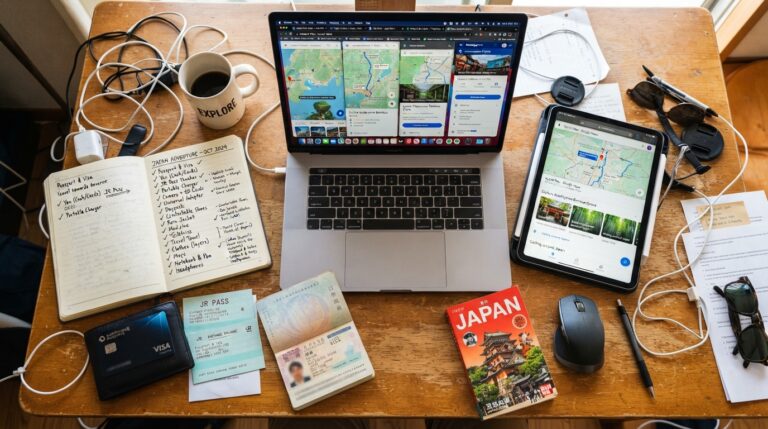

A vacation should provide a break from everyday routines, but planning one can sometimes become another demanding project. Flights, accommodation, transportation, restaurants, attractions, weather, and budgets all require attention. When every hour is scheduled in advance, even an exciting trip can begin to feel like a list of obligations.
The solution is not to travel without preparation. Instead, travelers can organize the important details while leaving enough flexibility for rest, spontaneous discoveries, and unexpected changes. A balanced approach can make a vacation feel organized without making it restrictive.
- Decide What You Actually Want From the Trip
- Research the Destination From Different Perspectives
- Book the Essentials First
- Choose Accommodation in a Practical Location
- Limit the Number of Major Activities Each Day
- Keep a List of Ideas Instead of a Fixed Schedule
- Plan Activities by Neighborhood
- Create Backup Plans for Bad Weather
- Leave Time for Local Discoveries
- Use General Blogs as Inspiration, Not as a Fixed Itinerary
- Do Not Schedule Every Meal
- Build Rest Into the Itinerary
- Keep the Budget Flexible
- Avoid Planning Around Social Media Alone
- Check Important Information Again Before Visiting
- Accept That Plans Will Sometimes Change
- Keep One Day Especially Flexible
- Focus on Experiences Rather Than Numbers
- Plan Enough to Feel Prepared, Then Enjoy the Journey
Decide What You Actually Want From the Trip
Before booking anything, think about the main purpose of the vacation. Some travelers want relaxation, while others prioritize food, history, shopping, beaches, outdoor activities, nightlife, or cultural experiences.
Selecting a few priorities makes later decisions much easier. Instead of trying to experience everything a destination offers, travelers can concentrate on activities that genuinely match their interests.
Research the Destination From Different Perspectives
Destination research should extend beyond a single travel guide. Reading several sources can introduce different perspectives on culture, lifestyle, attractions, transportation, and current developments.
While browsing general-interest and news-oriented content, readers may encounter resources such as Zoom Blog. Broad online reading can provide inspiration for a journey, although practical details such as entry rules, schedules, and transportation requirements should be confirmed through current authoritative sources.
Book the Essentials First
Transportation and accommodation usually form the basic structure of a trip and therefore deserve early attention. Popular attractions with limited capacity may also require advance reservations.
Once these essentials are secured, travelers do not necessarily need to reserve every restaurant, tour, and activity. Leaving open periods creates flexibility if circumstances change after arrival.
Choose Accommodation in a Practical Location
A low hotel price can become less attractive when the property is far from everything you want to see. Long daily journeys can consume both vacation time and transportation money.
Before booking, use a map to compare accommodation with major attractions, public transportation, restaurants, and neighborhoods of interest. Convenience can sometimes provide better overall value than simply choosing the cheapest room.
Limit the Number of Major Activities Each Day
Visiting several major attractions in one day may appear efficient, but transportation, queues, meals, and unexpected delays can make an ambitious itinerary exhausting.
Choosing one or two priority experiences each day creates a more manageable schedule. Additional attractions can remain optional if enough time and energy are available.
Keep a List of Ideas Instead of a Fixed Schedule
Travel research often produces far more interesting ideas than can realistically fit into one vacation. Instead of forcing everything into the itinerary, create a separate list of optional places.
General articles and online directories can sometimes lead readers toward new subjects or destinations. During broader research, travelers may encounter sites such as Article Directory News. Ideas discovered through general sources can then be investigated further using destination-specific information before being added to an itinerary.
Plan Activities by Neighborhood
Constantly crossing a large city wastes time and can make sightseeing unnecessarily tiring. Grouping attractions according to location can create a much more comfortable schedule.
If a museum, market, historic street, and restaurant are located in the same area, visiting them on the same day may make more sense than organizing activities only according to popularity.
Create Backup Plans for Bad Weather
Weather is one of the most common reasons travel plans change. An outdoor itinerary can quickly become impractical when heavy rain, extreme heat, or other difficult conditions arrive.
Before departure, identify a few indoor alternatives such as museums, galleries, markets, cultural centers, shopping areas, or entertainment venues. These options do not all need reservations; simply knowing they exist makes changing plans easier.
Leave Time for Local Discoveries
Some memorable travel experiences are impossible to plan from home. A small café, interesting neighborhood, local market, street performance, or recommendation from someone you meet may deserve more time than expected.
An itinerary with open periods makes it possible to follow these discoveries without sacrificing several prepaid reservations.
Use General Blogs as Inspiration, Not as a Fixed Itinerary
Travel ideas can appear in many types of online content, not only dedicated travel websites. General blogs may discuss culture, food, entertainment, lifestyle, events, or other subjects that inspire someone to investigate a destination.
People exploring broad online content may come across resources such as Blog Buster. When general content introduces an interesting travel idea, travelers can use it as a starting point and independently verify practical details before making reservations.
Do Not Schedule Every Meal
Restaurant research can be useful, particularly when there is one special place you definitely want to visit. However, booking every breakfast, lunch, and dinner can make an itinerary unnecessarily restrictive.
Keep a list of recommended restaurants in different neighborhoods. This allows you to choose somewhere convenient based on your location and appetite rather than traveling across the city simply because of a reservation.
Build Rest Into the Itinerary
Travel can involve much more physical activity than a normal day at home. Airports, luggage, walking tours, museums, public transportation, and sightseeing can become tiring surprisingly quickly.
A slower morning or quiet afternoon should not be considered wasted vacation time. Rest can make later activities considerably more enjoyable.
Keep the Budget Flexible
A travel budget should cover major expenses such as transportation, accommodation, meals, and attractions, but it should also contain some room for unexpected opportunities.
You may discover an interesting tour, restaurant, local product, or activity that was not part of the original plan. Maintaining a separate discretionary amount makes these decisions easier without affecting essential expenses.
Avoid Planning Around Social Media Alone
Photographs and videos can make particular locations appear essential, but social media rarely shows queues, crowds, transportation difficulties, or disappointing weather.
Use visual content for inspiration rather than allowing it to determine the entire itinerary. A destination should match your interests, not simply provide locations that are currently popular online.
Check Important Information Again Before Visiting
Opening hours, ticket prices, transportation schedules, and entry procedures can change after an itinerary is created. Check important details again shortly before visiting an attraction.
This is particularly useful for activities that require a long journey or have limited opening hours. A quick confirmation can prevent unnecessary travel.
Accept That Plans Will Sometimes Change
Flights may be delayed, restaurants can close unexpectedly, weather can change, and travelers may simply decide that they would rather do something different.
A flexible itinerary makes these changes easier to accept. Instead of viewing every adjustment as a failure, travelers can choose an alternative and continue enjoying the trip.
Keep One Day Especially Flexible
During a longer vacation, leaving one day with very few commitments can be extremely useful. It can be used to revisit a favorite neighborhood, see something missed earlier, shop, rest, or follow a recommendation received during the journey.
This open day can also act as a buffer if bad weather or transportation problems interfere with earlier plans.
Focus on Experiences Rather Than Numbers
A successful vacation is not determined by how many attractions appear in photographs afterward. Spending several enjoyable hours exploring one neighborhood can be more rewarding than rushing through numerous famous landmarks.
Food, conversations, atmosphere, unexpected discoveries, and time with travel companions often become stronger memories than the number of places checked off an itinerary.
Plan Enough to Feel Prepared, Then Enjoy the Journey
Travel planning should remove avoidable stress rather than eliminate spontaneity. Transportation, accommodation, important reservations, documents, and budgets deserve careful preparation, while many smaller decisions can remain flexible.
By identifying priorities, researching different perspectives, grouping activities sensibly, creating backup options, and leaving open time for unexpected discoveries, travelers can enjoy the advantages of preparation without turning a vacation into another demanding schedule. Sometimes the most memorable experience is the one that never appeared in the original itinerary.