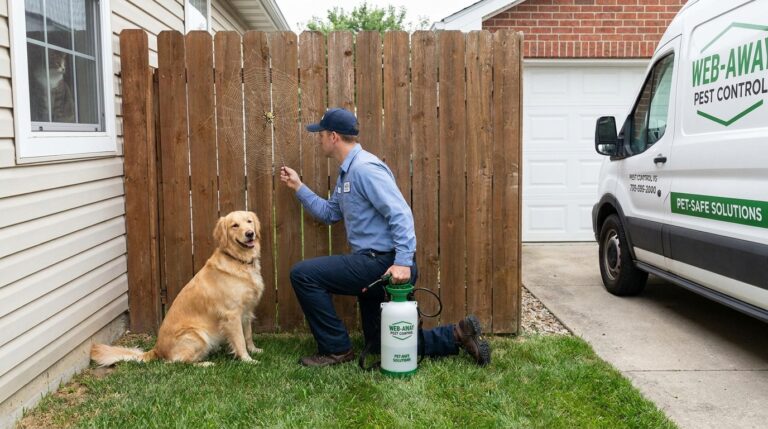

Good pet care is built through everyday habits. Feeding, exercise, grooming, enrichment, preventive veterinary care, identification, and a safe home environment all contribute to an animal’s quality of life. While individual needs vary between species, breeds, ages, and health conditions, consistency is one of the most valuable parts of responsible pet ownership.
The goal is not to create an overly complicated routine. Pet owners can often improve everyday care by paying closer attention to behavior, keeping basic health records organized, maintaining a predictable schedule, and responding early when something changes.
- Understand the Individual Animal
- Learn to Observe Normal Behavior
- Use Animal Content for Education and Appreciation
- Create a Consistent Feeding Routine
- Choose Food Appropriate to the Pet
- Avoid Frequent Unplanned Diet Changes
- Use Treats Thoughtfully
- Keep Fresh Water Available
- Make Exercise Part of the Routine
- Increase Activity Gradually
- Provide Mental Enrichment
- Rotate Enrichment Activities
- Allow Enough Rest
- Create a Safe Sleeping Area
- Keep the Home Environment Safe
- Be Careful With Human Foods
- Store Medication Securely
- Review Houseplants
- Maintain Grooming According to the Animal
- Use Grooming as a Health Check
- Check Nails Regularly
- Take Dental Health Seriously
- Use Preventive Veterinary Care
- Use Veterinary Information Responsibly
- Do Not Self-Diagnose Persistent Symptoms
- Know When Care May Be Urgent
- Keep Veterinary Contact Details Accessible
- Maintain Vaccination Records
- Discuss Parasite Prevention
- Do Not Mix Pet Medications Without Advice
- Monitor Body Condition
- Avoid Crash Diets for Pets
- Provide Safe Outdoor Activity
- Inspect Fences and Gates
- Use Identification
- Keep Identification Details Current
- Use Leashes and Harnesses Correctly
- Train Useful Everyday Behaviors
- Use Positive Reinforcement
- Keep Training Sessions Short
- Socialize at an Appropriate Pace
- Recognize Stress Signals
- Give Pets Choice Where Possible
- Supervise Children and Pets
- Prepare for Travel
- Practice Carrier Use
- Plan Vehicle Safety
- Never Leave a Pet in a Hot Vehicle
- Bring Familiar Food During Trips
- Research Veterinary Care at the Destination
- Prepare for Household Emergencies
- Create a Pet Emergency Kit
- Make Cleaning Part of Routine Care
- Use Pet-Safe Cleaning Practices
- Watch for Seasonal Changes
- Adapt Care as Pets Age
- Reduce Slipping for Older Pets
- Make Food and Water Easy to Reach
- Do Not Assume Every Change Is Normal Aging
- Review the Routine Regularly
- Focus on Quality of Life
Understand the Individual Animal
Two pets of the same species may still have very different needs. Age, body size, energy level, previous experiences, health, temperament, and living environment can all influence care.
Owners should build routines around the animal they actually have rather than assuming every pet will respond identically to general advice.
Learn to Observe Normal Behavior
Knowing what is normal for a pet makes unusual changes easier to notice. Pay attention to appetite, activity, movement, sleep, social behavior, grooming, and elimination habits.
A change does not automatically mean something serious is wrong, but persistent or significant differences may deserve professional evaluation.
Use Animal Content for Education and Appreciation
Photographs and educational content about different animals can help people become more interested in behavior, species diversity, and responsible care.
People exploring animal-related material may encounter resources such as Animals Photos. Visual content can be enjoyable and educational, but decisions about an individual pet’s health or welfare should still be based on reliable veterinary guidance and the animal’s specific circumstances.
Create a Consistent Feeding Routine
Regular feeding times can make household care easier and help owners monitor appetite more accurately.
Portion size should reflect the animal’s nutritional needs rather than simply filling the bowl whenever it becomes empty.
Choose Food Appropriate to the Pet
Nutrition requirements vary according to species, age, size, activity, health, and other factors.
When selecting food, consider appropriate nutritional standards and veterinary advice rather than marketing claims alone.
Avoid Frequent Unplanned Diet Changes
Changing food repeatedly can sometimes cause digestive upset or make it difficult to identify the cause of a problem.
When a diet change is necessary, follow appropriate veterinary or manufacturer guidance about transition where relevant.
Use Treats Thoughtfully
Treats can be useful for training and enrichment, but they still contribute to overall intake.
Choose suitable products and avoid allowing treats to replace balanced everyday nutrition.
Keep Fresh Water Available
Pets should have appropriate access to clean water according to their species and needs.
Bowls or other drinking equipment should be cleaned regularly and placed somewhere easy for the animal to reach.
Make Exercise Part of the Routine
Regular physical activity can support general well-being and help provide behavioral enrichment.
The appropriate amount varies significantly. A young energetic dog may need a very different routine from an elderly animal or a small indoor pet.
Increase Activity Gradually
Animals that are not accustomed to demanding exercise should not suddenly be expected to complete long or intense activity.
Gradual increases can help owners understand how the pet responds and whether adjustments are needed.
Provide Mental Enrichment
Pets also benefit from opportunities to explore, problem-solve, and engage in natural behaviors.
Training games, scent activities, puzzle feeders, scratching surfaces, climbing opportunities, or interactive play may be appropriate depending on the animal.
Rotate Enrichment Activities
Keeping every toy available continuously can sometimes reduce interest.
Rotating a smaller selection can create variety without requiring owners to continually purchase new items.
Allow Enough Rest
Activity and enrichment should be balanced with quiet periods.
Pets need a comfortable place where they can rest without constant interruption from children, visitors, other animals, or household activity.
Create a Safe Sleeping Area
Bedding should be appropriate for the animal’s size, mobility, temperature needs, and normal sleeping behavior.
Older pets or animals with mobility limitations may benefit from easier access and additional support.
Keep the Home Environment Safe
Pet safety includes more than preventing escape. Medications, cleaning products, electrical cords, sharp objects, small swallowable items, and unsuitable foods can all create household hazards.
Review rooms from the pet’s perspective and secure anything the animal could reasonably reach.
Be Careful With Human Foods
Foods that are harmless to people are not automatically safe for animals.
Before sharing unfamiliar food with a pet, check reliable veterinary guidance rather than assuming a small amount cannot cause harm.
Store Medication Securely
Human and veterinary medications should be stored where pets cannot access them accidentally.
If an animal may have swallowed medication or another potentially harmful substance, contact a veterinarian or appropriate animal poison service promptly.
Review Houseplants
Some decorative plants can be irritating or toxic to pets.
Before adding plants to areas accessible to animals, confirm whether they are appropriate for the species living in the home.
Maintain Grooming According to the Animal
Grooming needs vary with coat type, species, activity, and health.
Brushing, nail care, ear checks, bathing, and coat maintenance should be performed according to individual needs rather than one universal schedule.
Use Grooming as a Health Check
Routine grooming provides an opportunity to notice skin changes, lumps, sore areas, parasites, unusual odors, or changes in coat condition.
Anything persistent or concerning should be discussed with a veterinarian.
Check Nails Regularly
Overgrown nails can affect comfort and movement in some pets.
Owners who are unsure how to trim nails safely may prefer guidance from a veterinarian, groomer, or another appropriately trained professional.
Take Dental Health Seriously
Oral health is easy to overlook because dental problems may not be immediately visible.
Persistent bad breath, difficulty eating, bleeding, swelling, or other changes deserve professional veterinary attention.
Use Preventive Veterinary Care
Routine veterinary care can include physical examinations, vaccinations, parasite prevention, dental assessment, and other services depending on the animal and region.
The appropriate schedule should be determined with a veterinarian rather than copied from a generic checklist.
Use Veterinary Information Responsibly
Online veterinary content can help owners understand terminology, common conditions, and questions worth asking during appointments.
Pet owners researching medical topics may encounter resources such as Dr Fox Vet. General veterinary information can support education, but it cannot diagnose an individual animal or replace examination, testing, and treatment from a qualified veterinarian.
Do Not Self-Diagnose Persistent Symptoms
The same symptom can have many possible causes. Vomiting, scratching, lethargy, coughing, limping, or changes in appetite may require different responses depending on the animal and context.
Online searches can provide background information, but persistent or significant symptoms deserve veterinary assessment.
Know When Care May Be Urgent
Severe breathing difficulty, collapse, major trauma, uncontrolled bleeding, suspected poisoning, seizures, or other serious symptoms may require immediate veterinary attention.
Owners should know how to contact an emergency veterinary service in their area before such a situation occurs.
Keep Veterinary Contact Details Accessible
Store the regular clinic number, emergency service information, and relevant pet records somewhere easy to reach.
This becomes especially important during travel or after normal clinic hours.
Maintain Vaccination Records
Vaccination requirements and recommendations can vary according to species, lifestyle, and location.
Keep records organized because they may be needed for boarding, travel, training facilities, or other services.
Discuss Parasite Prevention
Fleas, ticks, worms, and other parasites vary by region and lifestyle.
Ask a veterinarian which preventive measures are appropriate rather than choosing products randomly or combining treatments without guidance.
Do Not Mix Pet Medications Without Advice
More treatment is not always better. Combining products can sometimes create interactions or excessive dosing.
Follow veterinary instructions carefully and confirm before adding another medication or supplement.
Monitor Body Condition
Gradual weight gain or loss can be difficult to notice when owners see a pet every day.
Regular monitoring during veterinary care or at home where appropriate can help identify meaningful changes.
Avoid Crash Diets for Pets
If an animal needs weight management, sudden severe restriction is not a safe substitute for a properly designed plan.
Discuss appropriate feeding and activity changes with a veterinarian.
Provide Safe Outdoor Activity
Outdoor time can offer valuable exercise and enrichment, but owners should consider traffic, fencing, weather, wildlife, parasites, plants, and other environmental risks.
The safest setup depends on the pet and location.
Inspect Fences and Gates
Small gaps, loose boards, broken latches, or digging can create escape routes over time.
Periodic inspections can identify problems before the pet takes advantage of them.
Use Identification
Even indoor pets can become lost unexpectedly.
Appropriate visible identification and any other locally recommended identification method can make reunification easier.
Keep Identification Details Current
An old phone number or address reduces the usefulness of identification.
Update records whenever contact details change.
Use Leashes and Harnesses Correctly
Walking equipment should fit properly and be appropriate for the animal’s size and behavior.
Check straps, clips, and attachment points for wear before relying on them outdoors.
Train Useful Everyday Behaviors
Basic behaviors such as coming when called, walking calmly, waiting, settling, and allowing handling can make everyday care much easier.
Training should be consistent and appropriate to the animal.
Use Positive Reinforcement
Rewarding desired behavior can help pets understand what owners want them to repeat.
Food, praise, play, or access to a preferred activity may work as reinforcement depending on the individual animal.
Keep Training Sessions Short
Long sessions can lead to frustration or loss of attention.
Short practice periods integrated into everyday routines can be easier for both pets and owners.
Socialize at an Appropriate Pace
Exposure to new people, animals, environments, sounds, and experiences should be managed according to the pet’s comfort and safety.
Socialization does not mean forcing interaction when the animal is clearly uncomfortable.
Recognize Stress Signals
Changes in posture, movement, vocalization, avoidance, hiding, or other behavior may indicate discomfort or stress.
Owners who learn to recognize early signs can adjust the situation before the animal becomes overwhelmed.
Give Pets Choice Where Possible
Allowing an animal to move away from visitors, rest in another area, or end an interaction can support comfort.
A pet should not be expected to tolerate constant handling simply because people want attention from it.
Supervise Children and Pets
Positive relationships between children and animals require guidance and supervision.
Children should learn to respect sleeping, eating, injured, or frightened pets and avoid rough handling.
Prepare for Travel
Travel with pets requires additional planning around transport, identification, food, water, medication, accommodation, and local rules.
Begin preparations early rather than packing everything immediately before departure.
Practice Carrier Use
Carriers can become less stressful when pets encounter them during ordinary life rather than only before veterinary visits.
Introduce carriers gradually and make them comfortable where appropriate.
Plan Vehicle Safety
Pets should not move freely around a vehicle in ways that distract the driver or create risk during sudden stops.
Use an appropriate carrier or restraint method based on the pet and local requirements.
Never Leave a Pet in a Hot Vehicle
Vehicle temperatures can rise rapidly and create dangerous conditions.
Do not leave pets unattended in situations where heat could threaten their safety.
Bring Familiar Food During Trips
Sudden dietary changes during travel can add unnecessary digestive stress.
Bring enough of the normal food where practical and keep feeding routines reasonably consistent.
Research Veterinary Care at the Destination
For longer trips, it can be useful to know where veterinary services are available before an emergency occurs.
This is particularly important when traveling far from familiar clinics.
Prepare for Household Emergencies
Emergency planning should include animals as well as people.
Keep carriers, leads, medications, food, identification, and essential records accessible if temporary evacuation becomes necessary.
Create a Pet Emergency Kit
A basic kit may include food, water, medications, simple supplies, copies of important records, and other essentials appropriate to the individual pet.
Review contents periodically so expired or outdated items can be replaced.
Make Cleaning Part of Routine Care
Pet bedding, bowls, litter areas, cages, tanks, or other equipment should be cleaned according to the needs of the animal and materials involved.
Regular maintenance is usually easier than waiting for major odor or dirt buildup.
Use Pet-Safe Cleaning Practices
Cleaning products should be used and stored according to their instructions.
Keep pets away from wet or recently treated areas where exposure could be inappropriate.
Watch for Seasonal Changes
Heat, cold, storms, insects, seasonal plants, and daylight changes can all affect pet routines.
Adjust exercise, outdoor time, bedding, and other care according to current conditions.
Adapt Care as Pets Age
Older animals may need changes to exercise, feeding, flooring, bedding, grooming, and access around the home.
Regular veterinary assessment can help owners understand which changes are appropriate.
Reduce Slipping for Older Pets
Some senior animals struggle on smooth flooring.
Secure rugs, runners, or other appropriate traction solutions can make movement easier in important areas.
Make Food and Water Easy to Reach
As mobility changes, placing essential resources far from resting areas may become unnecessarily difficult.
Adjust the environment according to the individual pet’s needs.
Do Not Assume Every Change Is Normal Aging
Reduced activity, confusion, appetite changes, pain, or mobility problems should not automatically be dismissed because a pet is older.
Veterinary evaluation can help distinguish expected aging from treatable health concerns.
Review the Routine Regularly
Pet care needs change over time.
Every few months, consider whether feeding, exercise, grooming, enrichment, identification, and home arrangements still suit the animal.
Focus on Quality of Life
The most valuable pet-care routine is not the one with the largest number of products or activities. It is the one that supports comfort, health, safety, predictable care, and positive interaction.
By paying attention to behavior, maintaining preventive veterinary care, offering appropriate enrichment, keeping the environment safe, and adapting routines as pets age, owners can support better everyday well-being. Responsible care is built gradually through small decisions repeated consistently throughout the animal’s life.