

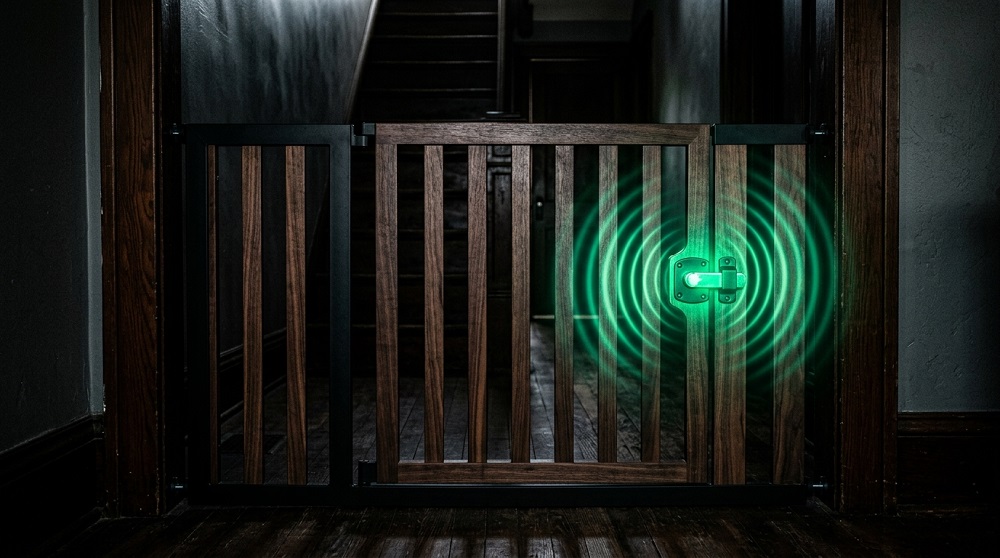
A pet’s home environment shapes its health, behavior, and overall happiness. Whether you share your space with a dog, cat, or smaller companion animal, thoughtful adjustments to your living space can prevent accidents, reduce stress, and give your pet a place where it genuinely feels secure.
- Start with Safety
- Remove Common Household Hazards
- Secure Windows, Balconies, and Yards
- Keep Small and Sharp Objects Out of Reach
- Design for Comfort
- Give Them a Dedicated Retreat Space
- Choose the Right Bedding and Temperature
- Add Enrichment, Not Just Furniture
- Maintain a Healthy Environment
- Prioritize Cleanliness
- Control Noise and Foot Traffic
- Think About Multi-Pet Households
- Final Thoughts
Start with Safety
Remove Common Household Hazards
Many everyday items pose risks pets don’t recognize as dangerous. Secure loose electrical cords, store cleaning chemicals and medications behind closed doors, and identify which houseplants are toxic — popular choices like lilies, pothos, and philodendrons can cause serious harm if chewed. Trash cans with tight-fitting lids also prevent pets from ingesting spoiled food or packaging.
Secure Windows, Balconies, and Yards
Cats are notorious for slipping through gaps, and dogs can be surprisingly resourceful escape artists. Install sturdy screens on windows, check fencing for gaps or weak points, and never assume a balcony railing is pet-proof without a barrier. Outdoor spaces should be checked seasonally, since fences shift and gates can loosen over time.
Keep Small and Sharp Objects Out of Reach
Children’s toys, sewing supplies, and small decorative items are common culprits in emergency vet visits. A quick “pet’s-eye view” sweep of each room — literally getting down to their level — helps you spot hazards you might otherwise miss.
Design for Comfort
Give Them a Dedicated Retreat Space
Every pet benefits from a space that’s entirely their own — a crate, bed, or quiet corner where they can retreat when they need rest or feel overwhelmed. This spot should be away from high-traffic areas and loud appliances, giving your pet a reliable place to decompress.
Choose the Right Bedding and Temperature
Bedding should suit your pet’s size and coat type; older pets or those with joint issues often benefit from orthopedic support. Keep an eye on room temperature too, since pets can’t always regulate body heat as efficiently as humans, especially very young, senior, or short-nosed breeds.
Add Enrichment, Not Just Furniture
Comfort isn’t only physical. Scratching posts, climbing shelves, and puzzle feeders for cats, or chew toys and interactive games for dogs, keep pets mentally engaged and reduce anxiety-driven behaviors like destructive chewing or excessive vocalizing.
Maintain a Healthy Environment
Prioritize Cleanliness
Regularly wash bedding, sanitize food and water bowls, and clean litter boxes daily to prevent bacterial buildup. A clean environment isn’t just about odor control — it directly affects your pet’s skin, digestive, and respiratory health.
Control Noise and Foot Traffic
Loud, chaotic environments can be genuinely stressful for pets with sensitive hearing. If you know a busy event or renovation is coming, set up a calm space in advance with familiar bedding and toys to help your pet cope.
Think About Multi-Pet Households
If you have more than one animal, ensure each has separate resources — food bowls, litter boxes, and resting spots — to avoid resource guarding and territorial stress. Gradual, supervised introductions also go a long way toward long-term harmony.
Final Thoughts
A safe, comfortable home isn’t built in a single afternoon — it’s an ongoing process of observing your pet’s habits and adjusting your space accordingly. By addressing hazards, creating a dedicated retreat, and maintaining cleanliness, you give your pet the foundation it needs to thrive in its environment.