

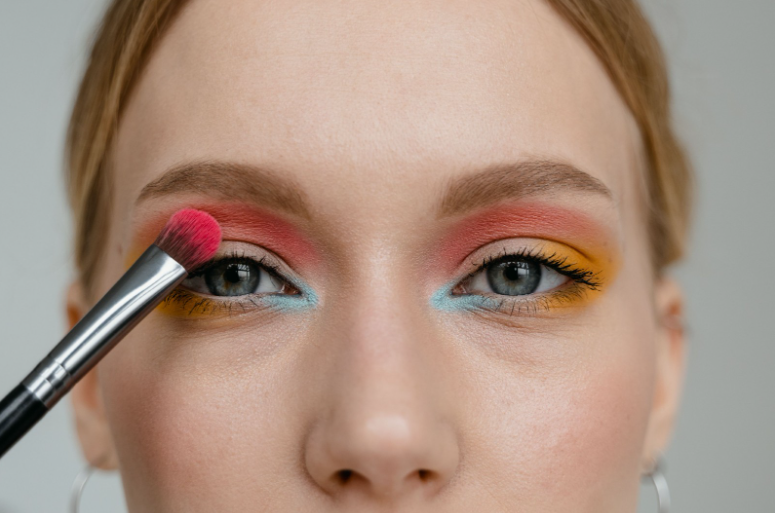
You can spend twenty minutes blending an eyeshadow look only to watch it crease, fade, or disappear by lunchtime. Annoying, yes. But the problem isn’t always the eyeshadow itself. Your base matters too, and small mistakes with eye primer can make it harder for shadow to stay put. Primer creates a smoother base and helps powder shadow grip the lid, which can improve wear and color payoff.
Using Too Much Primer
More product doesn’t mean more staying power. A thick layer can leave your lids feeling wet or heavy, giving eyeshadow too much slip instead of a stable base. Start with a small amount and spread it into a thin, even layer. Your lid should feel prepared, not coated.
- Using Too Much Primer
- Applying It Over Oily Lids
- Not Letting the Primer Set
- Choosing a Formula That Doesn’t Suit Your Lids
- Putting Skincare Directly Under Your Primer
- Setting Every Primer Before Adding Shadow
- Swiping Instead of Pressing on Pigment
- Layering Too Many Products
- Using the Same Technique for Every Eyeshadow
- Build a Base That Works With Your Makeup
Applying It Over Oily Lids
Oil is one of the main reasons eyeshadow starts moving around. If your lids are naturally oily, applying primer straight over excess oil can work against you.
Start with clean, dry skin. Then apply a thin layer of primer and give it time to settle before reaching for your palette. Some formulas are also designed to help control excess oil, which can make them a better fit for oily lids.
Not Letting the Primer Set
This one is easy to overlook. You apply primer, reach for your favorite shade, and start blending immediately. The shadow then grabs in some areas and skips in others.
Give the primer a moment to set first. A properly settled base creates a more even surface, while applying makeup too quickly can lead to patchiness or pilling.
Choosing a Formula That Doesn’t Suit Your Lids
Not every primer works the same way. Dry lids may need a formula that feels comfortable without emphasizing texture. Oily lids often do better with a base that helps control shine. If discoloration is your main concern, a tinted primer can help even out the lid before you add color.
Think about what your lids actually need first. Then choose the formula.
Putting Skincare Directly Under Your Primer
A rich eye cream can feel great during your skincare routine, but too much moisture underneath your makeup can make eyeshadow less stable.
You don’t necessarily have to skip eye cream altogether. Just give skincare enough time to absorb, and avoid leaving a noticeably slippery layer on the lids before priming.
The goal is simple: comfortable skin with a base that isn’t overly slick.
Setting Every Primer Before Adding Shadow
Here’s where things get a little less straightforward.
Some makeup looks work well when you apply powder shadow directly over a slightly tacky primer. That grip can help pigment stick and look more intense. Other looks, especially those that need lots of blending, may be easier with a lightly set base.
So don’t automatically reach for setting powder every time. Consider the finish you’re trying to create.
Swiping Instead of Pressing on Pigment
If you’re working with a tacky base, the way you apply shadow matters.
Swiping a brush back and forth can move the primer around and shear out the color. For stronger pigment, try pressing or packing the shadow onto the lid first. Once the color is in place, blend the edges.
It takes a little patience. The payoff is better control.
Layering Too Many Products
Primer, concealer, cream shadow, powder, glitter, setting spray… suddenly there are six layers competing for space on one eyelid.
More layers can make a look heavier and increase the chance of creasing or patchiness. Keep the base simple unless the look genuinely calls for more. A thin primer layer is often enough to give powder shadow something to grip.
Using the Same Technique for Every Eyeshadow
A soft matte shadow doesn’t behave like a metallic shimmer. A cream formula doesn’t behave like a pressed powder.
Your base and application technique should match the product. Matte shades may need more blending, while shimmer and high-pigment shades often benefit from being pressed onto the lid rather than swept across it.
There isn’t one perfect method.
Build a Base That Works With Your Makeup
Long-lasting eyeshadow starts before the first shade goes on. Keep your lids clean, use a small amount of primer, let it settle, and choose a formula that suits your skin. From there, think about the texture of your eyeshadow and how you want it to look.
The goal isn’t to pile on more products. It’s to create a base that helps the makeup you already love stay where you put it.