

- Identifying Common Cockroach Species and Infestation Signs
- Indoor vs. Outdoor Cockroach Behavior
- Key Indicators of an Active Infestation
- The Environmental and Health Drawbacks of Traditional Pesticides
- Risks to Human and Pet Health
- Multi-Chemical Resistance and Bait Aversion
- Physical Exclusion and Habitat Modification Strategies
- Applying Albuquerque Preventative Pest Control Tactics to Home Exclusion
- Eliminating the Survival Triangle: Food, Water, and Harborage
- Effective Natural Repellents and Low-Impact DIY Control Methods
- Treatment Mode of Action Safety (Humans/Pets) Application Method Speed of Action Diatomaceous Earth Dehydration (abrasion & absorption) Very Low Risk Sprinkle in dry areas, cracks Slow (days-weeks) Boric Acid Stomach poison & dehydration Low Risk (if ingested) Bait mixture, dust in crevices Slow (days-weeks) Silica Aerogel Dehydration (absorption) Very Low Risk Dust in cracks, voids Slow (days-weeks) Essential Oils Repellent (strong scent) Low Risk (diluted) Spritz as spray Immediate (repel) Bay Leaves Repellent (strong scent) Very Low Risk Place crushed leaves Immediate (repel) Mechanical Removal and Non-Toxic Traps
- Least-Toxic Baits and Growth Regulators
- The Role of Albuquerque Preventative Pest Control in Long-Term Management
- Integrating Albuquerque Preventative Pest Control into Seasonal Maintenance
- When to Transition from DIY Remediation to Professional Support
- Frequently Asked Questions About Eco-Friendly Cockroach Control
- How do natural desiccants like diatomaceous earth kill cockroaches?
- Why are total-release foggers and bug bombs not recommended?
- How long does it take to eliminate an infestation using green pest methods?
- Conclusion
Identifying Common Cockroach Species and Infestation Signs
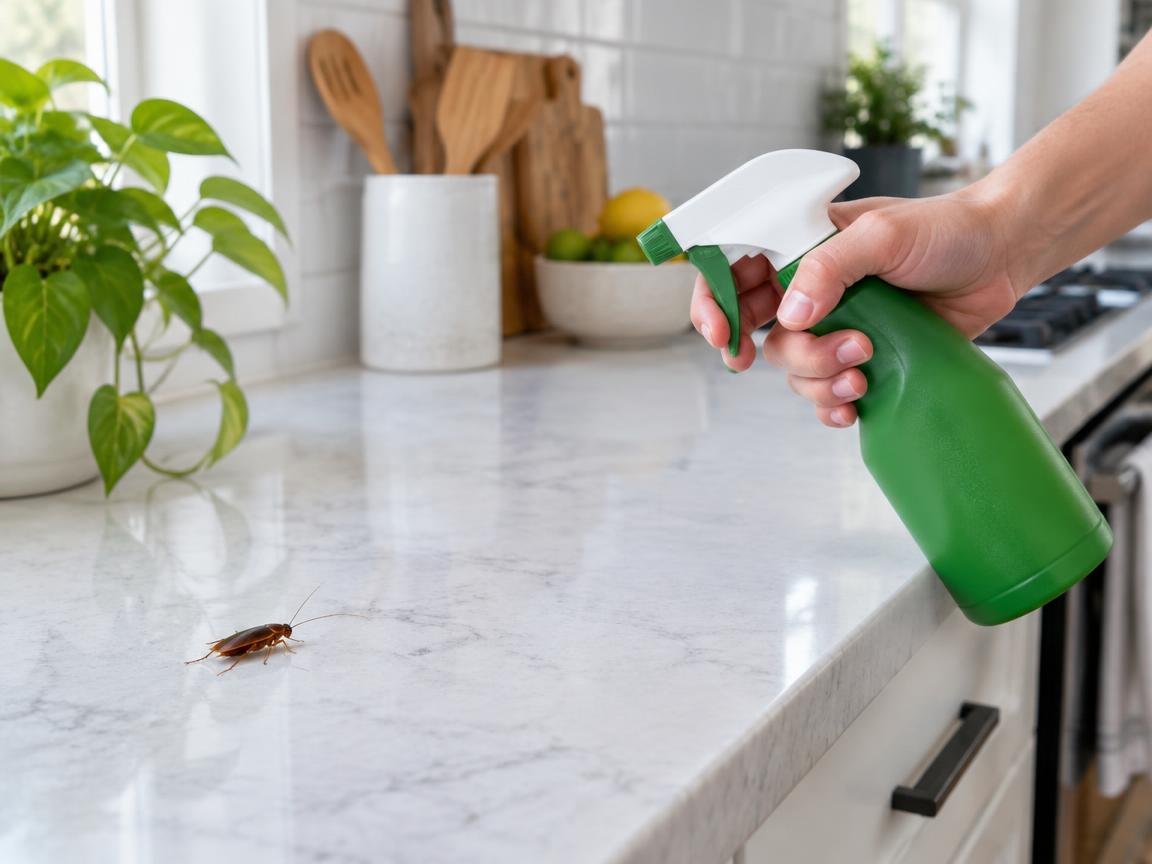
The sight of a cockroach scurrying across your floor can trigger an immediate urge to eliminate it. While these resilient pests are known for their ability to thrive in various conditions, we now understand that traditional chemical solutions often come with significant health and environmental costs. Large indoor cockroach populations, for instance, are a leading cause of allergies and asthma, and they can carry harmful bacteria.
Fortunately, we don’t have to choose between a pest-free home and a healthy environment. This guide explores the power of eco-friendly cockroach control, offering sustainable methods that protect your family and the planet. We’ll show you how to identify infestation signs, understand the drawbacks of chemical pesticides, and implement effective natural strategies for prevention and elimination. For those in specific regions like Albuquerque, preventative pest control tailored to local conditions is crucial for long-term success.
Join us as we dive into a comprehensive approach to managing cockroaches, focusing on solutions that are both safe and effective.
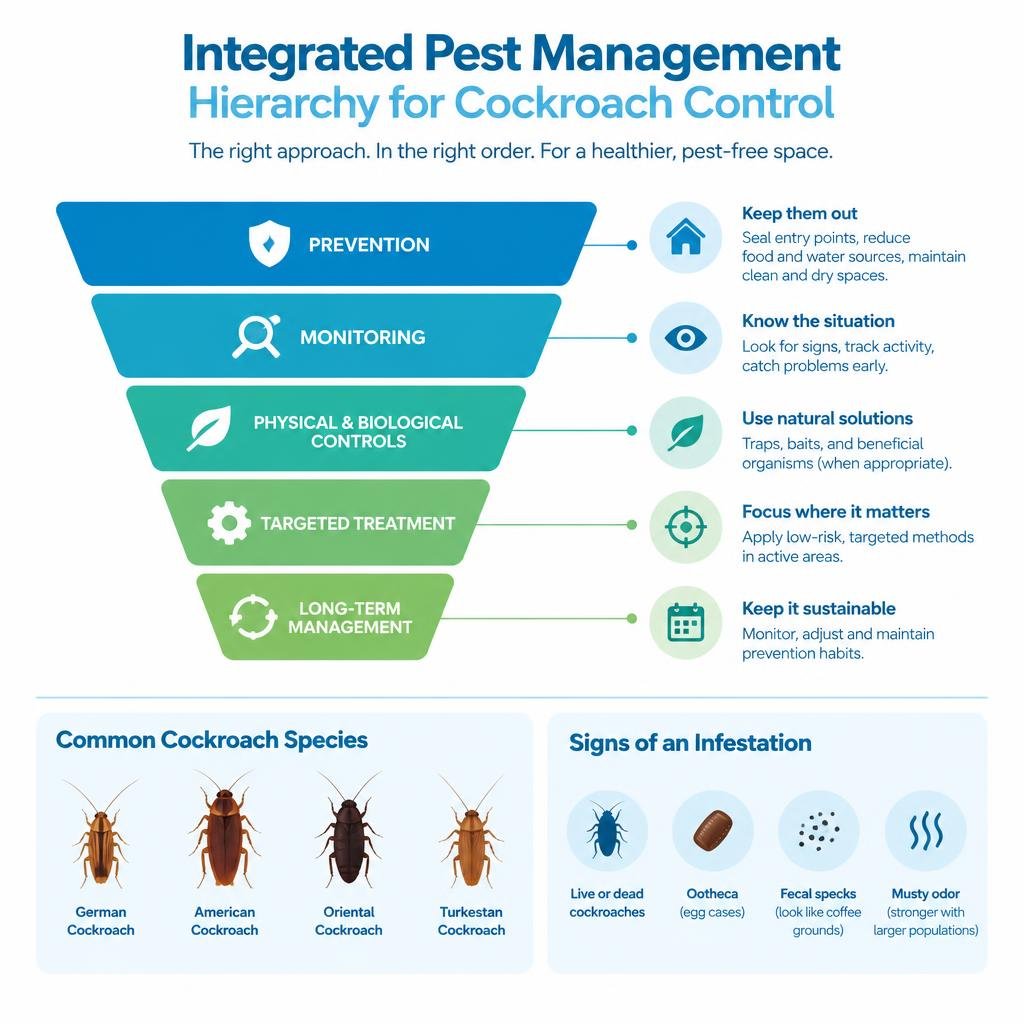
Out of approximately 4,500 cockroach species worldwide, only a handful are considered pests. However, these few can be a significant nuisance and health risk. Understanding which species you’re dealing with is the first step toward effective eco-friendly control. The most common household invaders include the German, American, Oriental, and Turkestan cockroaches.
Cockroaches are primarily nocturnal, meaning they are most active at night. Spotting them during the day often indicates a larger, more established infestation. Beyond direct sightings, several tell-tale signs suggest their unwelcome presence. These include the discovery of ootheca casings (egg cases), which vary in appearance by species, a distinct musty odor that intensifies with larger populations, and fecal specks resembling coffee grounds or black pepper.
Indoor vs. Outdoor Cockroach Behavior
Different species exhibit distinct behaviors and habitat preferences. German cockroaches, for example, are predominantly indoor pests, favoring warm, humid environments like kitchens and bathrooms. They are prolific breeders, and a single female and her offspring can produce over 30,000 individuals in a year. American cockroaches, often referred to as “palmetto bugs” in some regions, are larger and frequently originate outdoors in sewers or decaying organic matter, entering homes in search of food or water. Oriental cockroaches, sometimes called “water bugs,” prefer cool, damp areas like basements, drains, and crawl spaces. Turkestan cockroaches are increasingly common, often displacing Oriental cockroaches, and are also typically outdoor dwellers that migrate indoors.
Cockroaches are attracted to moisture, warmth, and readily available food sources. They can fit into incredibly small spaces—adult German cockroaches can squeeze through cracks as narrow as 1.6 mm (about 1/16 of an inch)—making harborage sites like wall voids, under appliances, and behind cabinets ideal hiding spots.
Key Indicators of an Active Infestation
Beyond seeing the pests themselves, several other indicators can confirm an active infestation:
- Smear Marks: Brown or black streaks on surfaces, particularly along baseboards or countertops, can be left by cockroaches as they move.
- Daytime Sightings: As nocturnal creatures, seeing cockroaches during daylight hours often signals a severe infestation, as overcrowding forces them out of hiding.
- Shed Skins: Cockroaches shed their exoskeletons five to eight times as they grow. Finding these shed skins, or cast skins, is a clear sign of their presence.
- Egg Cases (Oothecae): These small, capsule-like structures protect cockroach eggs. They vary in color and shape by species but finding them indicates active breeding.
- Structural Damage: While less common, heavy infestations can lead to visible damage to food packaging, books, or wallpaper as cockroaches forage for food.
To help differentiate between the common species, here’s a brief comparison:
Species Habitat Preference Size (Adult) Lifespan (Adult) Distinctive Features German Warm, humid indoor areas ~0.5 – 0.75 inches ~6 months Two dark stripes on pronotum; very prolific; females carry egg case. American Warm, moist outdoor/indoor ~1.5 – 2 inches ~1 year Reddish-brown with yellowish figure-8 pattern on head; can fly. Oriental Cool, damp indoor/outdoor ~1 – 1.25 inches ~1 year Dark brown/black; females have short wings; males have wings covering 3/4 of abdomen. Turkestan Outdoor (damp areas, compost) ~0.75 – 1 inch ~6 months Males are tan with yellow stripes, fully winged; females are dark brown, short-winged.
The Environmental and Health Drawbacks of Traditional Pesticides
For decades, the go-to solution for cockroach infestations has been chemical pesticides. However, as of October 2026, there’s a growing consensus that these methods, while seemingly effective in the short term, carry significant environmental and health risks. Surveys show that over one-third of all pesticides used in the U.S. are applied in urban environments, with the majority used in homes. This widespread application raises concerns about indoor air quality and potential long-term exposure.
Traditional chemical treatments often involve broad-spectrum insecticides like organophosphates or pyrethroid dusts. While designed to kill pests, these chemicals can have unintended consequences, leading to non-target toxicity, harming beneficial insects, pets, and even humans. The pesticides in foggers, for instance, can leach into the ground, contaminate water sources, or be ingested by non-target animals. Harsh DIY sprays like bleach, while seemingly a quick fix, can be more harmful to people and pets than to the cockroaches themselves.
Risks to Human and Pet Health
The potential health risks associated with traditional chemical pesticides are numerous and concerning. Exposure can range from mild skin conditions to severe neurological deficiencies. For instance, large indoor cockroach populations are a leading cause of allergies and asthma, particularly in children, and the chemicals used to control them can exacerbate these issues or introduce new ones. Chemical residues can linger on surfaces, becoming a source of chronic exposure, especially for young children and pets who spend more time on floors. Accidental ingestion by pets is a very real danger, and the chemicals can cause serious harm.
Some common active ingredients in traditional cockroach control products, like Indoxacarb, Hydramethylnon, and Fipronil, have varying half-lives in the environment, ranging from days to hundreds of days. This means they can persist and continue to pose risks long after application.
Multi-Chemical Resistance and Bait Aversion
Cockroaches are incredibly resilient creatures. They breed very quickly and have shown an increasing ability to develop resistance to many chemical treatments over time. This multi-chemical resistance, particularly among German cockroach populations, means that pesticides that once worked effectively are now less potent or entirely ineffective.
Adding to this challenge is the phenomenon of bait aversion. Some cockroach populations have developed a glucose aversion, where they actively avoid baits containing glucose, a common attractant. This genetic adaptation makes traditional baiting strategies less successful. When cockroaches become resistant or averse, pest control becomes a frustrating cycle of trying new chemicals, often leading to increased pesticide use without solving the underlying problem. This also highlights why fogging is generally ineffective; it doesn’t reach the deep harborage areas where cockroaches hide and can scatter them, making control even harder.
Physical Exclusion and Habitat Modification Strategies
The cornerstone of eco-friendly cockroach control lies in preventing their entry and making your home an inhospitable environment. This involves a combination of physical exclusion tactics and habitat modification strategies, effectively cutting off their access to food, water, and shelter.
Start by sealing up potential entry points. Use durable materials like silicone caulk for cracks and crevices around windows, doors, and baseboards. For larger gaps, such as those around pipes or utility lines, expanding foam or copper mesh can be effective barriers. Ensure all exterior doors have intact door sweeps and that window screens are free of holes. Drain stoppers should be used in sinks and tubs when not in use to block access from plumbing.

Here’s a list of high-risk entry points to seal:
- Cracks and gaps around pipes under sinks and behind appliances.
- Openings around electrical outlets and switch plates.
- Gaps beneath baseboards and molding.
- Cracks in foundations, especially near utility penetrations.
- Unsealed spaces around window and door frames.
- Vents and exhaust fan openings (ensure they have fine mesh screens).
- Gaps where utility lines enter the home.
Applying Albuquerque Preventative Pest Control Tactics to Home Exclusion
In regions with specific environmental challenges, like the arid climate of Albuquerque, preventative pest control measures need to be adapted. Cockroaches, especially outdoor species, may seek refuge indoors during extreme weather conditions. Sealing cracks and gaps in the foundation is paramount, as is ensuring utility penetrations are properly sealed. A layer of gravel around the perimeter of your home can also deter pests by creating a dry, less inviting barrier. For comprehensive and specialized solutions tailored to the local environment, considering professional assistance for Albuquerque preventative pest control can provide an added layer of defense. This approach helps address unique regional factors that might contribute to infestations, such as specific outdoor species or seasonal influxes.
Eliminating the Survival Triangle: Food, Water, and Harborage
Cockroaches need three things to survive: food, water, and harborage (shelter). Eliminating these “survival triangle” elements is critical for long-term control.
- Food: Store all food, including pet food, in airtight containers. Clean up thoroughly after food preparation, ensuring no crumbs or spills are left behind. Wipe down kitchen and bathroom counters daily, and don’t leave dirty dishes out overnight. Regularly clean under and behind appliances like refrigerators and stoves, as grease and food debris can accumulate there. Empty trash cans frequently, using those with tight-fitting lids.
- Water: Cockroaches can survive for weeks without food, but only days without water. Repair leaky pipes, faucets, and drains immediately. Wipe up any standing water in sinks, tubs, and showers. Address condensation issues, such as insulating pipes or placing collection pans under refrigerators. Don’t leave pet water bowls filled overnight, and ensure aquariums have tight-fitting lids.
- Harborage: Reduce clutter in your home, especially in storage areas like garages, basements, and attics. Cockroaches love to hide in cardboard boxes; replace them with plastic, sealable bins for long-term storage. Seal cracks and crevices with caulk to eliminate hiding spots. Keep foundation plantings and mulches set back from the house, and stack firewood away from the building.
Effective Natural Repellents and Low-Impact DIY Control Methods
Once you’ve implemented exclusion and sanitation measures, several natural repellents and low-impact DIY methods can further deter cockroaches and help eliminate existing populations. These options prioritize safety for your family, pets, and the environment.
Diatomaceous Earth (DE): This fine powder is made from the fossilized remains of diatoms. It’s harmless to humans and pets, but deadly to cockroaches. When cockroaches crawl over DE, the microscopic sharp edges cut their exoskeletons, and the powder absorbs their protective waxes, leading to dehydration and death. Sprinkle food-grade DE in dry areas where cockroaches are active, such as under sinks, behind appliances, and along baseboards. Results can be seen within two weeks.
Boric Acid: Similar to DE, boric acid is a natural compound that acts as a stomach poison and dehydrating agent for cockroaches when ingested. It can be mixed with equal parts flour and sugar to create a bait, placed in small amounts in out-of-reach areas. Caution: While less toxic than many synthetic pesticides, boric acid should be kept out of reach of children and pets.
Silica Aerogel: This desiccant dust works similarly to DE, absorbing the waxy layer of the cockroach’s cuticle, causing dehydration. It’s effective in cracks and crevices.
Essential Oils: Certain essential oils have strong scents that can repel cockroaches.
- Peppermint Oil: Dilute peppermint oil with water in a spray bottle and spritz it in areas where roaches have been seen. Reapply every few days. While it may only repel them from an area rather than eliminate an entire infestation, it can help deter them.
- Eucalyptus Oil: Can also be used in sprays to help reduce the presence of roaches.
- Bay Leaves: Crushed dried bay leaves placed in kitchen drawers and cabinets can act as a natural repellent.
Here’s a comparison of some non-toxic cockroach control treatments:
Treatment Mode of Action Safety (Humans/Pets) Application Method Speed of Action Diatomaceous Earth Dehydration (abrasion & absorption) Very Low Risk Sprinkle in dry areas, cracks Slow (days-weeks) Boric Acid Stomach poison & dehydration Low Risk (if ingested) Bait mixture, dust in crevices Slow (days-weeks) Silica Aerogel Dehydration (absorption) Very Low Risk Dust in cracks, voids Slow (days-weeks) Essential Oils Repellent (strong scent) Low Risk (diluted) Spritz as spray Immediate (repel) Bay Leaves Repellent (strong scent) Very Low Risk Place crushed leaves Immediate (repel) Mechanical Removal and Non-Toxic Traps
Sometimes, direct intervention is necessary.
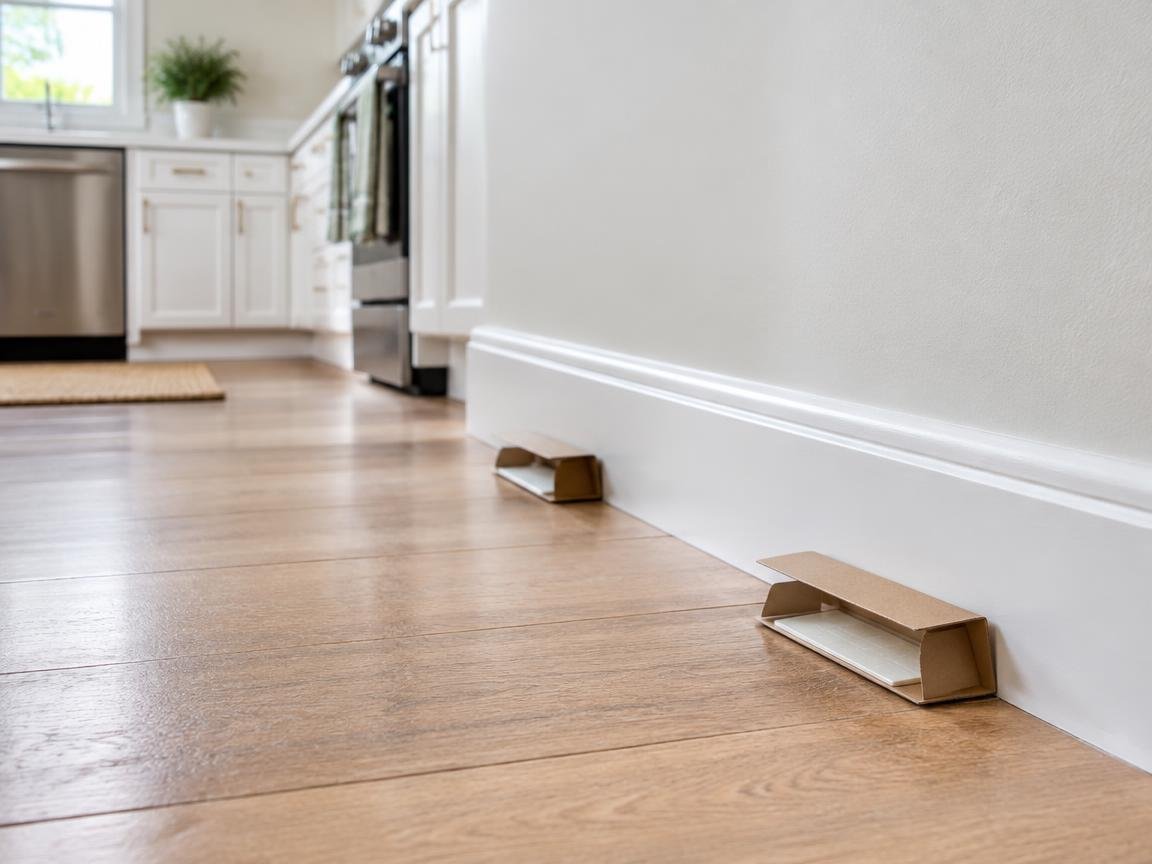
- Sticky Glue Boards (Insect Monitors): These non-toxic traps are excellent for monitoring cockroach activity and capturing individual pests. Place them in suspected high-traffic areas like behind refrigerators, under sinks, and near water heaters. While effective for small numbers, they may not be sufficient for severe infestations. Dispose of them thoughtfully to avoid harming wildlife.
- Jar Traps: A simple DIY trap involves coating the inside of a small jar with oil or Vaseline, placing bait (like sweet fruit or beer-soaked bread) inside, and setting it upright in roach-frequented areas. Cockroaches crawl in, are attracted by the bait, and cannot climb out. For outdoor use, these can be quite effective.
- HEPA Vacuuming: For visible cockroaches or heavy infestations, a HEPA vacuum can provide immediate physical removal. Use attachments to clean tight spaces and crevices. After vacuuming, immediately dispose of the vacuum bag (or empty the canister into a sealed bag) and place it in an outdoor trash bin.
- Nonchemical Flushing Agents: Compressed air can be used to flush cockroaches out of cracks and crevices, making them easier to vacuum up.
- Humane Catchers: For individual cockroaches, a humane bug catcher allows you to trap and release them outdoors, away from your home.
Least-Toxic Baits and Growth Regulators
When dealing with a persistent problem, more advanced eco-friendly solutions include targeted baits and Insect Growth Regulators (IGRs).
- Least-Toxic Baits: Modern baits, often in gel or paste form, contain active ingredients with lower toxicity profiles than traditional sprays. These baits exploit cockroach behaviors like coprophagy (eating feces) and cannibalism, leading to secondary transfer where poisoned cockroaches pass the active ingredient to others, including nymphs. This can be highly effective in reducing populations over time. It’s crucial to rotate bait products with different active ingredients (IRAC classes) to prevent the development of resistance and bait aversion.
- Insect Growth Regulators (IGRs): IGRs don’t kill cockroaches directly but disrupt their life cycle. Juvenile Hormone Analogues (JHAs) mimic natural insect hormones, preventing immature cockroaches from developing into reproductive adults. Chitin Synthesis Inhibitors (CSIs) interfere with the formation of the cockroach’s exoskeleton, leading to abnormal molting and eventually death. IGRs are slow-acting but provide excellent long-term control by sterilizing adults and preventing future generations. They are often applied as crack and crevice treatments in harborage areas.
The Role of Albuquerque Preventative Pest Control in Long-Term Management
Long-term eco-friendly cockroach control is about more than just reacting to a problem; it’s about establishing a comprehensive, proactive strategy. This approach, often referred to as Integrated Pest Management (IPM), combines continuous monitoring, sustained sanitation, and targeted, least-toxic interventions. Professional monitoring is key to identifying pest hotspots and evaluating the effectiveness of control measures.
Integrating Albuquerque Preventative Pest Control into Seasonal Maintenance
In a unique environment like Albuquerque, integrating preventative pest control into seasonal home maintenance is crucial. The desert climate means that cockroaches, particularly outdoor species, may seek shelter or moisture indoors during extreme heat or dry spells. Conversely, monsoon season surges can drive pests inside as their outdoor habitats become waterlogged. Regular perimeter inspections are vital to identify and seal any new entry points that may open up due to weather changes. Routine monitoring with sticky traps, both indoors and outdoors, can help detect new activity early, allowing for swift, targeted action before an infestation takes hold. This localized understanding is why specialized approaches, such as those offered by Albuquerque preventative pest control services, can be particularly effective.
When to Transition from DIY Remediation to Professional Support
While DIY methods are powerful, there are situations where professional pest control becomes necessary.
- Severe Infestations: If you’re seeing cockroaches frequently, even during the day, or finding numerous egg cases, the population may be too large for DIY methods alone.
- Multi-Unit Dwellings: In apartment buildings or condos, infestations can easily spread between units, requiring a coordinated effort from landlords and professional services to achieve control.
- Commercial Kitchens or Businesses: These environments often have complex harborage areas and abundant food/water sources, necessitating professional expertise and specialized treatments.
- Structural Harborages: If cockroaches are nesting deep within wall voids or inaccessible areas, DIY methods may not reach them effectively.
- Persistent Nymphs: If you’re consistently finding young cockroaches, it indicates active breeding that your current methods aren’t stopping.
A professional pest control service specializing in eco-friendly methods can conduct a thorough assessment, identify the species, pinpoint harborage sites, and implement a targeted IPM plan that uses the least toxic yet most effective solutions, including professional-grade baits and IGRs.
Frequently Asked Questions About Eco-Friendly Cockroach Control
How do natural desiccants like diatomaceous earth kill cockroaches?
Natural desiccants like diatomaceous earth (DE) kill cockroaches through a physical mode of action rather than chemical poisoning. When a cockroach crawls over DE, the microscopic, sharp particles abrade its waxy outer cuticle. This protective layer is essential for preventing moisture loss. Once compromised, the DE then absorbs the cockroach’s body fluids and lipids, leading to a fatal dehydration. This process is relatively slow, often taking several days to a week or two for the cockroach to die after exposure. For effective control, it’s crucial to apply these non-toxic powders in a very thin, even layer in cracks and crevices where cockroaches hide and travel, ensuring they come into direct contact with the dust.
Why are total-release foggers and bug bombs not recommended?
Total-release foggers, commonly known as “bug bombs,” are generally not recommended for cockroach control for several reasons. Firstly, they are largely ineffective against cockroaches because they only disperse a fine mist of insecticide into open areas, failing to penetrate the deep cracks, crevices, and harborage sites where cockroaches hide. This often leads to cockroaches simply moving to untreated areas, scattering the infestation rather than eliminating it. Secondly, these products can pose significant health and safety risks. They leave a widespread surface residue that can be harmful to humans and pets, and the propellants used are highly flammable, increasing the risk of fire or explosion if used incorrectly. Furthermore, their broad-spectrum application can contribute to pesticide resistance in cockroach populations and harm non-target organisms.
How long does it take to eliminate an infestation using green pest methods?
The timeline for eliminating a cockroach infestation using green pest methods can vary significantly depending on the severity of the infestation, the species involved, and the consistency of application. Unlike some fast-acting chemical sprays, many eco-friendly methods, such as diatomaceous earth, boric acid, and Insect Growth Regulators (IGRs), work more slowly but offer more sustainable, long-term control.
For instance, desiccants and baits may take several days to a couple of weeks to show significant results, as they rely on the cockroaches ingesting the bait or crawling over the dust. IGRs, which disrupt the cockroach life cycle, can take even longer—often several weeks to a few months—to fully impact the population, as they prevent nymphs from maturing and reproducing. Consistent sanitation, exclusion, and monitoring are ongoing processes. A realistic expectation for noticeable control is often 2-4 weeks, with complete elimination potentially taking 2-3 months or more, especially if dealing with prolific species like the German cockroach and their relatively short life cycle timeline. Continuous monitoring and sustained sanitation are key to ensuring long-term success.
Conclusion
As we navigate the complexities of October 2026, the demand for sustainable living extends to every corner of our homes, including pest management. The journey toward a cockroach-free environment doesn’t have to compromise our health or the planet’s well-being. By embracing a holistic approach to eco-friendly cockroach control, we empower ourselves with knowledge and effective strategies.
From understanding the unique behaviors of different cockroach species to implementing robust physical exclusion and habitat modification, every step contributes to a safer home. We’ve seen how the health and environmental drawbacks of traditional pesticides underscore the urgency of adopting greener alternatives. Through the strategic use of natural repellents, low-impact DIY methods, and advanced least-toxic baits and growth regulators, we can significantly reduce and even eliminate cockroach populations.
Long-term prevention, sustained sanitation, and continuous monitoring form the bedrock of successful eco-friendly pest management. By making our homes less hospitable to these resilient insects, we not only achieve a pest-free living space but also contribute to a healthier, more sustainable future for everyone.