

- Key Takeaways
- Why the First 24 Hours Matter
- Step One: Make the Property Safe
- Step Two: Stop the Source if It Is Safe
- Step Three: Document Before Cleanup
- What to Do After Water Damage
- Separate clean water from contaminated water
- Begin safe drying for a clean-water loss.
- What to Do After Fire or Smoke Damage
- What to Do if Mold Is Visible
- When to Call a Professional
- Prepare for the Insurance Conversation
- A Simple 24-Hour Checklist
- Conclusion
Key Takeaways
- Protect people and pets before trying to save belongings or begin cleanup.
- Stop the source of damage only when it is safe to do so.
- Take photographs, make notes, and save receipts before moving or discarding items.
- Address clean-water moisture quickly to limit secondary damage and mold growth.
- Leave sewage, floodwater, structural damage, heavy soot, and extensive mold to qualified help.
- Keep a written record of insurance calls, inspections, estimates, and emergency expenses.
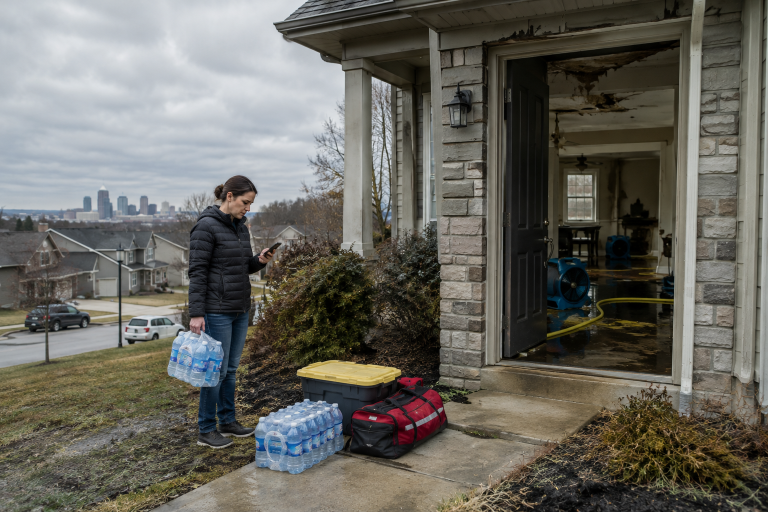
In Kansas City, Missouri, a burst pipe during a winter freeze, a roof leak after a strong storm, or smoke damage from a kitchen fire can turn an ordinary day into a stressful emergency. The first 24 hours are not about making every decision at once. They are about protecting your household, preventing additional damage when safe, and creating a clear record of what happened.
Homeowners who need a local point of reference can review https://frontierrestorationkc.com/ while focusing first on safety and documentation. Whether damage affects a Brookside bungalow, a Northland basement, or a home near the Missouri River, a calm, organized response can make the next steps more manageable.
Why the First 24 Hours Matter
Water can move behind baseboards, under flooring, and into wall cavities. Smoke residue may settle across rooms beyond the visible burn area, while fire suppression efforts can introduce additional moisture. Prompt action helps limit the spread of damage. The EPA advises drying water-damaged areas and belongings within 24 to 48 hours when possible to help prevent mold growth, so homeowners should follow guidance on controlling moisture and drying damp materials after a safe clean-water loss.
Step One: Make the Property Safe
Do not enter or remain in a home with active fire, smoke, a gas odor, standing water near electricity, or signs of structural instability. Call emergency services when needed, and wait for fire officials or other qualified authorities to say a fire-damaged area is safe to enter.
- Keep children, pets, and anyone with respiratory concerns away from affected spaces.
- Do not touch outlets, appliances, cords, or electrical panels exposed to water.
- Wear sturdy closed-toe shoes and gloves for limited entry into an otherwise safe area.
- Avoid damaged ceilings, sagging drywall, loose flooring, and unstable walls.
Step Two: Stop the Source if It Is Safe
If a plumbing line has failed and the main water shutoff is easily accessible without entering a hazardous area, turn it off. Move small belongings away from clean water only when doing so does not create a slipping, lifting, or electrical risk. If rain is entering through a broken window or roof opening, protect the opening only from a safe location.
Do not walk through floodwater, sewage backups, or water that may contain chemicals or electrical current. Do not pull apart fire-damaged building materials to look for hidden damage. Those situations require a more controlled assessment.
Step Three: Document Before Cleanup
Take photos and videos of items before moving them whenever conditions allow. Documentation provides a useful timeline for insurance communications and helps you remember details after a difficult day.
- Photograph each affected room from several angles.
- Capture close-ups of walls, ceilings, floors, furniture, appliances, and personal items.
- Write down when the damage was discovered, the suspected cause, and actions already taken.
- Make a basic inventory of damaged belongings.
- Save receipts for emergency supplies, temporary lodging, storage, and other related expenses.
Do not throw away damaged items before photographing them unless they present an immediate health or safety issue. Your insurer may need information about the item, its condition, or its value.
What to Do After Water Damage
Separate clean water from contaminated water
A supply-line leak or overflowing sink may involve relatively clean water, but toilet overflows, sewage backups, outdoor floodwater, and water mixed with chemicals should be treated as contaminated. Avoid do-it-yourself cleanup of contaminated water, especially when it has reached porous materials such as carpet, insulation, drywall, or upholstered furniture.
Begin safe drying for a clean-water loss.
- Remove standing water only if the area is safe and electrical hazards have been ruled out.
- Move wet fabrics and small movable items away from dry belongings.
- Use fans or dehumidifiers only when power and equipment are safe to use.
- Check closets, cabinets, nearby rooms, and flooring for moisture that may have traveled.
A surface that feels dry may still hide moisture beneath flooring or inside a wall. If water has entered ceilings, insulation, wall cavities, or subfloors, moisture assessment may be necessary.
What to Do After Fire or Smoke Damage
Fire damage can include burned materials, soot, smoke odor, water from firefighting, and weakened building components. Do not re-enter until authorized officials permit it. Avoid touching soot-covered surfaces with bare hands, and do not use household cleaning products on heavy soot without knowing whether they are appropriate for the material.
Keep food, medicine, cosmetics, and pet supplies away from use if they were exposed to smoke or firefighting chemicals. The U.S. Fire Administration provides first-day recovery information after a home fire, including practical considerations for insurance, property records, and returning to normal routines.
What to Do if Mold Is Visible
Visible mold points to a moisture problem that must be corrected. Do not paint, caulk, or cover moldy material, because the underlying moisture remains. Keep people with asthma, allergies, or other health concerns away from the affected area when possible.
- Repair the leak, condensation issue, or other moisture source.
- Avoid disturbing a large, moldy area, as it can spread spores and debris.
- Use caution around HVAC equipment or returns near the affected area.
- Seek experienced help for extensive growth, contaminated water damage, or suspected HVAC contamination.
When to Call a Professional
Professional assistance is often the safer choice when water has entered hidden building materials, the loss involves sewage or floodwater, smoke or soot has spread beyond one small area, or the structure may be compromised. Request a written scope of work that explains what will be inspected, dried, cleaned, removed, and repaired.
Prepare for the Insurance Conversation
Report the loss promptly and ask for a claim number and adjuster contact information. Coverage depends on the policy and cause of loss, so avoid assuming that a particular expense will be covered. Keep a dated log of phone calls, inspections, estimates, and completed work. Before signing an agreement, make sure you understand the work, the price, who will perform the repairs, and what records will be provided.
A Simple 24-Hour Checklist
- Protect people and pets, and leave unsafe areas.
- Stop the water or utility source only if it is safe.
- Call emergency services when fire, gas, electrical, or structural hazards exist.
- Photograph the damage and write down key details.
- Contact your insurer and retain every receipt.
- Begin safe drying only for clean-water damage.
- Ask clear questions before cleanup or repair work begins.
Conclusion
The first day after property damage in Kansas City should center on safety, documentation, and preventing avoidable additional loss. Do not rush into cleanup when conditions involve contaminated water, major smoke residue, unstable materials, or extensive mold. A careful response now can help protect your home, your household, and your ability to make informed decisions in the days ahead.