

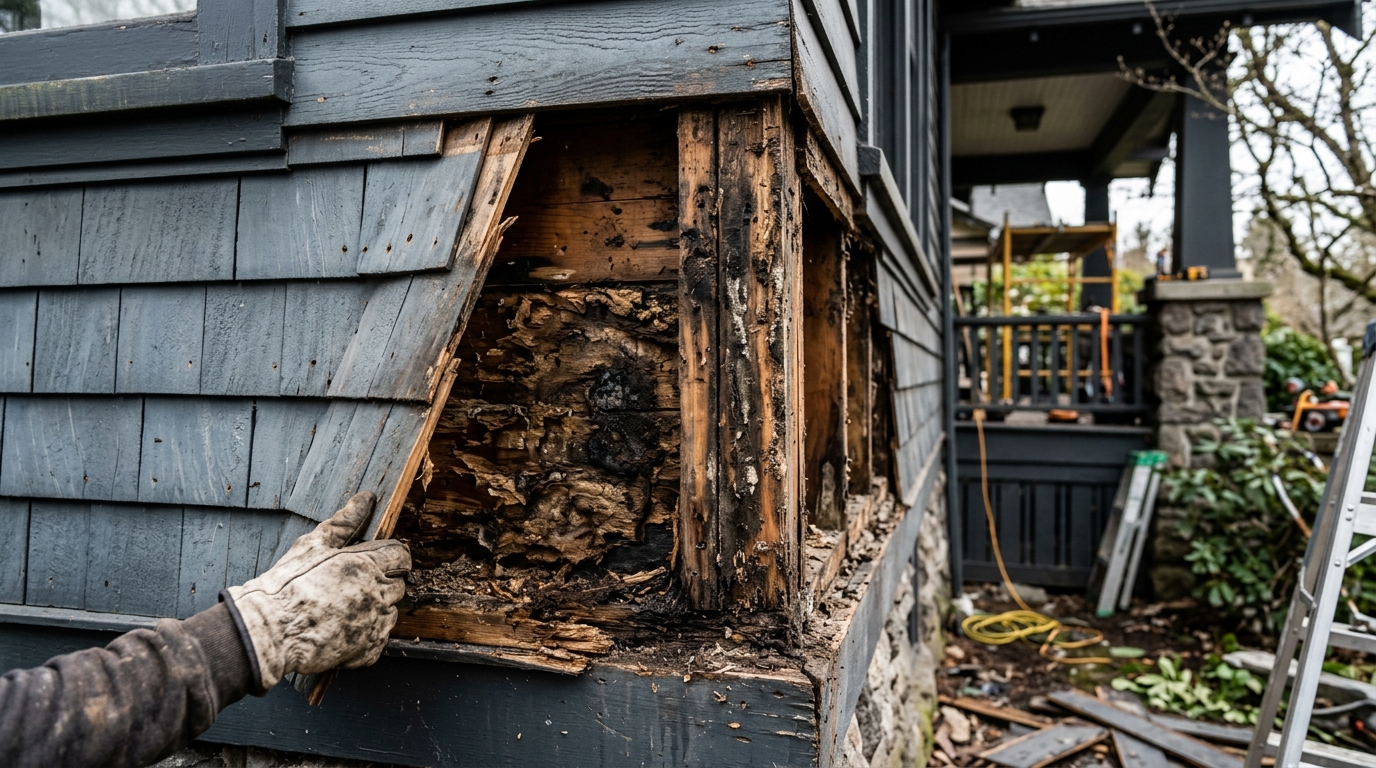
Every home eventually needs repairs. Loose cabinet hardware, damaged shelves, leaking taps, faulty switches, worn fixtures, and small maintenance problems can all appear over time. Some of these tasks are simple enough for a capable homeowner to handle, while others require qualified professional help because they involve electricity, plumbing, structural work, or other safety-sensitive systems.
The most practical approach is to know the difference. A well-prepared homeowner should understand basic tools, maintain a small repair kit, recognize the limits of DIY work, and know when delaying a professional repair could create a larger and more expensive problem.
- Start With a Basic Home Tool Kit
- Choose Tools According to the Task
- Understand When a Cordless Drill Is Useful
- Use the Correct Drill Bit
- Mark and Measure Before Drilling
- Know What Is Behind the Wall
- Choose Suitable Fixings
- Do Not Over-Tighten Fasteners
- Inspect Tools Before Use
- Keep Batteries and Chargers in Good Condition
- Understand the Limits of Electrical DIY
- Recognize Signs of Electrical Problems
- Research Electrical Products Carefully
- Use Extension Leads Correctly
- Keep Electricity Away From Water
- Address Small Plumbing Problems Early
- Know Where the Main Water Shutoff Is
- Do Not Ignore Water Stains
- Watch for Changes in Water Pressure
- Recognize When a Plumber Is Needed
- Avoid Random Chemical Drain Treatments
- Check Flexible Hoses Periodically
- Maintain Sealant Around Wet Areas
- Take Moisture Problems Seriously
- Keep a Small Supply of Repair Materials
- Organize Hardware Clearly
- Take Photos Before Disassembly
- Keep Manuals and Model Numbers
- Use Safety Equipment
- Use Ladders Properly
- Know When to Stop
- Do Not Let Pride Turn a Small Repair Into a Large One
- Prioritize Repairs by Risk
- Keep a Home Maintenance List
- Schedule Periodic Inspections
- Protect Finished Surfaces During Repairs
- Clean Up Immediately After the Job
- Build DIY Skills Gradually
- Use Professional Help Strategically
- Create a Home That Is Easier to Maintain
Start With a Basic Home Tool Kit
A surprisingly large number of minor household tasks can be handled with a small collection of useful tools. Screwdrivers, pliers, a tape measure, hammer, level, adjustable wrench, utility knife, and suitable drill can cover many basic maintenance jobs.
The goal is not to own every tool available. It is to keep a reliable set of equipment for the repairs that occur most often around the home.
Choose Tools According to the Task
Using the wrong tool can make a simple job more difficult and may damage the material or fastener being worked on.
Before beginning, identify what the task requires and check whether the tool is appropriate for the material, size, and type of fixing involved.
Understand When a Cordless Drill Is Useful
A cordless drill can be one of the most versatile tools in a household. It may be used for assembling furniture, installing shelves, driving screws, drilling suitable materials, and completing many other common improvement tasks.
Homeowners researching drill types and specifications may encounter specialist resources such as Cordless Drill Hub. When choosing a drill, consider battery system, torque, chuck size, weight, available accessories, and the type of work it will actually perform rather than buying purely according to maximum advertised power.
Use the Correct Drill Bit
Different materials require different types of drill bits. Wood, metal, masonry, tile, and other surfaces should not automatically be drilled with the same bit.
Using the correct bit can improve accuracy and reduce the risk of damaging the tool, fixing, or surrounding material.
Mark and Measure Before Drilling
Small measuring errors can become very visible once a shelf, bracket, or fixture is installed.
Measure carefully, use a level where appropriate, and mark drilling points before making permanent holes.
Know What Is Behind the Wall
Walls may contain electrical wiring, plumbing pipes, structural members, and other hidden systems.
Do not drill blindly into an unfamiliar wall. Use appropriate detection methods and seek professional help when there is uncertainty about what lies behind the surface.
Choose Suitable Fixings
A screw alone is not always enough to support an object. The correct fixing depends on the wall material, object weight, load direction, and installation method.
Heavy shelves, cabinets, televisions, and other significant loads may require more substantial anchoring or professional installation.
Do Not Over-Tighten Fasteners
More force does not always produce a stronger result. Over-tightening screws can strip threads, damage wood, crack materials, or make future removal difficult.
Use enough force to secure the fixing properly without unnecessarily stressing the material.
Inspect Tools Before Use
Damaged cords, cracked handles, worn batteries, loose components, and blunt cutting tools can make repair work less safe and less effective.
A quick inspection before use can prevent problems and reduce the chance of tool failure during a project.
Keep Batteries and Chargers in Good Condition
Cordless tools depend heavily on battery condition. Follow manufacturer recommendations for charging, storage, and temperature exposure.
Do not use damaged batteries, and avoid improvising with incompatible chargers or battery systems.
Understand the Limits of Electrical DIY
Electrical work can carry serious risks, including electric shock, fire, and damage to household wiring.
Simple tasks such as replacing a light bulb are very different from modifying circuits, installing new outlets, or opening electrical panels. More complex work may require a licensed electrician depending on local regulations.
Recognize Signs of Electrical Problems
Repeatedly tripping breakers, burning smells, damaged outlets, flickering lights, warm switches, or unusual buzzing can indicate a problem that deserves attention.
Do not continue using equipment that appears damaged or unsafe until the issue has been properly assessed.
Research Electrical Products Carefully
Homeowners often compare switches, lighting products, extension equipment, chargers, tools, and other electrical items online before purchasing.
During broader research, they may encounter resources such as Electric Mela. Product information can help explain options, but electrical components should be selected according to correct ratings, compatibility, applicable standards, and installation requirements rather than appearance or price alone.
Use Extension Leads Correctly
Extension leads should not be treated as permanent substitutes for adequate electrical outlets. Overloading them or using products not suited to the equipment can create hazards.
Check ratings, inspect for damage, and follow manufacturer instructions regarding intended use.
Keep Electricity Away From Water
Kitchens, bathrooms, garages, and outdoor areas can combine electricity with moisture, increasing the importance of proper equipment and installation.
Electrical work in these locations may involve additional requirements, so professional advice is particularly important when changes are being made.
Address Small Plumbing Problems Early
A slow drip or small leak can appear minor but may eventually waste water, damage cabinets, stain surfaces, or contribute to moisture problems.
Investigating leaks early is usually easier than repairing extensive water damage later.
Know Where the Main Water Shutoff Is
Every homeowner should know how to stop the property’s water supply in an emergency.
If a pipe bursts or a fixture fails significantly, shutting off the water quickly can reduce the amount of damage while professional assistance is arranged.
Do Not Ignore Water Stains
Staining on ceilings, walls, or cabinets may indicate a leak even when no active dripping is visible.
Covering the stain with paint without finding the source can hide a continuing problem rather than solve it.
Watch for Changes in Water Pressure
A sudden or persistent change in pressure may have several possible causes, including fixture issues, supply problems, leaks, or other plumbing concerns.
If the cause is not obvious, professional assessment can help avoid unnecessary trial-and-error repairs.
Recognize When a Plumber Is Needed
Some plumbing tasks become urgent quickly. Burst pipes, significant leaks, overflowing fixtures, sewer backups, or loss of essential water service may require immediate professional attention.
Homeowners searching for urgent plumbing information may encounter services such as Emergency Plumber AU. When dealing with an actual emergency, prioritize qualified local professionals, clear pricing information where available, and immediate steps that reduce damage without creating additional risk.
Avoid Random Chemical Drain Treatments
Repeatedly pouring strong chemicals into a blocked drain may damage some plumbing systems or create hazards for anyone later working on the pipe.
The appropriate response depends on the cause and location of the blockage. Persistent or recurring blockages deserve proper investigation.
Check Flexible Hoses Periodically
Washing machines, dishwashers, refrigerators, toilets, and other fixtures may depend on flexible water connections.
Inspect visible hoses and connections periodically for cracking, corrosion, bulging, or leakage, and replace deteriorated components appropriately.
Maintain Sealant Around Wet Areas
Damaged sealant around baths, showers, sinks, or other wet areas can allow water to enter spaces where it should not.
Repairing deteriorated sealant at the right time can help protect nearby finishes and materials.
Take Moisture Problems Seriously
Persistent dampness can damage walls, flooring, cabinets, and other materials.
Rather than repeatedly cleaning the visible result, identify whether the source involves a leak, ventilation issue, exterior water entry, or another underlying problem.
Keep a Small Supply of Repair Materials
Basic screws, wall plugs, batteries, tape, replacement washers, and other commonly used items can make minor repairs easier.
Avoid storing excessive quantities of specialized materials that may deteriorate before they are ever needed.
Organize Hardware Clearly
Small screws, brackets, anchors, and spare parts become difficult to use when everything is mixed into one container.
Labelled organizers can save time and reduce the temptation to use the wrong fixing simply because it is the first one available.
Take Photos Before Disassembly
Before removing hardware, cabinet doors, wiring covers, furniture components, or other multi-part items, photographs can provide a useful reference for reassembly.
This is especially helpful when several similar parts need to return to specific locations.
Keep Manuals and Model Numbers
Appliances, tools, fixtures, and equipment are easier to maintain when model information remains available.
Store manuals digitally or physically so replacement parts and manufacturer instructions can be located later.
Use Safety Equipment
Eye protection, gloves, hearing protection, dust masks, or other protective equipment may be appropriate depending on the task.
Do not assume that a small home project is automatically risk-free.
Use Ladders Properly
Falls are a common household risk. Use a stable ladder appropriate to the height and task rather than standing on chairs, tables, or improvised platforms.
Follow ladder safety instructions and avoid overreaching.
Know When to Stop
A DIY project can become more complicated after a wall is opened, a fitting is removed, or unexpected damage is discovered.
If the task moves beyond your skills, tools, or understanding, stopping and bringing in a professional may be cheaper than continuing incorrectly.
Do Not Let Pride Turn a Small Repair Into a Large One
There is no advantage in completing a project personally if the result is unsafe, unreliable, or likely to require professional correction later.
Good home maintenance includes knowing which jobs are appropriate to delegate.
Prioritize Repairs by Risk
A loose cupboard handle and a leaking pipe are not equally urgent.
Address problems involving water, electricity, structural stability, security, or safety before purely cosmetic issues.
Keep a Home Maintenance List
Small issues can easily be forgotten until they become larger problems.
Maintain a simple list of repairs and divide it into urgent, soon, and optional tasks so household maintenance remains manageable.
Schedule Periodic Inspections
Walking around the property every few months can reveal loose hardware, minor leaks, damaged sealants, deteriorating exterior finishes, or other issues early.
Preventive maintenance is often less disruptive than emergency repair.
Protect Finished Surfaces During Repairs
Tools, ladders, dust, and removed components can damage flooring, countertops, and furniture.
Cover vulnerable areas before beginning work and keep the repair zone organized.
Clean Up Immediately After the Job
Loose screws, drill bits, sharp offcuts, and tools left around the house can create hazards.
Return equipment to storage and dispose of waste appropriately once the repair is complete.
Build DIY Skills Gradually
Homeowners do not need to become experts in every trade. Beginning with simple, low-risk projects provides an opportunity to learn measurement, drilling, fixing, painting, and maintenance skills gradually.
Experience should increase alongside project difficulty rather than jumping immediately into complex work.
Use Professional Help Strategically
Hiring a professional does not mean a homeowner cannot participate in the project. Homeowners can still prepare the area, understand the problem, compare options, and maintain the completed work afterward.
The professional simply handles the part that requires specific expertise, licensing, equipment, or safety knowledge.
Create a Home That Is Easier to Maintain
Good home repair is not about doing every job yourself. It is about responding to problems early, using the right tools, protecting the property, and making sensible decisions about when professional help is needed.
By keeping a practical tool kit, learning basic repair skills, monitoring electrical and plumbing systems, and avoiding risky improvisation, homeowners can handle everyday maintenance more confidently. Small repairs completed correctly can prevent larger problems, while knowing when to call a qualified professional can protect both the home and the people living in it.