

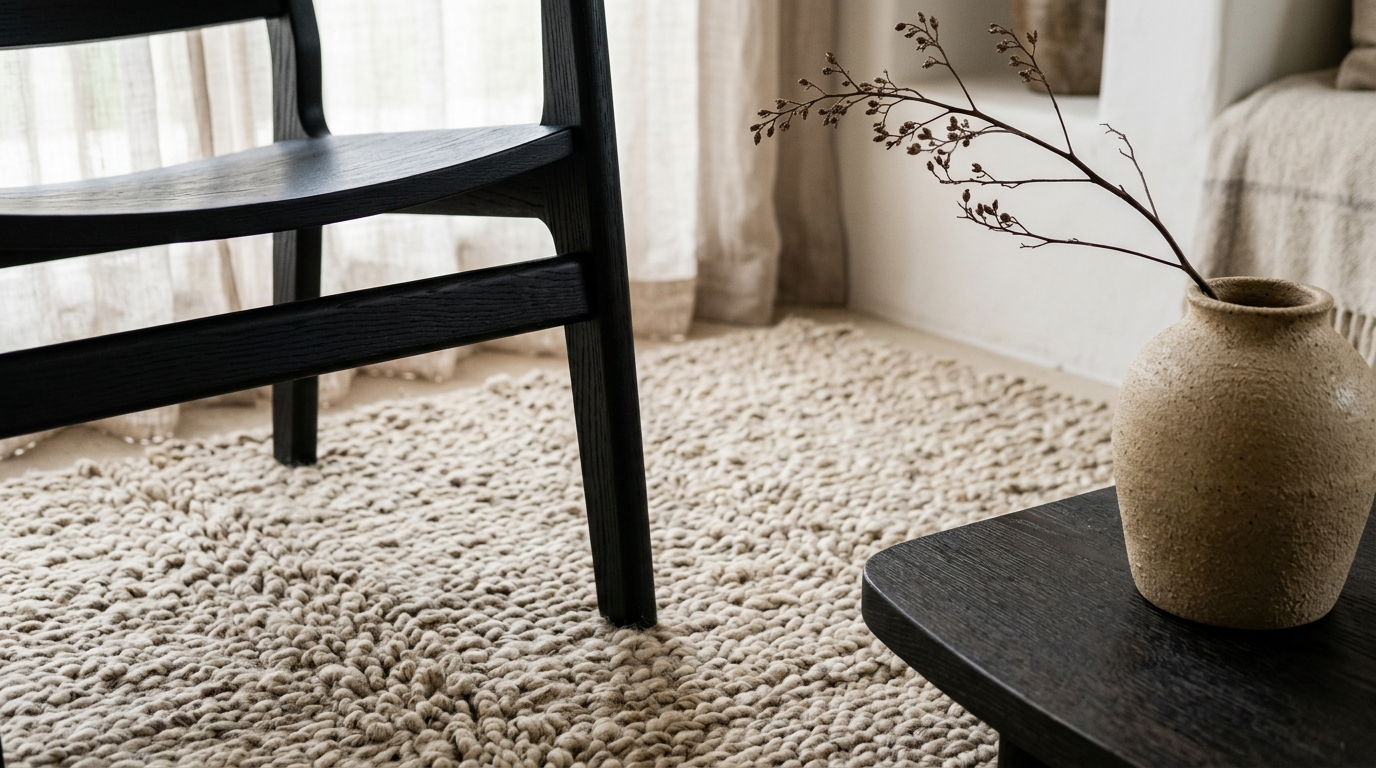
Improving the look and feel of a home does not always require major construction or an expensive renovation. Many interiors can be transformed through better layouts, updated colors, improved lighting, thoughtful storage, and carefully selected decorative details.
The most effective refreshes usually begin with understanding what already works in the space. Instead of replacing everything, homeowners can identify the areas that feel outdated, uncomfortable, cluttered, or visually disconnected and make targeted improvements that create a noticeable difference.
- Start by Looking at the Room as a Whole
- Define What You Want to Change
- Use Interior Inspiration Carefully
- Rearrange Furniture Before Replacing It
- Create a Clear Focal Point
- Refresh the Walls
- Consider an Accent Wall
- Update Artwork and Wall Displays
- Use Decorating as a Social Project
- Change Soft Furnishings
- Use Rugs to Organize the Space
- Improve Lighting
- Make Better Use of Natural Light
- Declutter Before Adding More Decor
- Improve Storage
- Use Vertical Space
- Mix Old and New Elements
- Think About Professional Design Principles
- Choose Furniture According to Scale
- Do Not Fill Every Empty Corner
- Refresh Hardware
- Update Small Fixtures
- Add Texture
- Introduce Plants Where Practical
- Personalize the Room
- Refresh One Room at a Time
- Set a Budget Before Shopping
- Spend More on Long-Term Pieces
- Use Trends Selectively
- Review the Room After Living With It
- Create a Home That Evolves Gradually
Start by Looking at the Room as a Whole
Before buying new furniture or accessories, step back and evaluate the entire room. Consider layout, lighting, storage, color, and the amount of visual clutter.
Sometimes the biggest improvement comes from rearranging existing pieces rather than purchasing something new.
Define What You Want to Change
A room may feel unsatisfying for several different reasons. It might be too dark, overcrowded, lacking storage, visually inconsistent, or simply no longer suited to the household’s needs.
Identifying the actual problem makes it easier to choose improvements that provide meaningful results.
Use Interior Inspiration Carefully
Online home-decor resources can help homeowners discover color combinations, furniture arrangements, decorative styles, and ways to make better use of existing space.
During broader interior research, readers may encounter resources such as NG Home Decor. Inspiration can be useful for developing ideas, but the final design should reflect the actual size, lighting, architecture, budget, and everyday needs of the home.
Rearrange Furniture Before Replacing It
A poor layout can make good furniture feel wrong. Try adjusting seating positions, opening pathways, or changing the relationship between large pieces before deciding that new furniture is necessary.
Even small layout changes can improve conversation areas, natural light, and the way people move through the room.
Create a Clear Focal Point
Rooms often feel more organized when one visual element naturally attracts attention. A fireplace, artwork, window, feature wall, or carefully arranged piece of furniture can become the focal point.
Other decorative elements can then support that feature instead of competing with it.
Refresh the Walls
Paint is one of the most noticeable ways to update a room without changing its structure. A new wall color can make existing furniture and flooring feel completely different.
Before painting the entire room, test samples under both natural and artificial light because colors can change significantly throughout the day.
Consider an Accent Wall
If repainting every wall feels unnecessary, one accent wall may provide enough visual change.
The best wall is usually one that already has architectural or visual importance rather than a randomly selected surface.
Update Artwork and Wall Displays
Artwork can influence the character of a room without requiring structural changes. Existing pieces can sometimes feel new simply by changing frames, positions, or groupings.
When creating a gallery wall, plan the arrangement before making permanent holes so spacing remains balanced.
Use Decorating as a Social Project
Home improvement does not always need to be a solitary activity. Decorating a room with family or friends can generate new ideas and make smaller projects more enjoyable.
Readers exploring creative decorating themes may encounter resources such as Decorating Party. Whether decorating alone or with others, it helps to establish a clear plan first so enthusiasm does not lead to unnecessary purchases or conflicting styles.
Change Soft Furnishings
Cushions, throws, curtains, bedding, and rugs can change the appearance of a room relatively quickly.
These items are especially useful for introducing new colors or textures because they can usually be changed more easily than large furniture or permanent finishes.
Use Rugs to Organize the Space
A well-sized rug can help connect furniture visually and define areas within an open room.
Choose the size according to the furniture arrangement rather than simply covering an empty section of flooring.
Improve Lighting
Lighting can dramatically change how colors, furniture, and decorative objects appear. A room relying on one ceiling fixture may feel flat even when the furniture is attractive.
Consider combining general lighting with table lamps, floor lamps, task lighting, or accent lighting where appropriate.
Make Better Use of Natural Light
Avoid blocking windows unnecessarily with tall furniture or heavy arrangements. Natural light can make a room feel more open and comfortable.
Mirrors can also help reflect available light when positioned thoughtfully.
Declutter Before Adding More Decor
Buying decorative objects rarely solves a room that already feels visually crowded.
Remove unnecessary items first and decide which possessions actually deserve display space. A simpler room can make existing decorative pieces appear more intentional.
Improve Storage
Storage is one of the most practical forms of home improvement. Cabinets, shelves, baskets, hooks, and multifunctional furniture can help keep everyday items organized.
When objects have clear storage locations, maintaining the finished room becomes much easier.
Use Vertical Space
Smaller homes can benefit from storage and display solutions that make better use of walls.
Tall shelving, wall-mounted storage, hooks, and carefully planned cabinets can increase functionality without occupying additional floor area.
Mix Old and New Elements
A refreshed interior does not need every item to be new. Existing furniture, inherited pieces, vintage finds, and newer objects can work together when there is some connection through color, material, or scale.
This approach can also make the home feel more personal than an interior purchased entirely at once.
Think About Professional Design Principles
Larger interior changes may benefit from a more structured design approach. Proportion, circulation, lighting, materials, and the relationship between rooms can all affect how a finished space feels.
Homeowners researching professional design perspectives may encounter firms such as Delta Design Ltd. Professional design input can be particularly useful when a project involves significant layout changes, custom elements, or several interconnected rooms.
Choose Furniture According to Scale
Furniture that is too large can make a room difficult to navigate, while pieces that are too small may appear disconnected from the space.
Measure carefully and consider how each item relates to the room and surrounding furniture before purchasing.
Do Not Fill Every Empty Corner
Negative space is an important part of interior design. A room does not need furniture or decoration covering every available area.
Leaving some open space can make important pieces stand out and create a calmer overall appearance.
Refresh Hardware
Cabinet handles, drawer pulls, door hardware, and similar details can influence the appearance of kitchens, bathrooms, and furniture.
Replacing suitable hardware can provide a relatively small update that makes existing cabinetry feel more current.
Update Small Fixtures
Light fixtures, mirrors, taps, shelves, and other smaller elements can sometimes change the character of a room without requiring major construction.
Any electrical or plumbing work should be handled appropriately and professionally where required.
Add Texture
Texture can add depth even when the room uses a simple color palette. Wood, fabrics, woven materials, ceramics, glass, and metal can all provide visual variety.
Combining too many competing textures, however, may make a room feel busy, so balance remains important.
Introduce Plants Where Practical
Plants can add natural shapes and visual interest to an interior. Choose varieties according to available light and the amount of maintenance the household can provide.
A plant placed in unsuitable conditions will not remain an attractive decorative feature for long.
Personalize the Room
Photographs, books, artwork, travel items, and meaningful objects help a home reflect the people who live there.
Display these items selectively so they contribute to the design instead of becoming visual clutter.
Refresh One Room at a Time
Trying to update an entire home simultaneously can become expensive and overwhelming.
Completing one room before moving to the next provides an opportunity to learn what works and can help keep spending under control.
Set a Budget Before Shopping
Decorating purchases can accumulate quickly because individual items often appear inexpensive.
Decide how much can reasonably be spent and prioritize changes that will have the greatest effect on the room.
Spend More on Long-Term Pieces
Large furniture and frequently used items generally deserve more careful consideration than temporary accessories.
Comfort, durability, dimensions, and construction quality can be more important than following a short-lived trend.
Use Trends Selectively
Interior trends can provide fresh ideas, but building an entire room around one highly specific trend can make it feel dated more quickly.
Using trends through accessories, artwork, or smaller pieces makes future changes easier and less expensive.
Review the Room After Living With It
Do not assume every decorating decision must be finalized immediately. Living with a refreshed space for several weeks can reveal whether additional changes are actually necessary.
This can prevent buying decorative items simply because the room initially feels unfinished.
Create a Home That Evolves Gradually
A comfortable interior does not need to be completed in one shopping trip or renovation project. Homes naturally evolve as needs, tastes, and lifestyles change.
By improving layout, lighting, storage, color, texture, and personal details before considering major construction, homeowners can achieve meaningful changes with less disruption. A successful home refresh is not about replacing everything that already exists. It is about recognizing what works, improving what does not, and creating a space that feels more functional and personal over time.