Home decorating is about more than choosing attractive furniture and following the latest interior trends. A successful room should look appealing while also supporting the way people actually live. Comfortable seating, practical storage, suitable lighting, durable materials, and thoughtful layouts can matter just as much as color palettes and decorative accessories.
The strongest interiors usually develop from a clear plan rather than a collection of unrelated purchases. By understanding the room’s purpose, choosing a consistent direction, improving function first, and adding decorative details gradually, homeowners can create spaces that feel personal without becoming cluttered or impractical.
- Begin With the Function of the Room
- Understand the Space Before Buying Anything
- Create a Clear Design Direction
- Choose a Flexible Color Palette
- Test Paint Before Committing
- Plan Furniture Around Movement
- Give Furniture Enough Breathing Room
- Use a Focal Point
- Balance Style With Practicality
- Invest More Carefully in Large Pieces
- Use Rugs to Define Areas
- Layer the Lighting
- Make Use of Natural Light
- Choose Window Treatments for Function First
- Create Storage Before Adding Decoration
- Use Vertical Space
- Do Not Overdecorate Shelves
- Mix Decorative and Useful Objects
- Think Carefully About Scale
- Learn Design Principles Instead of Following Every Trend
- Use Trends in Smaller Doses
- Bring Texture Into the Room
- Add Plants Where They Suit the Space
- Display Personal Items Selectively
- Coordinate Rooms Without Making Them Identical
- Pay Attention to Entry Spaces
- Do Not Forget Small Rooms
- Decorate in Stages
- Review the Room From a Distance
- Keep Maintenance in Mind
- Create a Home That Reflects Real Life
Begin With the Function of the Room
Before choosing colors or furniture, decide what needs to happen in the space. A living room may need to support conversation, television, reading, entertaining, or several activities at once.
A bedroom should prioritize comfort and rest, while a dining area may need to accommodate everyday meals as well as occasional guests. Function provides the foundation for later decorating decisions.
Understand the Space Before Buying Anything
Measure the room, doors, windows, and important architectural features before purchasing major furniture.
A sofa or table that looks appropriately sized in a showroom can overwhelm a smaller room once it is delivered. Accurate measurements reduce expensive mistakes and make layout planning easier.
Create a Clear Design Direction
Rooms often feel inconsistent when furniture and accessories are purchased individually without an overall direction.
Homeowners exploring decorating ideas may encounter inspiration resources such as All Home Decors. Browsing a variety of interiors can help clarify preferences, but the final design should respond to the home’s architecture, available space, budget, and the people who use it.
Choose a Flexible Color Palette
A simple color palette can make a room easier to decorate over time. Walls and large furniture pieces often work well in colors that can accommodate changing accessories.
More expressive colors can then be introduced through artwork, cushions, rugs, curtains, and smaller decorative objects.
Test Paint Before Committing
Paint colors can look dramatically different depending on natural light, artificial lighting, flooring, and surrounding furniture.
Testing samples in the actual room and viewing them at different times of day can provide a more accurate impression than relying entirely on a small color card.
Plan Furniture Around Movement
A room should be easy to move through. Furniture that blocks natural pathways can make even a large room feel cramped.
Arrange major pieces so doors, windows, and frequently used routes remain practical. The room should support everyday movement rather than requiring people to navigate around decorative choices.
Give Furniture Enough Breathing Room
Pushing every item against a wall is not always the most effective use of space. Depending on room size, bringing seating closer together can create a more comfortable conversation area.
At the same time, avoid filling every empty area simply because space exists.
Use a Focal Point
A focal point gives the eye somewhere to settle and can make a room feel more intentional. It might be a fireplace, artwork, a window, an architectural detail, or a carefully arranged feature wall.
Other elements in the room can then support rather than compete with that focal point.
Balance Style With Practicality
An interior can look impressive in photographs while being frustrating to live with. Delicate surfaces, uncomfortable seating, insufficient storage, or difficult-to-clean materials may create problems over time.
Design inspiration resources such as Casa in Decor can help homeowners explore different aesthetic directions, but each idea should be considered in relation to everyday use, maintenance, pets, children, and the household’s normal routines.
Invest More Carefully in Large Pieces
Large furniture items have a strong influence on both budget and layout. Sofas, beds, dining tables, and storage units are usually more difficult to replace than decorative accessories.
Consider size, durability, comfort, and construction as well as appearance before making these purchases.
Use Rugs to Define Areas
Rugs can visually organize open-plan spaces and help seating arrangements feel more connected.
Choose a size appropriate to the furniture arrangement rather than selecting a rug only according to the empty floor area.
Layer the Lighting
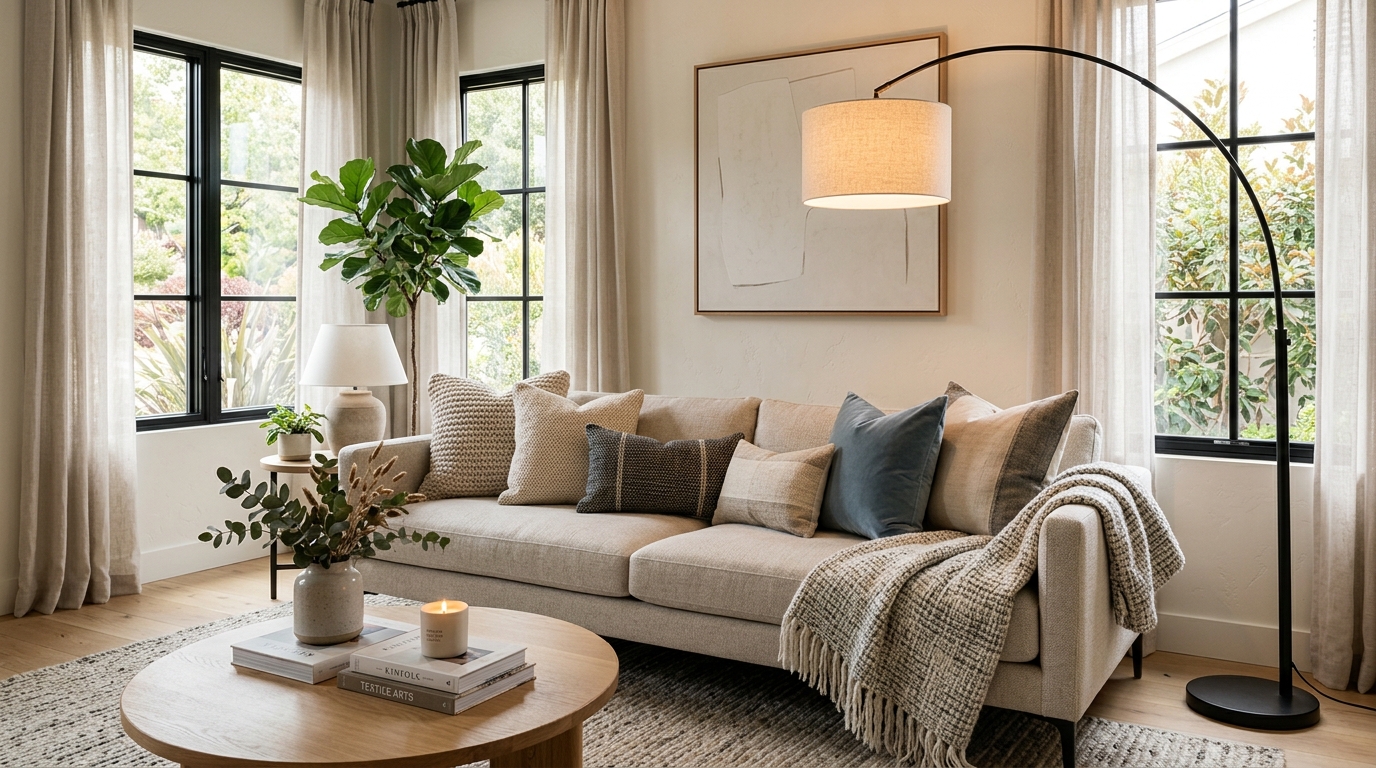
One ceiling light rarely provides ideal illumination for every activity. Rooms can benefit from a combination of general, task, and accent lighting.
Table lamps, floor lamps, under-cabinet lighting, and other sources can make a room more functional while also improving atmosphere.
Make Use of Natural Light
Natural light can make interiors feel larger and more inviting. Avoid unnecessarily blocking windows with oversized furniture or overly heavy treatments when privacy and other practical requirements allow.
Mirrors and lighter surfaces can also help distribute available light through a room.
Choose Window Treatments for Function First
Curtains, blinds, and shades influence privacy, light control, insulation, and appearance.
A bedroom may require stronger light control than a living room, while street-facing windows may need additional privacy. Choose the practical requirement first and then select a style that complements the room.
Create Storage Before Adding Decoration
Decorating a cluttered room is difficult because visual noise competes with every design element.
Before buying more accessories, identify whether the space needs better cabinets, shelving, baskets, drawers, hooks, or other storage solutions.
Use Vertical Space
When floor space is limited, walls can provide valuable storage and display opportunities.
Shelving, tall cabinets, wall-mounted storage, and thoughtfully arranged artwork can make better use of the room without adding more furniture to the floor.
Do Not Overdecorate Shelves
Open shelving can easily become visually crowded when every available space is filled.
Leave some breathing room between books, objects, photographs, and other decorative pieces. A smaller number of well-chosen objects can have more impact than a densely packed display.
Mix Decorative and Useful Objects
Not every attractive item needs to exist only for decoration. Lamps, trays, baskets, books, ceramics, and storage containers can contribute to the room while also serving practical purposes.
This can help maintain a styled appearance without filling the home with unnecessary objects.
Think Carefully About Scale
Scale affects how comfortable a room feels. Tiny furniture can look lost in a large room, while oversized pieces may overwhelm a compact space.
Consider how furniture, artwork, lighting, rugs, and accessories relate to one another rather than evaluating every item individually.
Learn Design Principles Instead of Following Every Trend
Interior trends change frequently, while principles such as proportion, balance, lighting, function, and visual hierarchy remain useful over much longer periods.
Homeowners seeking broader decorating guidance may encounter resources such as Decorator Advice. Design advice can provide useful starting points, but the strongest interiors adapt those principles to the individual property rather than attempting to reproduce another room exactly.
Use Trends in Smaller Doses
Trends can keep a home feeling current, but using them primarily through accessories makes future changes easier.
Cushions, throws, artwork, decorative objects, and smaller furniture can be changed more easily than flooring, cabinetry, or other expensive permanent elements.
Bring Texture Into the Room
A room with a limited color palette can still feel rich when different textures are combined.
Wood, fabric, ceramics, glass, metal, woven materials, rugs, and soft furnishings can add depth without requiring numerous competing colors.
Add Plants Where They Suit the Space
Plants can introduce natural shapes and visual interest, but they should be chosen according to available light and the amount of care the household can realistically provide.
Do not place plants purely according to appearance if the conditions are unsuitable for them.
Display Personal Items Selectively
Photographs, artwork, books, travel objects, and inherited pieces can prevent a home from feeling like an anonymous showroom.
Choose items that genuinely matter rather than displaying everything at once. Rotating collections can also keep rooms feeling fresh without creating clutter.
Coordinate Rooms Without Making Them Identical
A home can feel connected without every room using the same furniture or colors.
Repeating certain materials, tones, shapes, or design ideas can create continuity while allowing each room to have its own character.
Pay Attention to Entry Spaces
Entryways often have limited space but perform several jobs. They may need to manage shoes, coats, bags, keys, and incoming mail while also creating the home’s first visual impression.
Simple storage and a few carefully selected decorative elements can make this area both practical and welcoming.
Do Not Forget Small Rooms
Hallways, bathrooms, utility spaces, and other smaller areas can influence how complete a home feels.
Even simple improvements such as better lighting, fresh paint, useful storage, or one piece of artwork can improve these spaces without requiring a major renovation.
Decorate in Stages
There is no requirement to finish an entire home immediately. Buying everything at once can lead to unnecessary purchases made simply to fill space.
Start with essential furniture and function, live with the room for a while, and add decorative elements after understanding what the space actually needs.
Review the Room From a Distance
When decorating gradually, step back periodically and look at the entire room rather than focusing only on one corner.
Ask whether furniture feels balanced, lighting is adequate, colors work together, and the room still has enough open space.
Keep Maintenance in Mind
Every material and decorative choice eventually needs cleaning or maintenance. Highly textured surfaces, delicate fabrics, and certain finishes may require more care than homeowners expect.
Choose materials according to the amount of maintenance the household is realistically willing to perform.
Create a Home That Reflects Real Life
A well-decorated home does not need to look perfect at every moment. It should support everyday routines while providing surroundings that feel comfortable and visually satisfying.
By planning layouts carefully, choosing durable major pieces, improving storage and lighting, adding color and texture thoughtfully, and introducing decorative details gradually, homeowners can create interiors that remain enjoyable long after a particular trend has passed. Good decorating is not about filling a home with fashionable objects. It is about making every room work better while giving the entire property a character that feels genuinely personal.