

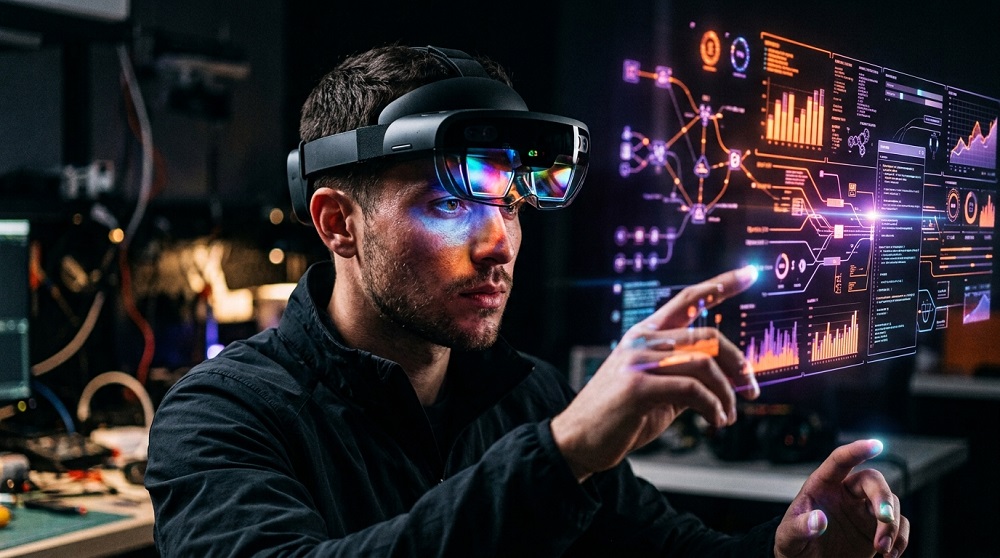
The workplace has changed more in the past several years than in the decades before it. Technology continues to redefine not just where work happens, but how it gets done, who does it, and what skills matter most. Understanding these shifts helps both employees and businesses prepare for what’s next rather than reacting after the fact.
- The Rise of AI-Assisted Work
- AI as a Daily Collaborator
- Automation of Repetitive Tasks
- Flexible and Hybrid Work Models
- Remote Collaboration Tools Keep Evolving
- Asynchronous Work Is Gaining Ground
- The Growing Importance of Digital Skills
- Data Literacy Across Roles
- Cybersecurity Awareness for Everyone
- The Shift Toward Continuous Learning
- Reskilling as an Ongoing Process
- Micro-Credentials and Targeted Training
- Redefining Collaboration and Culture
- Digital-First Onboarding and Communication
- Wellbeing-Focused Technology
- Final Thoughts
The Rise of AI-Assisted Work
AI as a Daily Collaborator
Artificial intelligence tools are increasingly embedded into everyday work tasks — drafting emails, summarizing documents, analyzing data, and even generating first drafts of creative content. Rather than replacing entire roles outright, AI is reshaping how quickly routine tasks get done, freeing up time for higher-value work.
Automation of Repetitive Tasks
Robotic process automation and AI-driven workflows continue to take over repetitive, rules-based tasks across industries, from data entry to basic customer support. This shift is pushing the demand for skills in oversight, strategy, and problem-solving rather than manual execution.
Flexible and Hybrid Work Models
Remote Collaboration Tools Keep Evolving
Video conferencing, shared digital workspaces, and project management platforms have matured significantly, making distributed teams more effective than they were just a few years ago. This has made hybrid and fully remote arrangements a lasting fixture rather than a temporary adjustment.
Asynchronous Work Is Gaining Ground
As teams span multiple time zones, asynchronous communication — recorded updates, shared documents, and async check-ins — is becoming a core skill rather than an occasional workaround. This shift requires clearer documentation and communication habits from everyone involved.
The Growing Importance of Digital Skills
Data Literacy Across Roles
Understanding how to read, interpret, and make decisions based on data is no longer limited to analysts. As more roles involve dashboards and reporting tools, basic data literacy has become a practical requirement across departments.
Cybersecurity Awareness for Everyone
As remote and hybrid work expand the number of devices and networks connecting to company systems, cybersecurity is no longer solely an IT department concern. Employees across all functions increasingly need a baseline understanding of safe digital practices.
The Shift Toward Continuous Learning
Reskilling as an Ongoing Process
As technology evolves, the skills required to stay competitive shift alongside it. Many companies are investing in continuous learning platforms, recognizing that a “one-time” training approach no longer keeps pace with how quickly tools and processes change.
Micro-Credentials and Targeted Training
Rather than lengthy degree programs, shorter, focused certifications are becoming a practical way for employees to build specific skills quickly — particularly in areas like data analysis, AI tools, and project management software.
Redefining Collaboration and Culture
Digital-First Onboarding and Communication
Company culture is increasingly shaped through digital channels rather than solely in-person interaction. This has pushed organizations to be more intentional about building connection and clarity through virtual tools rather than relying on hallway conversations.
Wellbeing-Focused Technology
Tools that track workload, encourage breaks, or flag signs of burnout are becoming more common, reflecting a broader shift toward using technology to support sustainable work habits rather than just productivity metrics alone.
Final Thoughts
The future of work is being shaped less by any single breakthrough technology and more by the cumulative effect of AI, flexible work models, and evolving digital skill demands. Staying adaptable — and treating learning as an ongoing habit rather than a box to check — will matter more than mastering any one specific tool.






1 thought on “Essential Technology Trends Shaping the Future of Work”