

Even well-meaning pet owners can fall into habits that unintentionally harm their pet’s health or behavior. Many of these mistakes come from misinformation, inconsistency, or simply not knowing better — not a lack of love. Recognizing them early can save you a difficult vet visit and give your pet a better quality of life.
- Feeding Mistakes
- Overfeeding and Too Many Treats
- Feeding Human Food Without Research
- Switching Foods Too Quickly
- Health and Veterinary Mistakes
- Skipping Regular Vet Visits
- Neglecting Dental Care
- Skipping Parasite Prevention
- Behavioral Mistakes
- Inconsistent Training
- Punishment-Based Correction
- Not Socializing Early Enough
- Environmental Mistakes
- Leaving Pets Under-Stimulated
- Ignoring Grooming Needs
- Final Thoughts
Feeding Mistakes
Overfeeding and Too Many Treats
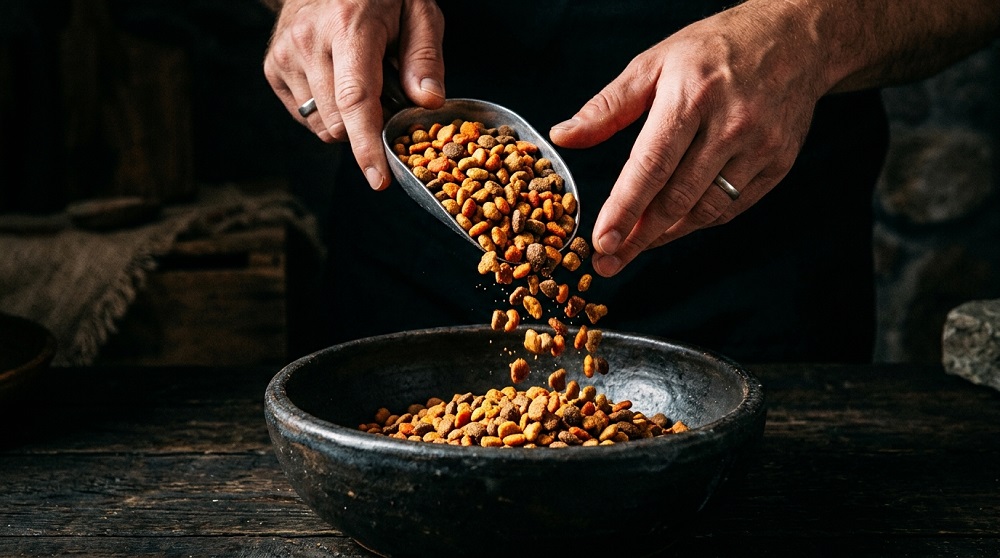
It’s easy to equate food with affection, but excess weight is one of the most common preventable health issues in pets. Extra pounds strain joints, organs, and heart function over time. Stick to portion guidelines from your vet rather than the bag, and treat treats as an occasional reward, not a daily habit.
Feeding Human Food Without Research
Not all “harmless” table scraps are safe. Foods like onions, grapes, chocolate, and xylitol (a common sugar substitute) can be toxic to dogs and cats. Before sharing anything from your plate, it’s worth confirming it’s actually pet-safe rather than assuming.
Switching Foods Too Quickly
Abruptly changing a pet’s diet can cause digestive upset. When transitioning to a new food, mix it gradually with the old one over 7–10 days to give your pet’s system time to adjust.
Health and Veterinary Mistakes
Skipping Regular Vet Visits
Many owners only visit the vet when something seems wrong, but preventive checkups catch issues — dental disease, early organ changes, weight trends — before they become serious or expensive to treat. Annual visits, or twice yearly for senior pets, are worth the investment.
Neglecting Dental Care
Dental disease is extremely common and often overlooked until it causes pain or tooth loss. Regular brushing, dental chews, and professional cleanings when recommended can prevent a host of downstream health problems.
Skipping Parasite Prevention
Flea, tick, and heartworm prevention are sometimes treated as optional, especially in colder climates or indoor-only pets. But parasites can still find their way in, and treating an infestation is far more costly and stressful than preventing one.
Behavioral Mistakes
Inconsistent Training
Mixed signals — allowing a behavior one day and correcting it the next — confuse pets and slow down training progress. Consistency among everyone in the household is key to reinforcing good habits.
Punishment-Based Correction
Yelling, physical correction, or other punishment-based methods often increase fear and anxiety rather than solving the underlying behavior. Positive reinforcement, redirecting unwanted behavior, and rewarding good choices tend to produce more lasting results.
Not Socializing Early Enough
Puppies and kittens have a critical socialization window in their first few months. Missing this window can lead to fearfulness or reactivity toward new people, animals, or environments later in life. Controlled, positive exposure early on makes a lasting difference.
Environmental Mistakes
Leaving Pets Under-Stimulated
A bored pet is often a destructive one. Skipping daily exercise or mental enrichment can lead to problem behaviors that owners mistake for “bad” temperament rather than unmet needs.
Ignoring Grooming Needs
Skipping regular brushing, nail trims, or ear cleaning can lead to matting, overgrown nails that affect gait, or painful infections. Grooming isn’t just cosmetic — it’s a meaningful part of preventive health care.
Final Thoughts
Most pet care mistakes come from good intentions paired with incomplete information. By staying consistent with feeding, prioritizing preventive vet care, using positive training methods, and keeping your pet mentally and physically engaged, you can avoid the most common pitfalls and help your pet live a longer, healthier life.