Introduction
The Deserts Of India are composed of warm sand seas and high and cold plateaus with their respective landscapes, cultures, and practical challenges. This guide has chosen the best five destinations,s and these destinations include the Thar, Great Rann of Kutch, Ladakh (Leh), Spiti and Nubra. This guide also gives the best time to visit each destination, the sample experiences, 3-day itineraries and packing and safety tips, as well as the conservation notes to enable you plan efficiently and responsibly.
Quick snapshot: the Top 5 deserts at a glance
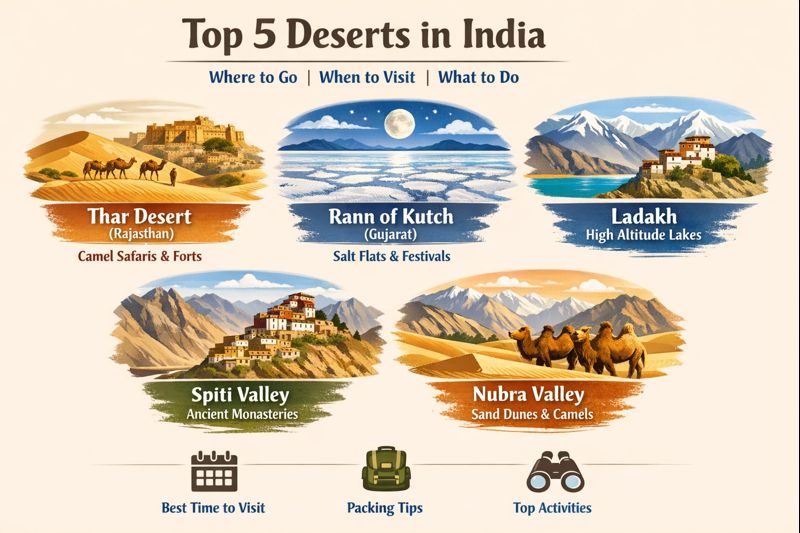
Thar Desert (Rajasthan) – traditional hot dunes, camel safaris, forts, rich folk life. Base towns: Jaisalmer, Jodhpur, Bikaner. Estrange size: about 200,000 km 2 in India and Pakistan (informal figure).
Great Rann of Kutch (Gujarat) -massive seasonal salt lakes that during the winter season transform into a white reflective plain; site of large cultural festivals and handicrafts. Location: Bhuj, Dhordo (tent city in the festival).
Ladakh (Leh region)– a chilled, high desert, spectacular moonscapes, sapphire lakes and Tibetan Buddhist monasteries; Leh is located at an altitude of about 3500 feet, therefore acclimatisation is required.
Spiti Valley (Himachal Pradesh) – a remote high plateau of steep gorges, old gompas (monasteries) and small villages; this place is best in summer during the opening of the passes.
Nubra Valley / Hunder (Ladakh) – an alpine valley of remote dunes, Bactrian camels with two humps and spectacular mountainous sceneries.
The significance of these desert areas: they provide an insight into how life evolves, in relation to the extremes. Human beings, animals and plants live under inadequate water, extreme changes of temperature and poor soils. Tourism promotes the local economies, but it also threatens to destroy nature – this guide will teach how to be a responsible visitor.
Location & geography
Below are quick, plain location notes you can scan quickly.
Thar Desert — the Great Indian Desert
- Where: Northwestern India (mainly Rajasthan), spilling into Pakistan.
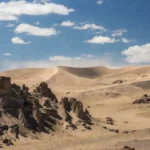
- Look and feel: Rolling sand seas, linear dunes, rocky patches, salty low pans and seasonal steppe.
- Bases: Jaisalmer (gateway for dune safaris), Jodhpur, Bikaner, Barmer.
- Why go: Forts, havelis, camel lines at sunrise, night skies full of stars.
Great Rann of Kutch
- Where: Northern Gujarat near the Pakistan border.
- Look and feel: A seasonal salt marsh that is flooded in the monsoon, then dries to a white salt crust in winter.
- Bases: Bhuj for history and markets; Dhordo hosts large winter tents and the Rann festival.
- Why go: Photogenic salt flats, craft bazaars, and unique full-moon landscapes.
Ladakh
- Where: Trans-Himalayan rain shadow around Leh.
- Altitude: Leh ~3,500 m — altitude is a critical factor.
- Look and feel: Wide moonscapes, braided rivers, high lakes with icy blues.
- Why go: Pangong Tso, Hemis and Thiksey monasteries, mountain drives.
Spiti Valley
- Where: Eastern Himachal Pradesh.
- Look and feel: High plateau cut by deep gorges, olive brown slopes and terraced villages.
- Bases: Kaza, Tabo, Kibber.
- Access: Roads open seasonally — usually reliable June–September.
Nubra Valley / Hunder
- Where: North of Leh across Khardung La (one of the routes; seasonal conditions apply).
- Look and feel: Valley dunes backed by snowy peaks and wide river valleys.
- Why go: Bactrian camel rides, Diskit monastery, valley camps.
Climate & weather patterns
- Hot deserts (Thar, Rann): Very hot summers (Thar can exceed 40°C). Winters are cool and prime for travel. The Rann is best when salt flats are dry and white, usually in winter.
- Cold deserts (Ladakh, Spiti, Nubra): Short warm season (main tourist window June–September). Nights remain cold. High altitude means low oxygen and intense UV radiation. Weather and road status can change quickly.
Landscape features — what to expect and why photographers love them
Thar
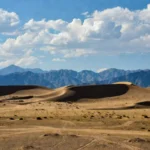
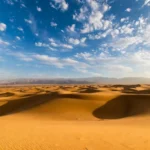
- Signature: Golden dunes, sculpted ridges, old forts with honey-coloured stone.
- Photo targets: Sunrise and sunset on dunes, Camel caravans, ornate havelis and Jaisalmer Fort.
Great Rann of Kutch
- Signature: A vast white stage; mirror-like reflections after light rainfall; stark horizons under a full moon.
- Photo targets: Full-moon scenes, dawn over salt plains, craft stalls in Dhordo.
Ladakh & Spiti
- Signature: Moonscape plateaus, cobalt lakes (Pangong, Tso Moriri), monasteries clinging to cliffs.
- Photo targets: Pangong’s shifting blue bands, monastery architecture, yak caravans and high passes.
Nubra
- Signature: Alpine dunes with snow-capped vistas.
- Photo targets: Dunes with peaks behind, Bactrian camels at golden hour, and local villages.
Flora & fauna — short and clear
- Thar: Thorny shrubs, drought-tolerant grasses, chinkara (Indian gazelle), desert fox, and bustards in conservation zones.
- Rann & Little Rann: Halophytic (salt-loving) shrubs, seasonal migrants including flamingos; the Little Rann is famous for the Indian wild ass.
- Ladakh/Spiti/Nubra: Sparse alpine vegetation; high-altitude mammals like ibex, blue sheep, and elusive snow leopards; lakes attract migratory waterbirds, including bar-headed geese.
Conservation note
Development, overhead power lines, and haphazard off-road driving destroy desert species and delicate habitats. Bustards are susceptible to line collisions; infrastructure rerouting is underway in some areas of western India. Sequential travel, guided by set trails, on licensed camps, and contributions to community conservation initiatives assist in conserving these regions.
Top experiences by desert — what to do
Thar (Jaisalmer & Sam/Khuri)
- Explore Jaisalmer Fort and old havelis.
- Sunrise and sunset on Sam Dunes.
- Camel safari (half-day, full-day or overnight) and stay at an eco-friendly desert camp.
- Village walks and craft encounters with local artisans.
- Attend folk music and dance evenings at camps.
Great Rann of Kutch
- Plan around Rann Utsav (check the festival’s current schedule before booking).
- Experience a full-moon night on the salt plain.
- Shop and learn at craft bazaars; discover local weaving and embroidery.
- Take village craft trails to meet artisan cooperatives.
Ladakh
- Visit Pangong Tso (day trip or overnight).
- Do a monastery circuit: Thiksey, Hemis, Diskit, Shey.
- Drive high passes; take motorbike or jeep road trips with acclimatisation days.
- Short treks and cultural exchanges in villages.
Spiti
- Visit Key Monastery, Tabo (famous for its ancient murals), Kibber and Lhalung.
- Trekking, homestays and village walks for cultural immersion.
- Explore Pin Valley National Park for high-altitude biodiversity.
Nubra / Hunder
- Bactrian camel rides on Hunder dunes.
- Explore Diskit Monastery and its giant Maitreya Buddha statue.
- Stay in valley camps and visit traditional villages.
Best time to visit — quick guide
- Thar (Rajasthan): October–March — pleasant days, cool nights.
- Great Rann of Kutch: November–February (aligns with Rann Utsav; check exact festival dates annually).
- Ladakh & Nubra: June–September — road and pass windows; take rest days to acclimatise in Leh.
- Spiti: June–September — passes open; the safest months for road access and homestays.
How to reach & transport tips
- Thar: Fly to Jaisalmer (limited), or Jodhpur and transfer by road. Trains to Jaisalmer and Jodhpur are convenient. Local transportation: jeeps, SUVs and camel operators for dunes.
- Rann: Fly to Bhuj and drive to Dhordo or nearby villages. Roads from Bhuj are straightforward; winter festival sites have shuttle services.
- Ladakh/Spiti: Flights to Leh are seasonal and weather dependent; many travellers prefer Leh–Manali or Leh–Srinagar road trips when passes are open. For Spiti, Manali–Kaza or Shimla–Kaza are the two main routes; both depend on seasonal pass openings.
- Nubra: Road from Leh via Khardung La (confirm pass status). Some prefer organised tours since local logistics and permits can be required depending on your nationality and route.
Sample short itineraries
3-day Thar & Jaisalmer
- Day 1: Arrive Jaisalmer — settle, explore Jaisalmer Fort, small havelis and market alleys.
- Day 2: Drive to Sam — sunrise dunes, camel safari and half-day jeep trip; sunset at the dunes and cultural camp overnight.
- Day 3: Visit Khuri or Osian in the morning; return to Jaisalmer and depart.
Great Rann
- Day 1: Arrive Bhuj — explore markets and local pottery/weaving centres.
- Day 2: Early transfer to the Rann — sunrise over the salt plain, explore tent city (if festival is on), craft bazaars in Dhordo.
- Day 3: Village craft trail, return to Bhuj.
Leh short loop
- Day 1: Arrive Leh — rest and acclimatise (mandatory rest day).
- Day 2: Day trip to Pangong Tso (long day but memorable) or shorter options like Shey/Thiksey.
- Day 3: Local monastery visits and depart — avoid heavy activity until you’ve acclimatised.
Spiti taster
- Day 1: Long drive to Kaza (prepare for a long travel day).
- Day 2: Visit Key Monastery, Kibber and nearby temples.
- Day 3: Short daytime hikes, homestay cultural experience, begin return.
Quick comparison table
| Desert | Best time | Access / Base | Signature experience | Wildlife highlights |
| Thar (Rajasthan) | Oct–Mar | Jaisalmer / Jodhpur | Camel safaris, dune camps | Chinkara, bustards (conservation zones) |
| Great Rann (Kutch) | Nov–Feb (festivals) | Bhuj / Dhordo | White salt flats, Rann Utsav | Flamingos (seasonal), wild ass nearby |
| Ladakh (cold desert) | Jun–Sep | Leh (flight/road) | Pangong, monastery circuits | Snow leopard (rare), ibex |
| Spiti (cold desert) | Jun–Sep | Kaza | Monasteries, high-altitude treks | Blue sheep, high-altitude birds |
| Nubra / Hunder | Jun–Sep | Diskit / Nubra | Bactrian camels, alpine dunes | Mountain birds, valley fauna |
Survival tips & real challenges
Heat & sun
- Pack: SPF 50+ sunscreen, sunglasses with UVA/UVB protection, a wide-brim hat, long lightweight sleeves to reduce sun exposure, and gaiters for sand protection.
- Tech tip for photos: Salt and sand are abrasive—use protective covers and carry micro-fibre cloths for lenses.
Cold & altitude
- Acclimatise: Spend 24–48 hours in Leh at rest altitude before doing long drives or heavy exertion. Avoid fast climbs on the first day.
- Hydrate: Drink steadily; small, frequent sips; avoid alcohol and heavy meals initially.
- Medical: If you have heart or lung conditions, consult a physician. Consider carrying a pulse oximeter and basic altitude meds (only on a doctor’s advice).
Roads & remote services
- Plan for: Patchy mobile signal, limited ATMs and fuel stations. Carry cash, spare fuel and a basic tool kit.
- Navigation: Physical maps and offline GPS apps are sensible backups.
Animal welfare & safety
- Use reputable operators for camel rides and jeep safaris. Observe animals from a distance and avoid businesses that crowd or mistreat animals.
Respect local customs
- Dress modestly in rural areas, ask before photographing people (and offer to share images), buy crafts from recognised cooperatives and avoid haggling down prices aggressively.
Flora & fauna — extended detail
Birding: Rann wetlands and lakes in Ladakh and Spiti attract migrants. The Rann hosts flamingos, waders and winter migrants. Ladakh lakes are staging grounds for bar-headed geese and other high-altitude waterbirds.
Large mammals: The Little Rann of Kutch protects the Indian wild ass (khur). In Ladakh and Spiti, ibex and blue sheep browse high slopes; snow leopards occur in higher, wilder sectors but are rare and require specialised tours to seek.
Threatened species: The Great Indian Bustard is critically endangered; collisions with overhead power lines and habitat loss are major threats. Conservation efforts focus on routing electricity infrastructure away from flight paths and creating protected pockets.
Environmental issues & conservation
- Powerlines and birds: Overhead distribution lines fragment habitat and create collision risks for large ground birds. Where possible, authorities are testing rerouting or insulating lines.
- Tourism damage: Unregulated off-road driving disturbs root mats that stabilise dunes and salt crusts; camps that don’t manage waste pollute sensitive soils.
- Community projects: Look for eco camps, cooperatives and guides that return a share of income to local communities. These models help sustain traditional crafts and encourage habitat protection.
Responsible travel checklist
- Choose licensed camps and local guides.
- Avoid driving off marked tracks and do not disturb soil crusts.
- Carry litter back or use camp bins; prefer biodegradable products.
- Keep a distance from wildlife and never feed animals.
- Support local crafts and homestays rather than external chains where possible.
Packing checklist
All deserts
- Reusable water bottle, SPF 50+ sunscreen, sunglasses, hat.
- Personal medications, first-aid kit, headlamp, photocopies of ID and permits.
- A small daypack, wet wipes, hand sanitiser, portable battery pack.
Thar / Rann (hot)
- Long, loose, breathable long-sleeve shirts, light trousers, gaiters or scarf for sand, lip balm, electrolyte tablets.
Ladakh / Spiti / Nubra (cold)
- Down jacket, fleece layers, thermals, warm hat and gloves, trekking boots, glacier sunglasses (high UV), medicines for altitude if advised.
Pros & Cons
Pros
- Exceptional photography and visual variety — dunes, salt plains and Himalayan vistas.
- Rich cultural experiences — folk music, textiles, and Tibetan Buddhist heritage.
- Rare and interesting wildlife, such as the wild ass and high-altitude specialists.
Cons
- Extreme temperatures (either very hot or very cold).
- Risk of altitude sickness if you rush into high deserts.
- Limited infrastructure and remote services in many places.
- Environmental sensitivity — irresponsible tourism leaves long-term damage.
Interesting facts
- The Thar is commonly called the “Great Indian Desert”; modern irrigation and settlements have altered its historical landscape in places.
- The Rann of Kutch becomes a giant white stage, especially dramatic under a full moon — it’s a favoured subject for night photography.
- Bactrian camels in Nubra are double-humped and survivors of historic Silk Route caravans.
Final tips before you go
- Check official festival pages and district/forest department sites for park rules and permit needs.
- Book licensed camps and vetted guides; ask about their animal-welfare and waste-management policies.
- Pack for extremes, carry paper copies of permits and IDs, and always carry emergency contacts and a local SIM if possible.
- Give time for acclimatisation in Ladakh; rest and hydration are your best protection.
FAQs
A: The Thar Desert (Great Indian Desert) is the largest desert area in India. It covers a vast semi-arid region in northwestern India and extends into Pakistan, and is the most extensive sandy tract associated with Indian desert tourism and culture.
A: The Rann Utsav usually runs in winter, commonly from late October/November through February–March. Exact dates change each year — check the official festival page before you go.
A: Yes — if you plan for acclimatisation (spend rest days in Leh), carry warm clothes, and avoid sudden exertion on arrival. Talk to a doctor if you have heart or lung problems.
A: The Indian wild ass (khur) is mainly found in the Little Rann of Kutch in Gujarat, protected inside the Wild Ass Sanctuary. Guided wildlife tours and sanctuary programmes increase the chance of sightings while supporting protection.
A: Khardung La is a high mountain pass. Road openings depend on the season and the weather. Always check the current road status locally before attempting the route.
Conclusion
Whether you crave camel dunes and folk culture in the Thar, the surreal white stage of the Rann, or the stark high-altitude beauty of Ladakh, Spiti and Nubra, sensible planning and respectful travel make the difference. Pack for extremes, prioritise Acclimatisation in high deserts, choose licensed local operators, and support community-run camps and conservation projects. Please provide your arrival city, travel dates, and style (budget/midrange/or luxury), and I’ll draft a ready-to-book 3–5 day itinerary.