Introduction
The Negev In Israel is a vast desert region rich in landscapes, history, wildlife, and culture. From dramatic craters and canyons to UNESCO-listed desert cities and Bedouin heritage, it offers a travel experience that is both scenic and meaningful.
Quick Overview of the Negev in Israel
Before going deeper, here is a simple snapshot of what makes the region distinct.
| Topic | What Makes It Special |
| Geography | Southern Israel’s major desert region with plains, ridges, canyons, and crater-like formations |
| Climate | Hot, dry, and sharply seasonal, with large day-night temperature swings |
| Heritage | Ancient trade routes, biblical tells, and UNESCO-listed Nabatean desert cities |
| Wildlife | Desert birds, ibex, reptiles, and plants adapted to harsh conditions |
| Travel Style | Best explored slowly with multiple stops over two or more days |
| Major Base City | Beersheba, the main gateway to the Negev |
| Famous Landscape | Makhtesh Ramon is one of the most distinctive desert formations in the world |
Why the Negev Desert in Israel Matters
The Negev Desert in Israel matters because it is not just scenery. It is a living landscape that records time in stone, water, settlement patterns, and survival strategies. The land itself tells a layered story. The rocks reveal long geological change. The valleys show the power of rare rainfall and runoff. The ruins preserve ancient trade and engineering. The plant life shows how species adapt to stress. The modern towns and villages show that desert life is not over; it is still unfolding.
That combination makes the Negev especially valuable for travelers who want more than a quick stop. It is well-suited to people who enjoy road trips, archaeology, ecology, photography, outdoor walking, cultural travel, and spacious landscapes that reward patience. This is a region that invites deliberate movement. The more time you spend here, the more detail emerges.
If you rush through it, the Negev can appear stark and sparse. If you slow down and observe, it becomes clear that the desert is full of structure, memory, and meaning.
Location and Geography of the Negev in Israel
The Negev occupies the southern part of Israel and forms a major part of the country’s desert south. It sits between the more densely populated central areas and the far southern approaches to Eilat. That position gives it a special character. It is both a frontier zone and a connective corridor.
Geographically, the Negev is not a uniform plain. It changes noticeably from one area to another, and those differences shape the travel experience.
Northern Negev
The northern section is closest to Beersheba and is usually the easiest introduction for first-time visitors. It includes broader desert edges, loess plains, and access points to major historical sites. This is often the most accessible part of the Negev for shorter trips.
Central Negev
The central zone is where the landscape becomes more dramatic and visually memorable. Around Mitzpe Ramon and Makhtesh Ramon, the terrain opens into one of the most striking desert basins in the region. This area is especially popular with photographers, hikers, and anyone interested in geology.
Southern Negev
The southern end of the region becomes more rugged, mineral-rich, and visually intense. Timna Park is one of the best-known destinations here, combining rock formations, archaeology, and dramatic desert color. This part of the Negev often feels more remote and more cinematic.
The point of this division is simple: the Negev is not one landscape. It is many landscapes stitched together into a single desert region.
Climate and Weather Patterns
Understanding the climate is essential before planning a visit. The Negev is dry, intensely sunny, and often demanding in summer. Winter is cooler and may bring some rain, but even then, the region remains unmistakably desert.
What travelers should expect
- Hot daytime temperatures, especially during warmer months
- Cool or even cold nights in some seasons
- Very limited rainfall in many parts of the region
- Strong sun exposure and dry air
- Significant temperature differences between morning, afternoon, and evening
These conditions influence nearly Everything about travel in the Negev. The same place can feel calm and comfortable at sunrise, then intense and unforgiving by midday. Timing matters as much as destination.
Best time to visit
The cooler months are usually the most comfortable period for outdoor exploration. Early morning and late afternoon are generally better than the middle of the day, especially for hikes, long drives, and open-air sightseeing. Desert travel requires patience and planning.
Simple travel rule
In the Negev Desert in Israel, water, sunscreen, shade, a hat, and smart timing are not optional extras. They are fundamental tools for a safe and enjoyable trip.
Landscape Features of the Negev Desert in Israel
One of the strongest reasons to visit the Negev Desert in Israel is the landscape itself. It is surprisingly diverse and visually layered. Some areas feel open and minimal. Others feel jagged, mineral-heavy, or deeply sculpted by ancient water flow.
Dunes and open desert
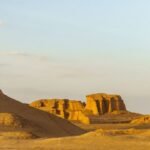
Parts of the northern Negev offer broad sandy stretches and open views that match the classic desert image many people carry in mind. The horizon looks wide and unbroken, and the silence can feel almost physical. These areas are ideal for travelers who want the experience of space itself.
Canyons and valleys
The region also contains wadis and canyon systems shaped over long periods by flowing water. These corridors often support more plant life, more wildlife, and occasional springs. They are among the best places for hiking because the terrain is both scenic and ecologically rich.
Crater-like landforms
The most famous example is Makhtesh Ramon. It is not a meteor crater or a volcanic crater, but an erosion basin formed over a long geological time. Its vast bowl-like shape makes it one of the most unusual natural features in Israel and one of the Negev’s defining icons.
Rocks and minerals
Further south, especially around Timna Park, the geology becomes even more dramatic. Red sandstone, granite, layered cliffs, and mineral formations create a landscape with vivid color and strong texture. These areas feel almost sculptural, as though the desert has been carved by hand.
Makhtesh Ramon: The Signature Landscape of the Negev
If one landscape best symbolizes the Negev, it is Makhtesh Ramon. For many visitors, it becomes the emotional and visual center of the trip.
Why it stands out
Makhtesh Ramon is famous because it is one of the largest makhteshim in the world. A makhtesh is a rare erosion basin found in Israel. It is not a typical crater. Instead, softer rock gradually wears away while harder rock layers remain as enclosing walls. The result is a giant natural basin with extraordinary visual scale.
Why visitors love it
- The panoramic views are immense
- The color of the rock shifts beautifully with changing light
- It is highly photogenic
- It offers excellent hiking and lookout points
- It helps travelers understand desert geology in a clear, memorable way
Travel value
Makhtesh Ramon is not a place to rush. The best experience comes from slowing down, staying overnight in or near Mitzpe Ramon, and allowing time for sunrise, sunset, stargazing, scenic viewpoints, and guided interpretation. It is one of the most important highlights in any Negev itinerary.
Flora: The Plant Life of the Negev in Israel
Many people assume a desert means almost no plant life. The Negev in Israel shows that this is not true. The region is dry, but it supports a surprising number of plants that have adapted to survive harsh conditions.
How desert plants survive
Plants in the Negev use a variety of survival strategies:
- Deep roots that reach hidden moisture
- Water storage in stems or leaves
- Growth near springs, pools, or shaded ravines
- Dormancy during extremely dry periods
- Rapid flowering after rare rainfall
Common plant zones
Streambeds and canyons
These areas often hold more moisture than open ground, so vegetation grows more densely here.
Springs and oases
Where water is available, reeds, shrubs, ferns, and other moisture-dependent plants can appear.
Rocky areas
Some species survive in cracks or tiny pockets of soil where a little water remains for longer periods.
Why flora matters
The plant life of the Negev is more than a decorative feature. It stabilizes soil, supports insects and animals, and shows how fragile desert systems can be. After rainfall, some regions become unexpectedly green, and that transformation can be one of the desert’s most striking experiences.
Fauna: Wildlife of the Negev Desert in Israel
The Negev Desert in Israel supports a meaningful range of wildlife. Some animals are easy to spot in protected areas. Others are nocturnal, elusive, or active in cooler hours.
Animals you may encounter
- Ibex
- Foxes
- Birds of prey
- Lizards
- Snakes
- Turtles in some protected habitats
- Hedgehogs
- Porcupines
- Small desert rodents
Why does wildlife concentrate in specific areas
In a desert, food, water, and shelter are unevenly distributed. That is why canyons, spring zones, and protected reserves are so critical. They create habitat pockets where life can persist in a harsher surrounding environment.
Best places for wildlife interest
- En Avdat
- Hai Ramon
- Protected desert parks
- Spring-fed valleys and canyon systems
A simple wildlife principle
The desert is not a zoo. Animals belong to a sensitive ecological web. Staying on trails and following park rules helps preserve the same landscape that makes wildlife possible.
Human History and Cultures in the Negev in Israel
The human history of the Negev in Israel is as important as its natural story. People have lived in, crossed through, traded across, and adapted to this region for thousands of years. The desert was never empty. It was always part of movement, exchange, resourcefulness, and cultural continuity.
Ancient settlement
Archaeological evidence shows early human presence throughout the Negev. Over time, people learned to use springs, dry river channels, caravan routes, and controlled agriculture to live with the land’s limits.
Biblical heritage
The Negev carries strong biblical associations. One of the most significant sites is Tel Be’er Sheva, which connects the modern urban area with deep historical roots. For many travelers, this adds a layer of meaning to the region.
Nabatean desert culture
The Nabateans were master desert traders. They transformed harsh terrain into functioning trade networks through engineering, route knowledge, and water management. Their presence is one of the reasons the Negev now contains UNESCO-recognized heritage sites.
Bedouin presence
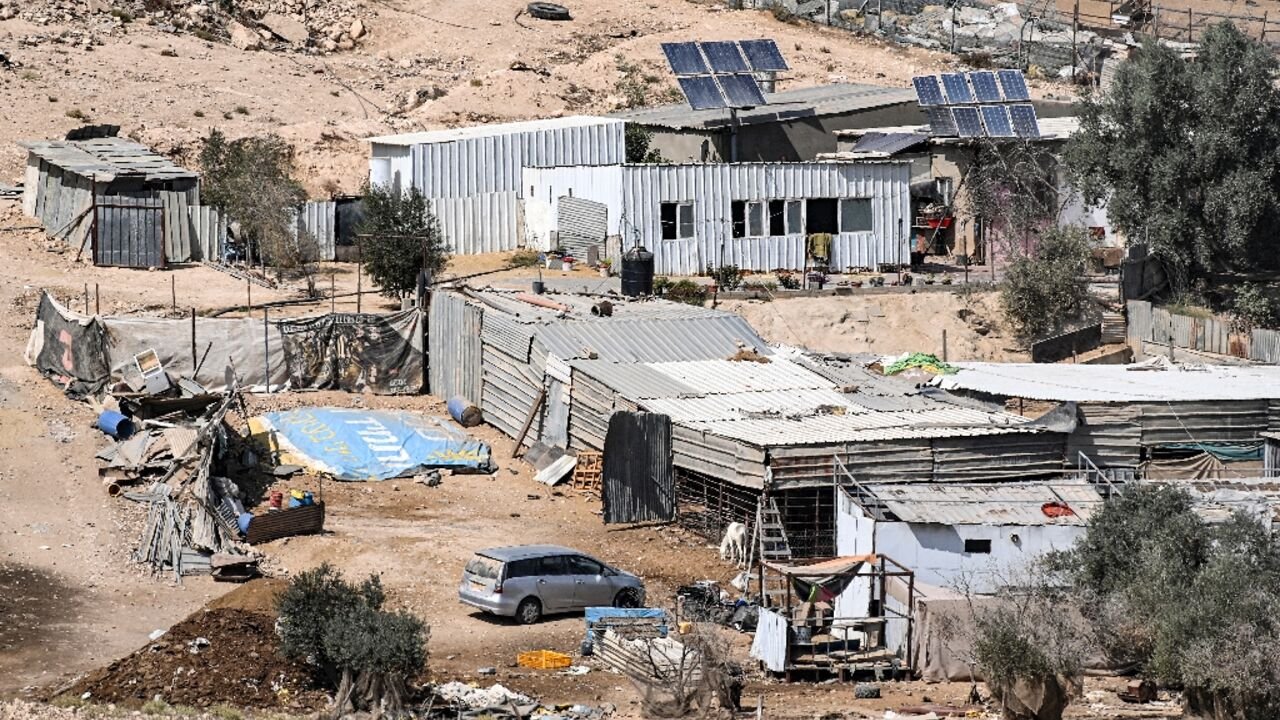
The Bedouin are an essential part of the Negev’s living culture. Their traditions, hospitality, desert knowledge, and historical presence give the region social depth. This is a key reminder that the Negev is not a vacant space. It is inhabited, culturally active, and historically complex.
UNESCO Heritage in the Negev
The UNESCO dimension gives the Negev additional global significance. It is not only beautiful or historically interesting; it also includes a heritage of international importance.
The Incense Route – Desert Cities in the Negev
This UNESCO-listed heritage group includes the Nabatean desert cities of:
- Avdat
- Shivta
- Mamshit
- Haluza
These settlements are linked to the old trade systems that once carried valuable goods across the desert. They also reveal how ancient communities used water management, urban planning, and architecture to survive in arid environments.
Why UNESCO matters here
UNESCO recognition signals that these places matter beyond local tourism. They represent:
- Trade history
- Desert agriculture
- Engineering adaptation
- Cultural exchange
- Human resilience under extreme conditions
Travel value
For travelers, the UNESCO sites transform the Negev from a landscape into a classroom. They show that the desert is not only a natural space, but also a stage for long human adaptation.
Best Places to Visit in the Negev Desert in Israel
A strong pillar article needs a clear list of destinations. The Negev Desert in Israel has many, but the following are especially important for first-time visitors and for travelers seeking a broad experience.
1. Beersheba
Beersheba is the main city and the best-known gateway to the Negev. It often functions as the region’s practical base, offering transport access, food, accommodation, and a natural starting point for wider exploration. The city also has its own historical identity and old-city character.
Why visit Beersheba?
- Starting point for desert travel
- Important city history
- Hotels and services
- Easy access to southern routes
2. Mitzpe Ramon
Mitzpe Ramon is a desert town with sweeping views over Makhtesh Ramon. It is one of the most rewarding places to stay if you want a deeper desert atmosphere rather than just a pass-through visit.
Why visit Mitzpe Ramon?
- Stargazing
- Scenic viewpoints
- Strong desert atmosphere
- Easy access to hikes and visitor centers
3. Makhtesh Ramon
As described earlier, this is one of the region’s defining natural features. It deserves time, not just a brief stop for a photograph.
Best for:
- Geology lovers
- Photographers
- Hikers
- Landscape travelers
4. Timna Park
Timna Park is one of the most impressive destinations in the southern Negev. It blends geology, archaeology, and visual drama in a way that appeals to many types of travelers.
Why it stands out
- Ancient copper mining history
- Unique rock formations
- Family-friendly day trips
- Stunning desert scenery near Eilat
5. En Avdat
En Avdat is one of the most compelling places for a blend of nature, springs, and canyon scenery. It has a more intimate feeling than some of the region’s larger desert landmarks.
Why visit En Avdat?
- Oasis-like atmosphere
- Ibex and bird sightings
- Beautiful walking routes
- Strong ecological value
6. Avdat
Avdat is one of the key UNESCO desert cities and one of the most important heritage stops in the region.
Why it matters
- Nabatean history
- Desert architecture
- Connection to ancient trade routes
- Strong cultural value
7. Shivta
Shivta provides a quieter and more reflective look at a desert settlement shaped by water use, planning, and historical endurance.
What to expect
- Ancient ruins
- Quiet atmosphere
- Strong heritage appeal
8. Mamshit
Mamshit offers another essential Nabatean heritage experience. It is smaller and often less crowded, which makes it attractive to travelers who prefer a slower archaeological visit.
Why visit?
- Archaeology and history
- Smaller scale
- Rich Nabatean context
9. Haluza
Haluza adds further depth to the UNESCO route and helps complete the story of desert settlement and trade across the southern region.
10. Tel Be’er Sheva
This site is especially meaningful for visitors who want biblical history and archaeology in one stop.
Why is it worth a stop?
- Strong historical depth
- Biblical significance
- Educational value
Comparison Table: Top Negev Highlights
| Place | Main Attraction | Best For |
| Beersheba | Main city and gateway | First-time visitors, logistics |
| Makhtesh Ramon | Unique desert landform | Geology, photography |
| Mitzpe Ramon | Desert town and viewpoints | Stargazing, overnight stays |
| Timna Park | Geology and copper mining history | Families, day trips |
| En Avdat | Springs, canyon, wildlife | Hiking, nature lovers |
| Avdat | UNESCO desert city | History and archaeology |
| Shivta | Desert ruins | Heritage travelers |
| Mamshit | Nabatean remains | Archaeology fans |
| Haluza | UNESCO route site | Cultural history |
| Tel Be’er Sheva | Biblical heritage | Ancient history lovers |
Activities and Travel Experiences in the Negev in Israel
The Negev in Israel suits many styles of travel. It is not limited to one type of visitor or one type of itinerary.
1. Scenic road trips
The region is ideal for driving between attractions. The roads themselves become part of the experience because the desert scenery changes gradually and dramatically.
2. Hiking
There are numerous short and long hiking options through canyons, dry riverbeds, springs, and rocky hills. The most important rule is to choose routes that match both your fitness level and the weather.
3. Photography
The light in the desert is particularly beautiful in the early morning and late afternoon. Shadows, rock textures, and wide horizons make the Negev highly photogenic.
4. Heritage travel
History lovers will find enough archaeological and UNESCO sites to fill multiple days. The region is one of the most rewarding heritage destinations in Israel.
5. Wildlife watching
Canyons, spring zones, and protected parks are excellent for observing desert species in their natural environment.
6. Stargazing
The wide desert sky is one of the Negev’s most memorable assets. In many locations, the night sky feels unusually open and bright.
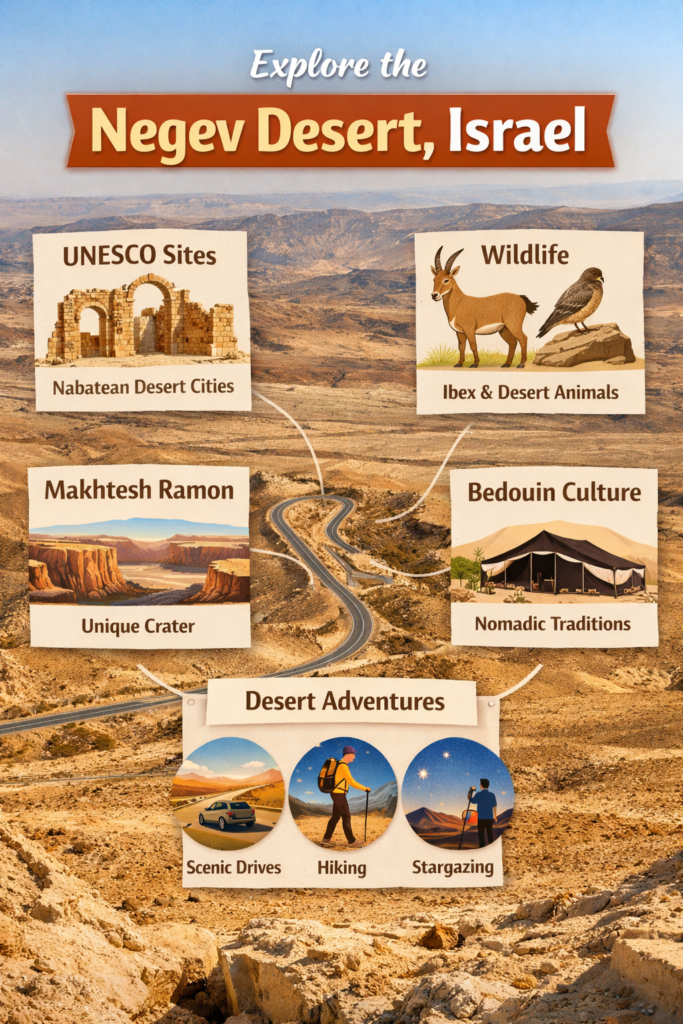
Suggested Itinerary for the Negev Desert in Israel
Here is a practical itinerary framework for first-time visitors.
One-Day Visit
Morning: Beersheba
Midday: Drive to Makhtesh Ramon
Afternoon: Viewpoints around Mitzpe Ramon
Evening: Return or stay overnight
Two-Day Visit
Day 1
- Beersheba
- Tel Be’er Sheva
- Drive to Mitzpe Ramon
- Sunset over Makhtesh Ramon
Day 2
- En Avdat
- Avdat
- Timna Park or another southern stop
Three-Day Visit
This is the best format for a fuller experience.
Day 1: Beersheba and the northern Negev
Day 2: Mitzpe Ramon, Makhtesh Ramon, and surrounding viewpoints
Day 3: Avdat, Shivta, En Avdat, or Timna Park
This pacing allows you to experience the region in a way that feels immersive rather than rushed.
Travel Tips for the Negev in Israel
Traveling in the Negev in Israel can be rewarding, but the desert asks for preparation.
Practical tips
- Start early in the day
- Carry enough water
- Use sunscreen and a hat
- Wear comfortable shoes
- Stay on marked paths
- Check park access before visiting
- Prepare for both heat and cool nights
- Do not underestimate the distance between sites
Why planning matters
The desert may look compact on a map, but actual travel time can be longer than expected. Some sites also have entry rules, reservation systems, or weather-related closures. Good planning protects both your schedule and your energy.
Easy rule to remember
The best Negev trip is not the fastest one. It is the one that respects the land.
Survival Tips and Common Challenges
The Negev is beautiful, but it also presents real challenges that travelers should take seriously.
Challenge 1: Heat
Summer heat can be severe. Shade, hydration, and timing are critical.
Challenge 2: Cold nights
Desert nights can become surprisingly cool, even after a very warm day.
Challenge 3: Distance
Many travelers underestimate how spread out the region is and how much driving may be involved.
Challenge 4: Fragile nature
The ecosystem is delicate. Walking off paths can damage slow-growing plants and sensitive habitats.
Challenge 5: Limited services in some areas
Some desert zones have few shops, limited food options, and reduced access to emergency support.
Prepared travelers usually have a far better experience than unprepared ones.
Pros and Cons
Pros
- Rich and varied desert scenery
- Strong historical and archaeological depth
- UNESCO heritage sites
- Good wildlife and natural areas
- Excellent for road trips and photography
- Well-suited to slow travel
Cons
- Heat can be difficult in warmer months
- Distances can be tiring
- Some sites require planning
- Extreme summer conditions are not ideal for beginners
- Fragile habitats require careful behavior
Environmental Conservation in the Negev
The Negev is not just a tourism region. It is also a landscape where conservation matters deeply.
Why conservation is important
Desert ecosystems are fragile by nature. Water is scarce, plants recover slowly, and animals often depend on very specific habitat pockets. Human disturbance can create damage that lasts a long time.
Conservation themes in the region
- Protected parks
- Marked trails
- Habitat protection
- Wildlife management
- Heritage preservation
- Water-sensitive agriculture
Why this matters for travelers
A responsible visitor helps protect the landscape they came to enjoy. That is especially important in the Negev, where both nature and history are vulnerable to pressure.
Interesting Facts About the Negev Desert in Israel
Here are a few facts that highlight the region’s importance:
- The Negev Desert in Israel covers a large portion of the country’s south.
- Makhtesh Ramon is among the world’s best-known makhteshim.
- The UNESCO Incense Route includes several major desert cities.
- Timna Park combines archaeology with remarkable geology.
- Beersheba is the primary city and a common starting point for many trips.
- The Negev includes both dry open desert and important spring-fed habitat zones.
- Ancient desert communities developed smart methods for managing water and trade.
These facts show why the Negev is one of Israel’s most distinctive and valuable regions.
FAQs
Yes. The Negev in Israel is worth visiting because it combines desert scenery, history, wildlife, and culture in one region.
Beersheba is the main city and the best-known gateway to the region.
Makhtesh Ramon is one of the most famous landscapes because it is rare, huge, and visually dramatic.
The UNESCO desert cities of Avdat, Shivta, Mamshit, and Haluza are among the most important, along with Tel Be’er Sheva.
The cooler months are generally better, especially for hiking and outdoor travel.
Yes. The region has ibex, birds of prey, reptiles, and other desert animals, especially in protected parks and water-rich areas.
Yes. Places like Timna Park, En Avdat, and visitor centers make the region family-friendly if travel is planned well.
Two to three days is a good start for a meaningful trip. A single day only gives a small taste.
Conclusion
The Negev in Israel is more than a desert. It is a region of striking natural beauty, deep history, and living culture, making it one of the country’s most Rewarding places to explore.