Introduction
The Negev Desert In Israel is a remarkable region of sweeping landscapes, deep canyons, unique geology, rich wildlife, and ancient heritage. From Makhtesh Ramon and En Avdat to the UNESCO-listed desert cities of the Incense Route, it offers a mix of nature, history, and adventure in one unforgettable destination. This guide covers the Negev’s key landscapes, climate, flora, fauna, cultural traditions, and practical travel tips.
Negev Desert at a Glance
The Negev is broad, diverse, and easy to misunderstand if you imagine it as one endless blank space. In reality, it is a layered desert ecosystem with highlands, crater-like formations, canyon systems, wildlife habitats, and historic sites. The table below gives a compact overview of the most important places and themes to know.
| Place / Theme | Why it matters | Best for |
| Makhtesh Ramon | The largest makhtesh in the world, with unique geology and visitor experiences | Geology, viewpoints, hiking, photography |
| En Avdat | A deep canyon with springs and a strong wildlife story | Hiking and nature |
| Timna Park | A very large desert park with trails, guided tours, cycling, and family-friendly attractions | Families, adventure, history |
| Avdat, Shivta, Mamshit, Haluza | UNESCO-linked Nabataean desert cities on the Incense Route | History and archaeology |
| Hai Ramon | Desert animals and a botanical garden of Negev habitats | Wildlife learning |
| Sde Boker / Beersheba | Human history, modern desert identity, and regional context | Culture and travel planning |
What the Negev Desert in Israel Really Is
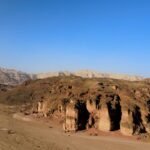
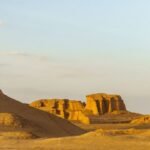
The Negev Desert in Israel is the southern half of the country’s major dry zone. Britannica describes it as an arid region that occupies the southern part of Israel and forms a triangular shape with the apex in the south. It is bordered by the Sinai Peninsula on the west and the Jordan Valley on the east. Britannica also explains that the Negev is not flat or uniform. It includes folded geology, faults, and the famous erosion craters known as makhteshim.
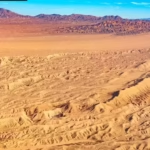
That matters because many people hear the word “desert” and picture one monotonous, empty landscape. The Negev is much more layered than that. Some parts are rocky and rugged. Some are open and expansive. Some areas hold canyons and springs. Other sections are dry plateaus with sweeping views. That diversity is exactly why the region works so well for road trips, hikes, heritage travel, photography, and slow exploration.
Official tourism material also presents the Negev as a broad desert destination with several sub-regions, outdoor experiences, and heritage layers. It is promoted as a place for desert activities, eco-innovation, culture, and travel across a compact but varied area. That makes the Negev a strong pillar topic, because it naturally supports search phrases such as Negev Desert Israel, Negev Desert travel guide, things to do in the Negev Desert, and UNESCO Negev sites.
For readers and travelers, the most important takeaway is simple: the Negev is not one landscape, but many landscapes joined into one desert identity. That idea is essential for both understanding the region and planning a satisfying trip.
Location and Geography
The Negev lies in southern Israel and covers a very large share of the country. Britannica notes that it occupies about 60 percent of Israeli territory under the 1949–67 boundaries. It stretches from the Beersheba area southward and gradually becomes drier as you move toward the Arava and Eilat.
Geographically, the Negev is not a dead zone. It contains sandstone, chalk, limestone, faults, folds, wadis, and cliffs. Britannica emphasizes the makhteshim as a distinctive feature of the region. This means the desert is built from Multiple land systems rather than a single plain. A traveler can experience broad uplands, steep canyons, crater rims, and wide southern valleys in the same journey.
The southern desert also connects naturally to wider Israel travel routes. Official tourism material describes the Negev as a destination that stretches from the Dead Sea region toward the south, with access points that make it part of a larger desert circuit. In practical terms, this is why many travelers combine the Negev with Beersheba, Mitzpe Ramon, the Dead Sea, Arad, Eilat, and the Arava within one route.
From a content and search perspective, this geography matters because it creates semantic depth. Readers are not just learning where the Negev is; they are learning why the Negev feels different from place to place. That difference is the reason the region supports multiple travel styles, from scenic driving and family day trips to archaeology-focused itineraries and nature-based hiking plans.
Climate and Weather Patterns
The Negev Desert in Israel has a true desert climate, so visitors should expect intense sunlight, low rainfall, and major temperature swings between day and night. A Go Israel booklet says the Negev has 360 days of sunshine a year, which helps explain why it is popular for winter trips, outdoor adventures, and extended sightseeing.
But the climate is not identical everywhere in the Negev. The higher elevations around Makhtesh Ramon and Mitzpe Ramon can feel significantly cooler than the lower desert floor. Official visitor materials for Makhtesh Ramon also stress that visitors should avoid long hikes in midday heat during summer and should bring water, hats, and proper shoes. This is practical desert guidance, but it also shows how essential timing is in this environment.
The best Negev days usually follow a smart rhythm: early morning for walking, late afternoon for viewpoints, and the middle of the day for slow travel, food, rest, or indoor interpretation. A desert trip becomes much stronger when you respect the light, the heat, and the pace of the landscape. That is an inference based on the official park advice, but it reflects how desert travel works in real life.
Landscape Features That Make the Negev Famous
4.1 Makhteshim and crater-like landforms
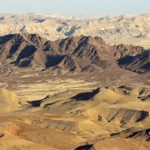
The most iconic natural signature of the Negev is the makhtesh. Britannica calls the makhteshim a unique feature of the region, and the Israel Nature and Parks Authority says Makhtesh Ramon is the largest and most impressive of them. The official visitor center describes makhteshim as enormous basin-like formations that are unique in the world.
This is one reason Makhtesh Ramon is such a powerful travel anchor. It is not only beautiful; it is geologically significant. Visitors can learn about fossils, colored sands, volcanic rocks, and other desert formations that make the crater feel like a natural open-air museum. The official park page also links the site to the life story of Ilan Ramon, giving the landscape both scientific and cultural value.
From an NLP perspective, this part of the Negev article naturally supports terms such as erosion crater, desert geology, unique landform, Makhtesh Ramon viewpoint, and Negev crater landscape. These phrases align closely with the search intent of people who are looking for both educational and scenic travel information.
4.2 Canyons, wadis, and cliffs
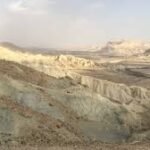
The Negev also contains deep canyon systems and seasonal watercourses. Britannica notes the presence of sandstone hills cut by wadis, canyons, and cliffs. That is why certain areas of the desert feel rugged and vertical, while others feel broad and open.
A strong example is En Avdat. The Israel Nature and Parks Authority says the Tsin Stream carved a deep canyon there, and that three springs feed a brook that flows all year. That combination of water, stone, and shade creates a rare oasis-like setting inside the desert.
This canyon-and-spring pattern is one of the most important semantic clusters in a travel article about the Negev. It connects geography, ecology, and visitor experience in one place. In other words, the landform is not just scenic; it is functional, because it shapes where plants grow, where animals gather, and where people can hike.
4.3 Timna Park and the southern desert landscape
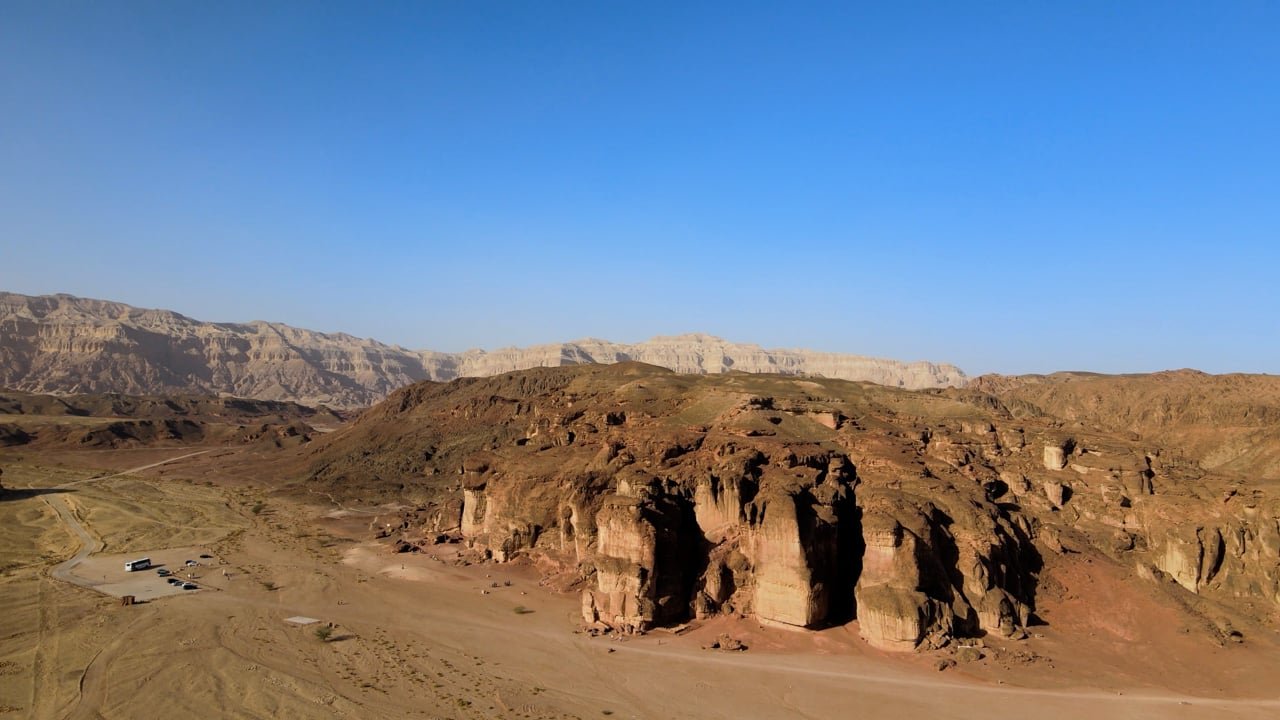
Timna Park adds another major layer to the Negev story. Its official site says the park spans 70,000 dunams and offers a wide range of trails and ways to explore the landscape on foot, by bike, or by car. The park also combines geology, archaeology, and visitor facilities in one large desert space.
That makes Timna valuable for a wide range of travelers. Families appreciate it. History lovers appreciate it. Casual visitors appreciate it. Active travelers appreciate it. It is one of those destinations that can be simple, fun, and educational at the same time. For readers looking for things to do in the Negev, Timna is one of the most flexible and broadly appealing options.
Flora: Desert Plants That Survive and Thrive
The flora of the Negev Desert in Israel is more interesting than many visitors expect. This is not a barren region. It is a living desert with shrubs, trees, and seasonal blossoms that respond to habitat, elevation, and rainfall patterns. The Makhtesh Ramon brochure explains that the area includes highlands, wadis, cliffs, and rocky terrain, and that these variations support a wide range of plant life.
The brochure also mentions Atlantic pistachio trees in large wadis and rocky canyons, and it describes spring flowers such as tulips, anemones, daisies, and other desert blooms. It also names drought-adapted plants like wormwood, marjoram, caper, and gymnocarpus. That is a clear reminder that the Negev is defined not only by rock, but by resilience and adaptation.
Hai Ramon makes the botanical story even clearer. The official site says the park includes a botanical garden with six habitats typical of the Negev Highlands, and part of the garden serves as a refuge for endangered species. That means the Negev’s plant life is not just beautiful; it is also tied to conservation, education, and habitat protection.
5.1 Why the Negev blooms after rain
One of the most striking things about the desert is how quickly it changes after rainfall. In arid regions like the Negev, plants are adapted to wait, conserve moisture, and bloom when conditions improve. That is why spring is often the best season for seeing the desert at its most colorful. This is an inference from the official habitat descriptions and plant lists, but it matches the ecological logic of desert systems.
5.2 SEO terms that fit naturally here
This section is a natural place to use search terms like Negev Desert plants, desert flora, desert habitat, spring bloom in the Negev, and Negev conservation. They fit the topic organically because the landscape genuinely has a strong ecological story. That makes the article more helpful for readers and more relevant for search.
In content strategy terms, plant life is an excellent semantic expansion area. It creates topical authority by connecting the Negev to habitat, adaptation, seasonality, biodiversity, and conservation rather than limiting the article to scenery alone.
Fauna: Animals, Reptiles, Birds, and Desert Life
The Negev is full of life. It is not empty at all. En Avdat is described by the Israel Nature and Parks Authority as the “kingdom of ibex and vultures,” and the site notes that three springs feed a brook year-round. That water and cliff habitat make it one of the best places to understand how animals survive in a desert environment.
Hai Ramon broadens the wildlife picture even further. The park says about 40 species are represented there, including lizards, snakes, turtles, porcupines, hedgehogs, falcons, sand rats, and more. The animals are kept in enclosures that imitate their natural surroundings, which makes the site useful for learning about adaptation, conservation, and the delicate balance of desert ecosystems.
Official tourism material also describes the Negev as a strong birding region, with species such as the Eastern Imperial Eagle, Saker Falcon, Pallid Harrier, and Sociable Plover noted in the northwestern Negev. It also mentions ibex and other desert species around Mitzpe Ramon and Sde Boker. This makes the region especially appealing for birdwatchers, wildlife photographers, and travelers who care about ecosystems.
6.1 Why is wildlife easier to spot in some places than others
You are more likely to see animals near springs, cliffs, protected habitats, and during the early or late parts of the day. That pattern is visible in the official descriptions of En Avdat, Hai Ramon, and the broader Negev tourism material. It is a simple principle, but it makes a major difference in the field.
From an NLP perspective, this section helps the article rank for a wider cluster of related searches, such as Negev wildlife, desert animals in Israel, Negev birds, ibex in Israel, and desert reptile habitat. It also helps the reader build a mental map of where animals are most likely to be seen, instead of treating the desert as uniformly lifeless.
Human History and Cultures
7.1 The Incense Route and UNESCO Heritage
The Negev is not only a nature story. It is also a historical story. UNESCO explains that the Incense Route was a trade network extending more than 2,000 kilometers to carry frankincense and myrrh from Yemen and Oman to the Mediterranean. The four Nabataean towns of Haluza, Mamshit, Avdat, and Shivta, along with fortresses and agricultural landscapes, are part of this UNESCO World Heritage landscape in the Negev.
This is one of the strongest reasons the Negev stands out from many other desert destinations. It was never merely empty land. It was a place of trade, water management, settlement, defense, and organized desert life. UNESCO also notes that these towns reflect the profitable incense trade and the sophisticated irrigation systems that made agriculture possible in harsh conditions.
That historical layer gives the Negev much greater depth. It turns the region from a scenic background into a story of survival, engineering, and movement across difficult terrain.
7.2 Avdat, Shivta, Mamshit, and Haluza
Avdat National Park says its remains sit on a hilltop above the Tsin Stream watercourse, and the site includes the ruins of an ancient Nabataean city. UNESCO links Avdat to the wider desert city system of the Incense Route.
This is why a strong Negev article should not treat these sites as isolated dots on a map. They are part of a connected historical chain. Travelers who understand the chain will get much more from the visit. They will see how ancient people transformed a harsh desert into a functioning route system with commerce, agriculture, and strategic settlements.
7.3 Beersheba and modern desert identity
Britannica describes Beersheba as the main center of the Negev region and a biblical town in southern Israel. In the modern travel story, Beersheba often works as a gateway city and a useful base for exploring the desert. That gives the Negev a bridge between ancient heritage and modern life.
This bridge is important from a travel writing perspective because it prevents the article from feeling detached or overly romantic. The Negev is not just ruins and scenery; it is also a region with a living urban center, modern infrastructure, and a contemporary identity that still relates to its desert environment.
7.4 Bedouin culture in the Negev
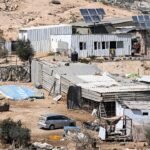
Bedouin culture is another essential layer of the desert experience. Official tourism material describes camel riding, Bedouin meals, tent stays, and desert hospitality as part of the Negev travel offering. The region is not only a place to view landscapes. It is also a place to meet people and understand a living desert culture.
A strong article should treat this as a real cultural experience, not as a side note. The Bedouin presence gives the Negev its human texture. It connects desert travel to food, hospitality, memory, and local identity. In semantic terms, this expands the article into the connected areas of desert culture, local heritage, traditional hospitality, and Bedouin tourism.
Top Things to Do in the Negev Desert in Israel
8.1 Visit Makhtesh Ramon
Makhtesh Ramon is one of the most signature experiences in the region. The official visitors center says it combines the life story of astronaut Ilan Ramon with the largest makhtesh in the world and its unique natural phenomena. The park also notes that a reservation is required for entry at certain times.
This is a must-see if you want the classic Negev feeling. It delivers vast views, geological interest, silence, and a sense of scale that is difficult to forget. It is also a perfect place for sunrise, sunset, and stargazing. If the Negev is the main focus of your trip, Makhtesh Ramon should be near the top of the itinerary.
8.2 Walk En Avdat
En Avdat is one of the best nature walks in the Negev because it combines canyon walls, water, shade, and wildlife. The official page says three springs feed a brook that flows all year, and it also warns that visitors should reserve in advance and pay attention to last entry times.
If you want one place that feels like an oasis in the middle of the desert, this is it. It is also a great place to understand how water completely changes the character of a dry landscape. The canyon setting is especially effective for travelers who enjoy a strong sense of contrast between aridity and freshness.
8.3 Spend time in Timna Park
Timna Park is one of the largest and most flexible desert attractions in southern Israel. The official park says it spans 70,000 dunams and offers trails for walking, cycling, and driving. The park site also highlights guided tours, a visitor center, bicycle options, and pedal boating among its attractions.
That makes Timna ideal for a broad range of travelers. It works well for families. It works well for road trippers. It works well for visitors who want a little archaeology with their scenery. It is a destination that blends leisure and learning without becoming overwhelming.
8.4 Explore UNESCO desert cities
The UNESCO sites of Avdat, Shivta, Mamshit, and Haluza are important because they tell the story of trade and survival. UNESCO says these sites belong to the Incense Route landscape and reflect both commerce and desert farming through irrigation.
These places are ideal for travelers who love archaeology, old roads, and cultural history. They also give the Negev a deeper meaning than scenery alone can provide. Instead of seeing only rocks and ruins, the traveler begins to see settlement patterns, water systems, and the intelligence of desert adaptation.
8.5 Learn at Hai Ramon
Hai Ramon is a living desert park where small animals can be seen in conditions close to their natural habitat. The park says about 40 species are represented, and it also includes a botanical garden of Negev habitats with a refuge area for endangered plants.
This is a smart stop for readers who want to understand desert ecology rather than just admire it from a distance. It is especially good for families and school-age children, because it turns the Negev into something tangible, observable, and educational.
Negev Desert Travel Guide: Practical Planning Tips
9.1 Book ahead when a site requires it
Several official park pages now ask visitors to use a reservation system. This applies to En Avdat, Avdat, and the Makhtesh Ramon Visitors Center. If you are planning a full Negev trip, check entry rules before you leave, especially on busy days or during holidays.
9.2 Start early
Early starts are one of the best desert habits. They help you avoid heat, enjoy softer light, and keep your energy high. Official park guidance for Makhtesh Ramon and En Avdat supports this idea by warning visitors about midday heat and last-entry times.
9.3 Carry the right basics
Bring water, sunscreen, a hat, sturdy shoes, and enough time. The Makhtesh Ramon brochure specifically advises visitors to bring water, wear walking shoes and a hat, avoid long hikes in summer midday heat, and dress warmly in winter because the highlands can get cold.
9.4 Respect flood risk and marked paths
Desert wadis can be dangerous during flood events. The official materials for the parks stress safety, reservations, and visitor rules. A good trip in the Negev is not just about seeing more. It is about seeing safely, sustainably, and at the right pace.
9.5 Group nearby stops together
The Negev is large enough that random zigzag travel wastes time. It is better to group nearby sites into one route. This is a practical inference from the region’s scale and the way official tourism materials present the Negev as a broad but connected travel zone.
This section is especially useful for search intent like Negev travel tips, how to visit the Negev, Negev itinerary planning, and desert safety in Israel. It transforms the article from descriptive content into actionable guidance.
Sample Negev Itineraries
10.1 One-day Negev highlights route
Start at Makhtesh Ramon in the morning, move to a canyon or viewpoint stop later in the day, and end with sunset in a desert lodge or at a scenic overlook. This one-day style works well if your goal is atmosphere, not heavy hiking. The official park descriptions support this kind of early-start, low-heat plan.
10.2 Two-day Negev nature and history route
On day one, focus on Makhtesh Ramon and Hai Ramon. On day two, add En Avdat and one of the UNESCO desert cities like Avdat or Shivta. That gives you geology, wildlife, and archaeology in a balanced way.
10.3 Family-friendly desert route
Choose Timna Park, Hai Ramon, and one shorter canyon or heritage stop. Timna is especially useful because it offers different ways to explore, including trails, cycling, and driving routes, while Hai Ramon adds a clear educational layer.
These itineraries give readers a framework that is easy to adapt. They also help the article target longer-tail search phrases such as Negev Desert itinerary, 2-day Negev trip, family things to do in the Negev, and best Negev attractions.
Interesting Facts About the Negev Desert in Israel
The Negev Desert in Israel has more than landscapes. It has memorable facts that make the topic stronger for SEO and more engaging for readers.
The Incense Route covered more than 2,000 kilometers and carried frankincense and myrrh from southern Arabia toward the Mediterranean.
Makhtesh Ramon is the largest makhtesh in the world, according to the Israel Nature and Parks Authority.
Official tourism material describes the Negev as having 360 days of sunshine a year.
Hai Ramon says about 40 species are represented there, including reptiles, birds, and small mammals.
The Negev’s heritage sites are not random ruins. UNESCO connects them to trade, water management, and desert agriculture.
These facts work well in a travel article because they are both informative and memorable. They also support search intent around Negev Desert facts, Negev Desert wildlife, and UNESCO Negev sites.
When a reader remembers even one or two of these details, the region becomes much easier to picture and much easier to recommend. That is part of what makes the Negev such a strong pillar topic.
Environmental Issues and Conservation
The Negev is beautiful, but it is also fragile. Desert ecosystems can be harmed by careless walking, off-road use, littering, and excessive traffic in sensitive areas. Official park pages repeatedly emphasize protection, reservations, and visitor responsibility. Hai Ramon is designed as a living desert park to raise awareness of nature conservation, and its botanical section includes habitats typical of the Negev Highlands, plus protection for endangered plants.
The heritage side matters too. A UNESCO listing is not only a tourism label. It recognizes the global value of the desert cities and the Incense Route landscape, including the way ancient communities used irrigation and settlement systems to survive. Protecting that landscape preserves both nature and history.
For visitors, the best conservation rule is simple: stay on marked paths, follow park instructions, keep noise low, and treat archaeological sites as protected cultural places. That is the respectful way to experience the desert and leave it in good condition for the next traveler.
Conservation also adds topical depth. It connects the article to phrases such as desert preservation, heritage protection, fragile ecosystem, responsible tourism, and sustainable travel in the Negev.
Pros and Cons
Pros
The Negev gives you a rare mix of landscape, wildlife, archaeology, and living culture in one region.
It works for many travel styles, from hiking and driving to family trips and heritage tours.
It has a strong visual identity, especially around Makhtesh Ramon, En Avdat, and Timna Park.
It includes real UNESCO history, not just scenic stops.
Cons
The heat can be intense, especially at midday. Park guidance clearly warns visitors to plan around this.
Some sites require reservation planning, so spontaneous travel is not always ideal.
Distances can feel longer than they look on the map, so route planning matters. That is a practical inference from the region’s scale and the way official tourism materials present the Negev as a broad travel zone.
This section is especially useful because it feels balanced and realistic. It helps readers make informed decisions rather than romanticized ones, which improves trust and usability.
FAQs
Yes. The Negev Desert in Israel combines dramatic landscapes, UNESCO heritage, wildlife, and outdoor travel in one region, which makes it one of the most complete desert destinations in Israel.
Makhtesh Ramon is the signature natural landmark. The Israel Nature and Parks Authority says it is the largest makhtesh in the world and a unique natural phenomenon.
The main UNESCO heritage sites are Haluza, Mamshit, Avdat, and Shivta, together with associated fortresses and agricultural landscapes on the Incense Route.
The best time is usually early morning or late afternoon because official park guidance warns against long midday hikes in summer and notes that winter in the highlands can be cold.
Yes. En Avdat highlights ibex and vultures, while Hai Ramon displays about 40 desert species in a living park setting.
Yes. Timna Park is especially family-friendly because it offers many ways to explore, and Hai Ramon is excellent for learning about desert animals and plants.
Yes. Official pages for En Avdat, Avdat, and Makhtesh Ramon Visitors Center all point visitors to reservation systems.
Conclusion
The Negev Desert is one of Israel’s most rewarding regions to explore because it combines natural beauty, archaeology, wildlife, and living desert culture. Whether you are planning a short visit or a longer road trip, the Negev offers a memorable travel experience shaped by both landscape and history.