Introduction
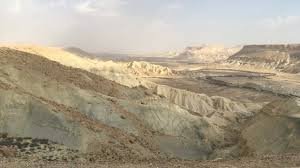
The Negev Desert in southern Israel is a vast landscape of canyons, craters, cliffs, ancient trade routes, and desert wildlife. It combines natural beauty, deep history, and living culture, making it one of the country’s most fascinating regions to explore. From Makhtesh Ramon to Avdat and Timna, the Negev offers a mix of scenery, heritage, and adventure in one unforgettable desert journey.
Negev Desert at a Glance
| Topic | Key Point | Why It Matters |
| Location | Southern Israel | Helps readers orient the region geographically |
| Landscape | Craters, canyons, cliffs, dunes, and rock formations | Shows the Negev’s visual and geological diversity |
| Famous Landmark | Makhtesh Ramon | The most recognized natural highlight |
| UNESCO Heritage | Incense Route – Desert Cities in the Negev | Adds historical and cultural significance |
| Wildlife | Ibex, vultures, onagers, oryx, reptiles, and desert birds | Strengthens the ecology and conservation angle |
| Best-Known Travel Styles | Road trips, hiking, history, stargazing | Matches how most visitors experience the desert |
The table above captures the Negev in simple form, but the reality is richer. It is not a single attraction or a one-note desert. It is a connected region with layers of meaning, and that is why it deserves a deeper, more structured guide.
Primary Keyphrase and Supporting Keywords
Primary keyphrase: Negev Desert, Israel
Supporting keywords and related terms: Negev Desert, Makhtesh Ramon, Ramon Crater, UNESCO World Heritage, Incense Route, Avdat National Park, En Avdat, Timna Park, wildlife in the Negev, Bedouin culture, desert travel tips, Negev itinerary, desert landscapes, climate in the Negev, heritage sites in Israel
These terms reflect the most important themes a reader is likely searching for: location, geography, heritage, scenery, wildlife, and travel planning. They also help build semantic richness throughout the article, which is useful for search intent and readability.
Where Is the Negev Desert?
The Negev Desert is located in southern Israel. In broad geographic terms, it forms the southern desert region of the country, extending downward from the central areas toward the Red Sea side near Eilat. If Israel is visualized as a vertical landmass, the Negev occupies the lower portion, acting as a wide southern belt of desert terrain.
The Negev is often described as an arrow-shaped region that narrows toward the south. That shape matters because it affects how the land feels as you travel through it. The northern stretches are broader and more connected to the rest of the country, while the southern areas become progressively more arid, stony, and dramatic. As the desert deepens, the landscape shifts into sandstone hills, wadis, ravines, canyons, and cliffs. This gradual transformation is one of the reasons the Negev feels so dynamic rather than monotonous.
From a travel perspective, this geography creates a strong sense of progression. A visitor can start in a city like Beersheba and then move into increasingly rugged country, eventually reaching major natural landmarks such as Makhtesh Ramon or Timna Park. The desert opens up visually as you go farther south, and that journey itself becomes part of the experience.
The Negev is also important because it has always been connected to movement. It lies along historic routes that linked people, goods, and ideas across the region. That means the desert is not simply a physical boundary or empty land. It is a corridor of exchange, survival, and settlement. Ancient traders, pastoral Communities, travelers, and modern visitors have all crossed it for different reasons, but each has left some trace of their presence.
In short, the Negev is not just “in the south.” It is the southern landscape of Israel in its fullest form: expansive, layered, dry, historic, and surprisingly varied.
Why the Negev Feels So Different
The Negev feels distinctive because it combines extreme nature with active human presence. This is not a sealed-off wilderness. It is a living desert region where broad open spaces exist alongside roads, towns, farms, conservation parks, heritage sites, and Bedouin communities. That combination creates a strong visual and emotional contrast. The land feels wild, but it is also accessible. It feels remote, but it is deeply connected to culture and history.
Another reason the Negev stands apart is its wide palette of experiences. One traveler may come for hiking and geology. Another may come for Nabatean ruins and UNESCO heritage. A third may want wildlife viewing or a desert night under the stars. Someone else may simply want the quiet and the open horizon. The desert can serve all of these purposes because it contains so many different settings within one region.
The feeling of the Negev is also shaped by light and atmosphere. Dry air often sharpens color and visibility. Shadows become dramatic. Distances feel larger. Sunsets can turn cliffs and rock walls into glowing surfaces of red, gold, and brown. The landscape seems to shift as the day changes. In the morning, the desert can feel crisp and stark. By evening, it becomes softer and warmer, with long lines and deepening texture.
This is why the Negev has such a strong visual identity. It is not a generic desert. It is a highly textured environment where weather, geology, and human life interact. That interaction produces a sense of place that is memorable and difficult to reduce to a single image.
Climate and Weather Patterns
The climate of the Negev is one of its defining features. Like much of Israel, the country generally experiences a cool, rainy winter and a dry, hot summer, but the Negev is especially arid. As you move south, rainfall becomes lighter, and conditions become more severe. The desert is shaped by heat, low moisture, strong sunlight, and large seasonal differences.
For travelers, this means planning matters. The best times for walking, hiking, sightseeing, and photography are usually early in the morning and later in the afternoon, when the temperature is more manageable and the light is softer. Midday can be intense, especially in open areas with little shade. In a desert environment, even a short walk can become much more demanding than it looks on a map.
The dry climate also affects how the land feels. Because there is less humidity, visibility is often clearer, and distant ridges or crater walls may appear unusually sharp. Colors can look more vivid, especially after sunrise or before sunset. The atmosphere can also change quickly from harsh brightness to striking stillness. This is part of the desert’s appeal. It feels elemental, pared down, and direct.
The climate also helps explain why oases, springs, and streambeds are so important. In a region defined by scarcity, any place with water becomes ecologically and historically significant. This is why canyon sites like En Avdat carry so much visual and symbolic force. They represent relief, refuge, and continuity in an environment where such features are rare.
Landscapes: Why the Negev Looks So Dramatic
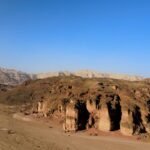
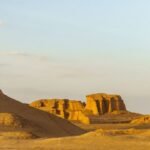
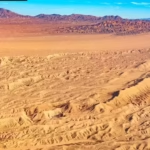
The greatest landscape strength of the Negev is variety. It is easy to assume that a desert is uniform, but the Negev proves the opposite. Here, there are crater basins, canyon walls, rocky plateaus, eroded cliffs, sand patches, dry valleys, and weathered stone formations. The result is a complex visual environment with many different moods.
Craters, Canyons, and Cliffs
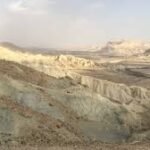
One of the desert’s most remarkable features is its geological diversity. The land changes form as you travel, with broad ridges giving way to jagged elevations, and open surfaces leading into deep cuts carved by water and time. Wadis and canyons shape the region in a way that makes it feel constantly sculpted rather than static. This is not a flat desert plain. It is a land of relief, depth, and layered topography.
The cliffs and ravines are especially important because they create movement in the landscape. A cliff face may look severe from one angle and surprisingly delicate from another. A canyon may seem dry and barren until you encounter vegetation, birds, or a spring-fed pool within it. These transitions give the Negev a strong sense of discovery. Much of its beauty is revealed gradually rather than all at once.
Makhtesh Ramon: The Signature Landscape
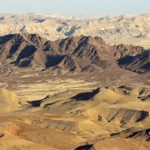
The single most famous natural feature in the Negev is Makhtesh Ramon, also widely known as Ramon Crater. This is the feature that often defines the region in the minds of travelers. It is not a normal crater formed by impact. Instead, it is an erosion crater, shaped over time by the wearing away of rock layers. That makes it both scientifically fascinating and visually unforgettable.
Makhtesh Ramon is immense, and its scale is one of the reasons it leaves such a strong impression. The long basin, steep walls, and surrounding desert mountains create a landscape that feels almost otherworldly. Standing near its edge, visitors often get a sense of vastness and depth that is difficult to capture in photographs alone. The crater is not just large; it is architecturally dramatic in the way it reveals layers of earth.
The area is also important because it offers a concentrated lesson in geology. The exposed strata, rock colors, and formations show how the desert has evolved through immense stretches of time. For visitors who enjoy natural history, it becomes more than a viewpoint. It becomes a reading of the land itself. That is part of what gives the Negev such intellectual and aesthetic power.
En Avdat: Oasis in a Canyon
If Makhtesh Ramon represents the Negev’s grand scale, En Avdat represents its hidden life. This site is a canyon oasis shaped by springs and a stream that flows through a deep gorge. The contrast is immediate and powerful. Instead of an exposed, windswept crater, the traveler finds water, greenery, shade, birds, and steep canyon walls.
En Avdat is one of the best examples of how water transforms the desert. Springs create a narrow but vital ecological corridor where plants can grow, and animals can gather. Trees, shrubs, and cliff-dwelling species all benefit from this rare moisture. The feeling of the site is different from the more expansive crater landscapes. It is enclosed, alive, and intimate.
For hikers and travelers, this makes En Avdat especially memorable. It offers a route through the terrain that feels both scenic and meaningful. The site is not just beautiful; it is a demonstration of how desert life organizes itself around water. It is an essential part of understanding the Negev as an ecosystem rather than simply a backdrop.
Timna Park: Red Rocks, Desert Space, and Accessible Exploration
Timna Park adds another layer to the Negev’s landscape story. It is known for its wide desert setting, cliff-enclosed basin, red-toned rock formations, and archaeological associations. It is a place where geology and history meet in a highly accessible environment.
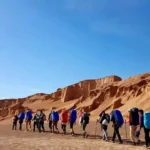
What makes Timna particularly useful for travelers is its balance. It is dramatic enough to feel special, but structured enough to be comfortable for a wide range of visitors. Families, photographers, road-trippers, and casual explorers can all enjoy it without needing advanced desert experience. Its trails and viewpoints make it one of the easiest places to absorb the spirit of the Negev.
Timna also helps show that desert scenery is not only about emptiness. It is about contrast, color, and form. The red rocks, broad sky, and open ground create a space that feels cinematic. The park’s visual language is clear: the desert can be austere and welcoming at the same time.
Flora: Plants That Survive in the Desert
At first glance, the Negev may seem sparse in vegetation, but that impression is incomplete. The desert contains a specialized plant world that survives by adapting to heat, drought, and limited water. Rather than competing with wetter ecosystems on density, the Negev’s flora excels through resilience and specialization.
Plants in the Negev rely on microhabitats. Streambeds, springs, shaded canyons, and rocky crevices all provide slightly different conditions that allow life to persist. These small ecological pockets are essential. In the desert, a narrow band of shade or a hidden spring can support a surprising amount of life. The landscape may look minimal from a distance, yet it is full of strategic survival.
The botanical side of the Negev is also important because it shows how conservation works in harsh environments. Desert plants do not just survive by accident. They are part of a finely balanced system shaped by water availability, temperature, and soil conditions. Some are adapted to store moisture, some to reduce loss, and some to grow only when conditions briefly improve.
Sites like Hai Ramon help make this visible to visitors. Its botanical garden presents habitats typical of the Negev Highlands and also includes a refuge area for endangered species. That means the plant world of the desert is not only a matter of scenery but also of preservation and ecological stewardship. The Negev’s flora tells a larger story about adaptation, vulnerability, and protection.
Fauna: Wildlife in the Negev Desert
The wildlife of the Negev is one of the region’s strongest yet most underappreciated features. Desert animals are often hidden, active at certain times, or best seen by those who move quietly and pay attention. The result is that wildlife viewing in the Negev feels rewarding in a subtle, observational way rather than a flashy one.
Desert Animals and Birds
Among the most iconic animals associated with the region are ibex and vultures, especially in canyon areas like En Avdat, where cliffs and water sources support them well. The rocky terrain gives ibex the advantage of agility and elevation, while birds of prey and scavengers use the air currents and open visibility of the landscape. This creates a wildlife scene that feels perfectly matched to its environment.
The Negev is also home to reptiles, small mammals, and desert birds that have evolved to handle scarce water and extreme conditions. These species may not always be obvious, but they are a central part of the ecosystem. Their presence reminds visitors that the desert is not empty. It is simply quiet in a different way.
Hi Ramon and Conservation
Hai Ramon is an especially important site because it focuses on the living ecology of the desert. It is described as a living desert park where small animals and desert species can be observed in a natural setting. It also includes habitat displays and refuge work for endangered species. That makes it valuable not only as an attraction but as an educational space.
Hai Ramon helps visitors understand the desert as an ecological network. Animals, plants, terrain, and water sources all interact. Even species that seem small or hidden play important roles in maintaining that balance. For travelers interested in biodiversity, the site offers a deeper way to understand the region.
Hai-Bar Yotvata and Wildlife Restoration
The Negev’s conservation story also includes Hai-Bar Yotvata, a site associated with the restoration of wildlife that once disappeared from Israel. This includes efforts connected to species such as the Asian wild ass and the Arabian oryx. These conservation programs show that the Negev is not only a habitat but also a restoration landscape.
That matters because it demonstrates a broader environmental ethic. The region is not simply being visited; it is being managed, studied, and partially restored. The wildlife story of the Negev is therefore both natural and human-made. It is about protecting what remains and reintroducing what was lost where possible.
Birding and Desert Observation
For birdwatchers, the Negev can be especially rewarding. Cliffs, open plains, and seasonal water sources create a range of habitats that attract different species. The northwest area of the desert is particularly known for birding interest, but almost any carefully chosen site can reveal movement and life. The key is patience. Desert wildlife often rewards those who slow down.
The wider lesson is that the Negev supports a surprisingly rich ecological structure. Large mammals, birds, reptiles, insects, and plants all occupy their niches. The desert is not life-poor. It is life-specialized.
Human History: The Negev as a Record of Survival
The Negev has one of the most layered human histories of any desert region in the area. It has been crossed, inhabited, used, and adapted to by many different groups over thousands of years. This long history gives the desert its cultural weight and makes it far more than a scenic backdrop.
Ancient Presence and Long Continuity
The region has seen prehistoric hunters, ancient pastoralists, Biblical-era life, Nabatean trade, Roman influence, Bedouin habitation, and modern development. That long timeline reveals a central truth about the Negev: people have always found ways to live with its limitations. The desert may be demanding, but it has never been uninhabited.
This historical continuity matters for travelers because it changes how the land is interpreted. A hill, ruin, spring, or path is not just a physical feature. It is part of a long human sequence. The Negev becomes a record of adaptation—how people found water, built routes, traded across distance, and established settlements in a difficult environment.
Nabateans and Trade Routes
One of the most important historical chapters in the Negev is the Nabatean period. The Nabateans were deeply skilled at desert movement and water management. They understood how to navigate dry terrain, where to settle, and how to support trade across harsh land. Their presence is one of the reasons the Negev has such major heritage significance today.
Their legacy is especially visible through the Incense Route – Desert Cities in the Negev, a UNESCO-recognized heritage site. This route was not just a road. It was a vast trade system connecting southern Arabia to the Mediterranean and carrying valuable goods such as frankincense and myrrh. The cities and stations along the route show how commerce, survival, and adaptation came together in a desert setting.
UNESCO Heritage and Desert Civilization
UNESCO recognizes the Incense Route because it reflects both economic exchange and human adaptation. The preserved settlements, forts, caravanserai, and agricultural systems show how people created a functioning life in an environment that would otherwise seem inhospitable. This is one of the most powerful aspects of the Negev: it turns a harsh landscape into a stage for ingenuity.
The UNESCO story also helps explain why the Negev is not just of local importance. It has international heritage value. The desert cities of the region are part of a broader historical network that shaped trade and communication across the ancient world. That is why the Negev matters to archaeologists, historians, and travelers alike.
Avdat and the Visible Past
Avdat National Park is one of the clearest places to see this history on the ground. The ruins of the ancient Nabatean city stand above a watercourse, showing how settlements were positioned to take advantage of terrain and scarce moisture. The site gives form to the idea that desert life required careful intelligence and strategic planning.
Visiting Avdat is therefore not just about seeing ruins. It is about understanding the logic behind them. Why was the city built there? How did water support life? Why did trade pass through this area? These questions make the site intellectually rich and physically striking at the same time.
Bedouin Culture and Living Desert Identity
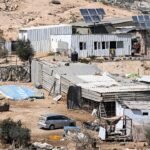
A strong Negev guide should never treat the desert as a dead museum. The region is also a living cultural landscape, and Bedouin communities are part of that living reality. Their presence reminds visitors that the desert is not only about the distant past. It is also about daily life, continuity, hospitality, and place-based knowledge.
The Bedouin experience in the Negev is often connected to food, hospitality, traditional crafts, camel riding, embroidery, tents, and guided cultural encounters. These elements are not just tourist extras. They reflect a way of living that has long been adapted to desert conditions. In that sense, Bedouin culture is deeply tied to the geography of the region.
It is also important to understand that culture here is not fixed in time. The Negev includes both tradition and modern life, both heritage and change. The desert communities are part of ongoing social and environmental processes. That makes them essential to the identity of the region rather than peripheral to it.
For travelers, engaging with Bedouin culture can add depth and balance to a trip that might otherwise focus only on rocks, routes, and ruins. It introduces a human dimension that is practical, historical, and meaningful. In a region so often described through landscapes, people remain central.
Best Things to Do in the Negev Desert
The Negev supports a wide range of travel experiences, and the best visits usually combine nature, history, and outdoor activity. It is a region that rewards movement, curiosity, and flexible planning.
1. Visit Makhtesh Ramon
Makhtesh Ramon is the headline attraction and one of the most extraordinary desert features in Israel. It is the place where geology becomes dramatic and easy to appreciate. Travelers should spend time at viewpoints, the visitor center, and surrounding trails if possible. It is not just the biggest landform in the region; it is the one that best defines the Negev’s visual power.
2. Walk Through En Avdat
En Avdat is ideal for visitors who want a canyon-and-oasis experience. The site combines walking, wildlife, and water in a setting that feels both beautiful and biologically important. It is one of the best places to understand the desert as an ecosystem shaped by springs and sheltered terrain.
3. Explore Avdat National Park
Avdat is essential for anyone interested in archaeology or desert history. As part of the UNESCO-recognized Incense Route, it allows visitors to see how ancient people built, traded, and lived in the Negev. The ruins carry the imprint of desert civilization in a highly legible way.
4. Spend Time in Timna Park
Timna is one of the most approachable major desert destinations in the south. It offers red rock scenery, open space, wildlife, and historical interest in a way that works well for families and road-trippers. It is especially good for travelers who want a broad desert experience without a difficult hike.
5. Look for Wildlife
The Negev is a strong place for wildlife observation if you are patient. Ibex, birds, reptiles, and conservation species all contribute to the ecological richness of the region. Sites like Hai Ramon and Hai-Bar Yotvata are especially valuable for this kind of experience.
6. Enjoy Stargazing and Silence
The desert’s open skies and low-light settings make it excellent for stargazing. Night in the Negev can feel vast and quiet, with a sense of space that is rare in more urban parts of Israel. For many travelers, this is one of the most memorable parts of the visit.
7. Take a Road Trip Through the Region
The Negev is best appreciated as a route, not a single stop. Its sites are spread out enough that moving from one area to another is part of the pleasure. A road trip allows the desert’s changing character to reveal itself gradually.
Travel Tips for First-Time Visitors
The Negev is a rewarding destination, but it is best approached with a practical mindset. The desert climate demands respect. Water, sun protection, good footwear, and timing all matter. Visitors should avoid treating the region as though it were a city tour with dramatic scenery attached. It is a real desert, and the conditions shape the experience.
A useful strategy is to plan activities around temperature and distance. Early morning and late afternoon are usually the best times for active exploration. Midday may be better for indoor stops, short visits, or driving between locations. This kind of pacing keeps the trip comfortable and more enjoyable.
It also helps to think of the Negev as a multi-stop region. The major attractions are spread across a wide area, so trying to rush through too many in one day can reduce the experience. A slower route often feels richer because it allows each site to stand out on its own.
Opening hours, park rules, and site conditions should also be checked in advance. Desert parks and heritage locations may have specific access arrangements, and planning makes the visit smoother. In the Negev, preparation is not a burden. It is part of the travel skill set.
Practical 4-Day Negev Itinerary
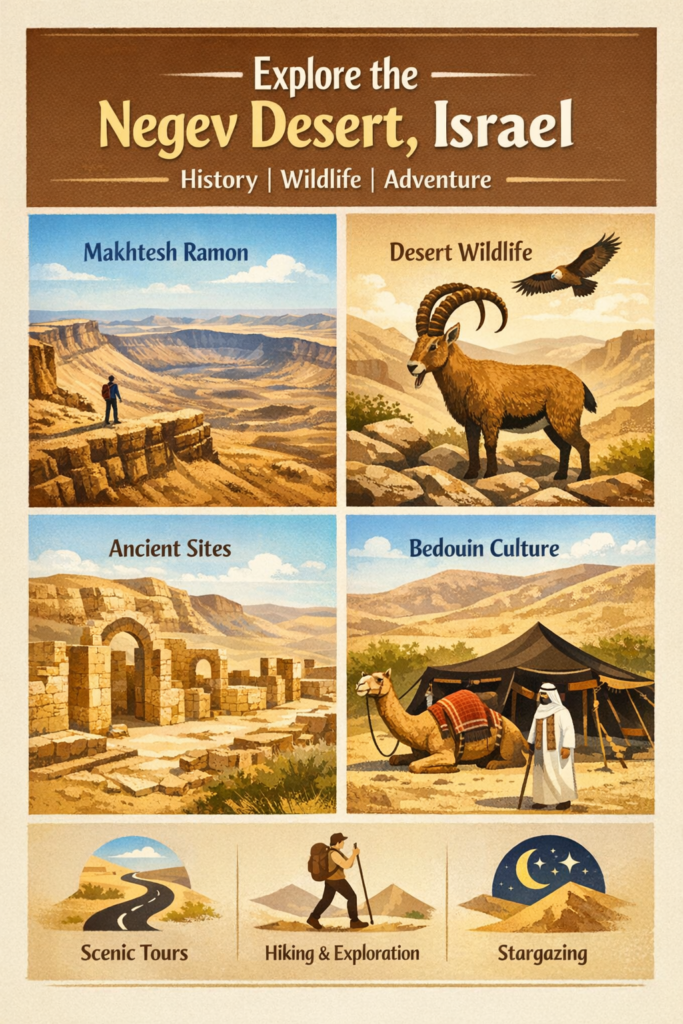
Here is a simple route that fits the geography and the main highlights:
Day 1: Beersheba and the Northern Negev
Begin in Beersheba, which serves as a major gateway to the Negev. It is a useful starting point because it connects the broader country to the desert south. Spend time orienting yourself, then move toward your chosen base for the next few days.
Day 2: Makhtesh Ramon and Mitzpe Ramon
Dedicate the second day to the crater landscape. This is the most iconic scenery in the region and one of the best places to understand the geology of the Negev. Take time for viewpoints, short walks, and desert observation.
Day 3: En Avdat and Avdat
Combine the canyon oasis with the archaeological site. This gives you a balanced day of nature and history. En Avdat brings water, wildlife, and greenery, while Avdat offers the ancient trade-route narrative.
Day 4: Timna Park or a Southern Extension Toward Eilat
Spend the final day in Timna if you want more desert scenery, or continue south toward Eilat if your trip includes the Red Sea. Timna is a strong closing stop because it blends beauty, ease of access, and historical interest.
This four-day route is flexible, but it captures the main themes of the Negev: crater landscapes, canyon life, ancient settlement, and wide southern space.
Interesting Facts About the Negev Desert
The Negev Desert covers a very large portion of Israel’s land area and plays a major role in the country’s environmental and cultural identity. It is not a marginal region. It is central to understanding Israel’s southern geography.
Makhtesh Ramon is widely known as the world’s largest erosion crater and is one of the most striking geological features in the country. Its scale and form make it a signature landscape for the Negev.
UNESCO identifies the Incense Route as a trade network that stretched over thousands of kilometres and moved frankincense and myrrh through desert cities that managed water and settlement with remarkable skill. The Negev was a key part of that system.
The desert is also an active conservation zone. Wildlife restoration, habitat protection, plant refuge work, and educational parks all show that the Negev is being managed as a living environmental space rather than merely preserved as scenery.
Environmental Issues and Conservation
Desert ecosystems are delicate. They can be damaged by overuse, poorly managed tourism, habitat pressure, and environmental neglect. That is why conservation is so important in the Negev. The desert may look tough, but many of its living systems are actually fragile.
Conservation in the Negev involves habitat protection, wildlife restoration, biodiversity support, and the safeguarding of heritage sites. This is not an abstract goal. It is visible in places such as Hai Ramon and Hai-Bar Yotvata, where education and ecological management come together.
The value of conservation is especially clear when you think about how little water and shelter the desert offers. Every spring, canyon, and shaded area matters. Each protected habitat helps maintain ecological continuity, while preserved sites help future travelers and researchers better understand the region.
In that sense, conservation is not separate from tourism. It is what allows tourism to remain meaningful over time. Visitors who understand the fragility of the landscape are more likely to move through it responsibly and appreciate its complexity.
Pros and Cons
Pros
The Negev offers rare landscape variety, major archaeological and UNESCO World Heritage sites, strong wildlife interest, memorable road-trip potential, and a sense of space hard to find elsewhere. It is one of the few desert regions where geology, ecology, and history can all be experienced in one journey.
Cons
Heat, dryness, and distance can make travel more demanding than it first appears. Some of the best experiences require early starts, patience, and careful planning. The region rewards preparation, but it does ask for effort.
FAQs
Yes. It offers a distinctive mix of dramatic landscapes, ancient heritage, wildlife, and travel variety. From crater country to canyon oases and UNESCO desert cities, it is one of Israel’s most rewarding regions.
Makhtesh Ramon is probably the most famous natural landmark, while Avdat is one of the most important heritage sites.
UNESCO lists the Incense Route – Desert Cities in the Negev as a World Heritage site because of its Nabatean cities, trade routes, and desert water-management history.
The region supports ibex, vultures, small desert animals, reptiles, and restored species such as the Asian wild ass and Arabian oryx in conservation areas.
A short visit is possible, but a multi-day trip gives a much better result. The desert works best when you give each area enough time to be experienced properly.
Yes. It is one of the best regions for first-time visitors who want landscapes, heritage, and outdoor experiences in one place. It also connects well with Beersheba, Mitzpe Ramon, Timna, and Eilat.
Conclusion
The Negev Desert is more than open land and dry climate. It is a region shaped by geology, history, wildlife, and human resilience. Whether you come for hiking, archaeology, stargazing, or a road trip, the Negev rewards slow exploration and leaves a lasting impression.