Introduction
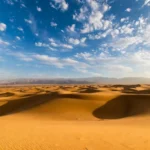
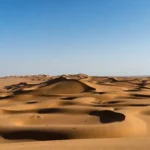
The Arabian Desert is one of the world’s most dramatic landscapes, shaped by vast sand seas, gravel plains, salt flats, and life-sustaining oases. From the accessible dunes of Wahiba Sands to the extreme remoteness of the Rubʿ al-Khali (Empty Quarter), experiences range from easy day trips to serious multi-day expeditions. This guide focuses on practical planning — where to go, the best time to visit, essential safety advice, a clear packing checklist, and ready-to-use 1–14 day itineraries you can apply immediately.
Quick facts & why visit the Arabian Desert
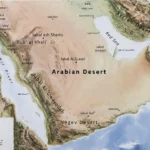
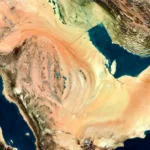
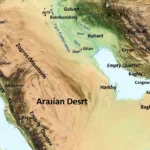
- Area: The Arabian Desert covers large swathes of the Arabian Peninsula — large parts of Saudi Arabia, Oman, the UAE, Qatar, Kuwait, plus portions of Jordan, Iraq, Yemen, and the Sinai.
- Iconic spots: Rubʿ al-Khali (Empty Quarter), An-Nafud, Sharqiya / Wahiba Sands, Liwa Oasis.
- Best for: sweeping dunes, dramatic night skies, Bedouin culture, serious off-road driving, and photography.
- Difficulty: Ranges from easy day trips to demanding multi-day expeditions.
Why visit? The desert offers vast awe-inspiring landscapes, intimate cultural exchanges, solitude, extraordinary skies for astrophotography, and unique active experiences such as sandboarding and tactical 4×4 driving. It’s both a photo-lover’s dream and a place to test planning and self-reliance.
Where is the Arabian Desert? Regions & short explainers
Rubʿ al-Khali
The largest sand sea on Earth: monumental, rolling dunes, vast horizons, and deep silence. Extremely remote and logistically complex — go only with experienced guides and a fully prepared convoy.
Sharqiya / Wahiba Sands
Honey-colored dunes, often 70–80 m high in places. Accessible within 2–3 hours of Muscat, making it a perfect short escape or an overnight glamping experience. Good for first-time desert visitors and gentle dune driving.
Liwa
Wide sand seas and famous dune systems near Abu Dhabi. Liwa hosts both rugged adventures and polished luxury camps. Expect dramatic dunes and big, photographic landscapes.
An-Nafud
Northern, rust-red dunes with grand scale and striking color. An-Nafud’s dunes can feel endless and are a magnet for photographers and Adventurous drivers.
Climate & best time to visit
Rule of thumb: Visit in the cool, dry months. Avoid deep interior deserts in high summer.
| Month | Conditions | Recommended? |
| Nov–Feb | Cool days, cold nights — best for camping | Yes |
| Mar, Oct | Warm but manageable — fewer crowds | Yes (shoulder) |
| Apr, Sep | Hot midday temperatures — caution needed | No (caution) |
| May–Aug | Extreme heat — dangerous in remote interior | No |
Always verify local weather forecasts and dust-storm advisories before departure.
Landscape features: what you will see
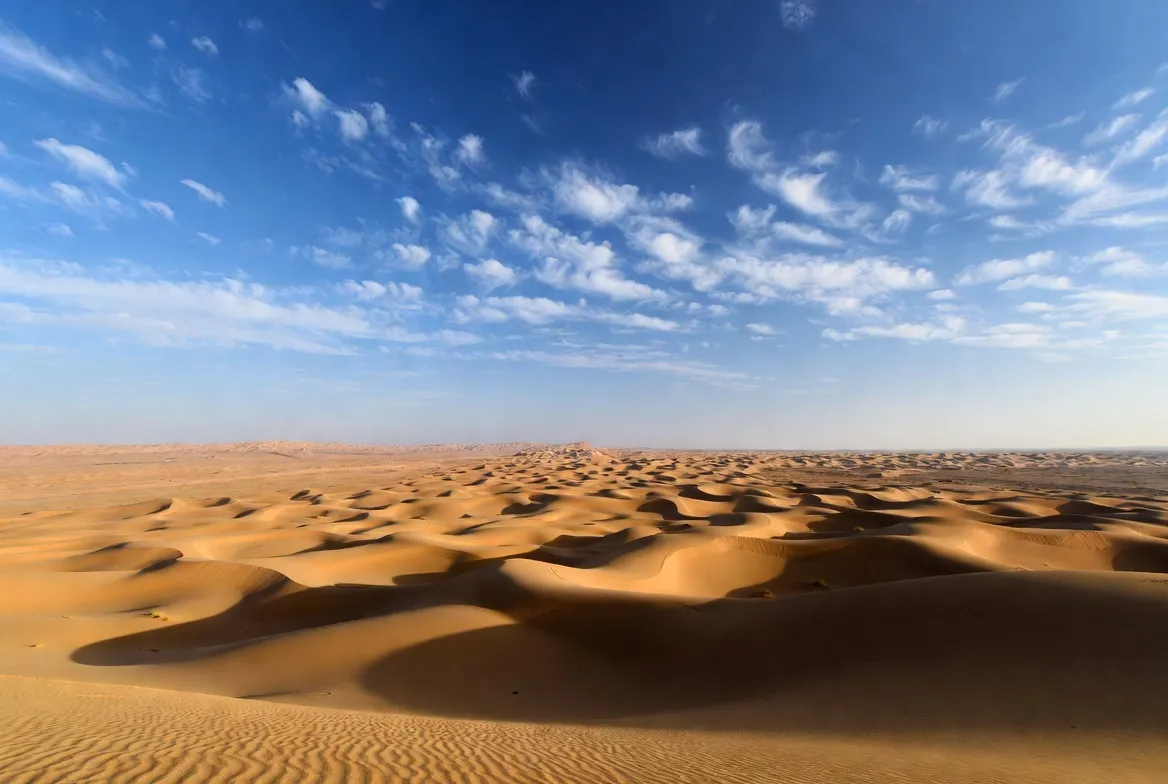
- Sand seas (ergs): massive, undulating dunes; Rubʿ al-Khali is the biggest single sand sea on Earth.
- Sabkhahs (salt flats): flat, shiny expanses that can trap vehicles — deceptively dangerous when wet.
- Gravel plains (regs): stony, compact surfaces that contrast with dunes.
- Wadis: dry riverbeds which occasionally hold pools; often the most biodiverse microhabitats.
- Rock outcrops and escarpments often hold ancient rock art, fossils, and dramatic viewpoints.
Flora — plants that survive here
The desert’s vegetation is sparse but adapted:
- Halophytes: salt-tolerant plants around sabkhahs.
- Acacia and ghaf trees: scattered shade providers and ecological keystones.
- Annuals: quick-lived plants that sprout after rain and vanish with drought.
Plants are fragile — minimize trampling and never remove samples.
Fauna — animals you might spot
- Camels: domesticated and wild varieties are widespread; a cultural staple.
- Reptiles: many lizards, geckos, and snakes are adapted to arid heat.
- Birds: raptors, larks, and migratory species frequent wadis and oases.
- Mammals: small nocturnal mammals and the occasional gazelle; larger species are often secretive.
Most animals are nocturnal or crepuscular — mornings and evenings are your best windows for sightings.
Human history & Bedouin cultures
The desert contains ancient caravan routes, old wells, and tiny settlements. Bedouin communities keep heritage — hospitality, oral storytelling, and traditional crafts. When visiting, be respectful: knock before entering private tents, ask permission before photographing people, and compensate guides fairly. Cultural sensitivity is essential.
Safety & survival tips — what matters most
Desert travel is exhilarating but carries real risks. Keep these top survival rules in mind:
- Vehicle: Use a proper 4×4 for deep desert travel. For extreme dunes (Rubʿ al-Khali), only travel with experts.
- Water: Carry plenty of water — at least 4 L per person per day in hot months; adjust for activity and temperature.
- Communication & plan: Share your route and expected arrival times with someone reliable before you leave.
- Recovery gear: Spare tyres, compressor, shovel, tow rope, traction mats, and a well-maintained jack are essential.
- Sun & cold: Bring high-SPF sunscreen, a wide-brim hat, breathable long sleeves, and warm layers for nights.
- Weather hazards: Flash floods and sandstorms can be lethal. Avoid wadis during rain and watch forecasts.
- Permits & guides: For cross-border or remote travel,l you may need permits and local guides — use reputable operators for the Empty Quarter.
- Medical and emergency: Bring a comprehensive first-aid kit and know basic trauma response. Consider a satellite PLB or communicator for remote trips.
Practical tourism tips: what to do & how to plan
Day trips
Quick, accessible activities include dune driving, sandboarding, short camel rides, and sunset photography. Excellent when time is limited.
Overnight camps
Options range from basic family tents to luxurious desert glamping with ensuite bathrooms and gourmet food. Choose according to budget and conservation values.
Multi-day Rubʿ al-Khali expeditions
These require a registered operator with recovery capacity, permit handling, and emergency contingencies. Expect high logistical complexity and cost.
Astrophotography & stargazing
The best conditions are new-moon nights between November and February with clear skies and little light pollution.
Cultural experiences
Try Bedouin meals, purchase authentic handicrafts, listen to stories, and take tours that directly benefit local communities.
Permits, transport & costs — the basics
- Getting there: Major gateways include Muscat (Oman), Abu Dhabi / Dubai (UAE), Riyadh / Abha / Salalah (Saudi Arabia / Oman).
- Vehicle hire: 4×4 rentals are widely available; confirm whether insurance covers off-road driving — many policies exclude dune damage.
- Permits: Remote or protected areas often require permits; many tour operators include these. Check local rules before travel.
- Costs: Day trips are affordable; multi-day Rubʿ al-Khali expeditions are expensive due to logistics and fuel. Luxury camps command premium rates.
Sample itineraries — copy/paste ready
Below are flexible itineraries. Tweak for weather, vehicle capacity, and local guidance.
Itinerary comparison table
| Days | Region/Route | Highlights | Vehicle | Difficulty |
| 1 | Muscat → Wahiba Sands | Dune drives, sandboarding, sunset | 2WD (transfer) or 4×4 | Easy–Moderate |
| 3 | Wahiba → Wadi Bani Khalid → Jebel Akhdar | Wadi swim, dunes, mountain vistas | 4×4 | Moderate |
| 7 | Muscat → Wahiba → Rubʿ al-Khali (guided) → Salalah | Deep dunes, star camps | 4×4 convoy | Hard |
| 14 | UAE → Oman loop (Liwa → Wahiba → Rubʿ al-Khali edge → Salalah → Muscat) | Multi-country landscapes | 4×4 | Expert/planned |
1: Wahiba Quick Experience
- Morning: Drive from Muscat (2–3 hrs) to Wahiba.
- Afternoon: Short dune walk, sandboarding, camel photos.
- Evening: Camp dinner, stargazing. Return to Muscat or stay overnight.
Tip: Book weekend slots early — they fill fast.
3: Oman Desert Loop
- Day 1: Muscat → Wahiba Sands, catch sunset on dunes, overnight camp.
- Day 2: Wadi Bani Khalid — swim in natural pools; explore the wadi and small villages.
- Day 3: Jebel Akhdar day trip or return via the coastal route to Muscat.
Tip: Best time is Nov–Mar. Carry spare tyres and extra fuel.
7: Empty Quarter Expedition
- Day 1–2: Muscat → Wahiba — vehicle checks and acclimatization.
- Day 3–5: Rubʿ al-Khali — guided convoy, deep dune driving, and star camps.
- Day 6–7: Return via coastal towns; relax in Salalah or Muscat.
Important: Use a registered operator; confirm permits and emergency plans.
Packing checklist
This checklist is designed to be printable and practical.
Water & food
- At least 4 L per person/day in hot months + spare water.
- High-energy snacks: nuts, dried fruit, energy bars.
Sun & heat
- SPF50+ broad-spectrum sunscreen.
- Wide-brim hat and quality sunglasses.
- Lightweight, breathable long-sleeve shirts for sun protection.
Warm & night
- Fleece or a warm jacket for cold nights.
- Windproof outer shell.
Feet & walking
- Sand-proof boots or sturdy closed shoes.
- Gaiters and good socks.
Vehicle & recovery
- Full-size spare tyre(s), jack, and tools.
- Compressor and tyre gauge.
- Traction mats, shovel, and tow rope.
- Extra fuel in approved jerry cans for long distances.
Navigation & comms
- Offline maps and printed route notes.
- Power banks and spare batteries.
- Satellite communicator or PLB for remote travel.
Medical & personal
- Comprehensive first-aid kit, blister care.
- Any prescription medication and personal items.
Extras
- Headlamp, plenty of ziplock bags, and small binoculars.
- Camera + tripod for night photography.
Responsible travel & conservation
- Stay on designated tracks to protect fragile crusts and vegetation.
- Pack out all waste — leave no trace.
- Avoid open fires unless allowed — fires can scar the landscape for decades.
- Ask before photographing people and always respect privacy and cultural norms.
- Support local guides and camps to help sustain livelihoods and local stewardship.
Interesting facts
- Rubʿ al-Khali literally means “Empty Quarter” — it is not empty; it’s full of sand, life, and secrets.
- Wahiba Sands dunes can reach 70–80 m and glow honey-brown at sunrise and sunset.
- Geological and paleoclimate research shows that large parts of Arabia were greener in the past during wetter climatic epochs.
Pros & Cons of visiting the Arabian Desert
Pros
- Monumental dunes and spectacular photo opportunities.
- Fantastic night skies and stargazing options.
- Meaningful cultural encounters with Bedouin communities.
- Range of experiences from budget to luxury.
- Active adventure opportunities: sandboarding, 4×4 traverses, and hiking.
Cons
- Hard logistics for very remote trips.
- Severe heat hazards in the summer months.
- Some areas require permits or convoy travel.
- Fragile environments — tourists can easily cause damage.
- Long distances from medical facilities in remote sectors.
How to pick the right desert experience
| If you want… | Choose this | Why |
| Quick taste | Wahiba Sands day trip | Easy access from Muscat |
| Cultural immersion | Small Bedouin-run camp | Directly supports local families |
| Deep-dune adventure | Guided Rubʿ al-Khali expedition | Requires experienced drivers and logistics |
| Luxury | Liwa resorts or AlUla-style camps | Comfort with desert access |
Environmental issues & conservation
The desert’s seeming emptiness is deceptive — it’s highly fragile. Vegetation, biological soil crusts, and water are all vulnerable. Track proliferation, litter, and unsanctioned camping harm habitats and cultural sites. When tourism grows, support community-led conservation projects and responsible tourism initiatives that protect water, wildlife, and cultural heritage.
FAQs
A: Not always. Many camps are reached by short transfers from the main road, sometimes handled by the camp operator with a 4×4. For deeper incursions into soft sand or long-distance overland travel, a proper 4×4 and an experienced driver are essential.
A: The best window is new-moon nights between November and February: clear skies, cool nights, and limited light pollution make astrophotography ideal.
A: Yes. Avoid driving on fragile crusts and vegetation. Do not remove artifacts or plants. Follow camp rules for fires and waste. Hiring local guides helps support and protect communities and places.
A: No. Rubʿ al-Khali is remote and potentially dangerous. Travel with experienced operators or join a guided convoy that provides recovery gear, permits, and emergency plans.
Photography & stargazing tips
- Use a fast wide-angle lens (low f-number) for the Milky Way.
- Mount your camera on a sturdy tripod for long exposures.
- Plan around the new moon and avoid bright camp lights for night work.
- Shoot golden hour (first and last light) to capture dune textures and rich colors.
Common mistakes first-time visitors make
- Underestimating daytime heat and nocturnal cold.
- Not bringing enough water or spare fuel.
- Attempting to drive deep dunes without experience.
- Leaving rubbish or causing damage to fragile plants and crusts.
- Failing to check permits and local regulations.
Local etiquette — quick rules
- Dress modestly in towns and near communities — light, loose clothing is practical and respectful.
- Remove shoes or show modesty when invited into a home or traditional tent.
- Ask before photographing people; many appreciate being asked first.
- Tip guides and local helpers appropriately — it’s part of customary hospitality.
Example packing list for a 3-day trip
- 12 L of water per person (3 days × 4 L).
- Sunscreen, hat, sunglasses.
- Lightweight shirts and a fleece for nights.
- Closed shoes and gaiters.
- First-aid kit plus personal meds.
- Spare tyre, compressor, and tow rope.
- Satellite communicator or PLB if heading remotely.
Sample day-by-day map notes
- Muscat → Wahiba: 2–3 hours on good roads, then a short track into dunes.
- Wahiba → Wadi Bani Khalid: 1–2 hours depending on chosen track; be cautious after rains for marshy sections.
- Wahiba → Rubʿ al-Khali edge: Longer stretches; plan fuel stops and overnight halts; convoy is recommended.
Conversation-style tips from guides
- “Slow and steady on dunes. Momentum matters more than ferocity.”
- “Lower tyre pressure before soft sand — but know how to re-inflate safely.”
- “Keep one eye on the horizon for sudden dust storms and plan escape routes.”
Safety checklist before you leave
- Service your vehicle and check the spare tyre.
- Confirm water and fuel supplies.
- Load and test recovery gear.
- Share your route with a trusted contact.
- Program emergency contacts and ensure your satellite device has charged batteries.
Useful add-ons
If you’d like extra resources, I can produce:
- A two-page PDF packing checklist formatted for printing.
- GPX route notes for offline navigation covering suggested trails.
- Editable 3-day or 7-day itinerary templates to drop into a trip planner.
Conclusion
With Sensible Planning, cultural respect, and the right kit, the Arabian Desert rewards visitors with unforgettable landscapes, starry skies, and genuine Bedouin hospitality. Use the itineraries and checklists here as your starting point — if you want a printable packing PDF, GPX routes, or a custom itinerary from your chosen start city, tell me the city, and I’ll make them for you.