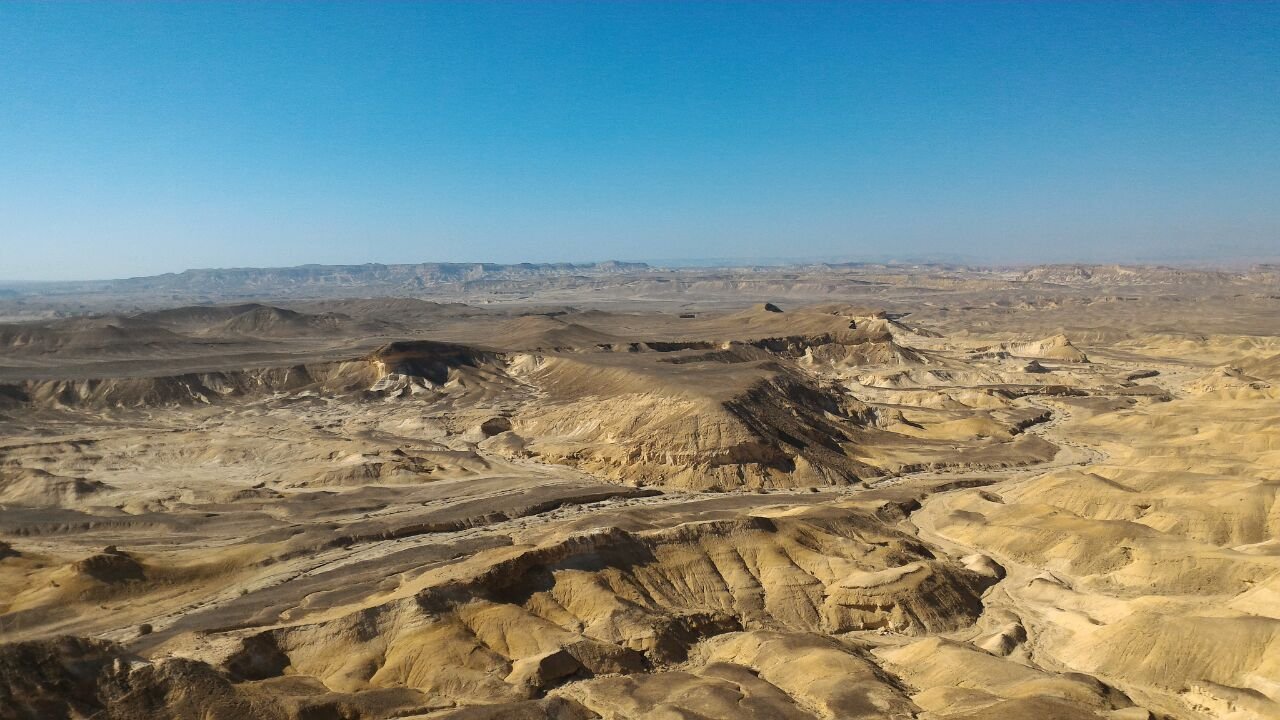
Introduction
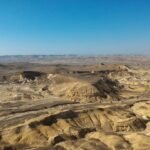
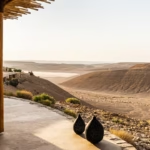
The Israeli Desert is one of the country’s most fascinating regions, combining dramatic landscapes, ancient history, rich wildlife, and living Bedouin culture. Most travelers think first of the Negev Desert, but the wider desert experience also includes the Judean Desert, the Dead Sea area, and the Eilat mountain region. This guide covers the key facts, major attractions, climate, heritage sites, and travel tips you need to understand and explore it well.
Overview of the Israeli Desert
The best way to understand thIsraeliel desert is to think of it as a living geographic system rather than a blank zone on a map. The region is shaped by contrasts. A traveler can move from rocky ridges to deep canyons, from wind-carved basins to spring-fed valleys, from ancient ruins to modern visitor centers, and from silent wilderness to culturally active Bedouin communities. That diversity is what makes the desert so compelling.
The phrase “Israel desert” often works as a broad umbrella term. In practice, people usually mean the Negev Desert first, because it is the largest and most recognizable desert region in the country. But many travel routes also include the Judean Desert, the Dead Sea desert belt, and the Eilat mountain area. Each zone contributes a different visual tone and a different type of experience. Together, they form a much larger desert narrative.
What makes this region especially interesting from an NLP and SEO perspective is the natural semantic overlap. Someone searching for the Israeli desert may also be interested in desert climate, hiking in Israel, desert wildlife, Negev attractions, UNESCO sites in Israel, Bedouin experiences, desert road trips, and ancient Nabatean cities. These are not random keywords; they are closely related entities within the same information cluster.
That is why a strong guide should not stop at basic definitions. It should connect the dots between geography and experience. It should show that the desert is not only a place to see but also a place to understand. It is a region where ecology, history, and travel planning all matter at once.
Where Is the Israel Desert?
The main desert region is the Negev.
When most people say “Israel desert,” they are usually referring to the Negev Desert. This is the principal desert region in southern Israel and the core geographic area for desert travel, archaeology, and nature tourism in the country.
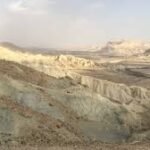
The Negev has a distinctive triangular shape that stretches across the southern part of Israel. It becomes broader toward the north and narrows as it reaches the far south near Eilat. That shape matters because it helps explain why the landscape changes from one area to another. The northern sections can feel more open and transitional, while the southern areas become more rugged, mountainous, and starkly beautiful. Some places emphasize broad horizons; others feature narrow valleys, ridges, craters, and dramatic rock formations.
The Negev is not just a desert in the casual sense. It is a geographic identity. It contains many of the places travelers associate with southern Israel, including erosion basins, wildlife parks, archaeological sites, and desert highways. This makes it the central entity in any serious discussion of the Israeli desert.
Other desert areas in Israel
The broader phrase “Israel desert” can also include nearby arid zones that are technically distinct from the Negev but often part of the same travel and search intent. These areas are important because many visitors do not Experience the desert as one isolated place. They move through multiple desert landscapes on the same itinerary.
Here are the main related areas:
| Desert area | Where it is | What it is known for |
| Negev | Southern Israel | The largest desert region, rich in craters, wildlife, heritage sites, and road-trip routes |
| Dead Sea desert zone | Eastern and southeastern desert belt | Low-elevation scenery, salt-edge landscapes, and oasis-like sites |
| Eilat mountain range | Far south near Eilat | Rugged mountains, red desert scenery, and access to the Red Sea |
| Judean Desert | East of Jerusalem toward the Dead Sea | Cliffs, biblical sites, canyon landscapes, and desert hikes |
This wider interpretation matters because many travel guides and many users searching online are not separating these zones sharply. They are looking for a complete “Israeli desert” experience. That is one reason this topic performs so well as a content cluster: it naturally expands into adjacent entities and related informational needs.
Why the Israeli Desert Matters
The Israeli desert matters for several overlapping reasons. It is not only a natural landscapebutnd it is also a tourist region. It is also a historically significant, culturally meaningful, and ecologically fragile part of the country.
First, it is geographically central to the southern half of Israel. The Negev alone covers a very large area, which means desert land is not some minor edge case in the national map. It is a major part of Israel’s physical identity. Any complete understanding of the country’s terrain must include it.
Second, it carries enormous historical weight. People have lived, traveled, traded, and settled in the desert for thousands of years. Ancient communities developed clever systems for water collection, agriculture, defense, and trade. Their ruins remain in the landscape, making the desert a living archive of human adaptation.
Third, it is highly attractive for tourism. The region appeals to hikers, photographers, road-trippers, history lovers, families, campers, and anyone who enjoys dramatic scenery. It is one of those rare places where geology, ecology, and archaeology all contribute to the visitor experience.
Fourth, it has cultural depth. The Bedouin presence adds another layer to the story of the desert. Hospitality, food, oral tradition, local knowledge, and desert-guiding skills all help shape how the region is experienced today.
In practical terms, the Israeli desert is not simply “dry land.” It is a multi-domain destination with strong informational value, emotional appeal, and travel utility. That is why it deserves a detailed pillar article instead of a thin overview.
Climate and Weather in the Israeli Desert
A dry climate with sharp seasonal contrasts
The Israeli deserthas an arid to semi-arid climate. In simple terms, this means rainfall is limited, humidity is generally low, and temperatures can shift dramatically between day and night. The environment can feel severe, but it is also one of the reasons the desert looks so clear, open, and visually distinct.
As you move southward, conditions generally become drier. In some areas, annual rainfall is quite low, and in places like Eilat, precipitation is especially scarce. That dryness influences everything: the appearance of the land, the kind of plants that can survive, the wildlife that inhabits the region, and the way people plan travel.
Temperature also plays a major role. Summer can be intensely hot, especially in open areas with little shade. By contrast, spring, autumn, and winter often provide much better conditions for outdoor activity. These seasons are easier for walking, hiking, and sightseeing, and they are generally preferred by travelers who want comfort as well as scenery.
Why flash floods matter
One of the most important things to understand about desert weather is that low rainfall does not mean low danger. Flash floods are a real and serious risk in desert valleys, canyons, and dry streambeds. In the desert, a rainfall event can create sudden and powerful water movement because the land is unable to absorb large amounts of water quickly.
This is especially relevant in wadis and narrow canyon systems. A dry-looking channel can transform very quickly after rain upstream. That means hikers, drivers, and campers need to monitor weather conditions carefully before entering canyons or low-lying routes.
This is not just a travel tip. It is part of desert literacy. Anyone visiting Israelirael desert should understand that the landscape is dynamic. It may appear calm and still, but the weather can change the safety profile in a short period of time.
Best time to visit
The most comfortable times to visit the Israeli desert are usually spring, autumn, and winter. During these periods, temperatures are more suitable for hiking, sightseeing, and long drives. The light is often beautiful as well, which makes these seasons especially appealing for photography.
Summer is still possible, but it requires more preparation and more caution. A strong itinerary in summer should involve early starts, lots of water, sun protection, and realistic expectations about distance and heat.
The weather is not just a background detail in the Israeli desert. It is one of the main forces that shshapesitor experience. A successful trip depends on understanding the climate as part of the landscape itself.
Landscape Features of the Israeli Desert
One of the most striking things about the Israeli desert is its diversity. This is not a uniform region. It contains a wide range of landforms, each with a different visual and ecological character.
Craters and erosion basins
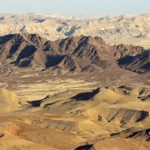
Among the most iconic features are the makhtesh formations, which are crater-like erosion basins associated especially with the Negev. These landforms look volcanic at first glance, but they were not formed by volcanic activity. Instead, they emerged through a long geological process of erosion and natural shaping.
Makhtesh Ramon is the best-known example. It is one of the most dramatic desert formations in Israel and a major reason travelers are drawn to the region. The huge open basin, layered rock, and vast horizon create a sense of scale that is difficult to forget.
Cliffs and canyons
The desert also includes dramatic cliffs and deep canyon systems. These places often feel unexpectedly alive because they may contain water sources, vegetation, and wildlife habitats. A canyon with a spring is very different from an open rocky plain. It becomes a corridor of life in an otherwise dry setting.
En Avdat is a particularly strong example. It combines cliffs, springs, and a narrow canyon environment that makes the desert feel more intimate and more varied. These contrasts are one of the region’s greatest strengths as a travel destination.
Valleys and wadis
Wadis are dry streambeds that only carry water after rain. They are essential to understanding the desert because they shape drainage, erosion, ecological movement, and flood behavior. They are also important travel features, since many hiking routes and scenic drives follow or cross them.
Oases and spring zones
In a dry region, water is the key to everything. Springs and oasis-like spots can support plant growth, attract animals, and enable human settlement. This is one reason so many historic desert sites developed near water. In the desert, even a small flow of water can transform the landscape around it.
Rocks, sand, and mountain scenery
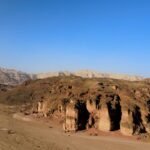
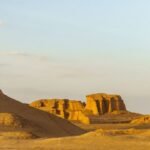
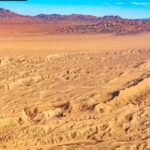
The Israeli desert also includes red rock formations, rough hills, sandy stretches, and rugged mountain views, especially in the far south near Eilat. These landscapes create a strong sense of contrast with the more urban or coastal parts of Israel. They also make the region highly photogenic and particularly well suited to slow travel.
Taken together, these landforms make thIsraeliiel desert much more than “space.” It is a complex visual system with layers of geology, ecology, and human history.
Main Natural Attractions in the Israeli Desert
Makhtesh Ramon
Makhtesh Ramon is one of the top natural attractions in the Israeli deserand oneene of the most recognizable desert landscapes in the country. Its huge scale and unusual formation give it a near-legendary status among travelers, hikers, and geography enthusiasts.
What makes it so special is the combination of natural grandeur and accessibility. It is not merely a distant geological feature. It is a complete landscape that visitors can approach, observe, and explore. Its viewpoints are wide and memorable, its geological profile is distinctive, and its visual identity is immediately tied to the broader Negev environment.
Travelers appreciate Makhtesh Ramon for multiple reasons: the vast openness, the sense of stillness, the educational value, the photographic possibilities, and its usefulness as a major road-trip stop. It is one of the clearest examples of how thIsraeliel desert turns geology into experience.
En Avdat National Park
En Avdat is one of the most memorable canyon environments in the desert because it combines rock, water, and vegetation in a way that feels almost surprising. A spring-fed stream and seasonal water movement create a more vivid ecological setting than many people expect from a desert region.
This park is important not only for its scenery but also for understanding desert survival. It demonstrates how water can concentrate life in narrow zones, turning an otherwise dry area into a place where plants, birds, and other wildlife can thrive. En Avdat also gives visitors an immediate sense of contrast between harsh external conditions and a life-supporting interior habitat.
Avdat
Avdat is one of the major archaeological sites in the desert and a vital piece of the historical story of southern Israel. The site is closely associated with the Nabatean world and with ancient desert trade systems. It shows that desert regions were not just barriers to movement; they were also active cultural and economic spaces.
Visiting Avdat gives people a direct connection to the ingenuity of ancient desert communities. It is one of the best places to understand how human beings adapted to scarce water, challenging terrain, and long-distance trade.
Shivta
Shivta is another important heritage site that helps explain desert settlement and resilience. Like Avdat, it reveals how communities in the Negev worked with the environment rather than against it. These ruins are powerful because they show deliberate planning, water management, and settlement strategy in one of the harshest climate zones in the region.
Timna Park
Timna Park, near Eilat, offers a different but equally compelling desert experience. It combines dramatic scenery with mining history and outdoor activity. The area is known for its copper heritage, unusual rock formations, and broad desert vistas. It gives travelers a chance to see how geology and human industry intersect in one landscape.
The park is especially attractive for visitors who want an active stop: hiking, cycling, photography, and exploration all fit well here. It adds a southern dimension to the Israel desert experience that feels distinct from the central Negev and the Judean zones.
Hai Ramon
Hai Ramon is useful for a different reason: it helps visitors understand the living ecology of the desert. Rather than focusing only on scenery, it provides a closer view of the habitats, plants, and animals that belong to the Negev environment.
This kind of site matters because desert tourism is not only about looking at rocks. It is also about reading the ecological logic of the land. Hai Ramon makes that easier for families, students, and travelers who want a more educational experience.
Flora: Plants of the Israel Desert
The Israeli desert may appear sparse at first glance, but it supports a wide range of plant life that is highly adapted to difficult conditions. The key point is adaptation. Desert plants are not weak versions of ordinary plants. They are specialized organisms designed for survival in a hot, dry, and unpredictable environment.
How desert plants survive
Plants in the desert must deal with low rainfall, strong sunlight, poor soil conditions, heat stress, and limited access to surface water. To survive, many species develop deep root systems, small or narrow leaves, efficient water-storage methods, or rapid growth cycles after rainfall.
Some plants are built for endurance. Others are built for speed. Some bloom quickly after rain and then retreat again into dormant states. Others remain hardy throughout the year. This ecological flexibility is part of what makes the desert so fascinating.
Refuge zones and habitat pockets
Places like Hai Ramon are especially valuable because they show how desert habitats actually function. These protected or interpreted zones help visitors see that the desert is a system of microhabitats, not a single blank background. Rare species, refuge gardens, and managed habitat zones all contribute to conservation and education.
Green pockets in an arid landscape
Not every part of the desert is bare. Springs, shaded cliffs, and canyon floors can create small pockets of vegetation. En Avdat is a good example of this effect. Water reshapes the ecological profile of the area and allows plant life to become more visible and more abundant than in the surrounding open terrain.
This is one of the most beautiful aspects of theIsraelil desert. It proves that life is present even in difficult environments. The landscape is not empty. It is selective.
Fauna: Wildlife of the Israel Desert
The Israeli desert is also home to a surprising variety of animals. These species survive through behavioral, physiological, and ecological adaptation. Many are nocturnal, many are highly mobile, and many depend on cliffs, springs, open ground, or rocky shelters.
Common desert animals
Visitors may encounter or learn about ibex, lizards, snakes, turtles, porcupines, hedgehogs, falcons, sand rats, and vultures. These animals belong to a wider desert ecosystem that depends on heat tolerance, efficient water use, and spatial adaptation.
Wildlife in the desert is often easy to overlook unless you know where to look. But once you understand the habitat structure, you begin to see how active the region really is. Cliffs support ibex and birds of prey. Springs attract more biodiversity. Open spaces favor reptiles and small mammals. Every setting has its own ecological logic. Hi
Hi Ramon, as a wildlife example
Hai Ramon is especially useful for seeing desert species in a more structured way. It helps visitors understand the fauna of the Israeli desert in an interpretive environment where wildlife and habitat can be studied more clearly. This is valuable for education, family travel, and anyone interested in the living systems of the desert.
Birds and desert ecosystems
Birdlife is another major element of the ecological picture. Raptors and other desert-adapted birds often use cliffs, thermal currents, and open hunting areas. For many travelers, seeing birds in the desert is one of the most unexpected rewards of the region. It reinforces the idea that desert landscapes are not lifeless. They are dynamic ecosystems.
The real takeaway is simple: the IsIsraeli deserttooks harsh from a distance, but up close it reveals an unexpectedly rich biological world.
Human History in the Israeli Desert
ThIsraeli deserttrt has a long and layered human history. It was not simply crossed by ancient people; it was inhabited, organized, defended, mined, cultivated, and woven into regional networks of commerce and culture.
Biblical and ancient history
In early periods, the Negev served as a pastoral and transitional landscape. Later, it became more deeply connected to trade and agricultural systems. Even in an environment with scarce water, people found ways to settle, move, and sustain communities. That historical persistence is part of the desert’s identity.
Nabatean cities
One of the most important historical chapters in the Israel desert involves the Nabateans. This desert-based civilization became famous for trade, infrastructure, and water management. The Nabateans built cities and systems that allowed life to flourish in an environment that would otherwise seem hostile.
Important sites from this period include Avdat, Shivta, Mamshit, and Haluza. These places demonstrate a highly developed understanding of the desert. They are not random ruins. They are evidence of a strategic civilization that mastered a difficult environment.
Roman and Byzantine influence
The desert also played a role during the Roman and Byzantine periods. Some settlements expanded, some changed function, and some remained connected to trade or agriculture. This historical continuity shows that the desert was always part of broader regional developments rather than a separate or isolated zone.
Bedouin life
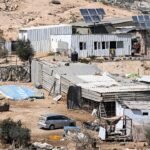
For centuries, Bedouin communities have lived in and moved through the desert. Their traditions, hospitality, oral knowledge, and seasonal practices are part of the living culture of the area. Bedouin identity adds warmth, continuity, and human texture to a landscape that can otherwise appear severe.
The history of thIsraeliel desert is therefore a story of adaptation. It is a story of people making a home in a difficult place, again and again, across many different eras.
UNESCO Sites in the Israeli Desert
One of the strongest signals of the desert’s cultural importance is its UNESCO recognition. UNESCO highlights the region not just for its scenery but for its global heritage significance.
The Incense Route – Desert Cities
The Incense Route – Desert Cities in the Negev is recognized as a major heritage landscape. This route was part of a large trade network that carried valuable goods across long distances, linking Arabia with the Mediterranean world.
The key sites in this UNESCO listing include Haluza, Mamshit, Avdat, and Shivta. These are not merely archaeological remnants. They are part of a broader historical system that shows how trade, geography, and urban planning intersected in the desert.
Why UNESCO matters for travelers
For visitors, UNESCO recognition adds another layer of meaning. It turns a scenic stop into a historical statement. It tells the traveler that the desert is part of world history, not just local geography. It also enriches the user intent around search terms such as “UNESCO sites in Israel,” “Negev heritage,” and “ancient desert cities.”
Bedouin Culture in the Israeli Desert
No serious guide to Israelirael desert is complete without acknowledging Bedouin culture. The region is not only a physical space. It is also a cultural landscape shaped by people who have lived with the desert for generations.
Living Desert Heritage
Bedouin culture contributes hospitality, food, storytelling, guiding knowledge, and an intimate understanding of desert rhythms. This living heritage makes the region feel more human and more layered. It also gives travelers a chance to experience the desert not as an empty backdrop but as a place with social memory and cultural presence.
What travelers may experience
Depending on the area and the type of trip, visitors may encounter traditional meals, camel experiences, tent stays, local guiding, cultural storytelling, and desert hospitality. These experiences are often memorable because they connect the physical environment to lived tradition.
Why this matters
The Bedouin presence adds a major semantic and experiential layer to the Israeli desert. It reminds readers that the region is not only about rocks, canyons, and wildlife. It is also about people, identity, and continuity. That makes the topic richer, more authentic, and more interesting for long-form content.
How to Travel Safely in thIsraelili Desert
The Israeli desert is beautiful, but it also requires thoughtful preparation. Desert travel becomes much more rewarding when it is treated seriously and respectfully.
Main travel challenges
Heat is the first challenge. Sun exposure can be intense, especially in summer and in open terrain with very little shade. Water is another major concern. The dry climate means dehydration can happen faster than many visitors expect. Flash floods are a third issue, especially in wadis and canyon routes during storm conditions. Long driving distances also matter because places that look close on a map can take longer to reach than expected. Limited shade is the final major factor, and it influences everything from hiking comfort to rest stops.
Practical survival tips
A simple desert preparation plan should include enough water, snacks, sun protection, a weather check, good shoes, fuel planning, and a flexible schedule. These are not luxury items. They are practical necessities.
Here is the logic behind them:
Water matters because dehydration is one of the biggest risks in arid terrain. Snacks matter because long drives and hikes require energy. Sun protection matters because ultraviolet exposure is often stronger than people expect. Weather checks matter because flood risk can change quickly. Good shoes matter because trails are often rocky, uneven, or loose underfoot. Fuel planning matters because desert routes can be long and services sparse. A flexible schedule matters because rushing through the desert is rarely the best approach.
Best travel habits
Start early. Avoid risky hiking during rain. Stay on marked trails. Keep extra water in the car. Do not try to see too many attractions in one day. Check park rules and opening times before arrival.
These habits are simple, but they make a large difference. In a place likeIsraelisrael desert, smart planning is part of the experience.
Best Places to Visit in theIsraeli Deserttt
If you are building a route or planning a trip, the following places are among the strongest choices because they show the desert from different angles.
1. Makhtesh Ramon
Best for geology, open views, and the classic desert landscape.
2. En Avdat
Best for canyon scenery, springs, and a more intimate desert experience.
3. Avdat
Best for archaeology, Nabatean history, and UNESCO relevance.
4. Shivta
Best for ancient settlement atmosphere and historical depth.
5. Timna Park
Best for dramatic landscapes, copper heritage, and active exploration.
6. Hai Ramon
Best for learning about desert flora, fauna, and habitat structure.
7. Judean Desert sites
Best for cliffs, biblical landscapes, and dramatic hiking near the Dead Sea.
8. Dead Sea desert zone
Best for low-elevation desert scenery and salt-edge visual contrast.
Together, these places show the full spectrum of thIsraeliel desert experience. They are not duplicates of one another. Each one emphasizes a different layer of the region’s identity.
Sample Israel Desert Road Trip Itinerary
A road trip is one of the best ways to experience the Israeli desert because the region becomes much more meaningful when the journey is allowed to unfold at a slower pace. A rushed visit can miss the subtle transitions that make the desert special.
Day 1: Negev landscape and crater views
Begin near Makhtesh Ramon. Spend time at viewpoints, explore nearby roads, and learn how the geological structure shapes the landscape.
Day 2: Canyon and heritage day
Visit En Avdat in the morning, then continue to Avdat or Shivta in the afternoon. This combination gives you both natural and historical depth in one day.
Day 3: Southern desert and Eilat region
Explore Timna Park and enjoy the more southern desert character near Eilat. This part of the itinerary adds mineral color, mining history, and a different mood to the trip.
This type of route works well because it balances scenery, archaeology, and realistic travel pacing. It also reflects the way people naturally search for desert itineraries online: not as isolated sites, but as connected travel paths.
Pros and Cons
Pros
The desert offers an extraordinary mix of landscapes. It combines nature and history in a way that very few regions can match. It is excellent for road trips, highly photogenic, and particularly rewarding in spring, fall, and winter. It also has strong cultural and archaeological value.
Cons
Summer heat can be intense. Flash floods can create real safety risks. Distances require planning. Some sites may need reservations or timed entry. And in general, the desert is best enjoyed slowly rather than hurriedly.
Interesting Facts About the Israeli Desert
Here are several quick facts that help reinforce the broader picture of the region:
The Negev is the main desert region most people mean when they search for thIsraeliel desert.
The region includes far more than sand; it includes craters, canyons, cliffs, valleys, and mountains.
Makhtesh Ramon is one of the most famous desert landforms in Israel.
The Incense Route connected the desert to major ancient trade networks.
En Avdat includes water-fed canyon scenery that stands out in an arid environment.
Hai Ramon helps visitors understand desert species and habitats in a more guided way.
The desert has both ancient ruins aa nd living Bedouin culture.
The region works as a strong destination for geography, ecology, history, and tourism all at once.
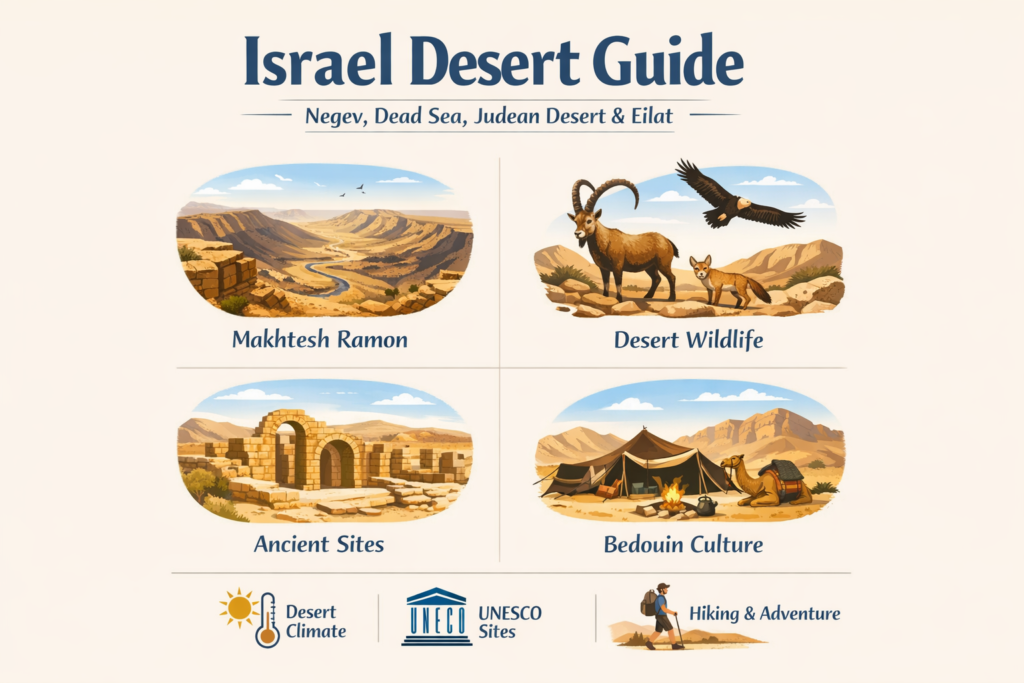
Environmental Issues and Conservation
The Israeli desert is fragile. That means it can be damaged more easily than wetter, more resilient landscapes. Fragility in desert ecosystems is not just a scientific idea; it has practical consequences for tourism, trail use, and long-term preservation.
Why the desert is fragile
Plants grow slowly in arid conditions. Water is limited. Soil can be damaged quickly by heavy foot traffic. Wildlife depends on small and sometimes isolated habitats. Natural recovery can take a long time. Because of that, even small disturbances can have lasting effects.
Conservation priorities
The region needs habitat protection, careful trail use, managed visitor pressure, water protection, species protection, and responsible tourism. These priorities are not optional extras. They are necessary for keeping the desert healthy for both wildlife and future visitors.
Why reservations and park rules matter
Reservation systems and park regulations are often part of a conservation strategy. They help reduce overcrowding, minimize erosion, and protect sensitive environments. They also improve the visitor experience by preventing congestion and maintaining safer conditions.
Flash floods and conservation
Understanding flood risk is part of environmental responsibility, too. When visitors stay out of dangerous channels during storms, both human safety and habitat integrity are protected. In other words, conservation in the Israeli desert is not only about protecting scenery. It is about protecting the entire system.
FAQs
Not exactly. The Negev is the main desert region that people usually mean, but the wider Israel desert also includes the Dead Sea area, the Eilat mountain range, and the Judean Desert.
Makhtesh Ramon is one of the best-known landmarks and is famous for its huge erosion basin and desert scenery.
The best time is usually spring, fall, and winter, when temperatures are more comfortable for outdoor travel.
Yes. It is one of the best road-trip regions in Israel because many major sites can be linked together in one route.
Yes. The region supports desert wildlife, birds, reptiles, and drought-adapted plants. Canyon areas and springs support even more life.
It was home to ancient trade routes, Nabatean cities, Roman-era activity, and Bedouin communities. It is a major cultural and archaeological landscape.
Water, snacks, sun protection, good shoes, a weather check, and a flexible route plan are the basics.
Yes. Dry valleys can flood quickly after rain, so weather checks are very important before hiking.
Conclusion
The Israeli desert is far more than an empty stretch of land. It is a place of canyons, craters, archaeology, wildlife, and deep cultural heritage. Whether you come for hiking, history, or scenic road trips, this desert offers a memorable Experience that reveals a very different side of Israel.