Introduction
Ras Al Khaimah (RAK) has a more authentic desert (arid landscape, dune-scape, sandscape) experience than busier hubs. Imagine blood sand, small villages, and being closer to nature. This guide will be search intent optimized (informational – transactional), and it will be written in the form of clear, structured sections, semantic keywords, and entity-oriented phrases. Therefore, readers and search engines know: what goes, to which solution each available, how realistic pricing is going to appear in 2025, logistics of pickups and transportation, safety and sustainability, photo and gear strategy, and ready-to-use itineraries and checklists. At the end, you shall be at liberty to make the correct tour choice, be confident to review operator pages, and write or book with actionable clarity.
Why choose Desert Safari Ras Al Khaimah?
- Quieter dunes (less crowded, more peaceful, lower density): fewer buses, fewer tour crowds — a calmer experience for photographers and anyone who wants space to breathe.
- Red sand (rich hue, ochre-red grains, photogenic color): RAK’s sands often register as deeper on the red spectrum — great for golden-hour imagery.
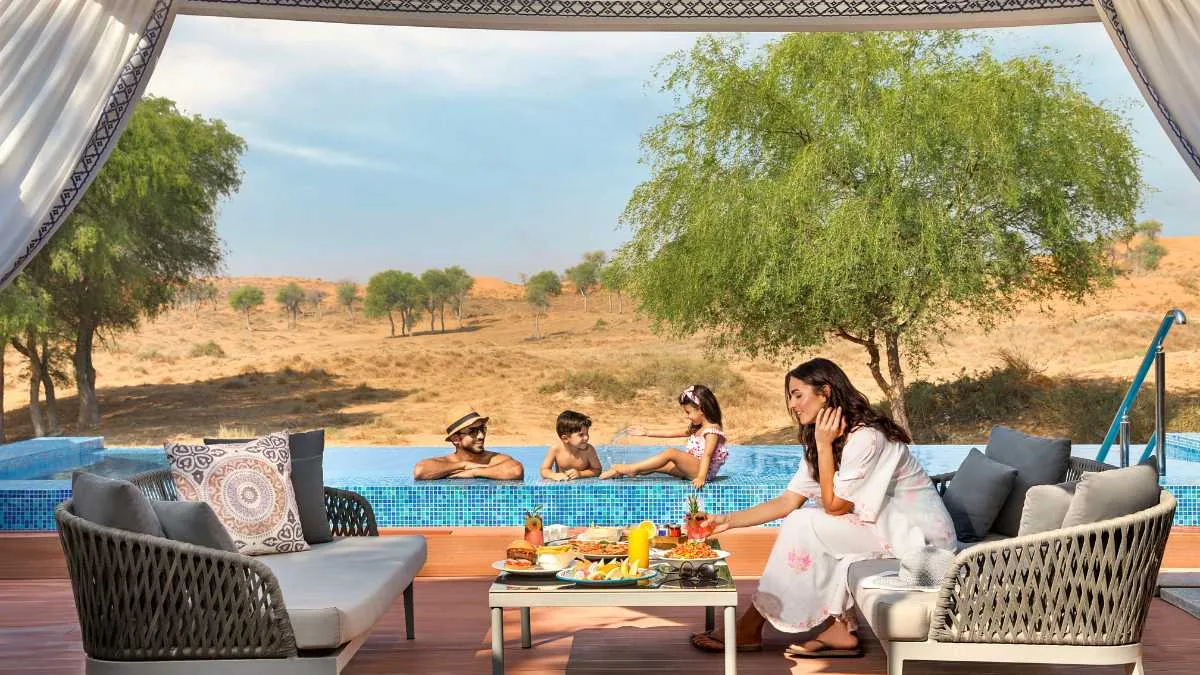
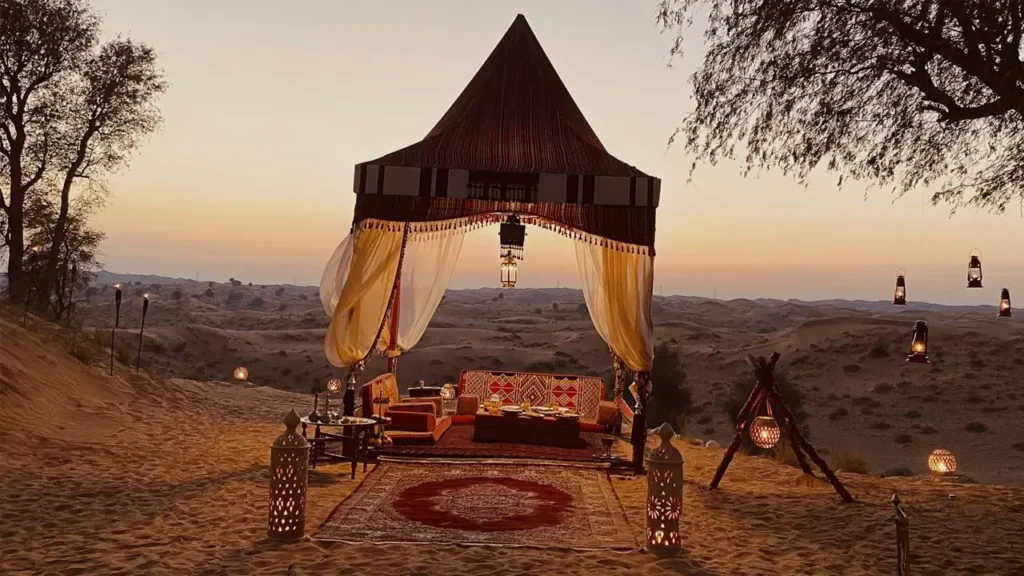
- Real-feel camps (authentic tents, Bedouin-style settings, low-key hospitality): many camps deliberately use traditional styling for atmosphere without the heavy tourism gloss.
- Range of options (budget → luxury, shared → private): from group BBQ evenings to bespoke camps with private chefs.
- Close to Jebel Jais & coastal routes: combine desert with mountain (Jebel Jais) or coast for multi-environment trips.
Quick facts at a glance
- Best season: Late October → March (cool daytime, chilly nights).
- Common activities: dune bashing, sandboarding, camel rides, henna painting, cultural shows (tannoura, belly dance).
- Typical durations: 3–6 hours (day/evening); overnight options > 1 night.
- Price ranges (2025 averages): Budget: $40–$70 | Mid: $70–$150 | Luxury: $150+.
- Pickup zones: RAK hotels (usually included); Dubai pickups often available for a surcharge.
- Accessibility: Sandy terrain can limit wheelchair use — contact operators for specifics.
Location, geography & landscape
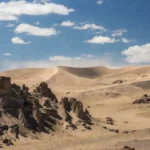
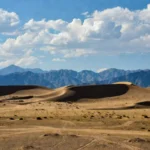
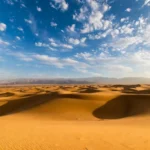
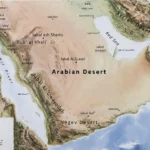
Ras Al Khaimah sits in the northern emirate of the UAE. Its geography includes coastline, inland plains, and the Hajar Mountains inland — Producing a mix of dunes, wadis (dry riverbeds), rocky ridges, and salt flats. Safari zones are typically on the inland side, away from the sea. The sand in RAK (granular surface, particulate terrain, dune-grit) is often redder and finer than in adjacent regions, which affects visual contrast and camera exposure.
Landscape features to note:
- Dunes: from mellow, rolling slopes to steep faces used for adrenaline dune bashing.
- Wadis & dry riverbeds: dramatic topography useful for photography and extended tours.
- Rocky ridges & gravel plains: provide texture; good for combining desert driving with off-road exploration.
- Camp clearings: managed, safe zones where operators set up tents and meal services.
Climate & the best times to visit
- Peak season: Late October — March (cooler and comfortable, ideal for evening safaris and overnight camping).
- Shoulder months: April–May, September–October — mornings and evenings stay usable, midday heat rises.
- Avoid: June–August if possible — extreme temperatures.
- Tactical tip: Book sunrise or sunset safaris for optimal light and temperature control.
Flora & fauna
The desert may appear barren, but it supports life:
- Plants: resilient shrubs, saltbush, small acacia trees, and hardy grasses.
- Birds: occasional larks, wheatears, and migratory visitors.
- Reptiles & mammals: small lizards, geckos, and dawn/dusk-active rodents.
- Insects: beetles and ants — more visible after rare rainfall.
Environmental note: wildlife sightings are sporadic. Responsible operators avoid sensitive zones and minimize overnight noise to protect the local ecosystem.
Human history & cultural context
RAK’s heritage includes coastal fishing, pearl diving, and inland farming. Bedouin traditions shaped desert life — mobile tents, camel travel, and night storytelling. Modern safari camps borrow from these traditions: henna, Arabic coffee (gahwa), camel rides, and cultural dance performances. Respect the culture: always ask before photographing performers or workers and follow camp dress cues.
Types of safaris — what’s on offer & who benefits
Below are the main product types with high-level user personas and typical durations. Use this to match traveler intent to product offer.
Morning Safari
- What you get: sunrise photography window, light dune drive, sandboarding, and a compact nature walk.
- Best for: photographers, early risers, those avoiding midday heat.
- Duration: ~3–4 hours.
Afternoon / Sunset Safari
- What you get: focused dune bashing, sunset photo stop, and camp activities.
- Best for: golden-hour photographers and small groups.
- Duration: 4–6 hours.
Evening Safari (most popular)
- What you get: pickup, dune bashing, sunset, camel rides, henna, sandboarding, BBQ dinner, cultural show.
- Best for: families, first-time visitors.
- Duration: 5–6 hours (including pickup & drop-off).
Overnight Safari
- What you get: private/shared tent, campfire, stargazing, sunrise walk, breakfast.
- Best for: couples, photographers, those seeking immersive slow travel.
- Duration: overnight → next-day noon dropoff.
Private & Luxury Safari
- What you get: private 4×4, premium tents, bespoke food, extras (private sunset, photoshoot).
- Best for: honeymooners, VIPs, and commercial shoots.
Typical evening safari timeline
- Pickup: mid-afternoon (confirm exact time with operator).
- Drive to the dune area: 20–60 minutes, depending on origin.
- Dune bashing: 30–45 minutes of guided off-road 4×4 driving.
- Sunset stop: photo-friendly dune ridge.
- Camp arrival: camel rides, henna, sandboarding.
- BBQ dinner & cultural show: tannoura, belly dance.
- Return transfer: drop-off at hotel — often late evening.
This template represents the majority of evening safaris — variations exist; always confirm the operator’s detailed itinerary.
Realistic Prices (2025 market averages) — actionable money signals
Ballpark per-person ranges:
- Budget shared evening with BBQ: $40–$70.
- Mid-range private or enhanced evening: $70–$150.
- Overnight luxury / private camp: $150+.
Insider tips on pricing:
- Weekday & shoulder-season bookings often cost less.
- Confirm inclusions: pickup, water, soft drinks, dinner, camel rides — these vary.
- Bookings originating from Dubai can include a transfer surcharge.
- Large groups may find private tours more cost-effective per person.
Pickup, transport & meeting points
- Most Operators include RAK hotel pickup; confirm exact time.
- From Dubai: expect 45–90 minutes additional travel time — ask about surcharges.
- For private rentals/villas, choose a hotel or mall as a centralized pickup point.
- Request child seats or wheelchair assistance in advance when needed.
Safety, health & sustainability
Safety
- Dune bashing is adrenaline-driven. Reputable companies use trained drivers, seatbelts, and roll-bar vehicles.
- Always follow the driver and guide safety briefings and instructions.
Health
- Hydration is critical — keep water on hand.
- Use sunscreen, hats, and sunglasses even in cool months.
- If prone to motion sickness, take antiemetic medicine beforehand.
Sustainability
- Prefer operators who avoid fragile vegetation and use designated tracks.
- Reduce single-use plastic: bring refillable bottles.
- Ask about waste handling and whether camps remove their waste.
What to pack — concise, categorized checklist
Essentials
- Light, breathable clothing; warm layer for evening.
- Closed shoes or sturdy sandals.
- Hat, sunglasses, high-SPF sunscreen.
- Refillable water bottle.
- Small backpack and sandproof pouches for electronics.
- Cash for tips and small purchases.
For overnight
- Toiletries, a light sleep layer, or check whether blankets are provided.
- Portable battery pack for phones/cameras.
Photography
- Lens cloth, sealed camera bag, extra batteries, and memory cards.
- Consider protective coverings for tripods and camera bodies.
Photography tips — maximize visual outputs
- Golden hour: sunrise or sunset produces rich hues and long shadows.
- Sand protection: keep gear in sealed bags between shots — sand is abrasive.
- Action shots: Use burst mode for dune bashing photos.
- Scale: include a person or object to show dune magnitude.
- Angles: low-angle shots emphasize dune curves and textures.
- Drone rules: many camps & UAE regulations limit drone usage — check operator rules and UAE law before launching.
Family & accessibility advice
- Many camps welcome children — check age rules and child pricing.
- Sandy terrains hinder wheelchair access; discuss alternatives with operators.
- For group or corporate events, private tours simplify catering and logistics.
How to choose the best operator — trust & conversion checklist
When comparing operators, focus on:
- Recent verified reviews (GetYourGuide, Viator, TripAdvisor).
- Clear inclusions — what exactly is provided and what costs extra.
- Safety statements — vehicle type, driver training, first-aid.
- Local ownership & camp ownership — operators who own camps often yield higher service consistency.
- Sustainability policies — dune protection, waste management.
- Pickup/Drop transparency — avoid surprise fees.
Comparison table — safari types at a glance
| Safari Type | Typical Duration | Main Activities | Typical Price Range (pp) | Best For |
| Morning Safari | 3–4 hours | Sunrise photos, light dune drive, sandboarding | $30–$70 | Photographers, early risers |
| Afternoon / Sunset | 4–6 hours | Dune bashing, sunset stop, and camp activities | $40–$80 | Photo lovers, groups |
| Evening Safari (shared) | 5–6 hours | Dune bashing, camel rides, henna, BBQ | $40–$90 | Families, first-timers |
| Overnight Safari | Overnight | Tented camp, sunrise walk, dinner & breakfast | $100–$250+ | Couples, photographers |
| Private / Luxury | Variable | Private 4×4, luxury camp, bespoke extras | $200+ | Honeymooners, VIPs |
Pros & cons — quick summary
Pros
- Quieter dunes with an authentic-feel camp experience.
- Broad options across price tiers.
- Convenient access from RAK hotels — Dubai pickups available.
Cons
- Summer heat makes activities impractical in midday.
- Accessibility challenges in sandy terrains.
- Pricing inclusions vary; read the small print.
Sample itineraries you can use
Half-day Evening (best for first-timers)
- 3:00 pm — Pickup.
- 4:00 pm — Dune drive & dune bashing (30–45 min).
- 5:00 pm — Sunset photo stop.
- 5:30 pm — Arrive at camp (camel ride, henna, sandboarding).
- 7:30 pm — BBQ dinner & cultural show.
- 9:00 pm — Drop-off.
Overnight Immersion (romantic or photographer-focused)
- Afternoon — Pickup & extended dune exploration.
- Sunset — Private sunset stop & photoshoot.
- Evening — Private tent, dinner, and stargazing.
- Sunrise — Guided sunrise walk and breakfast.
- Late morning — Return transfer.
Interesting local color — micro-stories & sensory cues
- Red sand: the hue gives dramatic sunsets and deeper contrast in photos.
- Gahwa (Arabic coffee): a common welcome ritual, often served with dates.
- Combinations: Many operators pair desert safaris with Jebel Jais mountain trips or coastal mangrove activities.
Survival tips & common challenges
- Motion sickness: take medication before dune bashing; choose seating where you feel most steady.
- Sand protection: seal electronics and clean gear before it enters vehicle interiors.
- Cash vs card: cards are accepted widely, but small cash is helpful for tips and small purchases.
- Timing: book morning or evening tours to avoid midday extremes.
Environmental issues & conservation
- Dune erosion and vegetation damage are real concerns.
- Choose operators who drive on designated tracks and use managed camp areas.
- Ask about waste handling and single-use plastic policies. Travelers can help by carrying refillable bottles and supporting operators with clear conservation measures.
Booking tips
- Compare verified reviews on GetYourGuide & Viator.
- Book weekdays & shoulder season for better prices.
- Confirm inclusions (water, transfers, equipment).
- Check cancellation policies — flexible bookings are useful for weather contingencies.
- Clarify pickup time & meeting point to avoid delays.
How to read a safari listing — buyer’s checklist
Check these in any listing:
- Pickup location & time.
- Total tour duration including transfers.
- Inclusions: food, drinks, gear, transport.
- Minimum age & child rules.
- Accessibility & wheelchair notes.
- Safety & insurance statements.
- Price add-ons (Dubai pickup fee, private tent upgrades, photoshoot costs).
FAQs
A: Evening safaris usually last about 5–6 hours, including pickup and drop-off; morning safaris are shorter (3–4 hours).
A: When performed by trained drivers using proper vehicles and safety procedures, dune bashing is a controlled high-adrenaline activity. Always follow the guide’s instructions.
A: Yes — many operators provide pickup from Dubai but expect extra travel time (often 45–90 minutes) and a possible surcharge. Confirm transfer details at booking.
A: If you like stargazing, quiet dawn light, and a deeper desert feeling, overnight safaris are highly recommended.
A: Light layers, sun protection, closed shoes, a small backpack, and a sandproof bag for electronics. For overnight trips, pack toiletries and a light sleeping layer.
Extra tips from frequent travelers
- Microfiber lens cloth — sand sticks to lenses.
- Phone battery pack — long hours and photos drain batteries.
- Motion sickness tablets for sensitive travelers.
- Keep small tip money for drivers/guides — cash is easiest.
How to make your safari more eco-friendly
- Carry a refillable bottle — say no to single-use plastic.
- Choose operators who use designated routes & remove their waste.
- Avoid disturbing wildlife and plants.
- Support companies with transparent conservation practices.
Conclusion
Desert Safari Ras Al Khaimah offers a genuine desert experience: red dunes, quieter camp nights, and better photo opportunities than busier alternatives. Whether you choose a sunrise morning safari, the classic evening BBQ with dune bashing, or a slow overnight Immersion under the stars, RAK has an option for every taste and budget. Use the checklists, the comparison table, and the sample itineraries in this guide to match traveler intent to the right product. Before you book, verify pickup details, inclusions, and safety policies. Favor operators with recent, positive reviews and clear sustainability practices — and enjoy the desert.