Introduction
Planner-friendly and conversion-ready, this compact guide gives everything you need to plan Atacama Trips from San Pedro or Calama: quick tour picks (Valle de la Luna, El Tatio, Piedras Rojas), mapped 3–7 day itineraries (GPX/KML-ready), realistic price bands, season signals (including the ephemeral desert bloom), altitude and packing advice, and a booking checklist with schema-ready FAQs. Use the comparison table and waypointed GPX files to filter, compare, and book the perfect tour fast.
Quick picks — most popular Atacama Desert tours
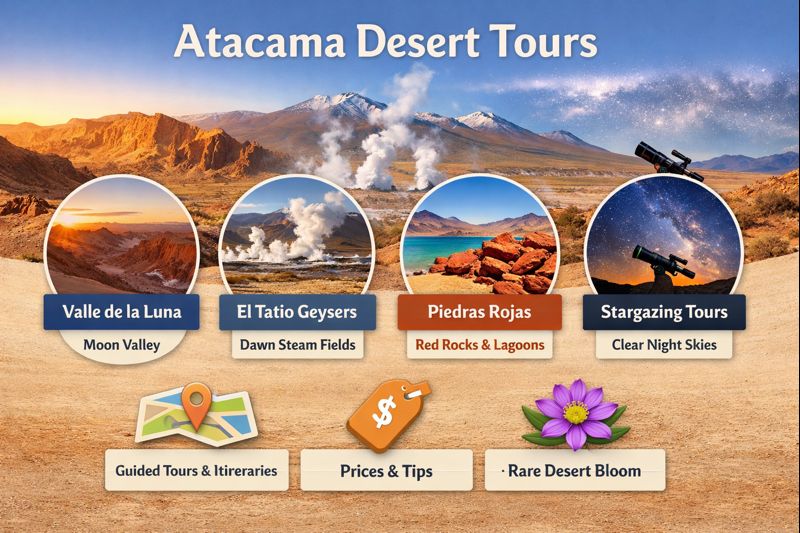
- Valle de la Luna (Moon Valley) — classic late-afternoon sunset tours; lunar-like ridges and salt-pan vistas; great for short visits and photo ops.
- El Tatio Geysers — dawn/early-morning geothermal field; steam plumes and alpine light; requires pre-dawn pickup and altitude readiness.
- Piedras Rojas & Altiplanic Lagoons — full-day, high-elevation photographic circuits with flamingo habitat and red mineral formations.
- Laguna Cejar & Salt Lakes — floating experiences (high salinity), scenic salt panoramas, and shorter half-day tours.
- Stargazing/astronomy tours — small-group evenings with telescopes and astronomy narrations in remote dark-sky zones (often led by local astronomers or trained guides).
Why visit now — seasons, weather & the rare desert bloom
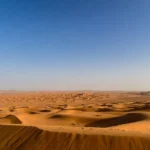
The Atacama is generally accepted as the driest non-polar desert in the world; its dryness provides unbelievably clear skies, low levels of humidity, as well as extreme oscillations in the temperatures between day and night. The vast majority of standard tours (Valle de la Luna, El Tatio, lagoon circuits) are provided throughout the year; the difference lies in the temperature, wind, and the infrequent access by road during the winter season. The average altitude of San Pedro (approximately 2,400 m) ensures that visitors can feel the effects of the altitude mildly without any plans as they arrive.
Desert bloom
Dormant annual seeds (most prominently mallow relations such as Cistanthe longiscapa) may germinate and bloom, giving a spectacular but delicate bloom when abnormal winter rainfall is received over the area. The flowers are uncommon, short, and very Concentrated, and when they come,e they will be fully booked and have a special park regulation. According to recent reports, bloom events last a short time and are extremely sensitive to time and intensity of rainfall, so before traveling, it is necessary to check local park bulletins and national news to get the latest status.
How to choose the right Atacama Desert tour — quick checklist
When selecting a tour, use these binary and scalar filters so your CMS can programmatically rank offers or display facets:
- Objective (categorical): stargazing | geysers_sunrise | high_lagoons | thermal_springs | photography | cultural
- Pickup point (categorical): San_Pedro | Calama (Calama = El Loa Airport, IATA: CJC).
- Fitness & altitude (numeric): min_elevation_m, max_elevation_m, avg_daily_walk_km
- Vehicle/access (categorical): minibus | 4×4 | private | walking
- Group size (numeric): average group size for filter & UX display
- Inclusions (set): {entrance_fees, breakfast, bottled_water, guide_langs, transport}
- Start time (time): useful for El Tatio (commonly 03:30–05:00 depending on season).
- Sustainability flag (boolean): community_run | certified_responsible_operator
- Cancellation & health policy (text): parsed short string for quick UI display
Use these in product cards and comparison widgets so visitors can filter quickly by their constraints (e.g., “I need tours that include oxygen or are community-run”).
Comparison table — popular Atacama Desert tours
| Tour | Duration | Difficulty | Typical start | Price range (shared) | Best for |
| Valle de la Luna (sunset) | 3–4 hrs | Easy | Late afternoon | $30–$60 | Sunset photos, short visit |
| El Tatio Geysers (dawn) | 6–8 hrs | Moderate (cold + altitude) | 03:30–05:00 | $50–$120 | Sunrise geysers, thermal pools. Altitude up to ~4,200 m. |
| Piedras Rojas & Altiplanic Lagoons | Full day | Moderate–Hard | Early morning | $80–$180 | Photography, wildlife, high altitude |
| Lagunas & Salt Lakes (Cejar, Ojos) | 4–6 hrs | Easy–Moderate | Morning/afternoon | $40–$90 | Floating experience, scenic salt panoramas |
| Stargazing (guided) | 2–4 hrs | Easy | Night (after 20:00) | $30–$70 | Telescopes + astronomer; excellent for astrophotography |
Note: Price ranges are approximate and vary by season, operator, inclusions (e.g., breakfast, transport, park fees), and booking channel. Always confirm on booking pages.
Sample itineraries — map + GPX ready
Each sample below is written so you (or your CMS) can quickly export it as structured data, build GPX/KML waypoints, and produce printable PNG offline maps. Include waypoint attributes: latitude, longitude, parking_coords, entrance_point, restroom_nearby, and photo_stops[].
3-Day Fast Intro
1 — Afternoon
- Arrive at San Pedro (acclimatize). Check into accommodation. Short walk, rehydrate.
- Late afternoon: Valle de la Luna sunset viewpoint (capture GPS waypoint for main mirador). Export GPX track with parking waypoint and 15–20 minute walking loop.
2 — Very early
- Pre-dawn: El Tatio Geysers for sunrise steam plumes (pickup times ~03:30–05:00; bring thermal layers and tripod). After geysers, stop at Puritama Hot Springs (relax & warm up). Provide GPX with the transfer route and pool parking waypoint.
3 — Full day
- Piedras Rojas and the high-altitude lagoons (Miscanti & Miñiques) — full-day photo circuit. Ensure GPX includes altitude profiles and rest stops (water points in Toconao or small towns).
GPX tips: Gate the 3-day GPX for email capture or offer a free direct download to build trust. Include readme waypoint metadata: recommended clothing, altitude notes, emergency contact, and nearest clinic coordinates.
5-Day Balanced
- Day 1: Arrival + Valle de la Luna sunset.
- Day 2: Dawn El Tatio → Puritama → Toconao village. (GPX for day includes early pickup point, geyser field parking coords).
- Day 3: High-altitude lagoons (Piedras Rojas, Miscanti & Miñiques) with altitude profile.
- Day 4: Laguna Cejar & Ojos del Salar; evening stargazing with telescopes — mark dark-sky site waypoint and moon_phase metadata for astronomical planning.
- Day 5: Half day for local markets, museums (R.P. Gustavo Le Paige), and shuttle to Calama (El Loa Airport — IATA CJC).
7-Day Deep Dive
- Days 1–4: as a 5-day plan with extra photo evenings and rest.
- Day 5: Astrophotography workshop (time with local astronomer; add astro_meta: seeing, typical seeing FWHM, recommended lenses).
- Days 6–7: Option A — cross-border transfer to Uyuni, Bolivia (logistics + visas; long transfer). Option B — slow travel day exploring artisan ayllus and remote “off the beaten path” waypoints.
Practical planning — getting there, transfers, and timing
Fly in: Most visitors arrive via Calama (El Loa Airport, IATA: CJC); transfer time to San Pedro is typically ~1–1.5 hours by shuttle or private transfer.
From San Pedro: Confirm pickup point with operators — many tours pick up in the town center. Some accommodations outside town require an additional pickup fee. For critical UX: show a small pickup map in the booking widget and a checkbox for pickup_from_accommodation so operators can calculate surcharges.
Transfer tips
- Book shared shuttles ahead for busy dates and bloom events.
- If your flight arrives late or is at risk of delay, consider an overnight in Calama.
- Bring Chilean pesos for cash-only fees, tips, and small purchases. ATMs exist in San Pedro, but can be unreliable during high season.
Altitude, health & safety
Elevation facts
- San Pedro de Atacama: ~2,400 m (7,874 ft).
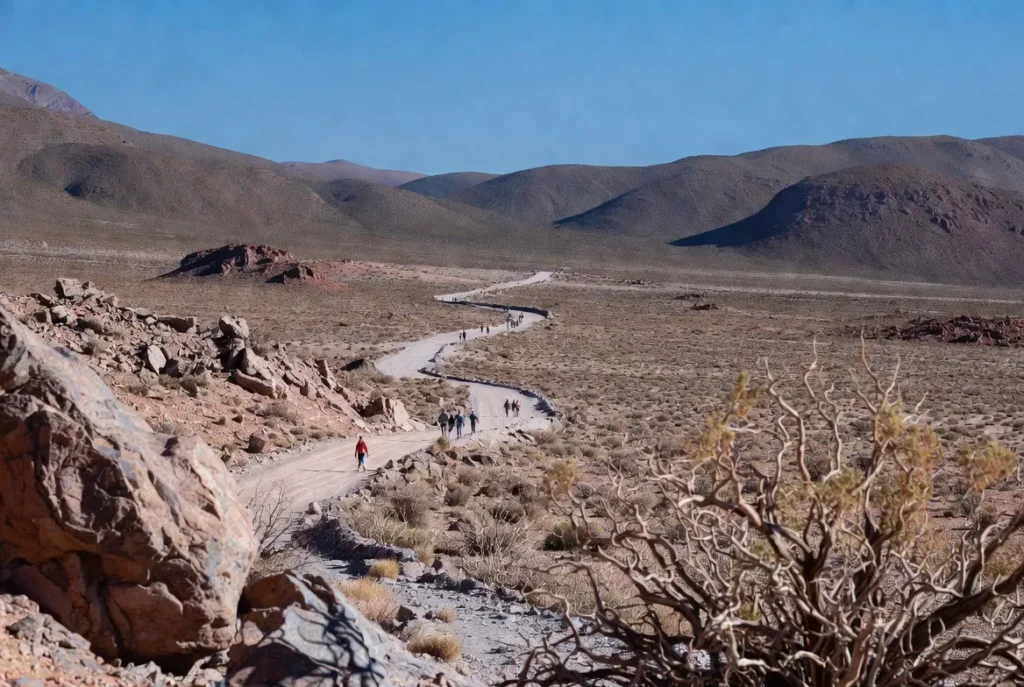
- El Tatio: ~4,200–4,321 m (13,780–14,172 ft) depending on source — prepare for significant altitude change during the same day.
- High lagoons: typically 3,500–4,300 m.
How altitude can feel
- Mild: headache, reduced appetite, difficulty sleeping.
- Moderate: dizziness, nausea, severe headache.
- Severe: shortness of breath, confusion — seek immediate medical help.
Prevention checklist
- Hydrate well before arrival; carry extra water on tours.
- Avoid heavy exercise on day 1; rest and acclimatize.
- Eat light and limit alcohol for 24–48 hours after arrival.
- Consider consulting a physician about acetazolamide (Diamox) if you’ve had past altitude sickness.
- On tour: bring warm layers, a hat, gloves, and a power bank for devices. Many operators carry oxygen and basic first aid — confirm on the booking page.
Packing list — essentials for Atacama Desert tours
(Provide this as a downloadable A4 checklist and as a small printable for the daypack — link it as a CTA.)
Daypack & clothing
- Thermal base layer(s) (top + bottom), mid-layer fleece, windproof & water-resistant shell.
- Warm hat, gloves, scarf/neck gaiter.
- Sturdy hiking shoes or boots + spare socks.
- Sunglasses (UV 400) and SPF 50+ sunscreen.
- Refillable water bottle (many operators provide refills).
- Headlamp for pre-dawn pickups.
Photography & tech
- Camera body + two lenses (wide + telephoto recommended).
- Tripod (critical for dawn geyser and astrophotography).
- Spare batteries (cold drains battery life).
- Power bank and car charger; download GPX/KML to phone & GPS device.
Health & documents
- Personal meds, basic first-aid kit.
- Printed and digital copies of booking confirmations, passport, and insurance.
- Cash (Chilean pesos) for small fees, tips, and snacks.
Flora, fauna, geography & human history
Location & geography
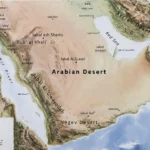
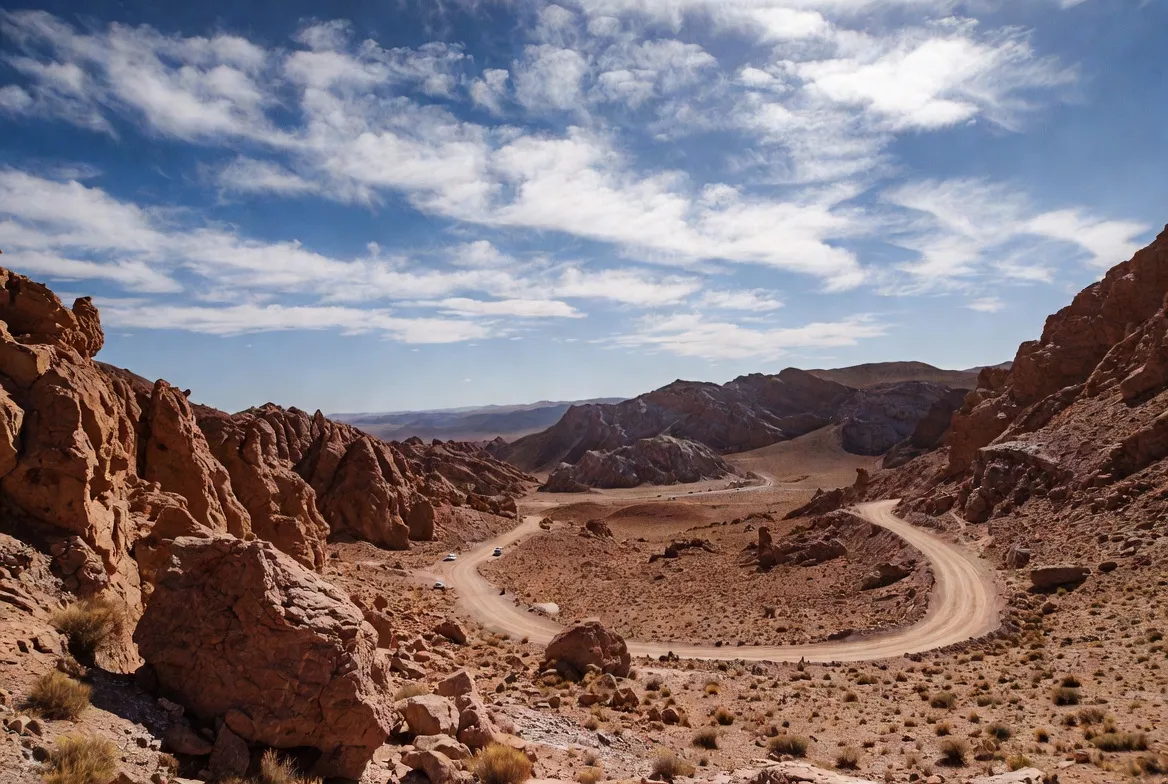
The Atacama stretches along northern Chile between the Pacific and the Andes and is composed of salt flats, volcanic cones, high-altitude plateaus (altiplano), and basins. San Pedro de Atacama serves as the main visitor hub with archaeological and cultural resources.
Landscape features
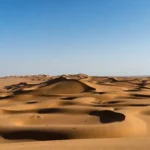
- Valle de la Luna: sculpted clay ridges, dunes, and salt crusts that resemble extraterrestrial terrain (excellent at sunset).
- El Tatio: one of the world’s largest geyser fields, high-elevation geothermal vents, and travertine terraces.
- Piedras Rojas & high lagoons: mineral-stained red rocks and flamingo habitat (sensitive wetlands).
- Salar de Atacama: a major salt flat with lithium brine mining in the region — an environmental topic noted later.
Flora & bloom
Plants are sparse and specialized; the desert bloom (when it occurs) populates the landscape with annuals such as Cistanthe longiscapa and others that capitalize on episodic rainfall. Blooms are ecologically fragile and tend to be protected when present.
Fauna
Expect flamingos, Andean geese, small rodents, foxes, and a variety of hardy arthropods and reptiles in microhabitats.
Human history
The region is home to Andean and Likan-Antai (Atacameño) cultures, with ancient ruins, petroglyphs, and continuing traditions in artisan crafts. Support local communities by buying authentic handicrafts and booking community-run tours.
Booking tips — marketplaces vs local operators
Marketplaces
- Pros: instant booking, customer reviews, price transparency, buyer protection.
- Cons: may not include local-only or custom options; less likely to supply GPX/KML downloads or custom route files.
Local operators
- Pros: often provide customization, local knowledge, and better local economic benefits; more likely to supply GPX/KML or printed maps if requested.
- Cons: may require bank transfers or local payment, land ess instant confirmation.
Best practice: shortlist on marketplaces for vetted reviews, then contact the local operator directly for custom add-ons (GPX maps, alternate pickup points, private guides). Include this workflow as an optional step in your booking funnel.
A step-by-step booking checklist for El Tatio Geysers
- Book the first night in San Pedro to acclimatize.
- Compare 3–5 operators for pickup times, inclusions, and real review snippets.
- Check reviews for actual pickup times (many operators list an ideal time; corroborate with recent reviews).
- Confirm what’s included (breakfast, park fees, guide language).
- Pack warm layers, a tripod, and water.
- Hydrate and rest beforehand; monitor for altitude symptoms post-tour.
Pros & cons
Pros
- Otherworldly landscapes and photography opportunities.
- Exceptional stargazing due to extremely low light pollution (home to world-class observatories).
- Compact base town (San Pedro) enabling multiple-day tours.
Cons
- Altitude challenges and early wakeups for geyser tours.
- Fragile ecosystems during bloom events require responsible behavior.
- Road quality varies; some sites require 4×4 access.
Environmental issues & responsible travel
The Atacama is ecologically sensitive. Follow these guidelines:
- Stay on marked trails and paths; avoid trampling.
- Don’t pick flowers or disturb fauna during bloom events.
- Minimize single-use plastics; carry a refillable bottle.
- Prefer community-run services and operators transparent about local impact (e.g., water use, relations to mining).
- Avoid entering protected wetlands and flamingo breeding grounds.
Example — What to expect on a typical Stargazing tour
- Pickup in San Pedro after dinner (20:00–21:00).
- Short drive to remote dark-sky site, telescope setup, astronomy talk, sometimes hot drink.
- Duration 2–4 hours; return to town after midnight.
- Good for astrophotography and beginners — ask for the moon_phase at booking time.
FAQs
A: Expert-led small group stargazing tours outside San Pedro, often including telescopes and local astronomers, are the top choice. Many operators partner with observatories or local astro-guides and will include a short astronomy talk and telescope viewing.
A: Dawn pickups commonly start between ~3:30 and 5:00 AM; exact times vary by operator and season — always confirm.
A: Yes — Calama (El Loa Airport, IATA: CJC) is the main airport; shared/private transfers to San Pedro take roughly 1–1.5 hours. Many tours can arrange pickup from Calama with prior notice.
A: Blooms are rare and driven by unusual winter rains; timing varies by year and is short-lived. Check park alerts and local news when planning travel.
A: It varies — some tours include entrance fees and breakfast; others charge extra. Read inclusions carefully and ask operators about hidden fees.
Conclusion
The Atacama Needs a strategy, as the GPX/KML downloads of itineraries, comparison widgets, and packing checklists at the bottom of this page will mitigate surprises and maximize conversions. To do so, the gated 3-day GPX lead magnet surface, display the most recent prices, and emphasize sustainability and altitude-safety remarks on the tour cards should be converted into confident bookers.