Introduction
The Thar Desert is far from lifeless — it’s a mosaic of dunes, grasslands and salt pans where specially adapted species from the enormous Great Indian Bustard to tiny burrowing rodents persist against harsh seasons. This concise guide points you to the habitats, species, seasonal windows for sightings, major threats and practical — and ethical — ways you can visit, record observations and support local conservation.
Why the animals of the Thar matter
The Thar may appear vacant to the layperson. The ecological value of fauna is too great, however, despite its relative austerity. Those animals play important functions: grazers and browsers maintain the grasslands in balance; small mammals and insects are the food components in desert food webs, predators and scavengers provide the balance of the population; the migratory animals provide the Thar with links to remote wetlands and flyways. Most significantly, perhaps, flagship species, like the Great Indian Bustard, are ecological indicators; where the bustards are doing well, open grasslands and the complex communities in them are also likely to be in good balance.
The Thar also penetrates the local human cultures and livelihoods. Historical landscapes that support wildlife have been formed by pastoralism, traditional grazing and community stewardship, by such groups as the Bishnoi in Rajasthan. This has the effect of conserving the animals in the Thar and preserving the biodiversity, and maintaining the cultural and economic systems that are used by people.
Location & geography — where is the Thar?
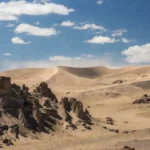
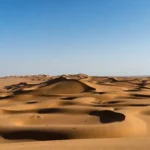
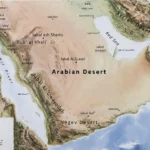
The Thar Desert is one of the major subtropical deserts in the world, as it occupies an area of approximately two hundred thousand square kilometres of the India-Pakistan border. The Thar is located in the Indian state of Rajasthan, and extends into Gujarat, Haryana and Punjab; on the other side of the border, the Thar extends to Sindh and southern Punjab in Pakistan. It is a patchwork of mobile and fixed dunes, interdunal depressions (playas), stony plains, rocky outcrops, salt pans and diffuse patches of grassland. More microhabitats are formed by this patchwork, and thus, even a relatively small area can sustain a pretty variety of species.
Climate & seasons — why timing matters
The climate is arid-semi-arid and highly seasonal. It has low rainfall, with monsoon months being concentrated in the southwest (June-September). The summers are blazing (temperatures often reach 40-50 °C on hot summer days) and nights in the winterare cold (turning close to or even below zero). This boom and lean system of rainfall forms booms between which vegetation growth and the mating season of animals occur, and lean times when the animals depend on stored reserves and adaptive strategies.
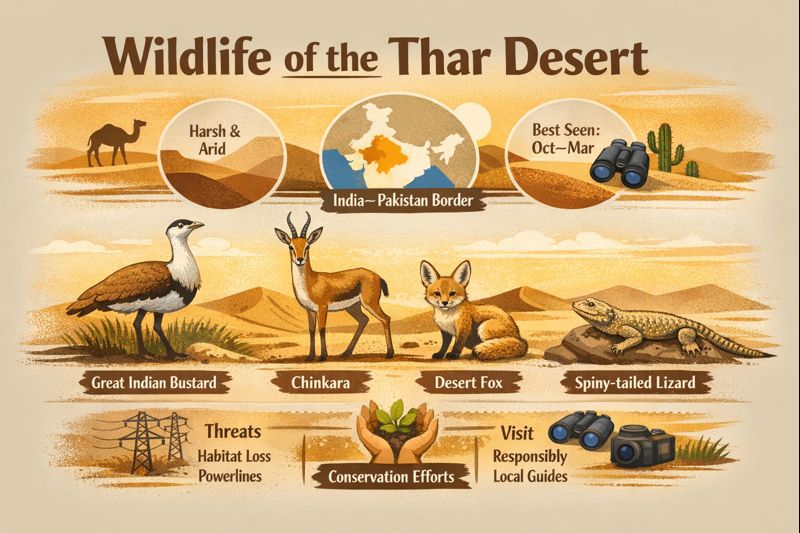
To the visitor/researcher, timing is everything: October-March is cool and the most comfortable month to go in the field, to see wildlife; the post-monsoon season (August-September) is the real trigger to wildlife action, particularly regarding breeding and juvenile sightings. It is not a good time of day to hunt in the middle of summer – animals tend to lie in the shade or in holes.
Main habitats in the Thar
- Dunes (mobile & fixed): Home to burrowing reptiles, rodents (gerbils, jirds), and species that rely on loose sand for digging and thermoregulation.
- Arid grasslands & scrub: Crucial for large ground birds (like the Great Indian Bustard), chinkara, and blackbuck. Open, low-vegetation landscapes are vital for courtship displays and predator detection.
- Playas & interdunal depressions: Temporary wetlands after rain; draw migrating and resident waterbirds and support amphibians and invertebrate booms.
- Rocky outcrops & stony plains: Favour rock-dwelling reptiles and small mammals adapted to crevices and thermally variable substrates.
- Human-managed patches: Village commons, rotational grazing lands and community-protected grasslands can be unexpectedly rich if managed sustainably.
Maintaining open grasslands is especially important: many of the Thar’s larger animals — and its most threatened bird species — depend on expanses of low vegetation for foraging and display.
Flora — a short look
Vegetation consists of thorny shrubs, isolated trees, indigenous grasses and plants tolerant to saline (halophytes) in pools of the sea. The major base of forage is native grasses like Cenchrus and Aristida, and shrubs like Capparis and Calotropis. In upset or cultivated regions, invasive species like Prosopis juliflora (mesquite) may change the structure and lower the open, grassy areas that different types of species, such as the Great Indian Bustard, require.
Fauna — full survey
Below is a practical species table with scientific names, typical habitat, IUCN status (where known) and places to see them.
| Common name | Scientific name | Typical habitat | IUCN status* | Where to see |
| Great Indian Bustard (Godawan) | Ardeotis nigriceps | Open grasslands, arid plains | Critically Endangered. | Desert National Park (DNP) buffer grasslands |
| Chinkara (Indian gazelle) | Gazella bennettii | Scrub, open plains | Least Concern | DNP, buffer zones |
| Blackbuck | Antilope cervicapra | Grassier patches & protected zones | Locally Near Threatened | Protected pockets in Rajasthan |
| Desert fox (Bengal/Indian fox) | Vulpes bengalensis | Dunes, scrub | Least Concern | DNP & surroundings |
| Desert cat | Felis silvestris ornata | Scrub, dunes | Regionally rare/concern | DNP, remote areas |
| Indian wild ass | Equus hemionus | Rann/thick grass edges | Near Threatened | Rann–Thar interface |
| Spiny-tailed lizard (Hardwicke’s) | Saara hardwickii | Sandy plains & dunes | Vulnerable (IUCN) — patchy, locally common. | Jaisalmer, Bikaner, Barmer |
| Sandgrouse (various) | Pterocles spp. | Open arid plains | Varies by species | Waterholes across Thar |
| Raptors & vultures | Eagles, kites, Gyps spp. | Open landscapes & thermals | Several threatened species | Thermals across the region |
| Gerbils & jirds | Various | Burrows in dunes | — | Widespread |
| Small reptiles (geckos, skinks) | Various | Sandy & rocky patches | — | Throughout |
Iconic species — deeper profiles
Great Indian Bustard (Ardeotis nigriceps) — Thar’s flagship
The Great Indian Bustard (GIB) is a heavy, long-legged ground bird that historically ranged across the open drylands of India and Pakistan. It needs large, contiguous stretches of open, low vegetation for feeding and dramatic courtship displays. The species is classified as Critically Endangered and exists today only in tiny, fragmented pockets — the Thar is one of the last strongholds. Conversion of habitat, disruptive and collisional behaviour with overhead powerlines are major threats, and there are scientifically-supported studies and conservation groups which have highlighted powerline mortality as a short-term extinction threat in selected regions. Here, conservation activities are based on the protection and restoration of open grasslands, power line marking or relocation, surveillance and (in a few pilot projects) egg-protection and assisted incubation.
Chinkara
The chinkara is nimble, swift and often the most commonly spotted large herbivore on Thar safaris. It favours scrubby plains and open habitats where it can detect predators and quickly flee. Chinkara populations are relatively stable in some protected areas but are vulnerable to fencing, habitat fragmentation and poaching in unprotected zones.
Blackbuck
Blackbuck prefer grassier pockets and are sensitive to heavy livestock pressure. Where protected grasslands exist — community reserves, some sanctuaries and well-managed protected areas — blackbuck populations can persist and recover.
Spiny-tailed lizard
A strikingly large agamid, Hardwicke’s spiny-tailed lizard is mainly herbivorous, lives in burrows on sandy plains, and is locally abundant in undisturbed patches. Its IUCN status is Vulnerable, and populations face threats from hunting and habitat alteration in parts of its range.
Desert fox and Desert cat
Both are mostly nocturnal and secretive. Your best chance to see these species is at dawn and dusk, or through careful tracking and local guiding. Both benefit from mosaic habitats where den sites and prey populations persist.
Small mammals, reptiles & insects — the understory of desert life
Rodents (gerbils, jirds) and small insectivores are abundant and form the base of many food webs, supporting foxes, cats, raptors and snakes. Reptiles — geckos, skinks, common agamids and the spiny-tailed lizard — are thermally adapted and often most active in mornings and late afternoons. Insects such as grasshoppers and beetles boom after rains, fueling a cascade of breeding and feeding across birds and reptiles.
How Thar animals survive — desert adaptations
Desert life requires multiple strategies:
- Water economy: Many species extract moisture from their food, and physiological adaptations (concentrated urine, efficient kidneys) reduce water loss.
- Behavioural timing: Nocturnality, dawn/dusk activity, and seasonal migration to places with water or food reduce thermal stress.
- Burrowing: Rodents and many lizards avoid heat and predators by digging into the cooler substrata.
- Camouflage & coloration: Pale coats and cryptic patterns reflect heat and blend into sandy and scrubby backgrounds.
- Seasonal breeding: Animals time reproduction to follow the rains, when food and cover increase.
These adaptations are often combined: for example, a fox may be nocturnal (behavioural), rely on concentrated urine (physiological) and take shelter in burrows (structural).
Major threats to Thar wildlife
- Powerlines & energy infrastructure: Exposed, low-contrast powerlines are a major collision risk for large ground birds, especially bustards. Scientific analyses conclude that powerline mortality is among the top threats to the Great Indian Bustard and other large birds in the region.
- Habitat loss & fragmentation: Agricultural expansion, tree plantations in formerly open grassland, fencing and infrastructure shrink the open habitats needed by bustards and grazers.
- Feral/stray dogs: Dogs predate eggs, chicks and even juvenile ungulates, and disease transmission is an added risk.
- Pesticides & poisoning: Secondary poisoning affects raptors and scavengers via poisoned carcasses and contaminated food chains.
- Unsustainable tourism: Off-road driving, night drives and careless approaches near display grounds can reduce breeding success.
- Overgrazing & land-use change: Overstocking and conversion to non-native tree plantations replace native grasses and reduce habitat suitability for open-country specialists.
Conservation responses — what people are doing
A mix of policy, on-ground action and community engagement is in place across the Thar:
- Species-focused programs: State and national initiatives — for example, programs focused on the Great Indian Bustard — prioritize habitat protection, monitoring and local incentives for conservation. Pilot projects such as egg-replacement and captive/incubation trials aim to boost chick survival in critically small populations. Recent pilot programs in Rajasthan (egg replacement with artificial incubation) are an example of pragmatic, closely monitored conservation interventions.
- Powerline mitigation: Rerouting lines away from key habitats, burying critical stretches, and installing visibility markers or diverters on overhead cables reduces collision risk. Research from conservation biology highlights how crucial such interventions are to bustard survival.
- Community stewardship: Traditional groups, such as the Bishnoi, and local communities act as long-standing custodians in many pockets; community-conserved areas are a powerful conservation tool.
- NGO monitoring & research: Tagging, camera traps, population surveys, and citizen science build the information base to guide decisions.
- Policy engagement: Conservationists advocate for biodiversity-sensitive energy planning to reconcile renewable expansion with wildlife protection.
These responses succeed where science, policy and local livelihoods are balanced — and where planners proactively avoid putting new infrastructure into high-value wildlife areas.
Policy tensions & planning issues
The Thar sits at a planning crossroads. Renewable energy (solar and wind) is crucial for climate goals and regional development, but poorly sited transmission and solar parks near critical grasslands increase collision risks and fragment habitat. Conservation groups are now pushing practical rules: avoid overhead transmission in core bustard areas, prefer undergrounding in high-risk corridors, and apply mitigation measures like line marking where overhead lines exist. Evidence-based planning — using species distribution data to steer projects away from sensitive zones — is rapidly becoming a policy priority.
Where to see wildlife in the Thar — a practical guide
Best core sites
- Desert National Park (DNP), Jaisalmer: The single best place to experience Thar wildlife and landscapes. DNP covers over 3,000 km² of desert habitat and contains dunes, salt lakes and scrub — a prime area for chinkara, foxes, desert cats, and seasonal bustard activity.
- Pokhran & buffer grasslands: Historically important for Great Indian Bustard sightings; access sometimes requires coordination with local forest authorities.
- Rann–Thar interface (Rann of Kutch): For Indian wild ass and Rann-adapted species.
- Community-conserved patches: Smaller but high-value areas where village stewardship protects grasslands and invites organized visits.
Best time to visit
- October–March: Cooler, more comfortable, and generally best for birding and mammals.
- Post-monsoon (August–September): Vegetation flush and increased juvenile wildlife sightings — but access may be restricted or dusty.
- Daily windows: Early morning (dawn–midmorning) and late afternoon (3:30 PM–dusk) are top windows for mammals and birds; waterholes are busiest at dawn and dusk.
Practical tips for photographers & naturalists
- Book forest-department guides or trusted local operators who understand seasonal hotspots and sensitive areas.
- Use long lenses (300–600mm) for birds and shy mammals.
- Approach slowly and quietly; never drive across lekking (display) areas or trample nesting microhabitats.
- Respect breeding areas: keep a distance from nests and display grounds, and follow your guide’s instructions.
- Record sightings to citizen science platforms (iNaturalist, eBird) with precise location and date — these data help researchers.
- Carry water, sun protection, and a basic first aid kit; remote zones can have weak mobile coverage.
Responsible tourism pledge — short list
- Use certified, eco-friendly operators.
- Keep to designated roads and tracks; avoid night drives unless run by trained guides.
- Never bait or feed wildlife.
- Don’t pick or remove native plants.
- Carry out all litter and minimize single-use plastics.
- Respect local communities and ask permission before photographing people or livestock.
Survival & safety tips for visitors
- Carry ample drinking water and sun protection; temperatures can be extreme.
- Avoid midday safaris in summer.
- Confirm permits with local forest offices before entering protected zones.
- Use a local guide when possible; they know where to go and how to minimize disturbance.
- If you find an injured animal, contact the local forest department or an established NGO — do not attempt to handle wild animals yourself.
Two helpful tables
1 — Quick species checklist
| Species | Likely habitat | Best time to spot |
| Great Indian Bustard | Open grasslands | Early morning, winter/post-monsoon. |
| Chinkara | Scrub & plains | Dawn/dusk |
| Blackbuck | Grass patches | Morning |
| Desert fox | Dunes & scrub | Dusk/night |
| Spiny-tailed lizard | Sandy plains | Morning |
| Sandgrouse | Waterholes | Dawn |
| Raptors | Thermals & open skies | Winter & migration |
2 — Wildlife viewing options
| Option | Best for | Pros | Cons |
| Desert National Park safari | General wildlife | Well-managed, knowledgeable guides | Busy in peak season |
| Community drives | Cultural + wildlife | Directly supports locals | Variable standards |
| Self-drive (permit) | Flexibility | Freedom to explore | Less local knowledge; risk of disturbance |
Citizen science & volunteering
Citizen science matters: simple records from many observers build datasets that researchers use to track population trends and threats. To contribute: install iNaturalist or eBird, join local birding and naturalist groups, and share well-documented sightings. Volunteer options (habitat restoration, nest protection, monitoring) are often run by NGOs and forest departments — avoid unsupervised activities.
Tourism: attractions & cultural mix
Pair wildlife watching with cultural experiences: Jaisalmer Fort, village crafts, traditional music and eco-lodges. Seek lodges that hire and train local guides, follow sustainable practices, and invest back into community initiatives.
Interesting facts & curiosities
- The Great Indian Bustard is among the heaviest flying birds and performs striking courtship displays.
- Hardwicke’s spiny-tailed lizard is predominantly herbivorous and digs long burrows, an unusual trait among large lizards.
- The Bishnoi community has a long tradition of wildlife protection — their cultural rules have saved species and are a model of community conservation.
FAQs
A: Strict endemics are few, but the Thar hosts species strongly tied to desert life, like the spiny-tailed lizard and many desert-adapted rodents and birds.
A: Yes, but in very small numbers. It is Critically Endangered, so sightings are rare. Conservation programs aim to help recover populations.
A: October–March (cool months) and August–September (post-monsoon) are the best windows.
A: Yes. Contact local NGOs, research institutions or the Rajasthan Forest Department for official programs. Avoid unsupervised volunteering.
A: The Thar does not have big, dangerous predators like tigers. The main concerns are snakes and heat. Use a guide and keep a safe distance.
conluction
The Animals of the Thar are active, resilient parts of a fragile ecosystem whose fate is tied to local people, land use and thoughtful planning. Threats like powerlines, habitat change and feral dogs are urgent, but targeted protection, community stewardship and informed tourism are already helping — visit responsibly, report sightings, and consider supporting proven conservation efforts to keep the Thar’s wildlife thriving.