

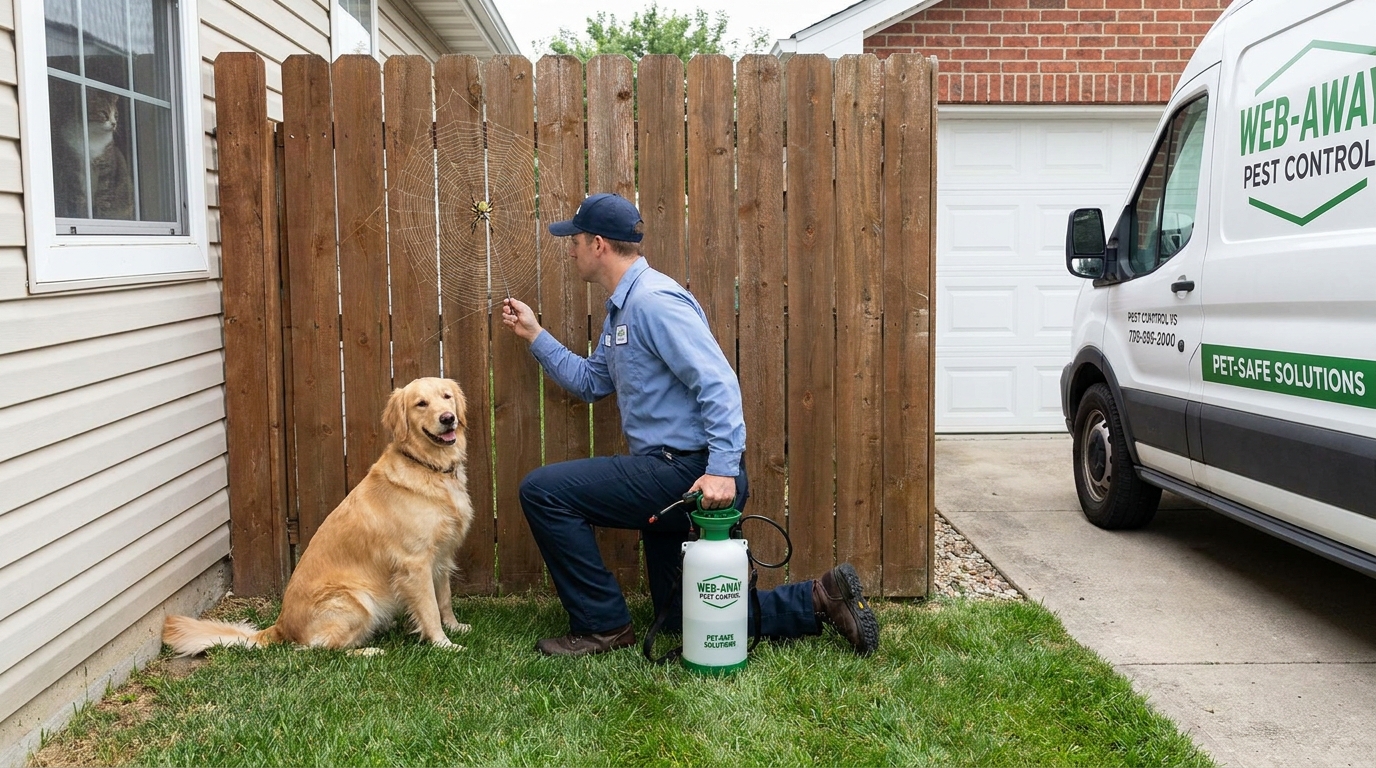
Pets share many of the same spaces, routines, and household environments as the people who care for them. Their comfort and safety therefore depend on more than food and occasional exercise. Flooring, furniture, storage, identification, sleeping areas, cleaning routines, enrichment, and access to potentially dangerous household items can all affect everyday pet care.
A pet-friendly home does not need to be filled with specialized products. The most useful approach is to understand the individual animal’s needs and make practical adjustments that support safety, comfort, activity, and easier daily care. Small changes can often make a significant difference for both pets and owners.
- Start With the Individual Pet
- Create a Dedicated Resting Area
- Choose Pet Beds According to Actual Needs
- Keep Pet Supplies Organized
- Choose Pet Products Carefully
- Check Product Size Before Buying
- Inspect New Products Before Use
- Select Toys According to the Pet’s Behavior
- Supervise New Toys Initially
- Rotate Toys Instead of Keeping Everything Available
- Create Mental Enrichment Opportunities
- Make Feeding Areas Easy to Clean
- Keep Fresh Water Accessible
- Store Pet Food Properly
- Keep Human Food Away From Pets
- Secure Household Chemicals
- Be Careful With Houseplants
- Protect Electrical Cords
- Check Windows and Balconies
- Keep Doors and Gates Secure
- Create a Safe Entryway Routine
- Make Identification a Priority
- Use Pet Tags With Useful Information
- Keep Contact Information Updated
- Consider Multiple Forms of Identification
- Check Collars Regularly
- Choose Flooring With Pets in Mind
- Use Rugs Strategically
- Protect Furniture Without Making the Home Uncomfortable
- Create Appropriate Scratching Areas for Cats
- Give Cats Vertical Space
- Create Clear Dog Rest Zones
- Make Outdoor Areas Pet-Friendly
- Inspect Fences Periodically
- Provide Shade Outdoors
- Avoid Leaving Pets Unattended in Extreme Weather
- Maintain a Grooming Routine
- Introduce Grooming Gradually
- Keep Pet Cleaning Supplies Accessible
- Vacuum According to Household Needs
- Wash Bedding Regularly
- Manage Litter Areas Carefully
- Keep Pet Toileting Areas Consistent
- Consider Older Pets When Arranging the Home
- Reduce Unnecessary Jumping Where Appropriate
- Pay Attention to Changes in Behavior
- Keep Veterinary Information Organized
- Create a Pet Emergency Plan
- Practice Carrier Training
- Keep Leads Near the Exit
- Create Boundaries Between Pets and Children
- Give Pets a Way to Leave Social Situations
- Introduce Visitors Carefully
- Review the Home From the Pet’s Perspective
- Adjust the Home as the Pet Changes
- Buy Less but Choose Better
- Focus on Daily Care Rather Than Perfect Pet Decor
- Create a Home That Works for Pets and People
Start With the Individual Pet
Different animals have different needs depending on species, age, size, health, temperament, and activity level.
A young energetic dog may require more durable flooring and outdoor access, while an older pet may benefit from easier movement, softer resting areas, and fewer obstacles.
Create a Dedicated Resting Area
Pets benefit from having a comfortable place where they can relax without constant interruption.
The ideal location should be away from excessive household traffic while still allowing the animal to feel included in normal family life.
Choose Pet Beds According to Actual Needs
A bed should be large enough for the pet to rest naturally and made from materials appropriate for the animal’s habits and environment.
Washability, durability, temperature, and ease of access may all be more important than appearance.
Keep Pet Supplies Organized
Food, grooming equipment, leashes, medications, toys, cleaning supplies, and other pet items can quickly become scattered throughout the home.
Creating a dedicated storage area makes everyday care easier and reduces the chance of important items being misplaced.
Choose Pet Products Carefully
Pet owners have access to an enormous selection of beds, toys, bowls, grooming tools, carriers, clothing, training accessories, and other products.
People comparing different pet supplies may encounter stores such as Pet Select Shop. Product variety can be useful, but purchases should be based on the animal’s size, behavior, safety requirements, and actual needs rather than novelty alone.
Check Product Size Before Buying
Pet products are rarely truly one-size-fits-all. Collars, harnesses, beds, crates, clothing, and carriers can become uncomfortable or unsafe when sizing is incorrect.
Measure the pet according to the manufacturer’s instructions rather than relying only on general labels such as small, medium, or large.
Inspect New Products Before Use
Before giving a pet a new toy, bed, harness, or other item, inspect it for loose pieces, sharp edges, weak stitching, or other obvious concerns.
Continue checking heavily used products over time because wear can create new hazards.
Select Toys According to the Pet’s Behavior
A toy suitable for one pet may not be appropriate for another. Some animals play gently, while others quickly tear, chew, or dismantle toys.
Consider size, durability, and how the animal typically interacts with objects.
Supervise New Toys Initially
When introducing an unfamiliar toy, observe how the pet uses it.
If pieces begin to break away or the animal attempts to swallow material, remove the toy and choose a more suitable alternative.
Rotate Toys Instead of Keeping Everything Available
Pets may lose interest when every toy remains accessible all the time.
Rotating a smaller selection can make familiar toys feel more interesting while also reducing household clutter.
Create Mental Enrichment Opportunities
Pets need more than passive entertainment. Appropriate puzzle feeders, scent activities, training games, climbing areas, scratching surfaces, or interactive play can provide mental stimulation depending on the animal.
Enrichment should match the pet’s abilities and not create unnecessary frustration.
Make Feeding Areas Easy to Clean
Food and water can create spills, crumbs, and stains around bowls.
Choose a practical location with surfaces that are easy to maintain and enough room for the pet to eat comfortably.
Keep Fresh Water Accessible
Pets should have appropriate access to fresh water according to their needs.
Bowls or drinking equipment should be cleaned regularly and positioned somewhere the animal can reach easily.
Store Pet Food Properly
Pet food should be stored according to manufacturer instructions and protected from moisture, pests, and contamination.
Closing bags properly or using suitable containers can also help reduce household mess.
Keep Human Food Away From Pets
Some foods commonly eaten by people can be harmful to certain pets.
Do not assume that a small amount is safe simply because the animal appears interested. Veterinary guidance is more appropriate when there is uncertainty about a particular food.
Secure Household Chemicals
Cleaning products, automotive fluids, pesticides, medicines, and other chemicals should not be left where pets can reach them.
Closed cabinets or other secure storage can reduce the risk of accidental exposure.
Be Careful With Houseplants
Some decorative plants can be harmful to pets if chewed or eaten.
Before introducing a new plant into a pet-accessible area, determine whether it is appropriate for the species living in the home.
Protect Electrical Cords
Young or curious pets may chew cables or become tangled in loose cords.
Organize cables and keep them away from areas where the animal regularly plays or rests.
Check Windows and Balconies
Open windows and balconies can create risks, particularly for cats or small animals.
Appropriate screens, barriers, and supervision may be necessary depending on the property and pet.
Keep Doors and Gates Secure
A pet can escape quickly through a door or gate left open for only a short period.
Check latches, fences, and entry routines regularly, especially in households with visitors or children.
Create a Safe Entryway Routine
Busy entry areas can be difficult when pets become excited whenever someone arrives or leaves.
Training, gates, barriers, or designated waiting areas can help reduce the risk of accidental escapes.
Make Identification a Priority
Even pets that normally remain indoors can become lost after an open door, damaged fence, travel incident, or unexpected emergency.
Reliable identification can make reunification much easier.
Use Pet Tags With Useful Information
Collar tags provide a simple way for someone who finds a lost pet to identify how to contact the owner.
Owners researching identification accessories may encounter resources such as Pet Tags Pro. Whatever tag is selected, the information should remain readable and current, and the collar or attachment should be appropriate for the individual pet.
Keep Contact Information Updated
A tag with an old telephone number provides little help when a pet goes missing.
Review identification whenever the household moves, changes phone numbers, or makes another relevant contact change.
Consider Multiple Forms of Identification
Depending on the animal and local practices, owners may use both visible identification and another permanent identification method recommended by veterinary professionals.
No single method should create a false sense that escape prevention is no longer necessary.
Check Collars Regularly
Collars can loosen, tighten, become worn, or no longer fit properly as animals grow or change weight.
Inspect fit and condition regularly and replace damaged components when necessary.
Choose Flooring With Pets in Mind
Flooring can influence traction, cleaning, comfort, and long-term maintenance.
Very slippery surfaces may be difficult for some animals, particularly older pets or those with mobility problems.
Use Rugs Strategically
Washable rugs or runners can provide traction and protect high-use areas.
Make sure they are positioned securely so they do not slide when the pet runs or changes direction.
Protect Furniture Without Making the Home Uncomfortable
Pet-friendly furniture choices may include washable covers, durable fabrics, and surfaces that are easier to clean.
The goal does not need to be eliminating every sign that a pet lives in the home. Practical materials simply make routine maintenance easier.
Create Appropriate Scratching Areas for Cats
Scratching is a normal feline behavior rather than simply an attempt to damage furniture.
Providing suitable scratching surfaces near areas the cat naturally uses can help redirect the behavior.
Give Cats Vertical Space
Many cats enjoy elevated areas that provide observation and distance from household activity.
Stable cat trees, shelves, or other appropriate climbing structures can increase usable space without requiring a larger home.
Create Clear Dog Rest Zones
Dogs can benefit from having a predictable resting location, especially in busy households.
This space should be respected rather than used as somewhere children or visitors continually disturb the dog.
Make Outdoor Areas Pet-Friendly
Backyards can provide useful exercise and enrichment, but fencing, plants, tools, chemicals, pools, and outdoor equipment should all be considered.
A fenced garden is not automatically safe if gates are weak or hazardous materials remain accessible.
Inspect Fences Periodically
Weather, digging, vegetation, and normal wear can create gaps or weak areas over time.
Regular inspections can identify escape points before the pet discovers them.
Provide Shade Outdoors
Pets spending time outside need protection from excessive heat and weather.
Outdoor access should be adjusted according to temperature, conditions, species, age, and health.
Avoid Leaving Pets Unattended in Extreme Weather
Hot or cold conditions can become dangerous faster than owners expect.
Bring pets into a suitable environment when outdoor conditions are not appropriate.
Maintain a Grooming Routine
Grooming needs vary by species, breed, coat type, lifestyle, and individual health.
Regular brushing, nail care, ear checks, and other appropriate maintenance can also give owners opportunities to notice changes in skin, coat, or body condition.
Introduce Grooming Gradually
Animals may become stressed when grooming begins suddenly or involves unfamiliar handling.
Short, calm sessions can help pets become more comfortable with routine care.
Keep Pet Cleaning Supplies Accessible
Accidents, muddy paws, shedding, and spilled food are normal parts of pet ownership.
Keeping suitable cleaning supplies in convenient locations makes it easier to handle small messes before they spread.
Vacuum According to Household Needs
Homes with shedding animals may need more frequent floor and upholstery cleaning.
A short maintenance routine several times a week can sometimes be easier than waiting for large amounts of hair to accumulate.
Wash Bedding Regularly
Pet beds, blankets, and washable covers can collect hair, dirt, and odors.
Follow material instructions and maintain a cleaning schedule appropriate to how heavily the items are used.
Manage Litter Areas Carefully
Cat litter areas should be accessible to the cat while remaining practical to clean.
Regular maintenance can help reduce odor and may also make it easier to notice changes in elimination habits.
Keep Pet Toileting Areas Consistent
Predictable locations and routines can make house training and general hygiene easier.
Major changes should be introduced gradually when possible, particularly for animals that depend heavily on established routines.
Consider Older Pets When Arranging the Home
Senior animals may find stairs, slippery floors, high furniture, or distant food and water areas more difficult than they once did.
Small environmental adjustments can make daily movement easier.
Reduce Unnecessary Jumping Where Appropriate
Ramps, steps, lower resting places, or rearranged furniture may help certain older or mobility-limited pets access preferred areas more comfortably.
Individual medical needs should be discussed with a veterinarian.
Pay Attention to Changes in Behavior
A pet that suddenly avoids stairs, stops jumping, becomes unusually quiet, or changes normal habits may be experiencing discomfort or another health issue.
Persistent changes deserve veterinary assessment rather than being assumed to be simple aging or stubborn behavior.
Keep Veterinary Information Organized
Vaccination records, medication details, medical history, identification information, and veterinary contact numbers should be easy to locate.
This becomes especially useful during emergencies, travel, boarding, or visits to an unfamiliar clinic.
Create a Pet Emergency Plan
Household emergency planning should include pets. Owners should consider carriers, leads, medications, food, identification, and where animals could stay if temporary evacuation becomes necessary.
Keeping these items organized can reduce confusion during unexpected situations.
Practice Carrier Training
Animals that only see a carrier immediately before a stressful veterinary visit may become difficult to load.
Allowing a carrier to remain part of the normal environment and introducing it gradually can make transportation easier.
Keep Leads Near the Exit
In an emergency, searching through cupboards for a leash or harness wastes valuable time.
Store essential walking and evacuation equipment in a consistent, accessible location.
Create Boundaries Between Pets and Children
Children and pets can have positive relationships, but supervision and clear household rules remain important.
Teach children to respect sleeping, eating, and resting animals and avoid rough or intrusive interaction.
Give Pets a Way to Leave Social Situations
Animals should not be forced to remain in constant interaction with guests or family members.
A quiet room, crate where appropriately trained, elevated cat area, or separate space can provide relief when the household becomes busy.
Introduce Visitors Carefully
Some pets enjoy visitors while others become anxious or overly excited.
Manage greetings according to the individual animal rather than expecting the pet to interact with everyone immediately.
Review the Home From the Pet’s Perspective
People often notice hazards at their own eye level while overlooking objects accessible to pets closer to the floor.
Look for food, cords, chemicals, small objects, open bins, loose medication, sharp items, or other hazards the animal could reach.
Adjust the Home as the Pet Changes
A home arrangement suitable for a puppy or kitten may not remain ideal for an adult or senior pet.
Review feeding areas, bedding, identification, barriers, and accessibility as the animal grows and ages.
Buy Less but Choose Better
Pet ownership can encourage constant purchasing, but animals do not necessarily need large collections of accessories.
Durable, appropriate, frequently used products often provide more value than numerous items that quickly become clutter.
Focus on Daily Care Rather Than Perfect Pet Decor
A beautifully designed pet corner has limited value if the animal does not find it comfortable or useful.
Prioritize health, safety, enrichment, identification, cleanliness, and companionship before aesthetic details.
Create a Home That Works for Pets and People
A pet-friendly home does not need to sacrifice comfort, cleanliness, or practical design. It simply needs to account for the fact that animals interact with spaces differently from people.
By providing appropriate resting areas, organizing supplies, choosing safe products, maintaining clear identification, securing household hazards, and adapting the environment as pets age, owners can create homes that support safer and more comfortable everyday living. The best pet-friendly environment is one where both animals and people can follow their normal routines with less stress and fewer avoidable risks.