
Introduction
Securing a flawless desert getaway frequently demands a counterproductive compromise from discerning travelers. The Westin Desert Willow Villas, positioned in the heart of Palm Desert, California, bridges this systemic hospitality gap through an advanced, consumer-focused design.
This resort operates under a vacation-ownership model while remaining fully accessible for standard nightly transient bookings. It offers spacious, condominium-style accommodations with the high-touch, reliable infrastructure of an international luxury brand.
Whether orchestrating an energetic multi-generational family holiday, a strategic corporate retreat, or an extended wellness escape under the Southern California sun, navigating this property requires deep operational awareness. This definitive reference material bypasses generic travel generalities to dissect the granular layout blueprints, structural nuances, environmental variables, and strict operational guidelines that define this premier desert destination.
- Spatial Coordinates, Geographic Alignment, and Landscape Topology
- Topological Strata and Alluvial Dynamics
- Climatological Blueprints and Meteorological Behaviors
- The Thermodynamics of Dry Heat
- Botanical Ecosystems and Indigenous Zoological Taxonomy
- Flora
- Fauna
- Anthropological Context and Mid-Century Modern Evolution
- Architectural Taxonomy
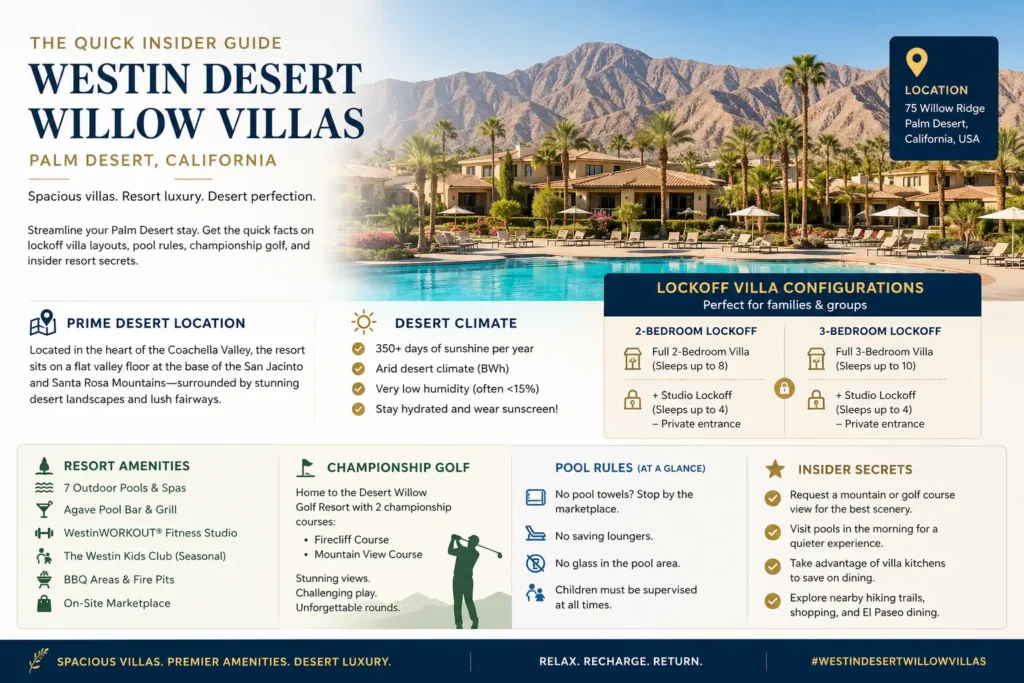
- Bedroom Small Villa
- Bedroom Premium Villa
- Bedroom Lockoff Villa
- Deep-Dive Configuration Comparison
- Aquatic Complexes, Pool Regulations, and Safety Standards
- The Mirage Pool Deck
- Critical Safety Enforcement Notice
- The Quiet Pool and Ironwood Pool
- Championship Golf Frameworks and Agronomic Standards
- The Firecliff Course
- The Mountain View Course
- Turf Agronomy and Seasonal Overseeding
- Operational Protocols and Essential Guest Logistics
- Cashless Operations
- Strict No-Pet Policy
- Zero Hidden Resort Fees
- Safety Protocols and Arid Environment Survival Strategies
- Regional Attractions and Nearby Travel Excursions
- Sustainability Initiatives and Environmental Conservation
- Pros & Cons
- Pros
- Cons
- FAQs
- Conclusion
Spatial Coordinates, Geographic Alignment, and Landscape Topology
From a macro-environmental perspective, this valley floor constitutes an inverted-altitude landform nestled inside the Colorado Desert subsystem, which serves as the northwestern sub-region of the expansive, biodiverse Sonoran Desert ecosystem.
This geological configuration places the property on a flat valley floor flanked by the formidable San Jacinto Mountain block to the west and the rugged Santa Rosa Mountain range to the south. This striking positioning yields immense visual variance: meticulously maintained, emerald-green bentgrass and bermudagrass fairways sit in direct opposition to the stark, pale-ochre alluvial foothills of the adjacent ranges.
Topological Strata and Alluvial Dynamics
The immediate foundational substrate of the resort occupies a leveled basin, but the surrounding structural geology showcases dynamic tectonic processes. Over millions of years, episodic storm events down the mountain canyons have deposited massive alluvial fans—triangular-shaped debris tongues composed of unsorted sand, gravel, and heavy granitic boulders that project outward into the valley.
Further outward toward the center of the sink, these sediments transition into highly consolidated clay pans, paleolake beds left behind by the ancient Lake Cahuilla, and wind-scoured sandstone geological formations. This natural structural makeup means that within a short distance of the property’s manicured perimeter, the topography changes radically from engineered turf into deep desert arroyos, steep rocky gorges, and fragile badlands continuously altered by localized flash floods and the ongoing seismic creep of the San Andreas Fault network.
Climatological Blueprints and Meteorological Behaviors
The region is characterized by extreme thermal variations between seasonal cycles and dictating daily guest behavior.
The Thermodynamics of Dry Heat
Because ambient relative humidity levels routinely drop below 15%—and can plummet to single digits during late spring and early autumn—the atmosphere possesses an intense evaporative capacity. This dry heat accelerates moisture loss from the human body.
This physiological mechanism can mask rapid dehydration, as individuals frequently fail to notice how much water their bodies are losing. Consequently, visitors must increase their daily fluid consumption significantly beyond standard baselines to maintain physical equilibrium during outdoor activities.
Botanical Ecosystems and Indigenous Zoological Taxonomy
Despite the challenging environmental conditions, the territory surrounding the resort and the interwoven golf fairways contains a resilient collection of native flora and drought-tolerant xeriscaping.
Flora
- Desert Willow (Chilopsis linearis): The structural namesake of the resort asset. This hardy, deciduous shrub-tree features narrow, linear leaves designed to minimize surface area transpirational water loss. During the peak summer heat, it produces showy, two-lipped, orchid-like pink and lavender blossoms that attract native pollinators.
- California Fan Palm (Washingtonia filifera): The only palm tree species genuinely native to the Western North American continent. Characterized by its robust, column-like trunk, it naturally retains a dense shroud of older, dried fronds that drape down beneath the living green canopy, providing vital micro-habitats for birds and small rodents.
- Creosote Bush (Larrea tridentata): A dominant, long-lived evergreen shrub that anchors the surrounding natural desert flats. Its waxy leaves produce a specialized mixture of volatile oils that reduce water loss. When exposed to rainfall, these compounds release a sharp, earthy, distinct fragrance that defines the Sensory experience of the American Southwest.
- Cacti and Succulents: The master-planned grounds feature carefully curated clusters of beavertail cactus (Opuntia basilaris), barrel cactus (Ferocactus cylindraceus), and jumping cholla (Cylindropuntia fulgida), interspersed with structural agaves and striking ocotillos (Fouquieria splendens). The ocotillo appears as a collection of dead, thorny canes until localized rainfall triggers a rapid transformation, covering the stalks with vibrant green leaves and terminal clusters of bright red flowers.
Fauna
The immediate eco-zone supports an array of wildlife species exhibiting specialized physiological and behavioral adaptations for surviving in an arid climate:
- Avian Species: The resort grounds provide a habitat for the Greater Roadrunner (Geococcyx californianus), a swift ground-dwelling cuckoo that preys on insects and small reptiles. Guests will routinely observe family groups of Gambel’s Quail (Callipepla gambelii) navigating the lower desert shrubs, alongside multiple species of hummingbirds feeding on flowering aloes.
- Mammalian Species: While desert bighorn sheep (Ovis canadensis nelsoni) remain largely confined to the high rocky ledges of the Santa Rosa range, the valley floor accommodates nocturnal mammals. Black-tailed jackrabbits (Lepus californicus) use their oversized, highly vascularized ears to radiate excess body heat, while desert cottontails (Sylvilagus audubonii) and coyotes (Canis latrans) become active during twilight and nighttime hours.
- Reptilian Species: In the wild, undeveloped desert spaces outside the resort perimeter, native sidewinder rattlesnakes (Crotalus cerastes), desert scorpions (Hadrurus arizonensis), and desert tarantulas (Aphonopelma chalcodes) are present. These creatures avoid human interaction but require careful attention when hiking natural trails.
Anthropological Context and Mid-Century Modern Evolution
Long before modern wellness resorts and master-planned fairways altered the landscape, this arid basin was the ancestral domain of the Desert Cahuilla Indians. For generations, the Cahuilla operated sophisticated water-extraction techniques, excavating walk-in water shafts down to 30 feet into the sandy valley floor to secure clean water sources. They gathered nutrient-rich mesquite pods from native trees and harvested palm fruit, developing a deep understanding of the natural environment that allowed them to build complex social structures in a challenging landscape.
During the mid-20th century, the broader Palm Springs and Palm Desert area underwent a rapid cultural evolution. The region quickly became a preferred winter retreat for Hollywood elite, politicians, and industrial leaders. This influx of capital fueled an architectural boom, establishing the Coachella Valley as a global destination for Mid-Century Modern design. This style emphasized clean horizontal lines, expansive glass walls, and a seamless integration between indoor living spaces and the surrounding landscape. These modern resorts carry forward this design legacy, matching contemporary architectural standards with the natural colors and open spatial patterns of the desert.
Architectural Taxonomy
The most frequent source of confusion for incoming guests revolves around room classifications and structural floor plans. Standard online booking platforms often use generic terminology like “1-Bedroom Suite” or “2-Bedroom Condo” without explaining the core structural feature of the resort: the Lockoff Villa configuration.
The resort buildings utilize an adaptable architectural blueprint. This system creates two distinct units: the 1-Bedroom Premium Villa and the 1-Bedroom Small Villa.
When coordinating reservations, understanding the exact floor plans, appliance setups, and square footage variants is critical to aligning your choice with your party’s needs.
Bedroom Small Villa
This layout operates efficiently, mimicking a high-end studio or junior suite. It features a private master bedroom equipped with a plush king-sized Westin Heavenly® Bed, a separate living room with a queen-sized sleeper sofa, and a stacked washer and dryer unit behind folding doors.
- The Culinary Setup: This unit houses a Kitchenette. This setup features a flush-mounted, glass two-burner cooktop, a multi-function microwave convection oven, a full-sized refrigerator with an integrated icemaker, an under-counter dishwasher, a toaster, a blender, and complete dinnerware settings. Crucial Operational Limitation: This unit does not contain a conventional full-sized range or standard thermal baking oven.
Bedroom Premium Villa
The Premium floorplan offers a spacious, open-concept design that provides a premium residential feel. It includes an expansive living room centered around an integrated electric fireplace, a separate dining area, an in-unit full-sized laundry station, and a large master bathroom featuring a standalone jetted whirlpool tub and a separate glass walk-in shower.
- The Culinary Setup: This unit features a Full Kitchen. It includes all the appliances found in the kitchenette but adds a slide-in four-burner electric range, a traditional thermal baking oven, and a raised breakfast bar counter complete with upholstered barstools.
Bedroom Lockoff Villa
By booking this macro-configuration, guests secure both the Small and Premium villas, connected via an interior foyer door. This setup provides two private master bedrooms, two independent living rooms, two distinct balconies or ground-floor patios, and dual laundry setups.
- The Culinary Setup: Your party has access to Dual Kitchens (1 Full Kitchen + 1 Kitchenette). This setup provides excellent flexibility for multi-generational families or groups traveling together, allowing for shared gathering areas while offering separate cooking and living spaces.
Deep-Dive Configuration Comparison
| Architectural Metric | 1-Bedroom Small Villa | 1-Bedroom Premium Villa | 2-Bedroom Lockoff Villa |
| Total Interior Area | 600 sq ft / 55.7 sq m | 870 sq ft / 80.8 sq m | 1,470 sq ft / 136.5 sq m |
| Maximum Sleeping Capacity | 4 Individuals | 4 Individuals | 8 Individuals |
| Primary Kitchen Infrastructure | Kitchenette (No Thermal Oven) | Full Kitchen (Range + Oven) | Dual Facilities (Full + Mini) |
| Bathing Configurations | Standard Full Bath Structure | Jetted Whirlpool + Shower | Dual Full Bathrooms |
| Structural Fireplace | Absent | Present (Electric Core) | Present (Premium Section) |
| Optimized Use Case Profile | Couples, solo business travelers, or short weekend stays. | Extended-stay travelers, home cooks, and those wanting extra living space. | Multi-generational families, group golf getaways, or shared family trips. |
Aquatic Complexes, Pool Regulations, and Safety Standards
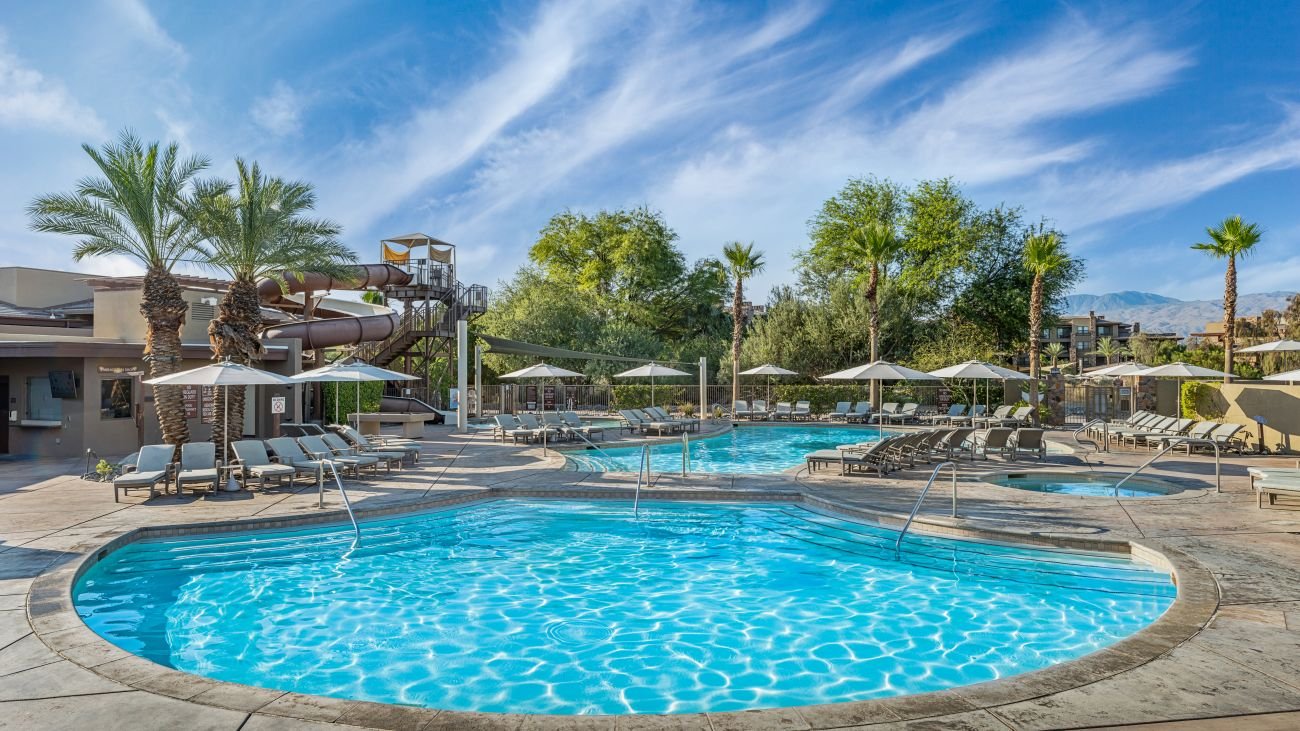
When guests are not on the Golf Courses, outdoor activity centers around the resort’s carefully planned aquatic environments. The property features distinct pool decks designed to separate high-energy family recreation from quiet relaxation.
The Mirage Pool Deck
This multi-level water complex serves as the central recreation hub of the resort property.
- The Upper Tier: Designed for a slower, more relaxed pace.
- The Lower Tier: Engineered for active family fun.
The Jimmy Jammer Waterslide
This 159-foot winding, open-air flume slide drops riders directly into the lower pool basin.
Critical Safety Enforcement Notice
The resort strictly enforces a 48-inch (121.9 cm) minimum height requirement at the slide entrance. Ground staff measures all riders, so it helps to prepare younger children for this rule prior to arrival.
The Quiet Pool and Ironwood Pool
Located away from the active family zones and poolside music of the Mirage deck, these pools are reserved for adults. They offer a peaceful environment for swimming laps, reading, or relaxing under umbrellas without the disruption of poolside activities.
Championship Golf Frameworks and Agronomic Standards
The resort property is seamlessly integrated with the adjacent Desert Willow Golf Resort.
The Firecliff Course
A true championship test, Firecliff measures over 7,000 yards from the back tees. The course rewards accurate drives and smart approach shots to well-guarded greens.
The Mountain View Course
Designed with a more forgiving, player-friendly philosophy, Mountain View features wider fairways, fewer forced carries, and beautifully integrated water features. It is a popular choice for family rounds, casual play, or golfers looking for a more relaxed afternoon on the course.
Turf Agronomy and Seasonal Overseeding
To maintain pristine conditions year-round in this desert climate, the courses utilize a specialized turf management strategy:
- Summer Season: The fairways feature heat-tolerant Hybrid Bermudagrass, which thrives in temperatures exceeding 100°F.
- Winter Overseeding: In October, the courses undergo a temporary closure for overseeding. During this transition, a fine Perennial Ryegrass is introduced. This grass germinates quickly as temperatures cool, providing a lush, emerald-green playing surface throughout the winter and spring tourism months.
Operational Protocols and Essential Guest Logistics
To ensure a smooth vacation experience, keep these three resort-wide operational policies in mind before your arrival.
Cashless Operations
The resort does not accept cash anywhere on the premises.
Strict No-Pet Policy
Standard domestic pets are not permitted on the property (certified ADA service animals are fully exempt).
Zero Hidden Resort Fees
In a region where local hotels routinely add $40+ daily resort charges, this property features zero hidden resort fees. Your booking includes complimentary high-speed standard Wi-Fi, full access to the modern fitness center, and free self-parking.
Safety Protocols and Arid Environment Survival Strategies
When staying in Palm Desert, managing the environmental elements is an important safety consideration. Follow these guidelines to keep your vacation fun and incident-free:
- The Hydration Baseline: Drink water consistently, even if you do not feel thirsty. In single-digit humidity, your body cools itself via rapid sweat evaporation. A good baseline is one gallon of water per day per person if spending time outdoors.
- Sun Shielding: Sunscreen with an SPF of 30 or higher must be reapplied every two hours. Polarization in your sunglasses and wide-brimmed hats are highly recommended to prevent UV eye strain.
- Flash Flood Awareness: If hiking in nearby canyons, always check the local weather report.
Regional Attractions and Nearby Travel Excursions
Should you choose to venture away from the pool decks and fairways, Palm Desert offers excellent regional attractions:
- The Living Desert Zoo and Gardens: Located less than 15 minutes away, this highly rated conservation park is dedicated entirely to desert environments. It allows visitors to feed giraffes, see rhinos, and explore beautifully preserved desert hiking trails.
- Palm Springs Aerial Tramway: Located a short drive west, this engineering marvel lifts passengers in rotating cable cars from the desert floor up to an altitude of 8,516 feet into Mount San Jacinto State Park, where temperatures can be up to 30°F cooler.
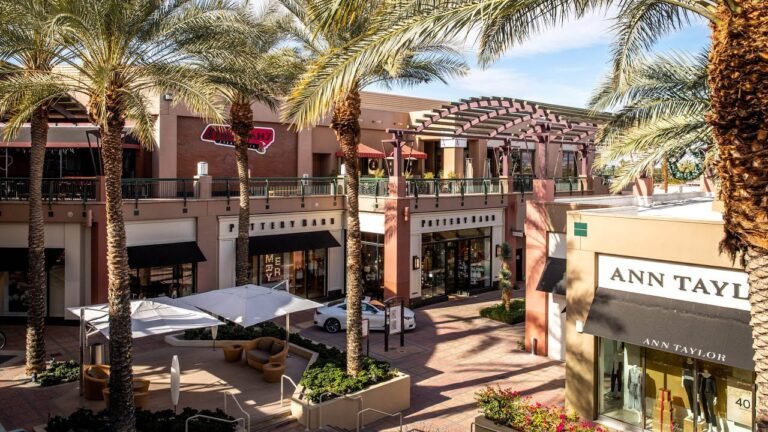
- El Paseo Shopping District: Known affectionately as the “Rodeo Drive of the Desert,” this beautifully landscaped avenue features luxury boutiques, fine art galleries, and premier outdoor dining spaces.
Sustainability Initiatives and Environmental Conservation
The rapid growth of the Coachella Valley presents significant environmental challenges, primarily surrounding water security and habitat preservation. Maintaining expansive green golf courses and lush resort pools in a desert basin requires intensive water resource management.
Today, facilities like the Desert Willow Golf Resort utilize non-potable recycled water for fairway irrigation to protect the underlying natural aquifer. Guests are encouraged to conserve water within their villas by utilizing the eco-friendly appliance settings provided.
Pros & Cons
Pros
- Scalable Living Spaces: The villa layouts offer ample square footage for families and groups compared to standard single-room hotel rooms.
- In-Unit Laundry Convenience: Every villa configuration includes an independent, stacked washer and dryer, helping minimize packing requirements.
- Championship Golf Access: Guests enjoy convenient access and preferred tee-time bookings for the adjacent 36 holes of world-class golf.
Cons
- Strict Waterslide Height Requirements: The non-negotiable 48-inch minimum height rule can disappoint families traveling with toddlers or younger children.
- 100% Cashless Environment: Travelers who prefer utilizing physical currency will experience friction due to the strictly electronic payment policy.
FAQs
A full kitchen (found in the 1-Bedroom Premium) includes a traditional four-burner stove and a full baking oven. Both feature full-sized refrigerators and dishwashers.
Yes. All multi-story villa residential blocks are fully equipped with central elevator banks. Ensuring complete accessibility for strollers, heavy luggage, and guests with mobility challenges.
No. The resort enforces strict parking regulations. Oversized vehicles, including motorhomes, watercraft, trailers, or utility rigs, are explicitly barred from the resort parking lots.
Conclusion
The Westin Desert Willow Villas excels at delivering a premium, predictable “home away from home” experience in the Coachella Valley. Book the right villa layout for your cooking needs; respect the waterslide height limits. Leave your cash at home for a seamless, sun-soaked desert escape.